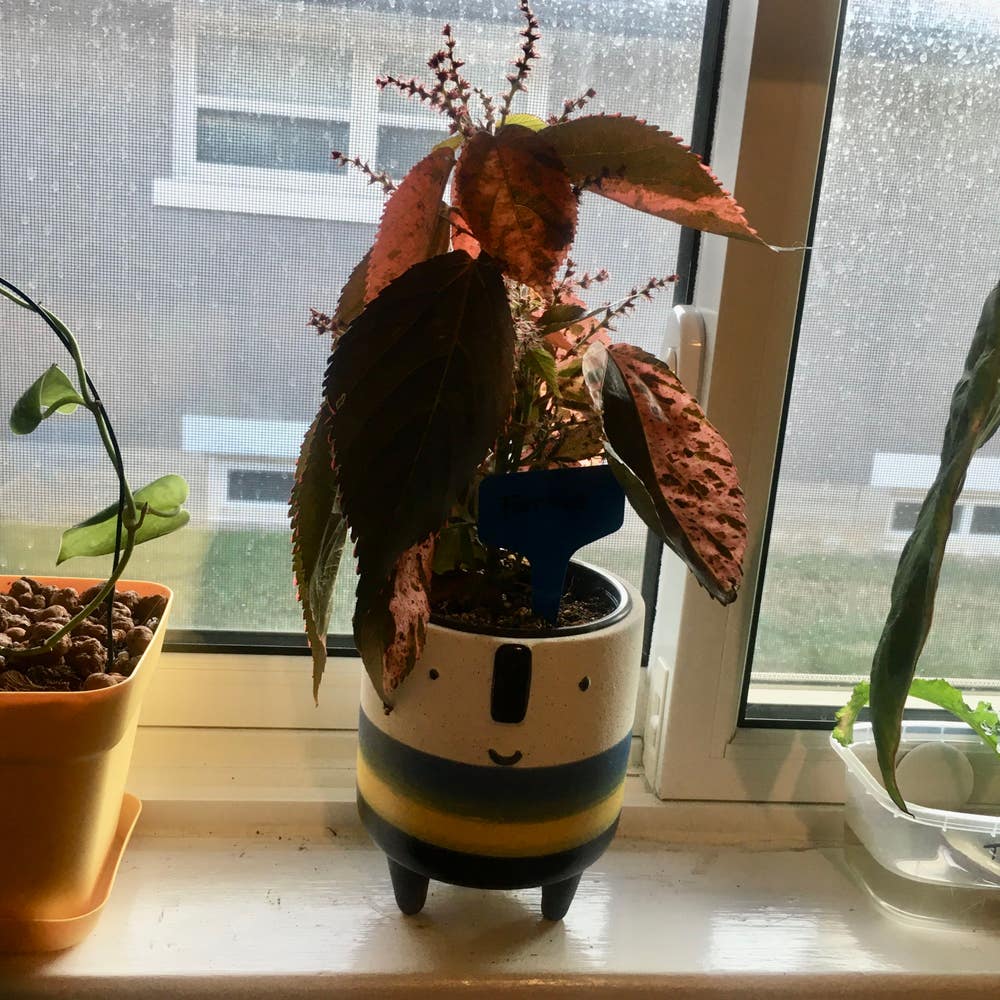
Overview of Acalypha oligantha
Acalypha oligantha
By the Greg Editorial Team
Feb 27, 2025•13 min read
This article was created with the help of AI so we can cover more plants for you. May contain errors. See one? Report it here.
Unlock the secret to thriving Acalypha oligantha 🌱 and transform your space with its vibrant beauty! ✨
- 🌞 Acalypha oligantha thrives in bright, indirect sunlight and warm temperatures.
- 💧 High humidity is crucial; use trays or misting to maintain moisture.
- 🌱 Well-draining, organic-rich soil with pH 6.0-7.0 ensures optimal growth.
How to Grow
Choosing a Location 🌞
Acalypha oligantha thrives in bright, indirect sunlight. Direct harsh sunlight can scorch its leaves, so finding a spot with filtered light is key.
Temperature is another crucial factor. This plant prefers a warm environment, ideally between 20°C to 30°C (68°F to 86°F), and it’s sensitive to cold drafts.
Humidity levels play a significant role in its health. High humidity is ideal, so consider using a humidity tray or misting the plant regularly to keep it happy.
Soil Preparation 🌱
For optimal growth, Acalypha oligantha needs well-draining soil rich in organic matter. This ensures that the roots have the nutrients they need without sitting in water.
The ideal soil pH is slightly acidic to neutral, ranging from 6.0 to 7.0. Proper drainage is essential to prevent root rot, so make sure your pot has drainage holes.
Planting Techniques 🌿
When planting, space your Acalypha oligantha plants 12-18 inches apart. This spacing allows for adequate air circulation and room for growth.
Plant them at the same depth as they were in the nursery pot. This helps maintain their health and encourages strong root development.
Watering Requirements 💧
Water your Acalypha oligantha when the top inch of soil feels dry. Avoid waterlogging, as this can lead to root rot.
When watering, do so thoroughly until excess water drains from the bottom of the pot. This ensures the roots receive enough moisture without becoming waterlogged.
Fertilizing Schedule 🌼
Use a balanced, water-soluble fertilizer to nourish your plant. This will provide the necessary nutrients for healthy growth.
Fertilize every 4-6 weeks during the growing season. This regular feeding will help your Acalypha flourish.
Pruning and Maintenance ✂️
Prune your plant in early spring to encourage bushier growth. This is the best time to shape your Acalypha and promote new growth.
When pruning, trim back any leggy growth and remove dead or yellowing leaves. This keeps the plant looking its best and helps prevent disease.
Ongoing Care 🔍
Regularly check your Acalypha oligantha for pests and signs of stress. Early detection is key to maintaining plant health.
Adjust your watering and fertilizing routine based on seasonal changes. This ensures your plant gets the care it needs throughout the year.
With these guidelines, you'll be well on your way to growing a vibrant Acalypha oligantha that adds beauty to your space. Next, let’s explore how to propagate this lovely plant!
Propagation
🌱 Methods of Propagation
Acalypha oligantha can be propagated through two primary methods: seeds and cuttings. For seeds, collect them from mature plants and sow them in well-draining soil.
Cuttings involve taking healthy 4-6 inch stems and preparing them for rooting. Both methods are effective, but they require specific conditions for success.
📋 Step-by-Step Instructions for Each Method
Seeds:
- Sow seeds about 1/4 inch deep in a seed-starting mix.
- Keep the soil consistently moist and maintain warm temperatures around 25°C (77°F).
- Expect germination within 2-3 weeks.
Cuttings:
- Dip the cut ends of the stems in rooting hormone to encourage growth.
- Place the cuttings in a moist potting mix and cover with a plastic bag to maintain humidity.
- Roots should develop in about 2-4 weeks.
🌡️ Ideal Conditions for Successful Propagation
For both seeds and cuttings, warm temperatures and high humidity are essential. These conditions create an optimal environment for growth, ensuring your Acalypha oligantha thrives.
By following these methods, you can easily expand your collection of this vibrant plant. Next, let’s explore the lifecycle of Acalypha oligantha and understand its growth stages.
Lifecycle
Lifecycle Stages 🌱
The lifecycle of Acalypha oligantha is a fascinating journey that begins with germination. Under optimal conditions, seeds sprout within 2-3 weeks.
Following germination, the plant enters the seedling stage, where it develops true leaves in about 4-6 weeks. This is a crucial phase as the plant establishes itself.
Next comes the vegetative growth stage, characterized by rapid growth that can last several months. During this time, the plant focuses on building a strong structure.
Flowering typically occurs in late summer to fall, showcasing the plant's vibrant blooms. After flowering, seeds can be collected, completing the lifecycle.
Growth Timeline ⏳
Acalypha oligantha reaches full maturity in approximately 6-12 months. Its moderate growth rate means you can expect it to reach its full size within about a year.
This timeline allows gardeners to plan for the plant's needs and enjoy its beauty throughout the seasons. Understanding this lifecycle helps in providing the right care at each stage, ensuring a thriving plant.
With this knowledge in hand, you're well-equipped to nurture Acalypha oligantha successfully. Next, let’s explore how to manage its size effectively.
Size
Mature Height and Spread 🌱
Acalypha oligantha typically reaches a mature height of 2 to 4 feet. Its spread can extend from 2 to 3 feet wide, making it a substantial addition to any garden or indoor space.
Growth Rate and Factors Affecting Size 📈
This plant has a moderate growth rate, which means it won't take over your space overnight. Factors such as light, water, and nutrients play a crucial role in determining its final size, so keep an eye on those conditions for optimal growth.
Size Variability 📏
The size of Acalypha oligantha can vary significantly based on its growing conditions. For instance, plants exposed to ample light and humidity may grow larger than those in less favorable environments.
In summary, understanding the size and growth characteristics of Acalypha oligantha helps you plan its placement effectively. Next, let’s explore the fascinating root system of this plant and how to maintain its health.
Roots
Characteristics of the Root System 🌱
Acalypha oligantha features a fibrous root system that is both shallow and extensive. This structure allows the plant to absorb nutrients efficiently while spreading out to stabilize itself.
Common Root-Related Issues ⚠️
Root health is crucial for the overall vitality of your Acalypha. Overwatering can lead to root rot, which manifests as wilting and yellowing leaves. Conversely, if the roots become rootbound, you'll notice stunted growth and circling roots, indicating they need more space.
Tips for Managing Root Health 🛠️
To keep your plant thriving, repot it every 1-2 years to prevent rootbound conditions. Additionally, ensure that your pots have proper drainage to avoid water accumulation, which can harm the roots.
With these simple practices, you can maintain a healthy root system that supports vibrant growth. Next, let’s explore the numerous benefits of Acalypha oligantha in your garden!
Benefits
Top 5 Benefits 🌟
Ornamental Appeal
Acalypha oligantha is a showstopper in any garden. Its vibrant colors and unique foliage can transform dull spaces into lively landscapes.Air Purification
This plant doesn't just look good; it also helps improve indoor air quality. By filtering toxins, it contributes to a healthier living environment.Versatile Use
Whether you have a sprawling garden or a cozy balcony, Acalypha oligantha fits right in. It's perfect for garden beds and container planting alike.Attracts Pollinators
The flowers of Acalypha oligantha are a magnet for beneficial insects. This makes it an excellent choice for those looking to support local pollinator populations.Cultural Significance
Beyond its beauty, this plant holds value in various cultures. It symbolizes different meanings, making it a cherished addition to many gardens.
Incorporating Acalypha oligantha into your space not only enhances aesthetics but also promotes ecological health. Its multifaceted benefits make it a worthy choice for any plant enthusiast.
As we explore further, let’s dive into the best companion plants that can enhance the growth and health of Acalypha oligantha.
Companion Plants
🌱 Companion Planting
Companion planting is a fantastic way to enhance garden diversity and improve pest management. By strategically placing plants together, you can create a thriving ecosystem that benefits all your plants.
🌼 Compatible Companion Plants
Acalypha oligantha pairs well with several companions:
- Coleus: These vibrant plants share similar care needs, making them perfect partners in your garden.
- Ferns: Their contrasting foliage not only adds visual interest but also thrives in the same humid conditions.
- Marigolds: Known for their pest-repellent properties, marigolds help keep unwanted insects at bay.
🚫 Plants to Avoid
When planning your garden, steer clear of plants that require dry conditions. Acalypha thrives in high humidity, so planting it near drought-tolerant species can lead to stress and poor growth.
By choosing the right companions, you can create a lush, vibrant garden that flourishes together. Next, let’s explore the potential toxicity of Acalypha oligantha to humans and pets, ensuring a safe gardening experience.
Toxicity to Humans
Potential for Irritation 🌿
Acalypha oligantha can cause irritation, particularly from its leaves and sap. Symptoms may include skin rashes, itching, and mild gastrointestinal upset.
How Irritation Can Occur ⚠️
Irritation typically arises from contact with the sap or ingestion of any part of the plant. It's essential to be cautious when handling this beautiful plant.
Guidance on When to Seek Medical Care 🚑
If symptoms persist or worsen, seek medical attention. Generally, irritation is self-limiting, but it's better to be safe.
Tips for Safe Handling 🧤
To minimize risks, wear gloves when handling Acalypha oligantha. Always wash your hands thoroughly after contact to ensure any sap is removed.
This knowledge will help you enjoy your plant without worry, allowing you to appreciate its beauty while staying safe. Next, let’s explore how this plant can affect our furry friends.
Toxicity to Dogs
Potential for Irritation 🐶
Acalypha oligantha can cause irritation in dogs, primarily from its leaves and sap. Symptoms to watch for include drooling, pawing at the mouth, and mild vomiting.
How Irritation Can Occur ⚠️
Irritation typically occurs through ingestion of the plant material or contact with its sap. It's important to monitor your dog if they show interest in this plant.
Guidance on When to Seek Veterinary Care 🏥
If your dog exhibits persistent or worsening symptoms, it's wise to seek veterinary care. Generally, the irritation is self-limiting, and Acalypha oligantha is not classified as severely toxic to dogs, but caution is always best.
This knowledge can help you create a safer environment for your furry friends while enjoying the beauty of your plants.
Toxicity to Cats
Potential for Irritation 🐾
Acalypha oligantha can cause mild irritation in cats, particularly from its leaves and sap. Symptoms may include drooling, pawing at the mouth, and mild vomiting.
How Irritation Can Occur 🤔
Irritation typically occurs through ingestion of the plant material or contact with the sap. It's essential to monitor your cat if they show interest in this plant.
Guidance on When to Seek Veterinary Care 🚑
If your cat experiences persistent symptoms or if they worsen, it's wise to seek veterinary care. Generally, the irritation is self-limiting, and Acalypha oligantha is not classified as severely toxic to cats, but caution is always best.
Tips for Safe Handling 🧤
To ensure safety, consider placing the plant out of reach. If handling the plant, wearing gloves and washing your hands afterward can help prevent any accidental irritation.
This knowledge empowers you to enjoy your Acalypha oligantha while keeping your feline friends safe. Now, let’s explore the potential toxicity of this plant to dogs.
Problems
Common Problems 🌱
Incorrect Watering
Watering issues are a common challenge for Acalypha oligantha. Overwatering leads to wilting, while underwatering results in dry, crispy leaves.
Solution: Adjust your watering frequency based on the moisture level of the soil.
Incorrect Light Conditions
Light conditions can significantly impact plant health. Insufficient light causes leggy growth, while too much direct sunlight can scorch the leaves.
Solution: Relocate your plant to a spot with appropriate light levels to promote healthy growth.
Incorrect Temperature
Temperature fluctuations can stress your Acalypha. If the temperature drops below 15°C (59°F), you may notice stunted growth or leaf drop.
Solution: Ensure that your plant is kept in a warm environment, ideally between 20°C to 30°C (68°F to 86°F).
Diseases
Fungal diseases can also plague Acalypha oligantha. Look out for symptoms like white spots on leaves, indicating powdery mildew.
Solution: Improve air circulation around the plant and avoid overhead watering to minimize disease risk.
Leaf Issues
Leaf problems often arise from pest infestations or nutrient deficiencies. Yellowing leaves or fuzzy growth can signal underlying issues.
Solution: Regularly check for pests and assess nutrient levels to keep your plant thriving.
By staying vigilant and addressing these common problems, you can ensure your Acalypha oligantha remains healthy and vibrant. Next, let’s explore potential pest issues that may affect your plant.
Bugs
🐞 Potential Pest Issues
Acalypha oligantha is moderately resistant to pests, but it can still fall victim to a few common nuisances. Keeping an eye on your plant will help you catch any issues early.
🐛 List of Pests
Spider Mites:
- Identification: Look for fine webbing on leaves.
- Damage: These pests cause yellowing leaves; to treat, increase humidity and apply miticides.
Mealybugs:
- Identification: Spot them as white, cottony masses on stems.
- Damage: They weaken plants; use insecticidal soap for effective treatment.
Aphids:
- Identification: These small green or black insects often appear on new growth.
- Damage: They stunt growth; treat them with neem oil or insecticidal soap.
🌱 Keeping Your Acalypha Healthy
Regular monitoring is key to preventing pest infestations. If you notice any signs of trouble, act quickly to protect your plant's health.
With proper care and vigilance, your Acalypha oligantha can thrive, free from the threat of pests. Next, let’s explore what animals might be interested in munching on your plant.
What Eats
Common Animals 🐾
Acalypha oligantha can attract a variety of hungry critters. Understanding which animals may munch on your plant is key to protecting it.
Deer
Deer are notorious for browsing on leaves, often leaving behind stripped foliage. To deter them, consider installing fencing or using repellents.
Rabbits
Rabbits can be quite the nuisance, chewing on stems and leaves, resulting in missing foliage. Using repellents or barriers can help keep these furry friends at bay.
Squirrels
Squirrels may gnaw on stems, leading to broken branches and damaged plants. Traps or noise deterrents can effectively discourage their visits.
Rodents
Rodents can burrow near the roots, causing significant root damage. To manage this issue, set traps and modify the habitat to make it less inviting.
Groundhogs
Groundhogs are another potential threat, often leaving chewed leaves and stems in their wake. Fencing or repellents can be effective deterrents against these larger pests.
By being aware of these common animals and their signs of damage, you can take proactive steps to protect your Acalypha oligantha. This knowledge not only helps in maintaining your plant's health but also enhances your gardening experience.
Next, let’s explore potential pest issues that could affect your plant's well-being.
⚠️ Safety First
This content is for general information and may contain errors, omissions, or outdated details. It is not medical, veterinary advice, or an endorsement of therapeutic claims.
Always consult a qualified healthcare professional before using any plant as food, medicine, or supplement.
Never eat any plant (or feed one to pets) without confirming its identity with at least two trusted sources.
If you suspect poisoning, call Poison Control (800) 222-1222, the Pet Poison Helpline (800) 213-6680, or your local emergency service immediately.
Spotted an error? Please report it here.
Grow your Acalypha oligantha like a pro 🌱 with Greg's tailored care tips and reminders, ensuring it thrives in the perfect light and humidity!