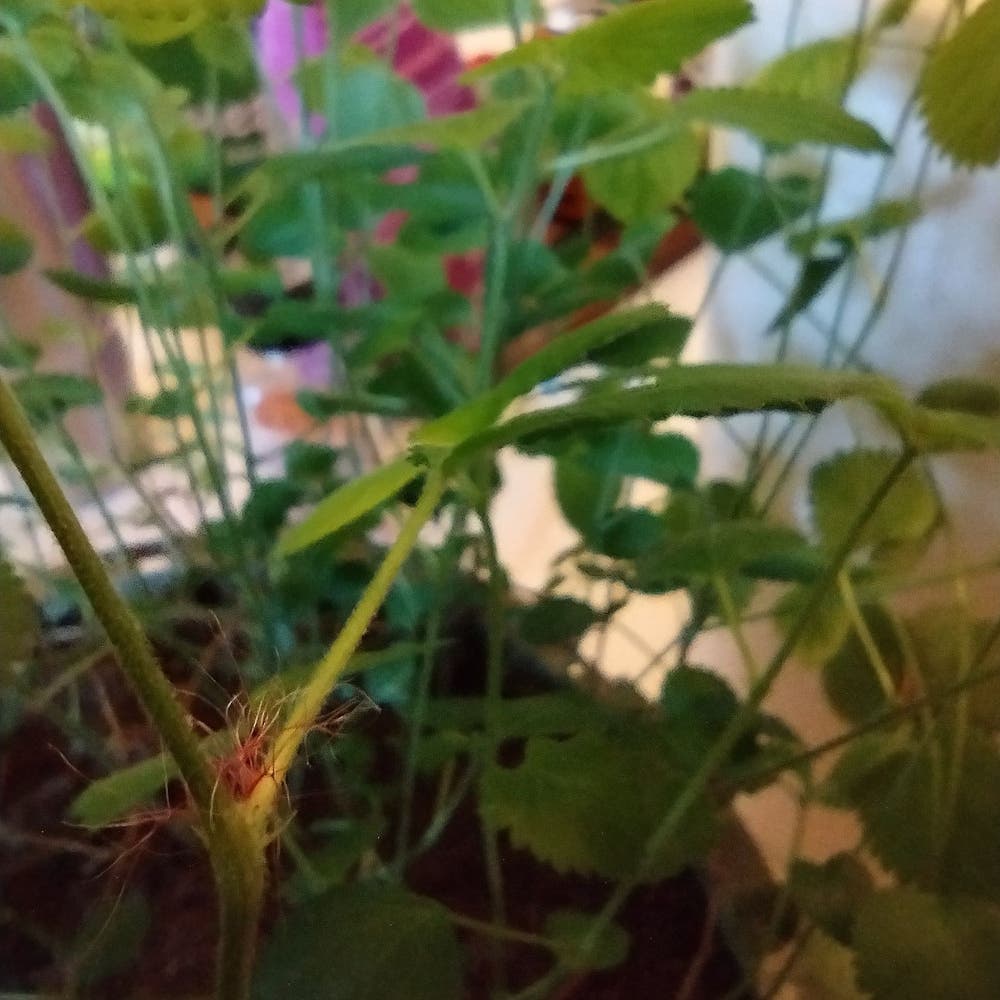
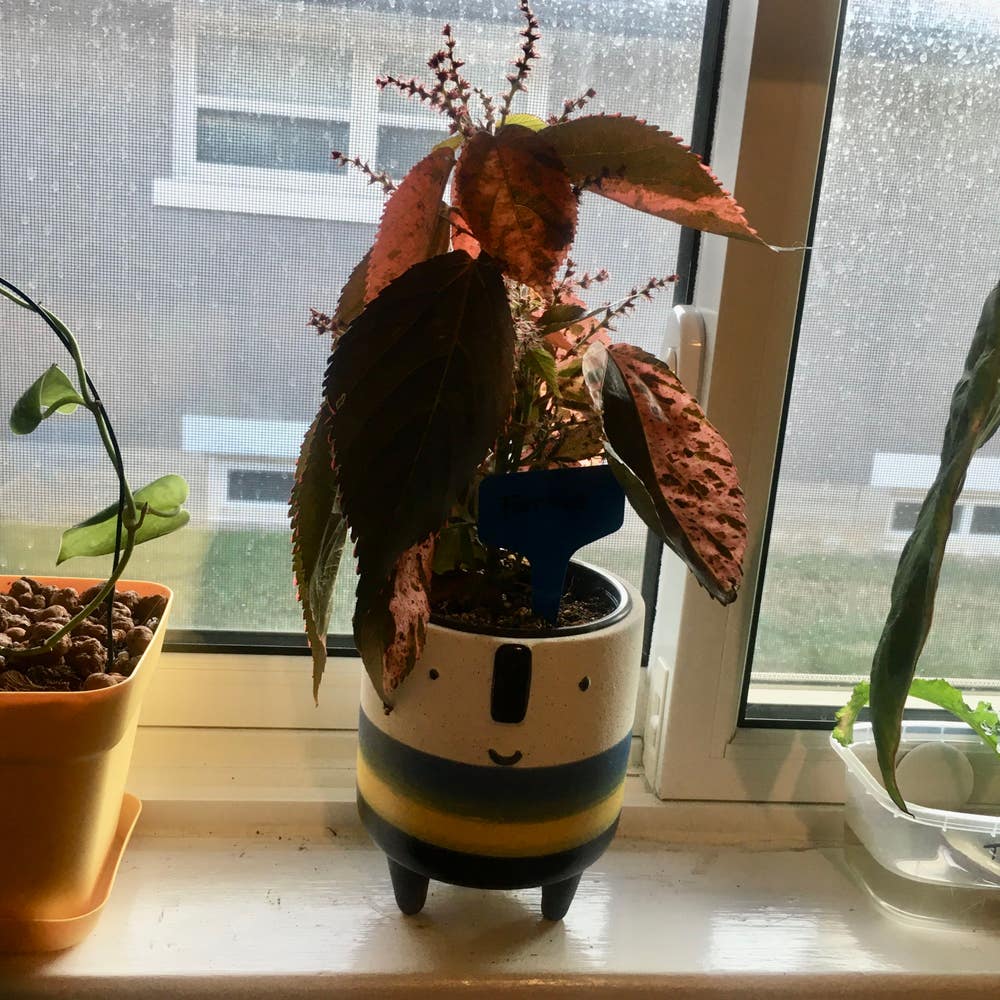
Introduction to Acalypha oblancifolia
Acalypha oblancifolia
By the Greg Editorial Team
Feb 27, 2025•12 min read
This article was created with the help of AI so we can cover more plants for you. May contain errors. See one? Report it here.
Unlock the secrets to thriving Acalypha oblancifolia 🌱 and elevate your garden with its stunning foliage!
- 🌞🌿 Acalypha oblancifolia thrives in warm, humid environments with ample sunlight.
- 🌱💧 Consistent moisture and well-draining soil are crucial for healthy growth.
- ⚠️🐾 All parts are toxic; handle with care to protect pets and humans.
How to Grow
Choosing a Location 🌞
To thrive, Acalypha oblancifolia prefers warm, humid environments with partial to full sunlight. When deciding between outdoor and container growing, consider your available space and local climate conditions.
Soil Preparation 🌱
This plant flourishes in well-draining, fertile soil enriched with organic matter. Aim for a pH level between slightly acidic and neutral, ideally between 6.0 and 7.0, to promote healthy growth.
Planting Techniques 🌿
When planting, ensure the roots are covered adequately but not buried too deep. For optimal air circulation, space your plants 12 to 18 inches apart.
Watering Requirements 💧
Keep the soil consistently moist, but avoid waterlogging. Be vigilant for signs of overwatering, such as wilting and yellowing leaves, or underwatering, which can lead to drooping foliage.
Fertilizing Schedule 🥦
During the growing season, use a balanced NPK fertilizer to support robust growth. Fertilize every 4 to 6 weeks for best results.
Pruning Methods ✂️
Prune Acalypha oblancifolia in early spring to encourage bushier growth. Pinching back the tips of the stems can effectively promote branching and a fuller appearance.
Ongoing Care Tips 🛡️
Regularly monitor your plants for pests and diseases to catch any issues early. Adjust your care routine based on seasonal changes to keep your plants thriving year-round.
With these guidelines, you'll be well on your way to cultivating a vibrant Acalypha oblancifolia. Next, let's explore how to propagate this beautiful plant effectively.
Propagation
🌱 Seed Propagation
To start your Acalypha oblancifolia from seeds, begin by soaking them for 24 hours. This simple step helps to kickstart the germination process, which typically takes 7-14 days under optimal conditions.
✂️ Cutting Propagation
If you prefer a quicker method, consider cutting propagation. Select healthy stems that are about 4-6 inches long and use a rooting medium composed of peat and perlite for best results.
🌿 Division Propagation
Division is another effective propagation technique, best performed in spring or early summer. Carefully separate the root clumps and replant them to encourage new growth and vitality.
With these propagation methods, you can easily expand your Acalypha collection and enjoy its vibrant beauty in multiple locations. Next, let’s explore the lifecycle of this fascinating plant and how it develops over time.
Lifecycle
Lifecycle Stages 🌱
Acalypha oblancifolia is typically grown as a perennial in suitable climates. This means it can thrive year after year, providing vibrant foliage and flowers.
Germination Process 🌡️
For optimal germination, maintain a temperature between 70°F to 80°F (21°C to 27°C). This warm environment encourages seeds to sprout effectively.
Seedling Stage 🌿
The seedling stage lasts about 4-6 weeks until true leaves develop. During this time, the young plant establishes its foundation for future growth.
Vegetative Growth 🌳
Expect rapid growth in warm conditions. Acalypha oblancifolia can quickly fill out, showcasing its lush foliage.
Flowering Phase 🌸
Flowering generally occurs in late summer to early fall. This is when the plant displays its most striking features, attracting attention in any garden.
Seed Production 🌾
After flowering, seeds can be collected for propagation. This ensures you can continue to enjoy and share this beautiful plant.
Growth Timeline and Speed ⏳
Acalypha oblancifolia reaches full maturity in approximately 6-12 months. Under ideal conditions, its growth speed is impressive, making it a rewarding addition to your garden.
As we explore the benefits of this stunning plant, you'll see why it's a favorite among gardeners.
Size
🌱 Mature Height and Spread
Acalypha oblancifolia typically reaches a height of 2 to 4 feet, making it a striking addition to any garden. Its spread usually ranges from 2 to 3 feet, allowing it to fill space without overwhelming surrounding plants.
⚡ Growth Rate Specifics
This plant is known for its rapid growth, especially in optimal conditions. However, in cooler climates, its growth may slow down, so keep that in mind when planning your garden.
📏 Size Variability Based on Conditions
Several factors can influence the size of Acalypha oblancifolia. Light availability, water levels, and soil quality all play significant roles in determining how tall and wide your plant will grow.
Understanding these aspects can help you create the ideal environment for your Acalypha oblancifolia, ensuring it thrives and reaches its full potential. Next, let’s dive into the fascinating world of its roots and how they contribute to the plant's overall health.
Roots
Root System Characteristics 🌱
Acalypha oblancifolia features a fibrous root system that enhances its stability. This type of root structure allows the plant to anchor itself securely in the soil, making it resilient against environmental stresses.
Depth and Spread of Roots 📏
Typically, the roots grow to a depth of 12-18 inches. They can also spread beyond the plant's canopy, which helps in nutrient absorption and overall health.
Common Root-Related Issues ⚠️
One of the most common problems is root rot, often caused by overwatering. Signs of this issue include wilting leaves and yellowing foliage, indicating that the roots are struggling to function properly.
Identifying Healthy vs. Unhealthy Roots 🔍
Healthy roots are firm, white, and spread evenly throughout the soil. In contrast, unhealthy roots appear dark, mushy, or may emit a foul smell, signaling that something is wrong.
Recognizing Rootbound Plants 🪴
If you notice roots growing out of the drainage holes of your pot, your plant may be rootbound. The solution is simple: repot the plant into a larger container to give the roots more room to grow and thrive.
This understanding of root health is crucial for maintaining a vibrant Acalypha oblancifolia. Next, we will explore the benefits this plant brings to your garden and home.
Benefits
Top 5 Benefits 🌟
Acalypha oblancifolia is more than just a pretty face in the garden. Here are the top five benefits that make this plant a must-have:
Ornamental Appeal: With its vibrant foliage, Acalypha oblancifolia adds a splash of color to any garden. Its lush leaves create a striking visual impact, making it a favorite among garden enthusiasts.
Air Purification: This plant doesn't just look good; it also helps improve indoor air quality. By absorbing toxins and releasing oxygen, it contributes to a healthier living environment.
Erosion Control: Acalypha oblancifolia plays a crucial role in stabilizing soil in garden beds. Its robust root system helps prevent soil erosion, making it a practical choice for landscaping.
Attracts Pollinators: This plant provides a habitat for beneficial insects, including bees and butterflies. By attracting pollinators, it supports biodiversity and enhances the overall health of your garden.
Cultural Significance: In some regions, Acalypha oblancifolia holds cultural importance and is used in traditional practices. Its historical relevance adds depth to its appeal, making it more than just a decorative plant.
These benefits highlight why Acalypha oblancifolia deserves a spot in your garden. Whether you're looking for beauty, functionality, or ecological support, this plant has it all.
As we explore further, let's dive into the concept of companion planting and discover how Acalypha oblancifolia can work harmoniously with other plants.
Companion Plants
🌱 Concept of Companion Planting
Companion planting is a gardening strategy that enhances biodiversity and improves pest management. By pairing plants that support each other, you can create a healthier garden ecosystem.
🌼 Best Companion Plants
When growing Acalypha oblancifolia, consider companions like marigolds. These vibrant flowers not only add color but also repel pests, making them ideal partners.
Additionally, other tropical plants with similar care needs can thrive alongside Acalypha. This combination fosters a lush, harmonious garden environment.
🚫 Plants to Avoid
It's crucial to avoid plants that have significantly different watering or light requirements. Mismatched companions can lead to competition for resources, ultimately harming both plants.
By choosing the right companions, you can enhance the growth and health of your Acalypha oblancifolia while creating a vibrant garden space. This thoughtful approach to planting not only beautifies your garden but also promotes a sustainable growing environment.
Next, let's explore the potential toxicity of Acalypha oblancifolia to humans.
Toxicity to Humans
Toxic Parts 🐍
All parts of the Acalypha oblancifolia plant are considered toxic. This includes leaves, stems, and flowers, so caution is essential when handling or placing this plant in your home or garden.
Symptoms of Poisoning 🤢
If ingested, common symptoms include nausea, vomiting, diarrhea, abdominal pain, and dizziness. These reactions can vary in severity, so it's important to be aware of them.
Exposure Risks and Prevention 🚫
The primary risks stem from ingesting plant parts or coming into contact with its sap. To prevent exposure, educate yourself and others about safe handling practices and consider placing the plant out of reach of children and pets.
When to Seek Medical Care 🚑
If symptoms arise after exposure or ingestion, seek immediate medical care. Prompt attention can help mitigate any potential health risks associated with this plant's toxicity.
Understanding these aspects of Acalypha oblancifolia's toxicity can help you enjoy its beauty while keeping yourself and others safe. Next, let’s explore how this plant can affect our furry friends, particularly dogs.
Toxicity to Dogs
Toxic Parts 🐶
All parts of the Acalypha oblancifolia plant are toxic to dogs. This includes the leaves, stems, and flowers, so it's crucial to be aware of their presence in your garden or home.
Symptoms of Poisoning 🤢
If a dog ingests any part of this plant, watch for signs of poisoning. Common symptoms include drooling, vomiting, diarrhea, and weakness. If you notice any of these, it’s essential to act quickly.
Prevention Measures 🛡️
To keep your furry friends safe, supervise their outdoor time closely. Additionally, consider removing Acalypha oblancifolia from areas where dogs can access them. This simple step can prevent potential health issues and give you peace of mind.
By being proactive, you can enjoy the beauty of this plant while ensuring your dog's safety. If you suspect your dog has ingested any part of the plant, consult your veterinarian immediately for guidance.
Toxicity to Cats
Toxic Parts 🐱
All parts of the Acalypha oblancifolia plant are toxic to cats. This includes the leaves, stems, and flowers, making it crucial for pet owners to be aware of its presence in their homes or gardens.
Symptoms of Poisoning 🤢
If a cat ingests any part of this plant, you may notice several alarming symptoms. Common signs include drooling, vomiting, diarrhea, and weakness, which require immediate attention.
Prevention Measures 🚫
To keep your feline friends safe, it's best to keep cats indoors, especially if you have Acalypha oblancifolia nearby. Additionally, supervising outdoor time can help prevent any accidental ingestion of this toxic plant.
By being proactive, you can enjoy the beauty of Acalypha oblancifolia while ensuring your pets remain safe and healthy. If you suspect your cat has ingested the plant, consult a veterinarian promptly for guidance.
Problems
Common Problems 🌱
Acalypha oblancifolia can face several challenges that affect its health and growth.
- Incorrect Watering: Overwatering can lead to root rot, while underwatering may cause wilting.
- Incorrect Light Conditions: Insufficient light can result in leggy growth, while too much direct sunlight can scorch the leaves.
- Diseases: Fungal issues, such as powdery mildew, can develop in humid conditions.
- Root Problems: Root rot manifests as dark, mushy roots, while healthy roots should be firm and white.
- Leaf Issues: Yellowing leaves often indicate nutrient deficiencies or improper watering, while fuzzy growth can signal fungal infections.
Identifying Symptoms and Causes 🔍
Recognizing the symptoms of these problems is crucial for timely intervention.
- Watering Issues: Look for wilting (underwatering) or yellowing leaves and mushy roots (overwatering).
- Light Problems: Leaf scorch appears as brown edges, while leggy growth indicates insufficient light.
- Diseases: Powdery mildew presents as white, powdery spots on leaves.
- Root Problems: Check for dark, mushy roots to identify root rot.
- Leaf Issues: Yellowing leaves can signal various issues, including pests or nutrient deficiencies.
Solutions for Each Problem 🛠️
Addressing these problems can help revive your Acalypha oblancifolia.
- Watering: Adjust your watering schedule to keep the soil consistently moist but not soggy.
- Light Conditions: Move the plant to a location with partial sunlight to prevent scorch and promote healthy growth.
- Diseases: Treat fungal infections with a fungicide and ensure good air circulation around the plant.
- Root Problems: If root rot is detected, repot the plant in fresh, well-draining soil and reduce watering frequency.
- Leaf Issues: Assess nutrient levels and adjust fertilization to address yellowing leaves or fuzzy growth.
By staying vigilant and responsive to these common problems, you can ensure your Acalypha oblancifolia thrives. Next, let’s explore potential pest issues that may also affect your plant's health.
Bugs
🐜 Potential Pest Issues
Acalypha oblancifolia can attract a variety of pests, making it essential to understand its resistance and susceptibility. While some pests may find it unappealing, others can wreak havoc if not managed promptly.
🔍 Identifying Pests and Damage
Common pests that target Acalypha oblancifolia include spider mites, mealybugs, and aphids. Look for signs such as webbing, sticky residue, or distorted leaves to identify these nuisances early.
🧴 Treatment Options
To manage pest infestations effectively, consider using insecticidal soap or neem oil. Regularly inspecting your plants and maintaining good hygiene can also help prevent these pests from taking hold.
What Eats Acalypha oblancifolia
🦌 Common Animals
Acalypha oblancifolia can attract a variety of hungry critters. Deer, rabbits, and rodents are the primary culprits that may munch on this vibrant plant.
👀 Signs of Animal Presence
Identifying animal activity is crucial for protecting your plants. Look for signs such as chewed leaves, droppings, or tracks around the base of the plant.
⚠️ Damage Caused by Animals
The damage caused by these animals can be quite noticeable. They often browse on leaves and stems, leading to unsightly nibbled edges and stunted growth.
🚫 Deterrent Methods
To safeguard your Acalypha oblancifolia, consider employing various deterrent methods. Chemical repellents can be effective, but organic options like planting strong-smelling herbs or using physical barriers, such as fences, can also keep these pests at bay.
By staying vigilant and proactive, you can enjoy the beauty of your Acalypha oblancifolia without the worry of unwanted nibblers. Next, let’s explore the potential pest issues that can affect your plant's health.
⚠️ Safety First
This content is for general information and may contain errors, omissions, or outdated details. It is not medical, veterinary advice, or an endorsement of therapeutic claims.
Always consult a qualified healthcare professional before using any plant as food, medicine, or supplement.
Never eat any plant (or feed one to pets) without confirming its identity with at least two trusted sources.
If you suspect poisoning, call Poison Control (800) 222-1222, the Pet Poison Helpline (800) 213-6680, or your local emergency service immediately.
Spotted an error? Please report it here.
Unlock the secrets to a thriving Acalypha oblancifolia 🌱 with Greg's tailored care reminders and expert tips, ensuring your plant flourishes beautifully in your home!