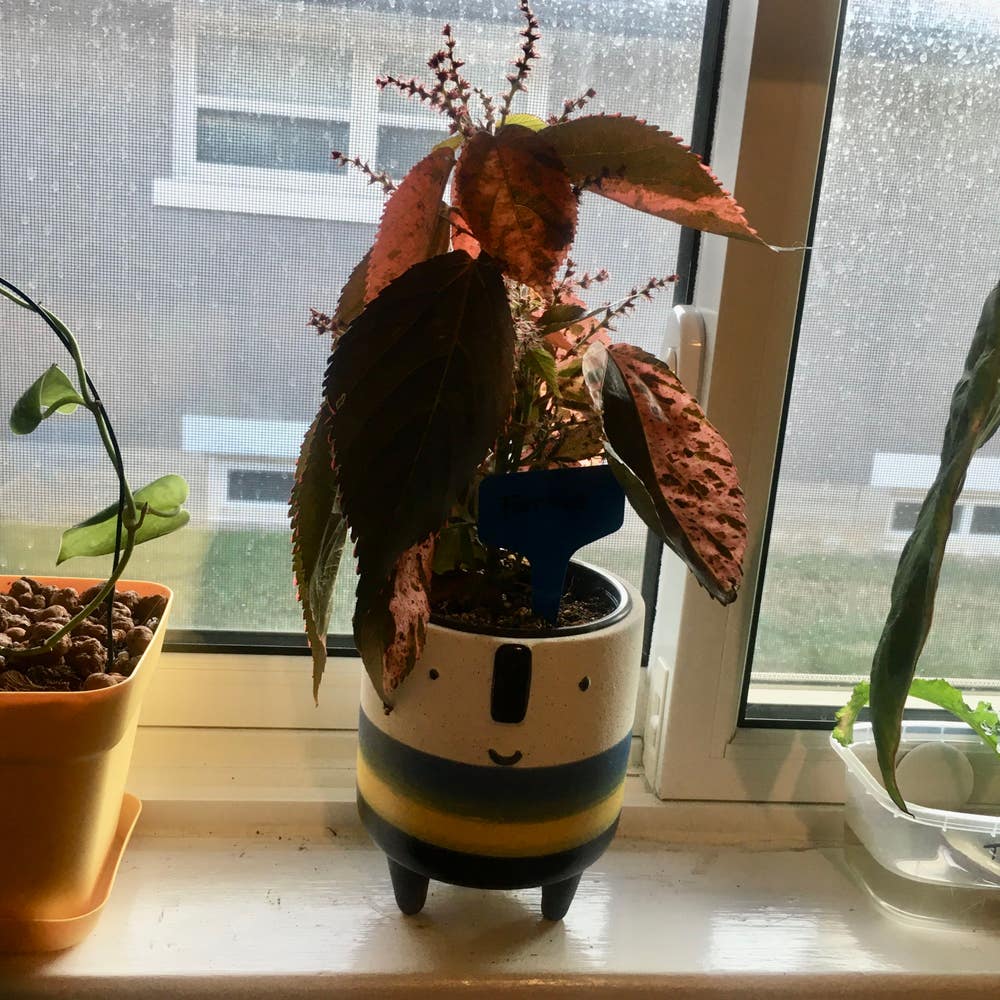
Everything You Need to Know About Acalypha noronhae
Acalypha noronhae
By the Greg Editorial Team
Feb 27, 2025•11 min read
This article was created with the help of AI so we can cover more plants for you. May contain errors. See one? Report it here.
Unlock the secrets to thriving Acalypha noronhae 🌱 and transform your garden into a vibrant tropical oasis!
- 🌞 Acalypha noronhae thrives in full sun to partial shade with high humidity.
- 🌱 Use well-draining, organic-rich soil with a pH of 6.0 to 7.0 for growth.
- ⚠️ Acalypha noronhae is toxic to pets; seek vet care if ingested.
How to Grow
Choosing a Location 🌞
Acalypha noronhae thrives in full sun to partial shade. Aim for temperatures between 20°C to 30°C (68°F to 86°F) and ensure high humidity levels of 60% or more for optimal growth.
Soil Preparation 🏞️
For soil, choose a well-draining mix rich in organic matter. The ideal pH is slightly acidic to neutral, ranging from 6.0 to 7.0, and make sure your pots or garden beds have adequate drainage.
Planting Techniques 🌱
When planting outdoors, space your Acalypha plants 18-24 inches apart. Be sure to plant them at the same depth as they were in their nursery pots.
Watering Requirements 🚰
Water your Acalypha when the top inch of soil feels dry. Use a thorough watering method, ensuring water drains from the bottom of the pot.
Fertilizing Schedule 🍽️
Utilize a balanced, water-soluble fertilizer with an NPK ratio of 10-10-10. Fertilize every 4-6 weeks during the growing season to support healthy growth.
Pruning and Maintenance ✂️
Prune your Acalypha in early spring before new growth begins. Focus on removing dead or damaged leaves and shaping the plant for a tidy appearance.
Ongoing Care 🔍
Regularly monitor your plant for signs of stress or disease. Adjust your watering and fertilizing practices based on seasonal changes to keep your Acalypha thriving.
With these guidelines, you’re well on your way to cultivating a vibrant Acalypha noronhae. Next, let’s explore how to propagate this beautiful plant!
Propagation
🌱 Methods of Propagation
Acalypha noronhae can be propagated through two primary methods: seeds and cuttings. Each method offers a unique approach to growing new plants, catering to different preferences and gardening styles.
📋 Step-by-Step Instructions for Each Method
1. Seeds (difficulty: easy)
- Start by sowing seeds about 1/4 inch deep in a well-draining seed-starting mix.
- Keep the soil moist and maintain a warm environment, ideally around 25°C (77°F), until germination occurs, which typically takes 7-14 days.
2. Cuttings (difficulty: moderate)
- For cuttings, take healthy 4-6 inch stems and dip the cut ends in rooting hormone to encourage root development.
- Place the cuttings in a moist potting mix and cover them with a plastic bag to create a humid environment, which is crucial for successful rooting.
With these straightforward methods, you can easily expand your Acalypha collection and enjoy the beauty of this vibrant plant in your garden.
As you embark on your propagation journey, remember that patience is key. Each method requires time and care, but the rewards of nurturing new plants are well worth the effort.
Lifecycle
Lifecycle Stages 🌱
The lifecycle of Acalypha noronhae unfolds in distinct stages. It begins with germination, which takes about 7-14 days for seeds to sprout.
Next comes the seedling stage, where the first true leaves emerge within 2-4 weeks. This is followed by a vigorous vegetative growth phase that lasts several months, showcasing the plant's rapid development.
Flowering typically occurs in late summer to early fall, adding vibrant color to your garden. After flowering, seeds develop, completing the cycle and preparing for the next generation.
Duration to Reach Maturity ⏳
So, how long does it take for Acalypha noronhae to reach maturity? Generally, it takes about 6-12 months, depending on the growing conditions.
The growth rate can be moderate to fast, influenced by factors like light, water, and nutrients. Providing optimal conditions will help your plant thrive and reach its full potential.
Lifespan 🌼
In optimal conditions, Acalypha noronhae can live for about 2-3 years. This lifespan allows you to enjoy its stunning foliage and vibrant blooms for multiple seasons.
Understanding the lifecycle of this plant not only enhances your gardening skills but also deepens your appreciation for its beauty. With the right care, you can witness its growth journey and enjoy the rewards it brings to your garden.
As we move forward, let's explore how to effectively propagate Acalypha noronhae to share its beauty with others.
Size
Mature Height and Spread 🌱
Acalypha noronhae can reach a mature height of 3 to 5 feet, making it a striking addition to any garden. Its spread typically ranges from 2 to 4 feet wide, allowing it to fill space beautifully without overwhelming nearby plants.
Growth Rate and Factors Affecting Size 📈
This plant exhibits a moderate growth rate, which can be influenced by several factors. Light, water, and nutrient availability play crucial roles in determining how quickly it grows and how large it ultimately becomes.
Size Variability 🌍
The size of Acalypha noronhae can vary significantly based on its growing conditions. Indoor plants may not reach the same dimensions as those grown outdoors, where they can take full advantage of sunlight and space.
As you consider adding this vibrant plant to your garden, keep in mind its potential size and growth habits. Understanding these factors will help you create a thriving environment for Acalypha noronhae, setting the stage for its stunning display.
Roots
Description of the Root System 🌱
Acalypha noronhae features a fibrous root system that is both shallow and spreading. This structure allows the plant to efficiently absorb nutrients and water from the upper layers of the soil.
Common Root-Related Issues ⚠️
Root rot is a significant concern, often caused by overwatering. Symptoms include wilting and yellowing leaves, signaling that the roots are struggling to function.
Another issue is becoming rootbound, which occurs when the roots fill the pot. Signs of this problem include stunted growth and roots visibly growing out of the drainage holes.
Visual Cues for Healthy vs. Unhealthy Roots 👀
Healthy roots are firm, white, and spread throughout the soil, indicating a thriving plant. In contrast, unhealthy roots appear dark, mushy, or may emit a foul smell, suggesting serious issues.
Tips for Managing Root Problems 🛠️
To prevent root rot, ensure your pots or garden beds have proper drainage and avoid overwatering. Regularly check for signs of rootbound plants by looking for roots growing out of the drainage holes, and consider repotting if necessary.
Understanding the root system of Acalypha noronhae is crucial for its overall health. With proper care and attention, you can keep your plant thriving and vibrant.
Benefits
🌿 Striking Ornamental Foliage
Acalypha noronhae boasts vibrant, eye-catching leaves that can elevate the aesthetic of any garden. Its unique foliage adds a tropical flair, making it a favorite among garden enthusiasts.
🐝 Attracts Pollinators
This plant is not just a pretty face; it plays a vital role in attracting pollinators like bees and butterflies. By incorporating Acalypha into your garden, you contribute to local biodiversity and support the ecosystem.
🌴 Ideal for Tropical Landscaping
Acalypha noronhae thrives in warm, humid conditions, making it perfect for tropical landscaping. Its lush appearance can transform any outdoor space into a vibrant paradise.
🌳 Provides Shade and Shelter
The dense growth of Acalypha offers shade and shelter for smaller plants. This can help create a microclimate that benefits your garden's overall health and diversity.
💪 Symbol of Resilience
This plant symbolizes resilience and adaptability, thriving in various conditions. Its robust nature serves as a reminder of the beauty of persistence in tropical environments.
Incorporating Acalypha noronhae into your garden not only enhances its beauty but also supports the ecosystem and promotes a thriving environment. Next, let’s explore the best companion plants that can further enhance your gardening experience.
Companion Plants
🌱 Explanation of Companion Planting and Its Benefits
Companion planting is a gardening strategy that pairs plants together to enhance growth, improve pest management, and boost garden diversity. By choosing the right companions, you can create a thriving ecosystem that benefits all plants involved.
🌿 List of Compatible Companion Plants
- Caladium: This plant shares similar humidity and light requirements, making it a perfect match for Acalypha noronhae.
- Coleus: Known for its vibrant foliage, Coleus thrives in similar conditions and adds visual appeal to your garden.
- Ferns: These plants help maintain humidity levels, creating a lush environment that Acalypha loves.
🚫 Plants to Avoid
- Cacti: These drought-loving plants prefer dry conditions, which can conflict with Acalypha's need for moisture. Keeping them apart ensures both can thrive without competing for resources.
By carefully selecting companion plants, you can enhance the beauty and health of your Acalypha noronhae while creating a vibrant garden space. Next, let’s explore the potential toxicity of this plant to humans and pets.
Toxicity to Humans
🧐 Identification of Toxic Parts
Acalypha noronhae is not just a pretty face; all parts of this plant are toxic, with the leaves and sap being particularly hazardous. It's crucial to handle this plant with care to avoid any accidental exposure.
🤢 Symptoms of Poisoning
If ingested, symptoms can manifest as nausea, vomiting, diarrhea, abdominal pain, dizziness, and confusion. These reactions can vary in severity, so it's essential to stay vigilant.
🚑 Guidance on Seeking Medical Care
Should ingestion occur or symptoms develop, seek immediate medical attention. Quick action can make a significant difference in recovery, so don’t hesitate to reach out for help.
This plant's beauty comes with responsibility, so always keep it out of reach of curious hands!
Toxicity to Dogs
Identification of Toxic Parts 🐶
Acalypha noronhae is toxic to dogs, with all parts of the plant posing a risk. The leaves and sap are particularly harmful, so it's essential to keep your furry friends away from this plant.
Symptoms of Poisoning 🤢
If a dog ingests any part of the plant, watch for symptoms such as drooling, vomiting, diarrhea, weakness, and tremors. These signs can indicate serious distress, so prompt attention is necessary.
Importance of Seeking Veterinary Care 🏥
If you suspect your dog has eaten Acalypha noronhae, seek veterinary care immediately. Quick action can make a significant difference in your pet's recovery and overall health.
By being aware of the toxicity of this plant, you can help ensure a safe environment for your canine companions. Always monitor your pets around plants and consult your vet if you have any concerns.
Toxicity to Cats
Identification of Toxic Parts 🐾
All parts of Acalypha noronhae are toxic to cats, with the leaves being particularly harmful. It's crucial to keep this plant out of reach to prevent any accidental ingestion.
Symptoms of Poisoning 🤢
If a cat consumes any part of this plant, symptoms may include drooling, vomiting, diarrhea, weakness, and tremors. These signs can vary in severity, so it's important to monitor your pet closely.
Importance of Seeking Veterinary Care 🏥
If you suspect your cat has ingested Acalypha noronhae, seeking immediate veterinary care is essential. Quick action can make a significant difference in your cat's recovery and overall health.
Problems
Common Problems Faced 🌱
Growing Acalypha noronhae can be rewarding, but it comes with its share of challenges.
- Incorrect watering: Overwatering can lead to root rot, while underwatering causes wilting.
- Incorrect light conditions: Insufficient light results in leggy growth, making the plant look sparse.
- Incorrect temperature: Exposure to cold drafts can stunt growth and affect overall health.
Identification and Causes of Issues 🔍
Identifying problems early is crucial for the health of your plant.
- Diseases: Fungal issues like powdery mildew and black rot can develop if conditions are too humid or wet.
- Leaf issues: Yellowing leaves often indicate nutrient deficiency or overwatering, signaling that something is off.
Solutions and Recovery Steps 🛠️
Fortunately, many issues can be resolved with a few adjustments.
- Adjust watering practices: Check soil moisture regularly and water accordingly.
- Increase light exposure: If your plant appears leggy, move it to a brighter location.
- Treat fungal diseases: Use appropriate fungicides to combat any fungal infections.
By staying attentive to these common problems, you can ensure your Acalypha noronhae thrives beautifully. Next, let’s explore the potential pests that could threaten your plant's health.
Bugs
Potential Pest Issues 🐜
Acalypha noronhae can be susceptible to various pests that may threaten its health. Keeping an eye out for these invaders is crucial for maintaining a thriving plant.
Identification of Pests and Damage Caused 🔍
Spider mites are a common nuisance, leaving fine webbing and stippled leaves in their wake. On the other hand, mealybugs appear as cotton-like masses on stems and leaves, indicating a serious infestation.
Effective Treatment Options 💪
To combat these pests, consider using insecticidal soap or neem oil, both of which are effective treatments. Regular inspections of your plants will help catch any early signs of infestation before they escalate into bigger problems.
By staying vigilant and proactive, you can ensure your Acalypha noronhae remains healthy and vibrant. Next, let's explore what animals might be interested in munching on this beautiful plant.
What Eats Acalypha noronhae
🦌 Common Animals That May Damage
Acalypha noronhae can attract a variety of hungry critters. Deer are particularly fond of this plant, leaving behind chewed leaves and broken stems as evidence of their feasting.
Rabbits also enjoy nibbling on the lower leaves, which can lead to noticeable damage if they decide to make your garden their buffet.
🐾 Signs of Animal Presence
Keep an eye out for signs that animals are visiting your Acalypha. Squirrels often leave scratches on the soil and may cause missing foliage as they scavenge for snacks.
Groundhogs can be more destructive, disturbing the soil and causing significant plant loss. Their presence is usually marked by noticeable digging and a lack of foliage.
🚫 Methods for Deterring or Managing
To protect your Acalypha from these hungry animals, consider using fencing or repellents to create a barrier.
Organic deterrents like garlic spray can be effective, as can motion-activated devices that startle animals away. These strategies can help keep your plant thriving and safe from unwanted visitors.
⚠️ Safety First
This content is for general information and may contain errors, omissions, or outdated details. It is not medical, veterinary advice, or an endorsement of therapeutic claims.
Always consult a qualified healthcare professional before using any plant as food, medicine, or supplement.
Never eat any plant (or feed one to pets) without confirming its identity with at least two trusted sources.
If you suspect poisoning, call Poison Control (800) 222-1222, the Pet Poison Helpline (800) 213-6680, or your local emergency service immediately.
Spotted an error? Please report it here.
Unlock the vibrant potential of your Acalypha noronhae 🌿 with Greg's tailored care tips and watering reminders, ensuring your plant thrives beautifully in your garden!