Ultimate Guide to Acalypha matsudae
Acalypha matsudae
By the Greg Editorial Team
Feb 27, 2025•11 min read
This article was created with the help of AI so we can cover more plants for you. May contain errors. See one? Report it here.
Elevate your garden's beauty and air quality with Acalypha matsudae's vibrant foliage! 🌱✨
- 🌞 Acalypha matsudae needs 4-6 hours of sunlight for optimal growth.
- 🌱 Water when the top inch of soil is dry to promote healthy roots.
- ⚠️ This plant is toxic to pets and humans, causing nausea and vomiting.
How to Grow
Choosing a Location 🌞
Acalypha matsudae thrives in full sun to partial shade, requiring 4-6 hours of direct sunlight daily. For optimal growth, maintain temperatures between 20°C to 30°C (68°F to 86°F) and ensure high humidity levels of 50% or more.
Soil Preparation 🌱
Prepare well-draining soil rich in organic matter for your Acalypha. Aim for a slightly acidic to neutral pH, ideally between 6.0 and 7.0, and ensure proper drainage to prevent root rot.
Planting Techniques 🌿
When planting outdoors, space your Acalypha matsudae 18-24 inches apart. Plant them at the same depth as they were in their nursery containers, ideally in spring after the last frost.
Watering Requirements 💧
Water your Acalypha when the top inch of soil feels dry. Use a deep watering method to encourage robust root growth, but avoid waterlogging to keep the roots healthy.
Fertilizing Schedule 🌼
Use a balanced NPK fertilizer (10-10-10) to nourish your plants. Fertilize every 4-6 weeks during the growing season for best results.
Pruning and Maintenance ✂️
Prune your Acalypha matsudae in early spring before new growth begins. Focus on removing dead or damaged leaves and shaping the plant for a tidy appearance.
Ongoing Care 🔍
Regularly monitor your plants for pests and diseases to catch any issues early. Adjust your watering and fertilization routines based on seasonal changes to keep your Acalypha thriving.
With these tips, you'll be well on your way to cultivating a vibrant Acalypha matsudae that enhances your garden's beauty. Next, let's explore how to propagate this stunning plant!
Propagation
🌱 Seed Propagation
To start your Acalypha matsudae from seeds, soak them in water for 24 hours before planting. This simple step helps kickstart the germination process, which thrives in a warm and humid environment.
✂️ Cutting Propagation
For those who prefer cuttings, choose healthy stems that are 4-6 inches long. Place these cuttings in a moist potting mix, ensuring they stay hydrated until roots develop.
🔪 Division Propagation
Dividing your Acalypha matsudae is best done every 2-3 years during spring. Carefully separate the root clumps and replant them to encourage new growth and vitality.
This propagation guide will help you expand your collection of Acalypha matsudae, ensuring you have plenty of these stunning plants to enjoy. Next, let’s explore the lifecycle of this vibrant species.
Lifecycle
🌱 Lifecycle Stages
The lifecycle of Acalypha matsudae unfolds in distinct stages: seed or cutting, germination, seedling, vegetative growth, flowering, and seed production. Each phase is crucial for the plant's development and overall health.
⏳ Germination Timeline
Under optimal conditions, germination takes about 7-14 days. This quick turnaround sets the stage for a vibrant growth journey.
📅 Lifespan
Typically, Acalypha matsudae thrives for 3-5 years when cared for properly. This longevity allows gardeners to enjoy its beauty for several seasons.
⚡ Growth Rate
This plant is known for its fast growth, often reaching maturity within 6-12 months. With the right conditions, you’ll witness its rapid transformation from a small seedling to a lush, full-grown plant.
As you embark on your journey with Acalypha matsudae, understanding its lifecycle will help you provide the best care possible. Next, let’s explore how to effectively propagate this stunning plant.
Size
Mature Dimensions 🌱
Acalypha matsudae can reach a mature height of 2 to 4 feet, making it a striking addition to any garden. Its spread typically ranges from 2 to 3 feet wide, allowing it to fill space effectively without overwhelming nearby plants.
Growth Rate ⚡️
This plant is known for its fast growth rate, thriving under optimal conditions. Factors such as light, water, and nutrient availability significantly influence how quickly it reaches its full potential.
Size Variability 📏
The size of Acalypha matsudae can vary depending on its growing environment. Plants in containers may remain smaller compared to those planted directly in the garden, where they can spread out and grow more freely due to better access to resources.
As you consider incorporating Acalypha matsudae into your space, keep in mind these size characteristics to ensure it fits well with your overall garden design. Next, let’s explore the root system of this fascinating plant and how it contributes to its growth and health.
Roots
Root System Characteristics 🌱
Acalypha matsudae features a fibrous root system that spreads widely, allowing it to absorb nutrients efficiently. These roots are typically shallow, spreading horizontally rather than deep, which is crucial for its growth in various soil types.
Common Root-Related Issues ⚠️
Root rot is a significant concern for this plant, often caused by overwatering and poor drainage. Additionally, plants can become rootbound when their roots fill the container, restricting growth and nutrient uptake.
Visual Cues for Healthy vs. Unhealthy Roots 👀
Healthy roots are firm, white, and spread throughout the soil, indicating a well-established plant. In contrast, unhealthy roots may appear dark, mushy, or emit a foul smell, signaling potential problems that need addressing.
Tips for Managing Root Problems 🛠️
To recognize rootbound plants, look for roots growing out of the drainage holes. If you encounter this issue, consider repotting into a larger container or dividing the plant to promote healthier growth.
Understanding the root system of Acalypha matsudae is essential for ensuring its longevity and vitality. With proper care and attention, you can prevent common root issues and enjoy a thriving plant.
Next, let’s explore the numerous benefits this beautiful plant brings to your garden and home.
Benefits
Top Benefits 🌟
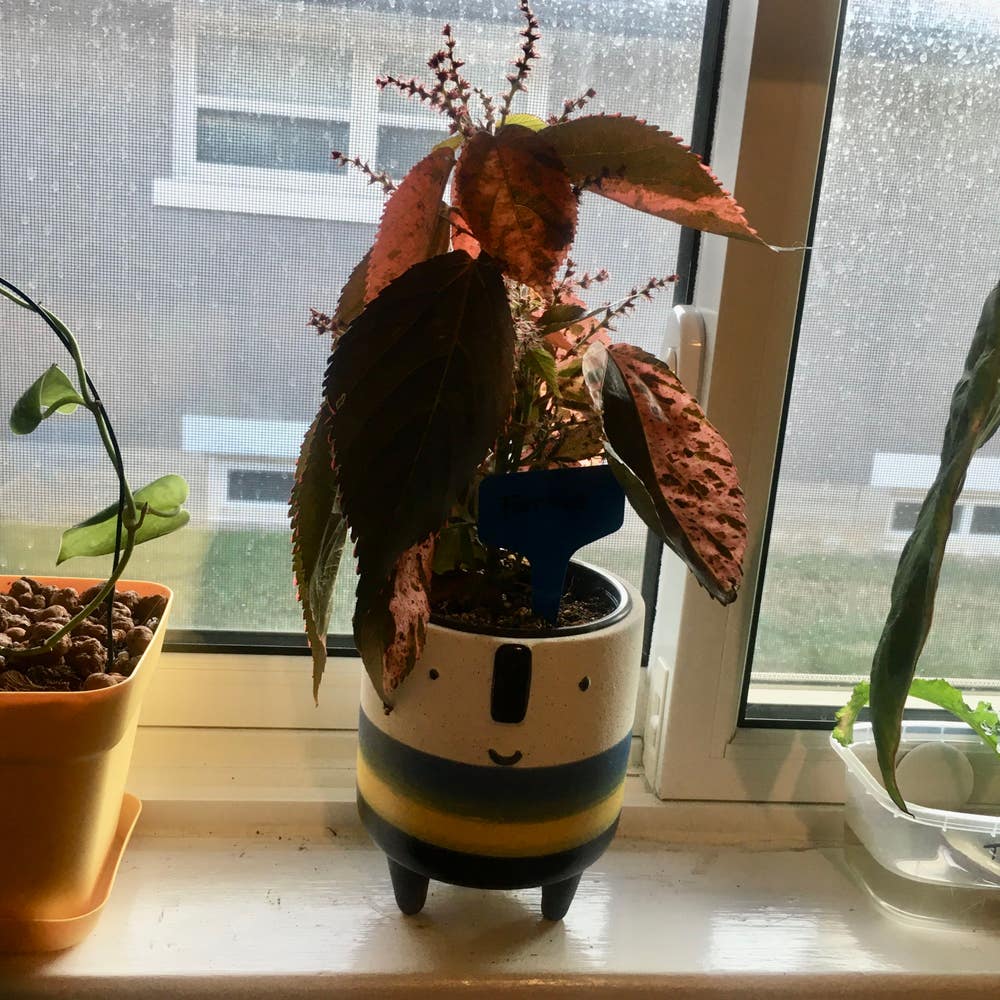
Acalypha matsudae is not just a pretty face in the garden; its striking foliage can truly enhance your outdoor aesthetics. The vibrant leaves add a splash of color, making it a fantastic focal point in any landscape.
Beyond looks, this plant also contributes to improved indoor air quality. Its ability to purify the air makes it a great choice for indoor spaces, promoting a healthier environment.
Culturally, Acalypha matsudae is associated with prosperity and good fortune. Incorporating it into your garden can bring a sense of positivity and abundance.
Another benefit is its role in attracting beneficial insects. This plant provides a habitat for pollinators, which are essential for a thriving garden ecosystem.
Versatility is another key advantage. Acalypha matsudae can thrive in borders, containers, or as a standalone feature, making it suitable for various gardening styles and spaces.
In summary, Acalypha matsudae offers aesthetic appeal, air purification, cultural significance, ecological benefits, and versatility. It's a plant that not only beautifies but also enriches your gardening experience.
As we explore further, let's dive into the fascinating world of companion plants that can enhance the growth and health of Acalypha matsudae.
Companion Plants
🌱 Companion Planting Benefits
Companion planting is a fantastic way to enhance garden diversity and promote healthy growth. By strategically pairing plants, you can create a thriving ecosystem that supports your Acalypha matsudae.
🌼 Best Companion Plants
When considering companions for Acalypha matsudae, look for plants like Coleus, Caladium, and Ferns. These options share similar light and water needs, making them ideal partners while also helping to deter pests.
🚫 Plants to Avoid
Be cautious of heavy feeders that may compete for nutrients with your Acalypha. Plants that require significant resources can hinder growth and overall health, so it's best to keep them at a distance.
Incorporating the right companions can elevate your gardening experience, ensuring your Acalypha matsudae flourishes alongside its friends. Next, let’s explore the toxicity of Acalypha matsudae to humans, dogs, and cats, ensuring you’re well-informed about any potential risks.
Toxicity to Humans
🌿 Toxic Parts
Acalypha matsudae contains toxic parts, primarily its leaves and sap. Handling these parts can pose health risks, so it's essential to be cautious.
🤢 Symptoms of Poisoning
If ingested or improperly handled, symptoms of poisoning may include nausea, vomiting, diarrhea, abdominal pain, dizziness, and confusion. These reactions can vary in severity depending on the amount of exposure.
🚪 Routes of Exposure
Exposure can occur through various routes: ingestion of the plant, skin contact with its sap, or inhalation of smoke from burning the plant. Awareness of these routes is crucial for prevention.
🚑 Seeking Medical Care
If you suspect poisoning, seeking immediate medical attention is vital. Quick action can significantly improve outcomes and ensure safety.
Toxicity to Dogs
Toxic Parts 🐶
Acalypha matsudae poses a risk to dogs, particularly its leaves and stems. These parts contain compounds that can lead to adverse reactions if ingested.
Symptoms of Poisoning 🤢
If a dog consumes any part of this plant, watch for symptoms such as drooling, vomiting, diarrhea, weakness, and tremors. These signs indicate that your furry friend may need immediate attention.
Prevention Measures 🛡️
To keep your dog safe, supervise their outdoor time and consider removing Acalypha matsudae from accessible areas. This simple step can prevent potential poisoning incidents.
Importance of Veterinary Care 🏥
If you suspect your dog has ingested this plant, seek veterinary help without delay. Prompt action can make a significant difference in your pet's recovery.
By being aware of the toxicity of Acalypha matsudae, you can enjoy your gardening while ensuring your dog's safety. Next, let’s explore how this plant can impact your feline friends.
Toxicity to Cats
🌿 Toxic Parts
Acalypha matsudae poses a risk to cats, primarily due to its leaves and sap. These parts contain compounds that can lead to adverse reactions if ingested.
🤢 Symptoms of Poisoning
If a cat consumes any part of this plant, symptoms may include drooling, vomiting, diarrhea, weakness, and tremors. It's crucial to monitor your feline friend closely for these signs.
🛡️ Prevention Measures
To keep your cat safe, consider keeping them indoors and supervising their outdoor time. This simple step can prevent accidental ingestion of harmful plants.
🏥 Importance of Veterinary Care
If you suspect your cat has ingested Acalypha matsudae, seek veterinary attention immediately. Prompt care can make a significant difference in recovery outcomes.
By staying informed and taking preventive measures, you can enjoy the beauty of Acalypha matsudae while keeping your furry companions safe.
Problems
Common Problems 🌱
Acalypha matsudae can face a few common challenges that every gardener should be aware of.
- Overwatering: This is a frequent issue, leading to yellowing leaves and root rot.
- Underwatering: If the plant is thirsty, you’ll notice wilting and dry leaf edges.
- Incorrect light conditions: Too much or too little light can cause leaf scorch or leggy growth.
Identifying Symptoms 🔍
Recognizing the symptoms of these problems early can save your plant.
- Leaf discoloration: This can indicate overwatering or nutrient deficiencies.
- Stunted growth: If your plant isn’t thriving, it may be a sign of incorrect care.
Solutions for Common Issues 🛠️
Addressing these problems promptly will help your Acalypha matsudae flourish.
- Overwatering: Allow the soil to dry out before watering again. This helps prevent root rot.
- Underwatering: Increase your watering frequency and regularly check soil moisture.
- Light issues: Adjust the plant's location to ensure it receives optimal light exposure.
By staying vigilant and responsive to these common problems, you can maintain a healthy and vibrant Acalypha matsudae. Next, let’s explore the pests that might invade your plant and how to deal with them effectively.
Bugs
Common Pests 🐜
Acalypha matsudae can attract a few pesky pests that may hinder its growth.
- Spider Mites: Look for webbing and stippled leaves as signs of their presence.
- Scale Insects: These can be identified by sticky residue and small bumps on the stems.
- Mealybugs: You'll spot them as white, cotton-like masses on leaves and stems.
Identification and Damage 🔍
Identifying these pests early can save your plant from significant damage.
- Spider Mites: They suck the sap, leading to yellowing leaves and reduced vigor.
- Scale Insects: They can weaken the plant by feeding on its sap, causing leaves to drop.
- Mealybugs: These pests also sap nutrients, leading to stunted growth and potential die-off.
Treatment Options 💊
Dealing with pests doesn't have to be daunting.
- Insecticidal Soap: This is effective against many soft-bodied insects, including mealybugs and spider mites.
- Neem Oil: A natural remedy that disrupts the life cycle of pests while being safe for your plant.
- Beneficial Insects: Introducing ladybugs or lacewings can help control pest populations naturally.
By keeping an eye on your Acalypha matsudae and acting quickly, you can maintain its health and beauty. Next, let's explore how to effectively manage any potential problems that may arise in your gardening journey.
What Eats
🦌 Common Garden Animals
Acalypha matsudae can attract a variety of garden animals. Keep an eye out for deer, rabbits, squirrels, and rodents, as they may find your plants irresistible.
🔍 Signs of Damage
Damage from these animals can be quite noticeable. Look for chewed leaves, droppings scattered around, and tracks that indicate their presence in your garden.
🚫 Deterrent Methods
To protect your plants, consider both chemical and organic control methods. Fencing can create a physical barrier, while repellents and companion planting strategies can help keep these hungry visitors at bay.
By implementing these deterrents, you can enjoy your Acalypha matsudae without the worry of unwanted nibblers. Next, let’s explore the common problems that can affect your plant's health.
⚠️ Safety First
This content is for general information and may contain errors, omissions, or outdated details. It is not medical, veterinary advice, or an endorsement of therapeutic claims.
Always consult a qualified healthcare professional before using any plant as food, medicine, or supplement.
Never eat any plant (or feed one to pets) without confirming its identity with at least two trusted sources.
If you suspect poisoning, call Poison Control (800) 222-1222, the Pet Poison Helpline (800) 213-6680, or your local emergency service immediately.
Spotted an error? Please report it here.
Cultivate a thriving Acalypha matsudae 🌿 with Greg's tailored care reminders and watering plans, ensuring your plant flourishes beautifully while enhancing your garden's air quality!