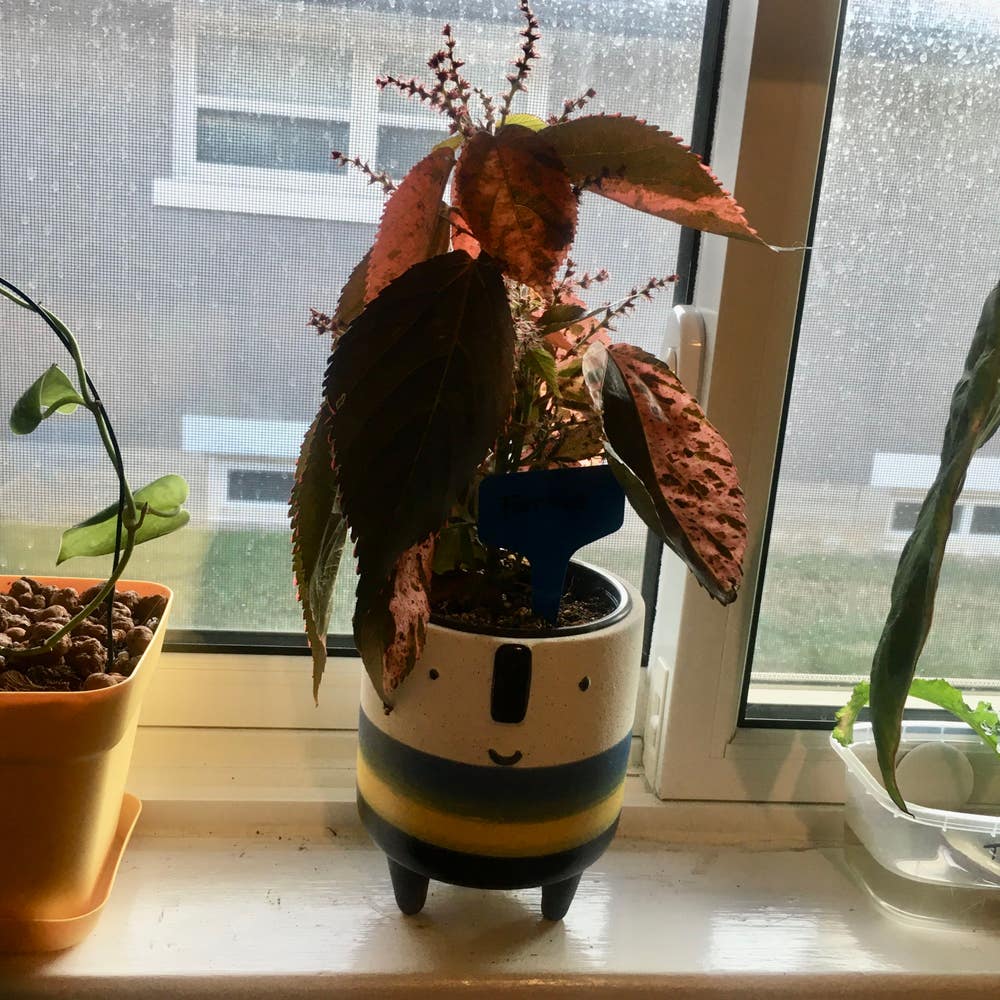
Understanding Acalypha lyonsii: The Basics
Acalypha lyonsii
By the Greg Editorial Team
Feb 27, 2025•13 min read
This article was created with the help of AI so we can cover more plants for you. May contain errors. See one? Report it here.
- 🌞 Acalypha lyonsii thrives in bright, indirect sunlight and tolerates partial shade.
- 🌱 Maintain humidity and temperatures between 20°C to 30°C for optimal growth.
- 💧 Water when the top inch of soil is dry to prevent root rot.
How to Grow
Choosing a Location 🌞
Acalypha lyonsii thrives in bright, indirect sunlight but can tolerate partial shade. For optimal growth, maintain warm temperatures between 20°C to 30°C (68°F to 86°F) and ensure high humidity, which can be achieved with a humidifier or a pebble tray.
Soil Preparation 🌱
Use a well-draining soil rich in organic matter to support healthy growth. Aim for a slightly acidic to neutral pH range of 6.0 to 7.0, and always ensure good drainage to prevent root rot.
Planting Techniques 🌿
When planting, space your Acalypha plants 18-24 inches apart to allow for adequate airflow. Be sure to plant them at the same depth as they were in their nursery containers for best results.
Watering Requirements 💧
Water your Acalypha when the top inch of soil feels dry to the touch. Avoid overwatering by ensuring you water thoroughly until it drains from the bottom of the pot.
Fertilizing Schedule 🌼
For fertilization, use a balanced, water-soluble fertilizer. Apply it every 4-6 weeks during the growing season to keep your plants nourished.
Pruning and Maintenance ✂️
Prune your Acalypha in early spring to encourage bushier growth. Focus on removing dead or damaged leaves and trimming back any leggy growth to maintain a healthy appearance.
Ongoing Care 🔍
Regularly monitor your plants for pests and signs of stress. Adjust your watering and fertilizing practices based on seasonal changes to ensure your Acalypha remains healthy year-round.
With these guidelines, you'll be well on your way to cultivating a thriving Acalypha lyonsii. Next, let’s explore how to propagate this beautiful plant effectively.
Propagation
🌱 Methods of Propagation
Acalypha lyonsii can be propagated through two primary methods: seeds and cuttings. Both techniques are relatively straightforward and can yield healthy new plants.
📝 Step-by-Step Instructions for Each Method
Seeds:
- Start by sowing seeds about 1/4 inch deep in a seed tray filled with a well-draining medium.
- Keep the soil consistently moist and maintain a warm environment around 25°C (77°F) for optimal germination.
- Expect germination to take about 2-3 weeks.
Cuttings:
- For cuttings, take 4-6 inch sections from healthy stems and dip the cut ends in rooting hormone.
- Place the cuttings in a pot filled with a mix of peat and perlite to encourage root development.
- Keep the soil moist and provide indirect light; rooting typically takes 2-4 weeks.
⏰ Timing and Conditions for Successful Propagation
The best time to propagate Acalypha lyonsii is during spring or early summer. This timing aligns with the plant's active growth phase, enhancing the chances of successful propagation.
By following these methods and tips, you can easily expand your collection of Acalypha lyonsii, bringing more vibrant foliage into your space. Now that you have the basics of propagation down, let’s explore the lifecycle of this fascinating plant.
Lifecycle
🌱 Lifecycle Stages
The lifecycle of Acalypha lyonsii unfolds in distinct stages. It begins with germination, where seeds sprout within 2-3 weeks under optimal conditions.
Following germination, the plant enters the seedling stage, developing true leaves in about 4-6 weeks. This is a crucial period as the plant establishes its foundation.
🌿 Vegetative Growth
Next comes the vegetative growth phase, characterized by rapid growth that can last several months. During this time, the plant focuses on building its structure and foliage.
As summer approaches, Acalypha lyonsii typically enters the flowering stage, which occurs in late summer to fall. This is when the plant showcases its vibrant blooms.
🌾 Seed Production
After flowering, the plant shifts to seed production, allowing you to collect seeds for future planting. This stage is essential for propagation and maintaining the plant's lineage.
⏳ Duration to Reach Maturity
So, how long does it take for Acalypha lyonsii to reach maturity? Generally, it takes about 6-12 months to grow fully.
The growth rate is moderate, with the potential to reach up to 2 feet in a season under ideal conditions. This makes it a rewarding plant for both novice and experienced gardeners.
🌳 Lifespan
With proper care, Acalypha lyonsii can live for several years. Its longevity adds to its appeal, making it a fantastic addition to your garden or indoor space.
As you nurture this plant through its lifecycle, you'll witness its transformation and beauty, enhancing your gardening experience. Next, let’s explore the size of Acalypha lyonsii and what to expect as it matures.
Size
Mature Height and Spread 🌱
Acalypha lyonsii typically reaches a mature height of 2 to 4 feet. Its spread can extend 2 to 3 feet wide, making it a substantial addition to any garden or indoor space.
Growth Rate and Factors Affecting Size 📈
This plant has a moderate growth rate, which can be influenced by several factors. Light, water, and nutrient availability play crucial roles in determining how quickly Acalypha lyonsii grows, with conditions varying significantly between indoor and outdoor environments.
Understanding these aspects can help you optimize your care routine, ensuring your plant thrives to its full potential. As you nurture it, keep an eye on how these factors interact to achieve the best results.
Roots
Characteristics of the Root System 🌱
Acalypha lyonsii features a fibrous root system that is essential for its stability and nutrient uptake. Typically, these roots grow 12-18 inches deep and can extend laterally up to 2 feet, allowing the plant to access moisture and nutrients effectively.
Common Root-Related Issues ⚠️
Root health is crucial for the overall vitality of Acalypha lyonsii. Overwatering can lead to root rot, characterized by wilting and yellowing leaves. Conversely, if the roots fill the pot, the plant becomes rootbound, showing signs like stunted growth and circling roots.
Visual Cues for Healthy vs. Unhealthy Roots 👀
Identifying root health is straightforward. Healthy roots are firm, white, and spread throughout the soil, indicating good aeration and moisture. In contrast, unhealthy roots appear brown, mushy, or emit a foul smell, signaling potential problems.
Tips for Managing Root Health 🛠️
To maintain optimal root health, regularly check for rootbound conditions. If you notice roots growing out of drainage holes, it’s time to act. Solutions include repotting into a larger container or trimming back the roots to encourage new growth.
Understanding the root system of Acalypha lyonsii is vital for its care and longevity. With proper attention to root health, you can ensure your plant thrives beautifully.
Benefits
Top 5 Benefits of Acalypha lyonsii 🌿
1. Aesthetic Appeal
Acalypha lyonsii brings vibrant colors and unique textures to your garden. Its striking foliage can elevate any landscape, making it a favorite among plant enthusiasts.
2. Air Purification
This plant is not just a pretty face; it also helps improve indoor air quality. By filtering out toxins, it contributes to a healthier living environment.
3. Versatility
Whether you have a spacious garden or a cozy balcony, Acalypha lyonsii thrives in both outdoor and container settings. Its adaptability makes it a great choice for various gardening styles.
4. Low Maintenance
Once established, this plant requires minimal care. Its resilience means you can enjoy its beauty without constant attention.
5. Cultural Significance
In its native regions, Acalypha lyonsii is often used in traditional practices. This adds a layer of cultural richness to your gardening experience.
Acalypha lyonsii is more than just a decorative plant; it offers numerous benefits that enhance both your space and well-being. Ready to explore how to grow it? Let’s dive into the next section!
Companion Plants
🌱 Companion Planting
Companion planting is a fantastic way to enhance garden diversity and promote healthy growth. By pairing plants that support each other, you can create a thriving ecosystem in your garden.
🌼 Compatible Companion Plants
When growing Acalypha lyonsii, consider these compatible companions:
- Coleus: This vibrant plant shares similar light and water needs, adding visual appeal to your garden.
- Ferns: They provide humidity and shade, helping to retain moisture around Acalypha.
- Marigolds: Known for their pest-repellent properties, marigolds can deter harmful insects that might target your Acalypha.
🚫 Plants to Avoid
While some plants thrive alongside Acalypha, others can cause issues. Avoid planting members of the cabbage family, as they may attract pests that can negatively impact your Acalypha.
By carefully selecting companion plants, you can create a harmonious garden that not only looks great but also supports the health of your Acalypha lyonsii. This thoughtful approach to planting can lead to a more resilient and vibrant garden overall.
Next, let’s explore the potential irritants associated with Acalypha lyonsii and how to handle them safely.
Toxicity to Humans
Potential Irritants 🌿
Acalypha lyonsii can be a bit tricky when it comes to handling. The leaves and sap contain compounds that may cause skin irritation, so it's wise to be cautious.
Symptoms of Irritation 🚨
If you come into contact with the plant, you might experience skin rashes, itching, or even mild gastrointestinal upset. These symptoms can arise from skin contact, ingestion, or exposure to the sap.
Guidance on Medical Care 🩺
Most cases of irritation are self-limiting, but if symptoms persist or worsen, it's best to seek medical attention. Staying informed can help you manage any discomfort effectively.
Tips for Safe Handling 🧤
To keep your experience with Acalypha lyonsii pleasant, wear gloves when handling the plant. Always wash your hands thoroughly after contact to minimize any risk of irritation.
With these precautions, you can enjoy the beauty of this plant without worry. Next, let’s explore how Acalypha lyonsii affects our furry friends, particularly dogs.
Toxicity to Dogs
⚠️ Potential Irritants
Acalypha lyonsii can be mildly irritating to dogs, primarily due to its leaves and sap. The plant contains compounds that may cause discomfort if ingested or if the sap comes into contact with the skin.
🤢 Symptoms of Irritation
If your dog has interacted with this plant, watch for symptoms like drooling, pawing at the mouth, or mild vomiting. These reactions typically occur from ingesting the plant material or exposure to the sap.
🩺 Guidance on Veterinary Care
Most cases of irritation are self-limiting, but it's wise to seek veterinary care if symptoms persist or worsen. Your vet can provide reassurance and treatment options if necessary.
🐶 Toxicity Level
Overall, Acalypha lyonsii is not classified as severely toxic to dogs. However, it can cause mild to moderate irritation, so it's best to keep an eye on your furry friend around this plant.
As you enjoy your gardening, remember to monitor your pets and ensure they don't munch on any potentially irritating plants. This simple precaution can help maintain a happy and healthy environment for both your plants and your pets.
Toxicity to Cats
Potential Irritants 🌿
Acalypha lyonsii can be a concern for our feline friends. The leaves and sap contain compounds that may cause mild irritation.
Symptoms of Irritation 🤢
If a cat comes into contact with this plant, you might notice symptoms like drooling, pawing at the mouth, or mild vomiting. These reactions typically occur from ingestion of the plant material or exposure to the sap.
Guidance on Veterinary Care 🩺
If your cat shows persistent symptoms or if they worsen, it's wise to seek veterinary care. Fortunately, most cases of irritation are self-limiting and resolve with minimal intervention.
Toxicity Level ⚠️
Overall, Acalypha lyonsii is not classified as severely toxic to cats. However, it can cause mild to moderate irritation, so it's best to keep this plant out of reach of curious paws.
As a responsible pet owner, being aware of potential irritants in your home can help ensure a safe environment for your furry companions.
Problems
Common Problems 🌱
Growing Acalypha lyonsii can come with its share of challenges.
- Incorrect watering: Overwatering can lead to root rot, while underwatering results in wilting.
- Incorrect light conditions: Insufficient light causes leggy growth, whereas too much direct sunlight can scorch the leaves.
- Incorrect temperature: Cold drafts can stunt growth; maintaining ideal temperatures is crucial.
- Diseases: Fungal issues like powdery mildew and rust can affect the foliage.
- Leaf issues: Yellowing leaves often indicate nutrient deficiency or overwatering.
Identification and Causes 🔍
Identifying problems early is key to keeping your plants healthy.
- Symptoms: Look for wilting, yellowing, or stunted growth.
- Causes: These issues often stem from environmental stress, pests, or diseases.
Solutions 🛠️
Fortunately, many problems have straightforward solutions.
- Adjust watering practices: Check soil moisture before watering to avoid over or underwatering.
- Move plants: Ensure they are in appropriate light conditions to promote healthy growth.
- Monitor for pests: Regularly inspect your plants and apply treatments as needed to keep pests at bay.
By staying vigilant and proactive, you can ensure your Acalypha lyonsii thrives beautifully. Next, let’s explore the potential pest issues that may arise with this plant.
Bugs
🐜 Potential Pest Issues
Acalypha lyonsii can face pest challenges, but it also shows some resistance to certain insects. Keeping an eye on your plant is essential to catch any issues early.
🔍 Identification of Pests
Identifying pests is the first step in managing them effectively. Here are some common culprits:
- Spider mites: Look for fine webbing and stippled leaves, which indicate their presence.
- Mealybugs: These pests appear as white, cottony masses on stems and leaves.
- Aphids: Small, green insects that cause leaf curling are a telltale sign of aphid activity.
🧪 Treatment Options
If you spot pests, don’t panic! There are effective treatment options available:
- Insecticidal soap or neem oil: Both are great choices for treating infestations.
- Beneficial insects: Introducing ladybugs can help control pest populations naturally.
By staying vigilant and taking action when needed, you can keep your Acalypha lyonsii healthy and thriving. Next, let’s explore what animals might be interested in snacking on your plant.
What Eats Acalypha lyonsii
🦌 Common Animals
Acalypha lyonsii can attract a variety of hungry critters.
- Deer: These graceful animals often leave behind chewed leaves and broken stems as evidence of their snacking.
- Rabbits: Look for signs of nibbling on the lower leaves, which indicates their presence.
- Squirrels: These playful creatures may dig around the base of the plant, searching for tasty roots or bulbs.
🕵️♂️ Signs of Animal Presence
Identifying animal visitors can be straightforward.
Chewed foliage, broken branches, and disturbed soil are all telltale signs that your Acalypha is being targeted.
🚫 Deterring Methods
Keeping these animals at bay requires a bit of strategy.
- Fencing: Erecting a fence can effectively keep larger animals like deer out of your garden.
- Repellents: Consider using natural repellents to deter rabbits and squirrels.
- Companion Planting: Planting strong-smelling herbs nearby can also help; many animals dislike the scent of herbs like rosemary or mint.
By taking these steps, you can protect your Acalypha lyonsii and enjoy its beauty without the worry of unwanted nibblers.
Next, let’s explore the potential pest issues that can affect this vibrant plant.
⚠️ Safety First
This content is for general information and may contain errors, omissions, or outdated details. It is not medical, veterinary advice, or an endorsement of therapeutic claims.
Always consult a qualified healthcare professional before using any plant as food, medicine, or supplement.
Never eat any plant (or feed one to pets) without confirming its identity with at least two trusted sources.
If you suspect poisoning, call Poison Control (800) 222-1222, the Pet Poison Helpline (800) 213-6680, or your local emergency service immediately.
Spotted an error? Please report it here.
Nurture your Acalypha lyonsii to thriving heights 🌱 with Greg's personalized care tips and watering reminders that keep your plant healthy and happy!