🌺 Overview of Acalypha longispicata
Acalypha longispicata
By the Greg Editorial Team
Feb 27, 2025•11 min read
This article was created with the help of AI so we can cover more plants for you. May contain errors. See one? Report it here.
Cultivate Acalypha longispicata effortlessly 🌱 and transform your garden into a vibrant oasis with stunning blooms!
- 🌞🌿 Acalypha longispicata thrives in full sun and prefers high humidity for optimal growth.
- 💧 Water regularly to keep soil moist and prevent root rot and disease.
- 🐾⚠️ Toxic to pets - keep away from dogs and cats to avoid health risks.
How to Grow
Choosing a Location 🌞
Acalypha longispicata thrives in full sun to partial shade. It loves high humidity, ideally around 60% or more, and prefers warm temperatures between 20°C to 30°C (68°F to 86°F).
Soil Preparation 🏞️
For optimal growth, use well-draining soil rich in organic matter. Aim for a slightly acidic to neutral pH, between 6.0 and 7.0, and ensure good drainage to prevent root rot.
Planting Techniques 🌱
When planting, space your Acalypha longispicata 18-24 inches apart to allow for healthy growth. Make sure to plant them level with the soil surface for best results.
Watering Requirements 💧
Keep the soil consistently moist but not soggy by watering regularly. Focus on watering at the base of the plant to prevent wetting the foliage, which can lead to disease.
Fertilizing Schedule 🌿
Use a balanced, slow-release fertilizer to nourish your plants. Fertilize every 4-6 weeks during the growing season to support robust growth.
Pruning Methods ✂️
Prune your Acalypha longispicata in late winter or early spring, just before new growth begins. Remove any dead or damaged leaves and spent flowers to encourage healthy development.
Ongoing Care 🔍
Regularly monitor your plants for signs of stress or disease. Adjust your care routine seasonally to meet changing environmental conditions, ensuring your plants stay healthy and vibrant.
With these guidelines, you’ll be well on your way to cultivating a thriving Acalypha longispicata that adds beauty and life to your garden. Next, let’s explore how to propagate this stunning plant!
Propagation
🌱 Seed Propagation
To start your Acalypha longispicata from seeds, soak them in water for 24 hours before planting. This simple step helps kickstart the germination process, which thrives in warm temperatures around 25°C (77°F).
✂️ Cutting Propagation
For those who prefer cuttings, select healthy stems that are 4-6 inches long. Use a rooting medium made of peat and perlite to encourage strong root development.
🔪 Division Propagation
Dividing your plants is a great way to propagate every 2-3 years in spring. Carefully separate the root clumps and replant them to ensure continued growth and vitality.
With these propagation methods, you can easily expand your Acalypha longispicata collection or share with friends. Next, let’s explore the lifecycle of this fascinating plant.
Lifecycle
Stages of Growth 🌱
Acalypha longispicata progresses through several distinct stages: seed or cutting, seedling, vegetative growth, flowering, and seed production. Each stage is crucial for the plant's development and overall health.
Germination Process and Timeline ⏳
Germination typically occurs within 7-14 days under optimal conditions. Providing the right warmth and moisture is key to kickstarting this exciting phase.
Lifespan and Growth Rate 📈
This plant is generally perennial, meaning it can last several years with proper care. Its growth rate is moderate, allowing it to reach maturity in about 6-12 months, making it a rewarding addition to your garden.
As you nurture Acalypha longispicata through its lifecycle, you'll witness its transformation and beauty, setting the stage for the next section on size.
Size
Mature Height and Spread 🌱
Acalypha longispicata typically reaches a mature height of 3 to 5 feet, making it a striking addition to any garden. Its spread ranges from 2 to 3 feet wide, allowing it to fill space without overwhelming neighboring plants.
Growth Rate and Factors Affecting Size 📈
This plant has a moderate growth rate, which means you won't be waiting ages for it to reach its full potential. Factors such as light, water, and nutrients play a crucial role in determining how quickly it grows, so keep these in check for optimal results.
Size Variability Based on Growing Conditions 🌍
The size of Acalypha longispicata can vary significantly depending on its growing conditions. For instance, plants in containers may not reach the same dimensions as those planted directly in garden beds, so consider your planting strategy carefully.
With the right care, you can enjoy the full beauty of this plant, enhancing your garden's aesthetic and biodiversity. Next, let's explore the fascinating root system characteristics of Acalypha longispicata.
Roots
Root System Characteristics 🌱
Acalypha longispicata features a fibrous root system that is both shallow and spreading. This structure allows the plant to efficiently absorb nutrients and water from the upper soil layers.
Common Root-Related Issues ⚠️
Root rot is a significant concern, often caused by overwatering. Signs include wilting and yellowing leaves, indicating that the roots are struggling to function properly.
Another issue is becoming rootbound, which occurs when the roots fill the pot and have no room to grow. Symptoms include stunted growth and a pot-bound appearance, signaling that it’s time for a change.
Tips for Managing Root Health 🛠️
To prevent rootbound conditions, repot your Acalypha every 1-2 years. This practice gives the roots ample space to expand and thrive.
Regular checks during repotting can help you assess root health. Look for signs of healthy, white roots versus brown, mushy ones that indicate problems.
By staying proactive about root care, you can ensure your Acalypha longispicata remains vibrant and healthy. This attention to detail will set the stage for a flourishing plant that enhances your garden's beauty.
Next, we’ll explore the benefits of Acalypha longispicata, highlighting its aesthetic appeal and ecological contributions.
Benefits
Aesthetic Appeal 🌺
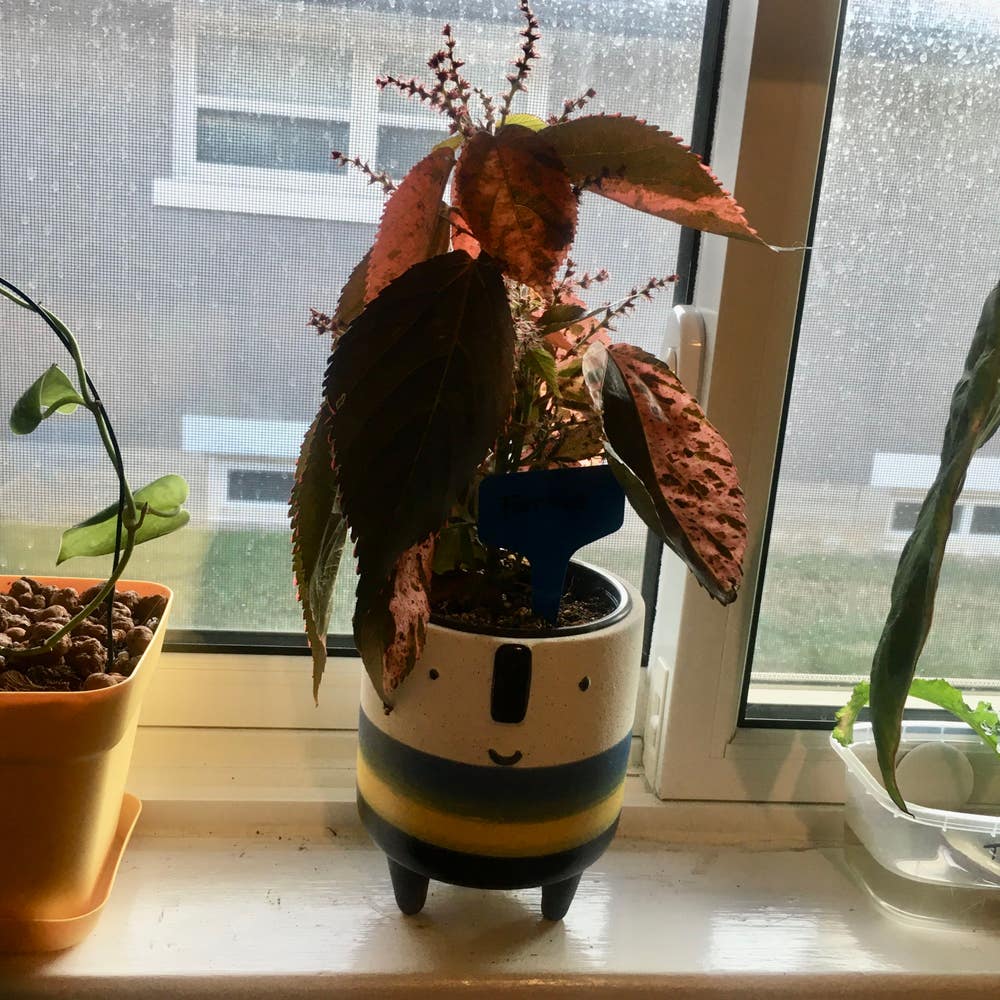
Acalypha longispicata is a visual delight, boasting striking foliage and vibrant flower spikes that can elevate any garden's beauty. Its lush green leaves and unique blooms create a stunning focal point, making it a favorite among garden enthusiasts.
Attracts Beneficial Pollinators 🐝
This plant is not just a pretty face; it actively draws in beneficial pollinators like bees and butterflies. By incorporating Acalypha longispicata into your garden, you contribute to a healthier ecosystem and promote biodiversity.
Potential for Use in Traditional Medicine 🌿
Historically, Acalypha longispicata has been utilized in various herbal remedies. Its leaves and stems are believed to possess medicinal properties, showcasing the plant's versatility beyond mere decoration.
Symbolism in Various Cultures 🎉
In some cultures, Acalypha longispicata symbolizes prosperity and abundance. This cultural significance adds an enriching layer to its presence in gardens, making it more than just a plant but a representation of good fortune.
Contribution to Garden Biodiversity 🌍
Adding Acalypha longispicata to your garden enhances ecosystem diversity and resilience. Its presence supports various wildlife and contributes to a balanced garden environment, making it a valuable addition for any gardener looking to promote sustainability.
As you consider the benefits of Acalypha longispicata, think about how it can enrich your garden and the environment. Next, let’s explore the fascinating world of companion plants that thrive alongside this beautiful species.
Companion Plants
🌱 Explanation of Companion Planting Benefits
Companion planting is a fantastic strategy that enhances growth, improves pest management, and boosts garden diversity. By pairing plants that support each other, you create a thriving ecosystem that benefits all your garden inhabitants.
🌼 Best Companion Plants
When it comes to Acalypha longispicata, consider planting marigolds nearby. They act as natural pest repellents, keeping harmful insects at bay. Coleus is another excellent choice, as it shares similar care needs and adds vibrant color to your garden.
🚫 Plants to Avoid
While companion planting can be beneficial, it's essential to avoid heavy feeders. These plants compete for nutrients, potentially stunting the growth of Acalypha longispicata and leading to an unbalanced garden.
By thoughtfully selecting companion plants, you can create a flourishing environment that supports the health and beauty of your Acalypha longispicata. Next, let’s explore the toxicity of this plant to humans, dogs, and cats to ensure safe gardening practices.
Toxicity to Humans
Identification of Toxic Parts 🌿
Acalypha longispicata contains toxic components primarily in its leaves and stems. It's crucial to recognize these parts to prevent accidental exposure.
Symptoms of Poisoning 🤢
If ingested, symptoms can manifest as nausea, vomiting, diarrhea, and dizziness. These reactions can vary in severity depending on the amount consumed.
How Poisoning Can Occur ⚠️
Poisoning can occur through ingestion of the plant or exposure to its sap. It's essential to handle the plant with care, especially if you have children or pets around.
Guidance on Seeking Medical Care 🚑
If you suspect poisoning, seek medical attention immediately. Quick action can significantly mitigate potential health risks associated with exposure to this plant.
Understanding the toxicity of Acalypha longispicata is vital for safe gardening. Always prioritize safety and educate others about the potential hazards of this beautiful plant.
Toxicity to Dogs
Toxic Parts for Dogs 🐶
Acalypha longispicata can pose a risk to our furry friends. The leaves and stems contain compounds that are toxic to dogs.
Symptoms of Poisoning in Dogs 🤢
If a dog ingests these parts, watch for symptoms like drooling, vomiting, and weakness. These signs indicate that your pet may need immediate attention.
Prevention Measures 🛡️
To keep your dog safe, supervise their outdoor time and consider removing Acalypha longispicata from your garden. A little precaution goes a long way in ensuring your pet's health.
By being aware of these potential hazards, you can enjoy your garden while keeping your canine companion safe. Next, let’s explore how this plant can affect our feline friends.
Toxicity to Cats
Toxic Parts for Cats 🐱
Acalypha longispicata can pose a risk to our feline friends. The leaves and stems of this plant contain toxic compounds that can lead to health issues if ingested.
Symptoms of Poisoning in Cats 🤢
If a cat consumes parts of this plant, it may exhibit several symptoms. Common signs include vomiting, diarrhea, and weakness, which should not be ignored.
Prevention Measures 🛡️
To keep your cat safe, consider a few simple strategies. Keeping cats indoors and supervising their outdoor time can significantly reduce the risk of accidental ingestion.
Problems
Common Problems Faced 🌱
Growing Acalypha longispicata can be rewarding, but it comes with its share of challenges. Understanding these common problems will help you maintain a healthy plant.
Incorrect Watering 🚰
Watering is crucial for Acalypha longispicata. Overwatering can lead to root rot, evident by wilting and yellowing leaves, while underwatering causes the plant to droop and leaves to crisp up.
Incorrect Light Conditions ☀️
Light conditions significantly impact growth. Too much direct sunlight can scorch the leaves, while insufficient light may result in leggy growth and a lack of vigor.
Diseases 🦠
Fungal diseases, particularly powdery mildew, can be a concern. This white, powdery substance on leaves indicates high humidity and poor air circulation, requiring immediate attention.
Leaf Issues 🍃
Leaf problems are common indicators of plant stress. Yellowing leaves may signal nutrient deficiencies or overwatering, while fuzzy growth can suggest fungal infections or pests.
By staying vigilant and addressing these issues promptly, you can ensure your Acalypha longispicata thrives. Next, let’s explore the potential pests that might disrupt its growth.
Bugs
Potential Pest Issues 🐜
Acalypha longispicata is generally resilient against pests, but it can still fall victim to a few common nuisances. Keeping an eye out for these pests can help maintain the health of your plant.
Identification and Damage 🔍
Spider Mites
These tiny pests can wreak havoc on your plant. Look for fine webbing on the leaves and discoloration, which indicates their presence.
Mealybugs
Another foe to watch for is the mealybug. They appear as cotton-like masses on stems and leaves, sucking the sap and weakening your plant.
By staying vigilant and identifying these pests early, you can take action to protect your Acalypha longispicata and ensure it thrives. Next, let’s explore how to manage common problems that may arise in your plant care journey.
What Eats
🦌 Common Animals That May Damage
Acalypha longispicata can attract a few hungry visitors. Deer are notorious for munching on these plants, leaving behind chewed leaves and broken stems as evidence of their feasting.
Rabbits also enjoy a nibble, particularly on the lower leaves. Their presence can be identified by the telltale signs of their nibbling habits.
🐾 Signs of Animal Presence
To determine if animals are causing damage, look for specific signs. Tracks and droppings can indicate recent visits, while damaged foliage reveals their dining preferences.
Keep an eye out for any unusual changes in your plants, as these can signal unwanted guests in your garden.
🚫 Methods for Deterring
Preventing animal damage is crucial for maintaining the health of your Acalypha longispicata. One effective method is using chemical repellents, such as commercial deer repellents, which can deter these larger herbivores.
For a more organic approach, consider planting deterrent species or using physical barriers. These strategies can help protect your plants while promoting a thriving garden ecosystem.
With the right precautions, you can enjoy the beauty of Acalypha longispicata without the worry of animal intruders.
⚠️ Safety First
This content is for general information and may contain errors, omissions, or outdated details. It is not medical, veterinary advice, or an endorsement of therapeutic claims.
Always consult a qualified healthcare professional before using any plant as food, medicine, or supplement.
Never eat any plant (or feed one to pets) without confirming its identity with at least two trusted sources.
If you suspect poisoning, call Poison Control (800) 222-1222, the Pet Poison Helpline (800) 213-6680, or your local emergency service immediately.
Spotted an error? Please report it here.
Cultivate your Acalypha longispicata like a pro 🌱 with Greg's tailored watering reminders and expert care tips to keep your plant thriving in any environment!