Overview of Acalypha leptorhachis
Acalypha leptorhachis
By the Greg Editorial Team
Feb 27, 2025•11 min read
This article was created with the help of AI so we can cover more plants for you. May contain errors. See one? Report it here.
Elevate your garden's beauty with Acalypha leptorhachis—thriving starts with the right care! 🌿
- 🌱 Acalypha leptorhachis thrives in warm, humid, and shaded environments for optimal growth.
- ⚠️ All parts are toxic to pets and humans, causing nausea and vomiting if ingested.
- 🌿 Regular pruning and balanced fertilization support healthy growth and bushier plants.
How to Grow
Choosing a Location 🌳
Acalypha leptorhachis thrives in warm, humid environments, making partial to full shade its ideal setting. When deciding between outdoor planting or container gardening, consider your available space and local climate to ensure optimal growth.
Soil Preparation 🏞️
For best results, use well-draining, fertile soil enriched with organic matter. Aim for a pH level between 6.0 and 7.0, which is slightly acidic to neutral, to support healthy plant development.
Planting Techniques 🌱
When planting, ensure the root ball is level with the soil surface to promote stability. For outdoor planting, space your plants 18-24 inches apart to allow for adequate growth and airflow.
Watering Requirements 💧
Keep the soil consistently moist, but avoid waterlogging, which can harm the plant. Watch for signs of overwatering, such as yellowing leaves and root rot, to maintain a healthy plant.
Fertilizing Schedule 🌿
A balanced NPK fertilizer is ideal for Acalypha leptorhachis. Apply it every 4-6 weeks during the growing season to provide essential nutrients for robust growth.
Pruning Methods ✂️
Prune your plant in early spring to encourage bushier growth and remove any dead or damaged leaves. This not only improves appearance but also promotes overall plant health.
Ongoing Care 🪴
For container plants, ensure pots have drainage holes and monitor moisture levels closely. If growing outdoors, apply mulch to retain moisture and suppress weeds, creating a thriving environment for your Acalypha leptorhachis.
With the right conditions and care, your Acalypha leptorhachis will flourish, setting the stage for its propagation and lifecycle.
Propagation
🌱 Seed Propagation
To start propagating Acalypha leptorhachis from seeds, begin by soaking them for 24 hours. This simple step helps to enhance germination, which typically takes 2-4 weeks in warm conditions.
✂️ Cutting Propagation
For those who prefer cuttings, select healthy stems that are 4-6 inches long. Use a rooting medium that combines peat and perlite for optimal results.
Keep the cuttings in a humid environment, and you can expect rooting to occur within 2-3 weeks.
Propagation is a rewarding way to expand your collection of this beautiful plant. Whether you choose seeds or cuttings, both methods can lead to thriving new plants.
As you explore propagation, consider the next steps in nurturing your Acalypha leptorhachis to ensure they flourish in your garden or home.
Lifecycle
Life Cycle Stages 🌱
Acalypha leptorhachis is typically grown as an annual in non-tropical climates. This means it completes its life cycle within a single growing season, making it a popular choice for gardeners looking for vibrant foliage without the commitment of a perennial.
Germination Process 🌡️
For successful germination, maintain an optimal temperature of 70°F (21°C). This warmth encourages seeds to sprout, typically taking about 2-4 weeks.
Seedling Stage 🌿
Once germinated, the seedling stage lasts around 4-6 weeks. During this time, the young plants develop their first true leaves, signaling they are ready for the next phase.
Vegetative Growth 🌳
The vegetative growth phase is where Acalypha leptorhachis really takes off. Expect a rapid growth period of 6-8 weeks, during which the plant establishes its structure and foliage.
Flowering and Seed Production 🌼
Flowering occurs in late summer to early fall, adding a splash of color to your garden. This is also when the plant produces seeds, completing its life cycle.
Growth Timeline ⏳
From seed to maturity, Acalypha leptorhachis typically takes about 3-4 months. This relatively quick growth makes it an excellent choice for gardeners eager to see results in a short time.
As you cultivate this vibrant plant, understanding its lifecycle will help you provide the best care possible. Next, let’s explore the size of Acalypha leptorhachis and what to expect as it matures.
Size
Mature Dimensions 🌱
Acalypha leptorhachis typically reaches a height of 2 to 4 feet, making it a versatile choice for various garden settings. Its spread ranges from 1 to 3 feet wide, allowing it to fill spaces without overwhelming neighboring plants.
Growth Rate 📈
This plant exhibits a moderate growth rate, which can be influenced by the care it receives and the environmental conditions. With the right attention, you can expect it to flourish beautifully.
Size Variability 📏
Several factors can affect the overall size of Acalypha leptorhachis. Light availability, water supply, and soil quality all play crucial roles in determining how robust your plant will grow.
Understanding these size characteristics helps you plan your garden layout effectively. With the right conditions, Acalypha leptorhachis can become a stunning focal point in your landscape.
Next, let’s explore the fascinating root system of this plant and its importance in overall health and growth.
Roots
Root System Characteristics 🌱
Acalypha leptorhachis features a fibrous root system that is essential for its stability and nutrient absorption. Typically, the roots extend to a depth of 12-18 inches and can spread out 2-3 feet wide, allowing the plant to thrive in various soil conditions.
Common Root-Related Issues ⚠️
One of the most common problems faced by this plant is root rot, which occurs due to overwatering. Signs of root rot include mushy roots that lack firmness, indicating a need for immediate attention.
Healthy roots are characterized by their firm texture and white color, while unhealthy roots appear dark and mushy. Recognizing a rootbound plant is crucial; look for roots growing out of the drainage holes. If you notice this, consider repotting or dividing the plant to encourage healthier growth.
Understanding the root system and its potential issues can significantly enhance your success in growing Acalypha leptorhachis. This knowledge sets the stage for effective care and maintenance, ensuring your plant thrives beautifully.
Benefits
Top 5 Benefits 🌟
1. Aesthetic Appeal
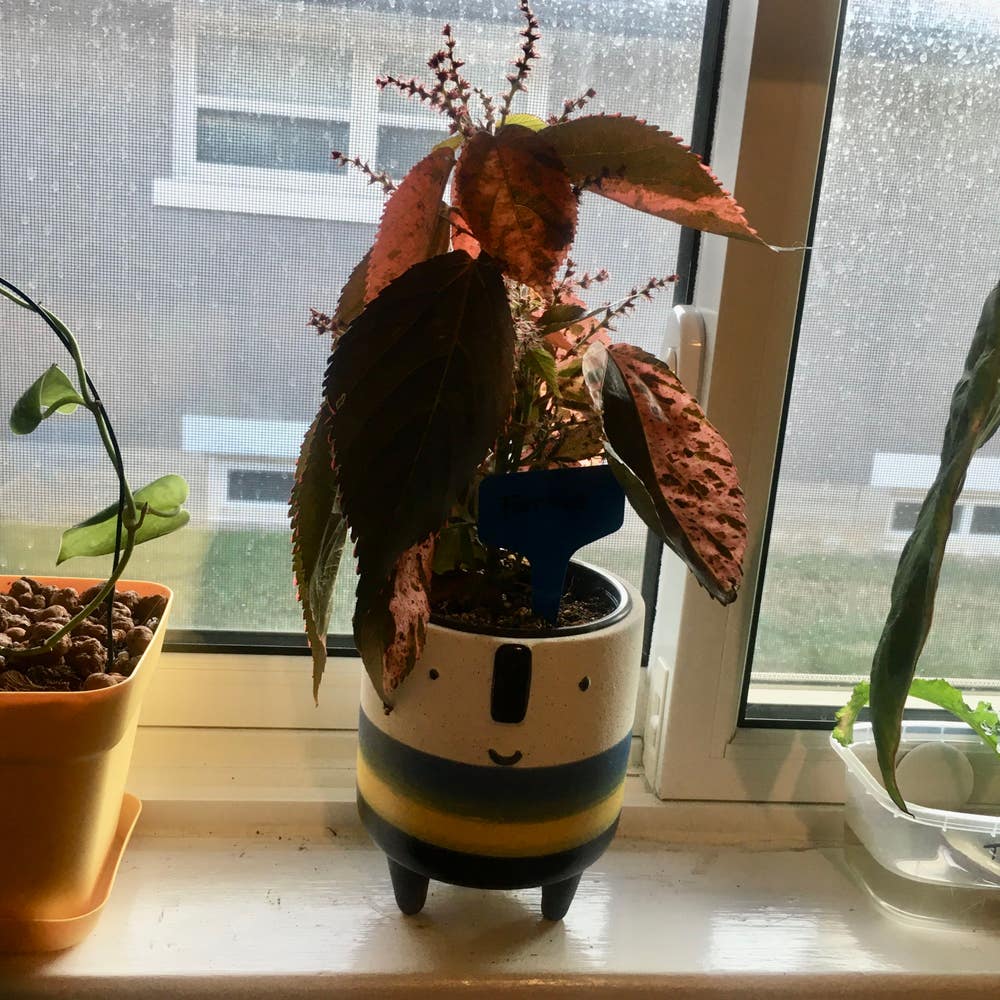
Acalypha leptorhachis boasts striking foliage that can elevate the beauty of any garden. Its vibrant leaves create a lush, tropical atmosphere that draws the eye and enhances landscape design.
2. Air Purification
This plant is not just a pretty face; it also contributes to improved indoor air quality. By filtering out toxins, it helps create a healthier living environment.
3. Erosion Control
Acalypha leptorhachis plays a vital role in stabilizing soil in garden beds. Its robust root system helps prevent erosion, making it a practical choice for landscaping.
4. Biodiversity
This plant attracts beneficial insects and pollinators, promoting a thriving ecosystem. By incorporating Acalypha leptorhachis into your garden, you support local wildlife and enhance biodiversity.
5. Cultural Significance
In some cultures, Acalypha leptorhachis is valued for its traditional medicinal uses. This adds a layer of cultural richness to its presence in gardens, making it more than just an ornamental plant.
These benefits make Acalypha leptorhachis a fantastic addition to any garden or indoor space. Its combination of beauty, utility, and cultural significance ensures it stands out as a valuable plant choice.
Next, let’s explore the best companion plants that can enhance the growth and health of Acalypha leptorhachis.
Companion Plants
🌱 Companion Planting
Companion planting is a fantastic way to enhance the growth and health of your Acalypha leptorhachis. By strategically selecting neighboring plants, you can improve pest management and boost garden diversity.
🌿 Suitable Companions
Consider pairing Acalypha with ferns, caladiums, and other tropical plants. These companions thrive in similar conditions and can create a lush, vibrant garden atmosphere.
🚫 Plants to Avoid
Be cautious of planting species with similar nutrient needs nearby. These plants may compete for resources, potentially stunting the growth of your Acalypha.
Companion planting not only promotes a healthier garden but also adds visual interest. As you plan your garden layout, think about how these combinations can work together to create a thriving ecosystem.
Next, let’s explore the potential toxicity of Acalypha leptorhachis to humans, dogs, and cats. Understanding these risks is crucial for safe gardening practices.
Toxicity to Humans
Toxic Parts 🧪
Acalypha leptorhachis is not just a pretty face; all parts of this plant are considered toxic, with the leaves and sap being particularly dangerous. It's essential to handle it with care to avoid any adverse effects.
Symptoms of Poisoning 🤢
If ingested, symptoms can range from nausea and vomiting to diarrhea and abdominal pain. Dizziness may also occur, so it's crucial to be aware of these signs.
Exposure Risks ⚠️
Exposure can happen in several ways: through ingestion, skin contact with the sap, or even inhaling smoke from burning the plant. Always exercise caution when handling or being around this plant.
When to Seek Medical Care 🚑
If ingestion occurs or if severe symptoms develop, seek immediate medical care. It's better to be safe and get checked out than to risk complications from toxicity.
Toxicity to Dogs
Toxic Parts 🐶
All parts of Acalypha leptorhachis are toxic to dogs, with the leaves and stems being particularly harmful. It's crucial to keep this plant out of reach to prevent accidental ingestion.
Symptoms of Poisoning 🤢
If a dog consumes any part of the plant, watch for signs such as drooling, vomiting, diarrhea, weakness, and tremors. These symptoms can vary in severity, so monitoring your pet closely is essential.
Prevention Measures 🚫
To protect your furry friends, supervise their outdoor time and ensure that Acalypha leptorhachis is removed from accessible areas. Creating a safe garden space can help prevent any unfortunate incidents.
Importance of Veterinary Care 🏥
If you suspect your dog has ingested this plant, seek veterinary assistance immediately. Quick action can make a significant difference in your pet's recovery and well-being.
By staying informed and vigilant, you can enjoy the beauty of Acalypha leptorhachis while keeping your canine companions safe. Next, let's explore the toxicity of this plant to cats.
Toxicity to Cats
🐱 Toxic Parts
Acalypha leptorhachis is harmful to cats, with all parts of the plant considered toxic. The leaves and sap are particularly dangerous, so it's crucial to keep these plants out of reach.
🤢 Symptoms of Poisoning
If a cat ingests any part of this plant, you might notice several alarming symptoms. Common signs include drooling, vomiting, diarrhea, weakness, and tremors.
🚫 Prevention Measures
To protect your feline friends, it's best to keep them indoors. Supervise their outdoor time and ensure that Acalypha leptorhachis is removed from any accessible garden areas.
🏥 Importance of Veterinary Care
If you suspect your cat has ingested this plant, seek veterinary assistance immediately. Prompt care can make a significant difference in recovery, so don’t hesitate to act.
Transitioning to the next topic, understanding the potential problems that can arise with Acalypha leptorhachis is essential for maintaining a healthy plant and environment.
Problems
Common Problems 🌱
1. Incorrect Watering
Watering issues are a common pitfall for Acalypha leptorhachis. Overwatering can lead to yellowing leaves, while underwatering results in wilting.
2. Incorrect Light Conditions
Light conditions play a crucial role in plant health. Too much sun can cause leaf scorch, whereas insufficient light leads to leggy growth.
3. Incorrect Temperature
Temperature fluctuations can stunt growth. Cold conditions are particularly detrimental, causing the plant to struggle.
4. Diseases
Acalypha leptorhachis is susceptible to diseases like powdery mildew and root rot. Look for signs such as white spots on leaves or mushy roots to catch these issues early.
5. Leaf Issues
Leaf problems can manifest in various ways. Scorching, yellowing, or fuzzy growth often indicates stress or disease, signaling that your plant needs immediate attention.
Understanding these common problems can help you maintain a healthy Acalypha leptorhachis. By addressing these issues promptly, you can ensure your plant thrives and remains vibrant.
Next, let’s explore the pests that may threaten your plant’s health.
Bugs
Potential Pest Issues 🐛
Acalypha leptorhachis can attract a variety of pests that may threaten its health. Being aware of these potential issues is crucial for maintaining a thriving plant.
Identification of Pests 🔍
Common pests include spider mites, mealybugs, aphids, and whiteflies. Each of these can cause significant damage if not addressed promptly.
Damage Caused by Pests ⚠️
Symptoms of pest infestations often manifest as wilting, leaf drop, and stunted growth. If you notice these signs, it’s time to investigate further.
Treatment Options 🧪
To combat these pests, consider using insecticidal soap or neem oil. Additionally, introducing beneficial insects can help keep pest populations in check naturally.
By staying vigilant and proactive, you can protect your Acalypha leptorhachis from unwanted pests and ensure it flourishes in your garden. Next, let’s explore what animals might be interested in munching on your plant.
What Eats Acalypha leptorhachis
🦌 Common Animals
Acalypha leptorhachis can attract a variety of hungry critters. Common visitors include deer, rabbits, squirrels, and rodents, all of which may find your plant a tasty treat.
🔍 Signs of Animal Presence
To identify if animals are munching on your Acalypha, look for telltale signs. Chewed leaves, droppings scattered around, and tracks in the soil can indicate their presence.
⚠️ Damage Description
The damage caused by these animals can vary. You might notice browsing on the foliage, which leaves behind ragged edges, or disturbances in the roots that can affect the plant's overall health.
🚫 Deterrent Methods
To protect your Acalypha from these hungry visitors, consider implementing a few deterrent strategies. Fencing around your garden can create a physical barrier, while repellents can mask the plant's appeal. Additionally, companion planting with less palatable species can help keep these animals at bay.
By taking these precautions, you can enjoy the beauty of Acalypha leptorhachis without the worry of it becoming a snack for local wildlife. Now, let's explore the potential pest issues that can also affect this plant.
⚠️ Safety First
This content is for general information and may contain errors, omissions, or outdated details. It is not medical, veterinary advice, or an endorsement of therapeutic claims.
Always consult a qualified healthcare professional before using any plant as food, medicine, or supplement.
Never eat any plant (or feed one to pets) without confirming its identity with at least two trusted sources.
If you suspect poisoning, call Poison Control (800) 222-1222, the Pet Poison Helpline (800) 213-6680, or your local emergency service immediately.
Spotted an error? Please report it here.
Nurture your Acalypha leptorhachis to flourish beautifully 🌿 with Greg's tailored care reminders and expert advice that ensure your plant thrives in its ideal environment!