🍃 Acalypha leptopoda: A Comprehensive Overview
Acalypha leptopoda
By the Greg Editorial Team
Feb 27, 2025•7 min read
This article was created with the help of AI so we can cover more plants for you. May contain errors. See one? Report it here.
Elevate your garden's beauty effortlessly with Acalypha leptopoda's stunning foliage and low-maintenance charm! 🌱
- 🌡️ Acalypha leptopoda thrives in warm, humid climates between 20°C to 30°C (68°F to 86°F).
- 🌞 This plant prefers full sun to partial shade, making it versatile for gardens.
- 🌱 Regular watering and well-draining soil are essential for preventing root rot.
How to Grow
Choosing a Location 🌞
Acalypha leptopoda thrives in full sun to partial shade, making it versatile for various garden settings. It prefers warm, humid climates, ideally between 20°C to 30°C (68°F to 86°F), so choose a spot that meets these temperature needs.
High humidity is crucial for this plant. Consider using a humidity tray or misting to create the ideal environment.
Soil Preparation 🌱
For optimal growth, Acalypha leptopoda requires well-draining, fertile soil. Aim for a slightly acidic to neutral pH, ideally between 6.0 and 7.0.
Good drainage is essential to prevent root rot. Ensure your soil mix allows excess water to escape easily.
Planting Techniques 🌿
When planting, space your Acalypha leptopoda 12-18 inches apart to allow for healthy growth. Make sure to plant it at the same depth as it was in the nursery container.
This spacing helps prevent overcrowding and promotes air circulation.
Watering Requirements 💧
Keep the soil consistently moist but avoid waterlogging. Regular watering is key to maintaining healthy plants.
Water at the base to prevent wetting the foliage, which can lead to fungal issues.
Fertilizing Schedule 🌼
Use a balanced NPK fertilizer, such as 10-10-10, to nourish your plant. Fertilize every 4-6 weeks during the growing season for best results.
This regular feeding supports robust growth and vibrant foliage.
Pruning and Maintenance ✂️
Prune regularly throughout the growing season to encourage bushiness. Pinch back tips and remove any dead or damaged leaves to keep your plant healthy.
This maintenance helps maintain a tidy appearance and promotes new growth.
Ongoing Care 🔍
Monitor your Acalypha leptopoda for pests and signs of stress. Regular checks can help catch issues early.
As seasons change, adjust your care routine by reducing watering during the winter months. This ensures your plant remains healthy year-round.
Transitioning to the next section, let's explore how to propagate Acalypha leptopoda effectively.
Propagation
🌱 Methods of Propagation
Acalypha leptopoda can be propagated through two primary methods: seeds and cuttings. Both methods are straightforward and can yield healthy new plants.
Seeds
To start with seeds, collect them and sow them in well-draining soil. This method is rewarding and allows for a larger number of plants.
Cuttings
Alternatively, you can take cuttings from healthy stems. Aim for 4-6 inch cuttings for the best results.
📝 Step-by-Step Instructions for Each Method
Seeds
- Sow seeds about 1/4 inch deep in the soil.
- Keep the soil consistently moist until germination occurs, which typically takes 7-14 days.
Cuttings
- Remove the lower leaves from the cutting and dip the cut end in rooting hormone.
- Place the cutting in a moist potting mix and cover it with plastic to maintain humidity.
⏰ Timing and Conditions for Successful Propagation
For the best results, sow seeds in spring or early summer. If you're opting for cuttings, late spring to early summer is the ideal time to take them.
This timing ensures that your Acalypha leptopoda has the best chance to thrive as it establishes itself. With the right conditions and care, you’ll soon have new plants ready to enhance your garden or indoor space.
Size
Mature Height and Spread 🌱
Acalypha leptopoda typically reaches a mature height of 2 to 4 feet and spreads about 2 to 3 feet wide. This size makes it a versatile choice for various garden settings, whether in a border or as a standalone feature.
Growth Rate and Factors Affecting Size 📈
The growth rate of Acalypha leptopoda is moderate, influenced by several factors including light, water, and nutrient availability. Depending on the growing conditions—such as whether it's in a container or a garden bed—its size can vary significantly, offering flexibility in how you incorporate it into your landscape.
Understanding these size dynamics can help you plan your garden layout effectively. With the right care, this plant can thrive and become a stunning focal point in your garden.
Benefits
Attractive Foliage 🌿
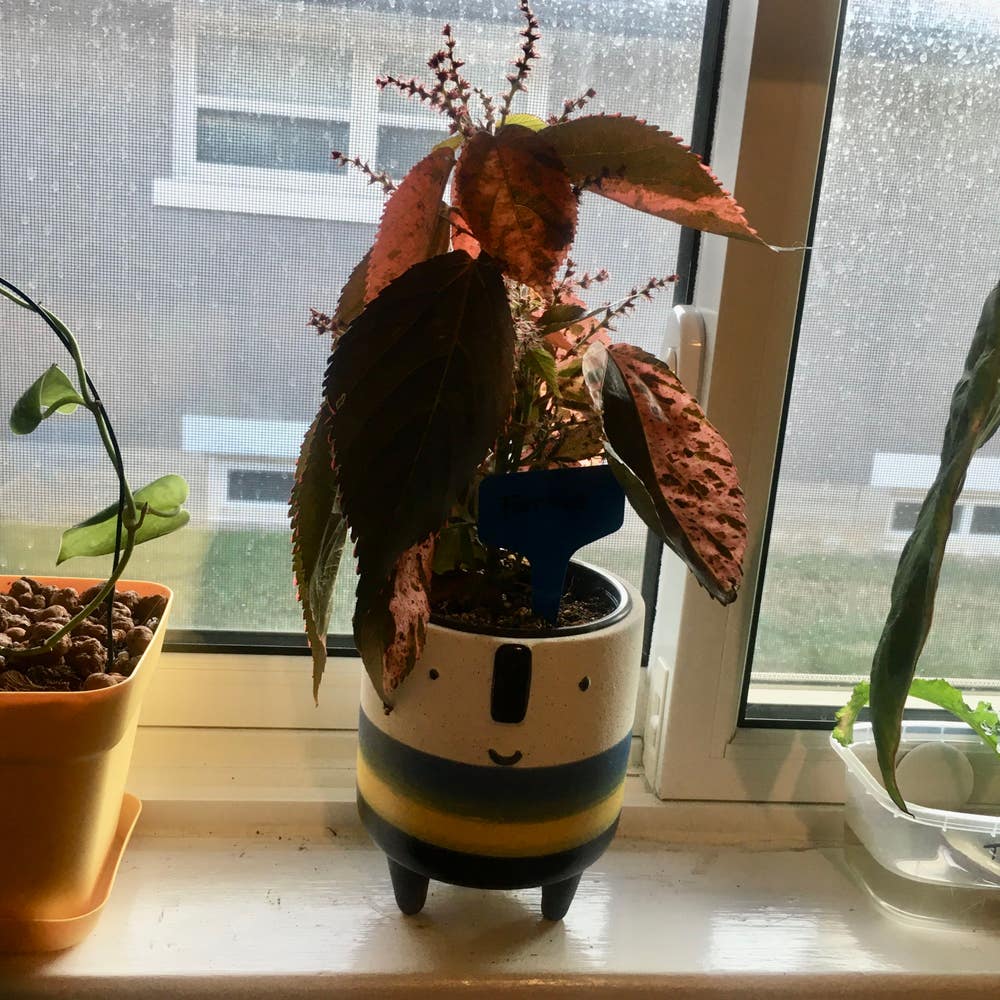
Acalypha leptopoda boasts stunning foliage that can transform any garden. Its unique leaf shapes and vibrant colors add a striking visual appeal, making it a favorite among plant enthusiasts.
Air Purification 🌬️
This plant does more than just look good; it also helps improve indoor air quality. By filtering out toxins, Acalypha leptopoda contributes to a healthier living environment.
Versatile Use 🌍
Whether you have a spacious garden bed or a cozy container, Acalypha leptopoda fits right in. Its adaptability makes it suitable for various gardening styles and spaces.
Low Maintenance 🧘♀️
Once established, this plant requires minimal care. Its resilience allows you to enjoy its beauty without the constant worry of upkeep.
Cultural Significance 🎭
Acalypha leptopoda holds a special place in traditional medicine and ornamental displays. Its cultural importance adds depth to its appeal, making it more than just a pretty plant.
These benefits make Acalypha leptopoda a fantastic choice for both novice and experienced gardeners. As we explore the challenges that come with growing this plant, you'll be better equipped to appreciate its many advantages.
Problems
Common Problems Faced 🌱
Incorrect Watering
Watering is crucial for Acalypha leptopoda's health. Overwatering can lead to yellowing leaves and root rot, while underwatering results in wilting and dry leaves.
Incorrect Light Conditions
Light conditions significantly impact growth. Insufficient light can cause leggy growth, while too much direct sunlight may scorch the leaves.
Incorrect Temperature
Temperature fluctuations can stress the plant. Symptoms of incorrect temperature include stunted growth and leaf drop, often due to exposure to cold drafts or extreme heat.
Diseases
Acalypha leptopoda can suffer from various diseases. Powdery mildew appears as white fungal growth on leaves, while root rot, caused by overwatering, leads to wilting.
Leaf Issues
Leaf problems can signal underlying issues. Scorching manifests as brown edges on leaves from excessive sun exposure, whereas yellowing often indicates nutrient deficiency or overwatering.
Addressing Common Problems 🛠️
To keep your Acalypha leptopoda thriving, monitor watering closely and adjust light exposure as needed. Regularly inspect for diseases and leaf issues to catch problems early and maintain a healthy plant.
Next, let’s explore how to effectively manage pests that may threaten your plant's well-being.
Bugs
🐜 Potential Pest Issues
Acalypha leptopoda is generally known for its pest resistance, but that doesn’t mean it’s completely safe. You might still encounter a few pesky intruders that can affect its health.
🔍 Identification of Pests and Damage Caused
- Spider mites: Look for fine webbing and stippled leaves, which indicate these tiny pests are at work.
- Scale insects: If you notice sticky residue and yellowing leaves, scale insects might be the culprit.
- Mealybugs: These pests leave behind cotton-like masses on stems and leaves, signaling their presence.
🛠️ Effective Treatment Options for Each Pest
- Spider mites: To combat these pests, increase humidity around the plant and apply insecticidal soap.
- Scale insects: Manually remove them and treat the affected areas with horticultural oil for effective control.
- Mealybugs: Use cotton swabs dipped in alcohol to gently remove these pests from your plant.
Keeping an eye on your Acalypha leptopoda will help you catch any pest issues early. With the right care and attention, you can maintain a healthy, vibrant plant.
What Eats Acalypha leptopoda
🦌 Common Animals That May Damage
Acalypha leptopoda can attract a few hungry visitors.
- Deer: These graceful creatures may munch on your plants, leaving behind chewed leaves and broken stems.
- Rabbits: Known for their nibbling habits, rabbits can leave clipped stems and missing foliage in their wake.
- Squirrels: These little acrobats might dig around the base of the plant, causing disruption and potential damage.
👀 Signs of Animal Presence and Damage Description
To identify if animals are causing trouble, keep an eye out for specific signs.
Look for tracks or droppings in the vicinity, as well as any visible damage to the foliage.
🚫 Methods for Deterring or Managing These Animals
Protecting your Acalypha leptopoda from these critters can be done through various methods.
- Chemical methods: Commercial repellents can be effective in keeping deer and rabbits at bay.
- Organic methods: Consider planting deterrents like garlic or erecting fencing to create a barrier against these hungry animals.
By implementing these strategies, you can help ensure your Acalypha leptopoda thrives without unwanted visitors.
⚠️ Safety First
This content is for general information and may contain errors, omissions, or outdated details. It is not medical, veterinary advice, or an endorsement of therapeutic claims.
Always consult a qualified healthcare professional before using any plant as food, medicine, or supplement.
Never eat any plant (or feed one to pets) without confirming its identity with at least two trusted sources.
If you suspect poisoning, call Poison Control (800) 222-1222, the Pet Poison Helpline (800) 213-6680, or your local emergency service immediately.
Spotted an error? Please report it here.
Keep your Acalypha leptopoda thriving 🌱 with Greg's tailored watering alerts and expert care tips that make plant parenting a breeze!