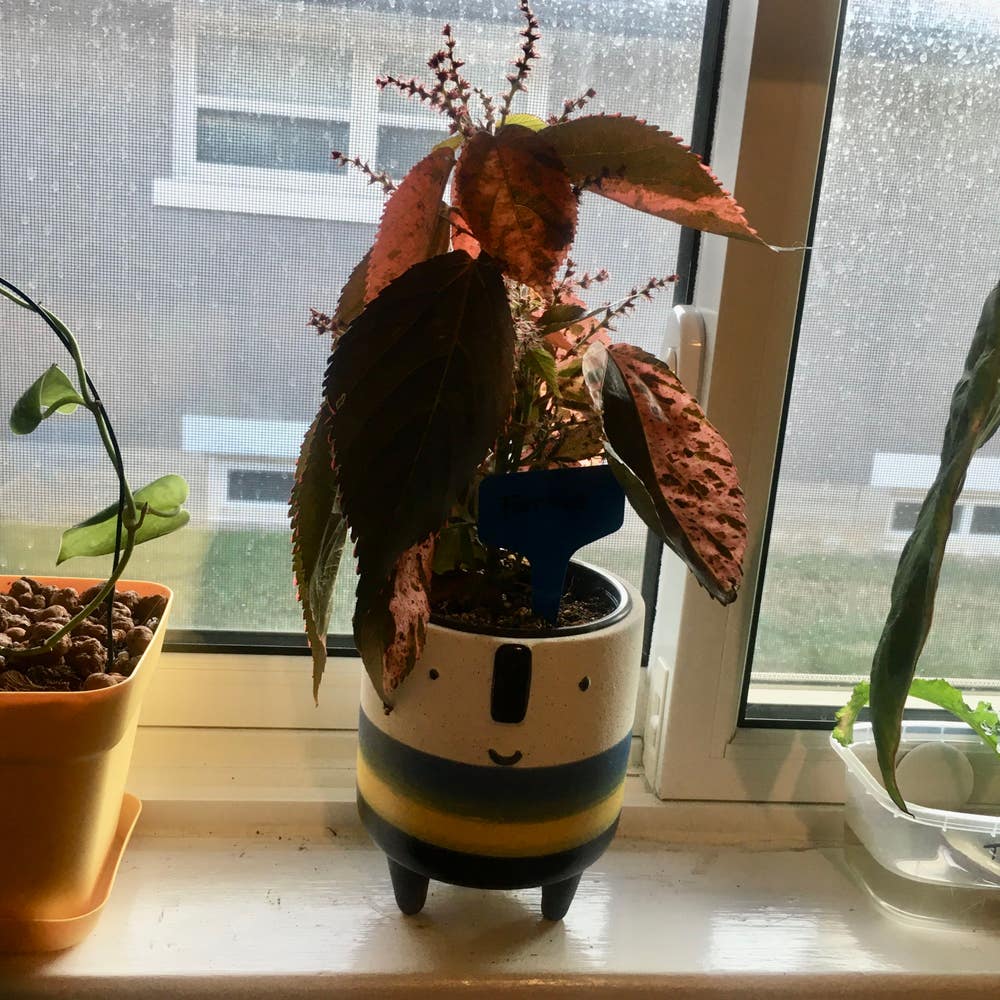
🍃 Introduction to Acalypha lanceolata var. lanceolata
Acalypha lanceolata var. lanceolata
By the Greg Editorial Team
Feb 27, 2025•11 min read
This article was created with the help of AI so we can cover more plants for you. May contain errors. See one? Report it here.
- 🌞🌿 Acalypha thrives in warm, humid conditions with full sun or partial shade.
- 💧🚫 Avoid root rot by keeping soil moist but not overwatered; water at the base.
- 🌱✂️ Prune in early spring for bushier growth and improved air circulation.
How to Grow
Choosing a Location 🌍
To successfully grow Acalypha lanceolata var. lanceolata, start by selecting the right location. This plant thrives in warm temperatures above 20°C (68°F) and enjoys high humidity, making it perfect for tropical and subtropical gardens.
Sunlight is another key factor. Acalypha does best in full sun but can also tolerate partial shade, giving you flexibility in placement.
Soil Preparation 🏞️
Next, focus on soil preparation. A well-draining soil rich in organic matter is essential for healthy growth.
Aim for a slightly acidic to neutral pH level, ideally between 6.0 and 7.0, to create the best environment for your plant.
Planting Techniques 🌱
When it comes to planting, ensure the root ball is level with the soil surface. This helps the plant establish itself more effectively.
For outdoor planting, space your Acalypha plants 18-24 inches apart to allow for adequate growth and airflow.
Watering Requirements 💧
Watering is crucial for Acalypha's health. Keep the soil consistently moist but avoid waterlogging, which can lead to root rot.
Water at the base of the plant to prevent wetting the leaves, which can encourage fungal diseases.
Fertilizing Schedule 🌿
A balanced NPK fertilizer is recommended to nourish your Acalypha. Apply it every 4-6 weeks during the growing season for optimal growth.
This regular feeding will support vibrant foliage and healthy flowering.
Pruning Methods ✂️
Pruning is an important part of care. Aim to prune in early spring to encourage bushier growth and remove any dead or damaged leaves.
This practice not only keeps your plant looking tidy but also promotes better air circulation.
Ongoing Care 🔍
For container care, ensure that pots have drainage holes and monitor moisture levels closely. This helps prevent overwatering and root issues.
If you're growing Acalypha outdoors, regularly check for pests and diseases to maintain its health and vitality.
With these guidelines, you'll be well on your way to cultivating a thriving Acalypha lanceolata var. lanceolata. Next, let's explore how to propagate this beautiful plant effectively.
Propagation
🌱 Seed Propagation Steps
Seed propagation is a straightforward method to grow Acalypha lanceolata var. lanceolata.
- Collect seeds from mature plants. This ensures you have viable seeds for planting.
- Sow seeds in a well-draining seed-starting mix. This mix provides the right environment for germination.
- Keep the soil moist and warm (around 25°C or 77°F) until germination. Consistent moisture is key to successful sprouting.
✂️ Cutting Propagation Techniques
If you prefer a faster method, cutting propagation is an excellent choice.
- Take 4-6 inch cuttings from healthy stems. Choose stems that are robust and free of disease.
- Dip cut ends in rooting hormone. This encourages root development and increases your chances of success.
- Plant in a moist, well-draining medium and cover with plastic to maintain humidity. This creates a mini-greenhouse effect, promoting root growth.
Both methods are effective, allowing you to expand your collection of this beautiful plant. Whether you choose seeds or cuttings, you'll enjoy the rewarding experience of watching your plants thrive.
Next, let’s explore the lifecycle of Acalypha lanceolata var. lanceolata and understand its growth stages.
Lifecycle
🌱 Lifecycle Stages
The lifecycle of Acalypha lanceolata var. lanceolata begins with germination, which takes about 7-14 days under optimal conditions. Following germination, the plant enters the seedling stage, where it develops true leaves.
🌿 Vegetative Growth
During the vegetative growth phase, the plant experiences rapid growth, characterized by significant leaf expansion. This stage is crucial for establishing a robust structure before flowering.
🌸 Flowering and Seed Production
Flowering typically occurs in late summer to fall, showcasing the plant's vibrant blooms. After flowering, seeds develop, completing the lifecycle and allowing for propagation.
⏳ Duration Until Maturity
The time to reach full growth for Acalypha lanceolata is approximately 6-12 months. This timeframe can vary based on environmental conditions and care.
⚡ Growth Speed and Factors Affecting Growth Rate
Acalypha lanceolata exhibits a moderate to fast growth rate, influenced by several factors. Key elements include light exposure, water availability, and nutrient levels in the soil.
Understanding these lifecycle stages helps gardeners provide the best care for their plants, ensuring healthy growth and vibrant blooms. With the right conditions, you can enjoy the beauty of Acalypha lanceolata in your garden in no time!
Next, let’s explore how to size this plant effectively for your space.
Size
Mature Height and Spread 🌱
Acalypha lanceolata var. lanceolata typically reaches a mature height of 3 to 5 feet. Its spread can range from 2 to 3 feet, making it a substantial addition to any garden.
Growth Rate and Time to Full Size ⏳
Under optimal conditions, this plant can reach its full size in about 1 to 2 years. This moderate growth rate allows gardeners to enjoy its lush foliage relatively quickly.
Size Variability Based on Growing Conditions 🌦️
The size of Acalypha lanceolata can vary significantly based on several factors. Light exposure, soil quality, and watering practices all play crucial roles in determining how large and robust the plant will grow.
Understanding these aspects can help you create the ideal environment for your Acalypha lanceolata, ensuring it thrives and adds beauty to your space. As we move forward, let’s explore the fascinating topic of the plant's root system and its importance in overall health.
Roots
Characteristics of the Root System 🌱
Acalypha lanceolata var. lanceolata features a fibrous root system that is both shallow and spreading. This structure allows the plant to efficiently absorb moisture and nutrients from the upper layers of the soil.
Common Root-Related Issues and Solutions 🚫
One common issue is root rot, which occurs due to overwatering. To combat this, improve drainage and reduce watering frequency to keep the roots healthy.
Identifying healthy roots is crucial; they should be firm and white. In contrast, unhealthy roots appear brown and mushy, indicating a problem that needs addressing.
Recognizing Rootbound Plants and Management Strategies 🔄
If you notice roots growing out of drainage holes or circling the pot, your plant may be rootbound. The solution is simple: repot the plant into a larger container filled with fresh soil to give it room to grow.
By understanding the root system and its needs, you can ensure your Acalypha thrives. This knowledge sets the stage for better ongoing care and maintenance, which we’ll explore next.
Benefits
Top 5 Benefits 🌟
Acalypha lanceolata var. lanceolata is not just a pretty face in the garden; it offers a range of benefits that make it a fantastic choice for any plant enthusiast.
Attractive Foliage: The vibrant leaves of this plant enhance garden aesthetics, adding a splash of color and texture that can elevate any landscape.
Versatile Light Tolerance: This plant thrives in various light conditions, from full sun to partial shade, making it adaptable to different garden settings.
Pollinator Attraction: By planting Acalypha lanceolata, you can improve garden diversity as it attracts pollinators like bees and butterflies, contributing to a healthier ecosystem.
Natural Pest Deterrent: Some garden pests shy away from this plant, providing a natural form of pest control that can help maintain the health of your garden.
Tropical Vibe: Its lush appearance brings a tropical feel to outdoor spaces, creating a serene and inviting atmosphere that can transform your garden into a paradise.
Incorporating Acalypha lanceolata into your garden not only beautifies your space but also supports biodiversity and pest management. With its easy care and stunning foliage, it's a win-win for both novice and experienced gardeners alike.
Ready to explore how to propagate this beauty? Let's dive into the next section!
Companion Plants
🌱 Companion Planting Benefits
Companion planting is a fantastic way to create a thriving garden ecosystem. By pairing plants that support each other, you can enhance growth and improve pest management.
🌼 Compatible Companion Plants
When growing Acalypha lanceolata var. lanceolata, consider these compatible companions:
- Marigolds: These vibrant flowers act as natural pest repellents, keeping harmful insects at bay.
- Coleus: With similar care needs, Coleus can add a splash of color while thriving alongside Acalypha.
- Caladiums: Their striking foliage not only complements Acalypha but also enhances the visual appeal of your garden.
🚫 Plants to Avoid
While some plants thrive together, others can hinder growth. Avoid pairing Acalypha with plants that require dry conditions or those that compete for nutrients. This ensures your Acalypha can flourish without unnecessary stress.
By selecting the right companions, you can create a lush, vibrant garden that benefits both your plants and the local ecosystem. Now, let’s explore the potential toxicity of Acalypha to humans, dogs, and cats.
Toxicity to Humans
🥴 Toxic Parts and Symptoms
Acalypha lanceolata var. lanceolata is not just a pretty face; its leaves and stems contain compounds that can be toxic. If ingested, symptoms may include nausea, vomiting, diarrhea, abdominal pain, dizziness, and in severe cases, neurological issues.
⚠️ Exposure Risks
Be cautious! Poisoning can happen through both ingestion and skin contact. It's essential to handle this plant with care, especially if you have curious pets or children around.
🚑 Seeking Medical Care
If you or someone else ingests any part of this plant or shows symptoms, seek immediate medical attention. Quick action can make all the difference in ensuring safety and health.
Toxicity to Dogs
Toxic Parts and Symptoms 🐶
All parts of the Acalypha lanceolata var. lanceolata plant can be harmful to dogs. If ingested, symptoms may include drooling, vomiting, diarrhea, weakness, and tremors.
Risks of Exposure ⚠️
Dogs are often drawn to the plant's lush foliage, which can lead to accidental ingestion. This curiosity can put them at risk, especially if they have access to the plant in your garden.
Prevention Measures 🛡️
To keep your furry friends safe, supervise their outdoor activities closely. It's also wise to remove the plant from areas where dogs can easily reach it, ensuring a safer environment for your pets.
By taking these precautions, you can enjoy your garden while protecting your beloved companions from potential harm.
Toxicity to Cats
Toxic Parts and Symptoms 🐾
All parts of the Acalypha lanceolata var. lanceolata are harmful to cats. Symptoms of ingestion include drooling, vomiting, diarrhea, weakness, and respiratory distress.
Risks of Exposure 🚨
Cats are naturally curious creatures and may nibble on the plant out of curiosity. This behavior can lead to serious health issues if not monitored closely.
Prevention Measures 🛡️
To keep your feline friends safe, it's best to keep cats indoors and supervise their outdoor activities. Additionally, consider removing the plant from areas where cats can access it.
By taking these precautions, you can enjoy your beautiful plants while ensuring your pets remain healthy and safe.
Problems
Common Problems 🌱
Growing Acalypha lanceolata var. lanceolata can be rewarding, but it’s essential to watch for common issues that may arise.
Incorrect Watering 🚰
Watering can be tricky. Underwatering leads to wilting, while overwatering causes yellowing leaves.
Incorrect Light Conditions ☀️
Light exposure is crucial. Too much sun can scorch leaves, while too little light results in leggy growth.
Diseases 🦠
Fungal diseases can plague your plant. Look out for powdery mildew and root rot, which can be detrimental if not addressed.
Leaf Issues 🍃
Keep an eye on your leaves. Scorching, yellowing, or fuzzy growth can indicate pests or disease.
Growth Problems 📉
If your plant is stunted or leaning, it may not be getting enough light or nutrients. Regularly assess its environment to ensure optimal growth.
By staying vigilant and addressing these problems early, you can enjoy a thriving Acalypha lanceolata that adds beauty to your space. Next, let’s explore the potential pest issues that can affect your plant.
Bugs
🐞 Potential Pest Issues
Acalypha lanceolata var. lanceolata can attract several pests that may threaten its health.
- Spider mites: Look for fine webbing and stippled leaves, which indicate these tiny pests are at work.
- Mealybugs: These pests appear as white, cottony masses on stems and leaves, sucking the sap from your plant.
- Aphids: Small and green, aphids can cause leaf curling and stunt growth by feeding on the plant's juices.
🔍 Identification and Damage
Identifying these pests early can save your plant from significant damage.
Effective treatment options include:
- Neem oil: A natural pesticide that disrupts the life cycle of pests.
- Insecticidal soap: This can suffocate soft-bodied insects like aphids and mealybugs.
- Beneficial insects: Introducing ladybugs or lacewings can help keep pest populations in check.
By staying vigilant and employing these strategies, you can keep your Acalypha healthy and thriving. Next, let’s explore what animals might be interested in munching on your plant.
What Eats
🦌 Common Animals
Acalypha lanceolata var. lanceolata can attract a variety of garden visitors.
- Deer: Look for signs like chewed leaves and broken stems.
- Rabbits: These critters often nibble on the lower leaves, leaving behind a telltale trail of damage.
- Squirrels: You might notice them digging around the base of the plant, searching for tasty roots.
🔍 Signs of Damage
Identifying damage early can save your plant from further harm.
Keep an eye out for:
- Droppings that indicate animal presence.
- Tracks or trails leading to the plant.
- Chewed foliage that signals a feast for local wildlife.
🚫 Deterrent Methods
Protecting your Acalypha from hungry animals is crucial for its health.
Consider these effective deterrent strategies:
- Chemical repellents: Sprays can discourage animals from munching on your plants.
- Physical barriers: Fencing or netting can keep larger animals at bay.
- Companion planting: Pairing with plants that animals dislike can help shield your Acalypha.
By implementing these methods, you can enjoy your garden without the worry of it becoming a buffet for local wildlife.
⚠️ Safety First
This content is for general information and may contain errors, omissions, or outdated details. It is not medical, veterinary advice, or an endorsement of therapeutic claims.
Always consult a qualified healthcare professional before using any plant as food, medicine, or supplement.
Never eat any plant (or feed one to pets) without confirming its identity with at least two trusted sources.
If you suspect poisoning, call Poison Control (800) 222-1222, the Pet Poison Helpline (800) 213-6680, or your local emergency service immediately.
Spotted an error? Please report it here.
Grow a thriving Acalypha 🌿 with Greg's tailored watering alerts and expert care tips to keep your plant healthy and vibrant all year round!