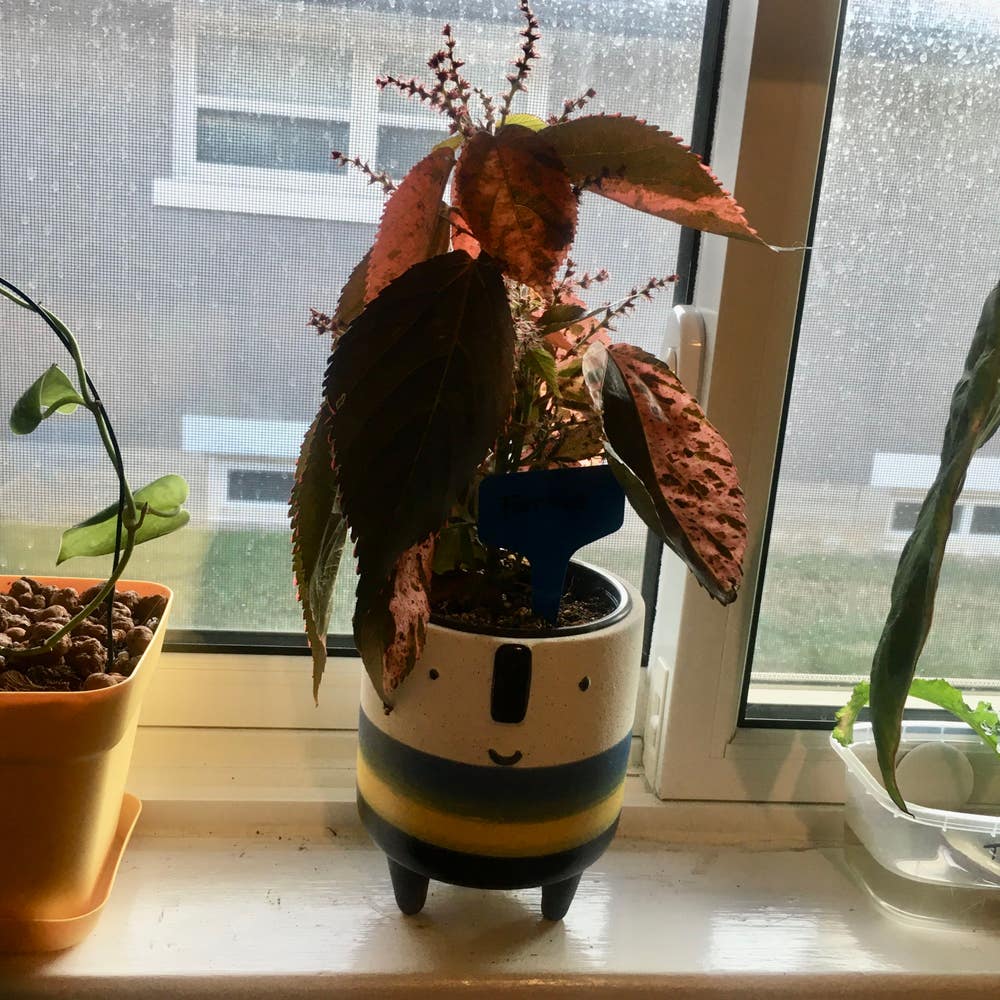
All About Acalypha lagoensis: Essential Facts 🍃
Acalypha lagoensis
By the Greg Editorial Team
Feb 27, 2025•12 min read
This article was created with the help of AI so we can cover more plants for you. May contain errors. See one? Report it here.
Unlock the beauty of Acalypha lagoensis in your garden with these essential care tips! 🌿✨
- 🌡️ Acalypha lagoensis thrives in warm, humid conditions above 20°C (68°F).
- 🌱 Use well-draining, organic-rich soil with a pH of 6.0 to 7.0 for optimal growth.
- 🐾⚠️ Handle with care: Acalypha lagoensis is toxic to humans and pets.
How to Grow
Choosing a Location 🌞
Acalypha lagoensis thrives in warm temperatures, ideally above 20°C (68°F), and loves high humidity. For sunlight, it prefers a sweet spot between partial shade and full sun, making it versatile for various garden settings.
Soil Preparation 🌱
To set your plant up for success, use well-draining soil rich in organic matter. Aim for a soil pH between 6.0 and 7.0, which is slightly acidic to neutral, ensuring optimal growth conditions.
Planting Techniques 🌿
When planting, make sure the root ball is level with the soil surface. For outdoor planting, space your plants 18 to 24 inches apart to allow for healthy growth.
Watering Requirements 🚰
Keep the soil consistently moist but avoid waterlogging. Using drip irrigation or watering at the base helps prevent wet leaves, reducing the risk of fungal issues.
Fertilizing Schedule 🍽️
A balanced NPK fertilizer (10-10-10) works wonders for Acalypha lagoensis. Fertilize every 4 to 6 weeks during the growing season to keep your plant nourished and thriving.
Pruning Methods ✂️
Prune your plant in early spring to encourage bushier growth. Focus on removing dead or damaged leaves and spent flowers to maintain its health and appearance.
Ongoing Care Tips 👀
Keep an eye on humidity levels and adjust as needed to create a comfortable environment for your plant. Regularly check for pests and diseases to catch any issues early.
Outdoor vs. Container Growing 🏡
If you're growing in containers, choose pots with drainage holes and a suitable potting mix. For outdoor growing, ensure there's adequate space and protection from extreme weather to help your Acalypha flourish.
With these tips, you'll be well on your way to cultivating a vibrant Acalypha lagoensis that adds beauty and life to your garden! Next, let's explore the exciting world of propagation techniques to expand your collection.
Propagation
🌱 Seed Propagation
To propagate Acalypha lagoensis from seeds, start by collecting seeds from mature plants. Sow these seeds in a well-draining seed-starting mix to ensure optimal growth.
✂️ Cutting Propagation
For cutting propagation, select healthy stems that are 4-6 inches long. Dip the cut ends in rooting hormone and place them in a moist medium to encourage root development.
🌿 Division Propagation
Dividing established plants is another effective propagation method. This should be done in spring or early summer, ensuring that each division has both roots and foliage for successful growth.
With these propagation techniques, you can easily expand your Acalypha lagoensis collection or share it with fellow plant enthusiasts. Next, let's explore the lifecycle of this vibrant plant and what to expect as it grows.
Lifecycle
Lifecycle Stages 🌱
Acalypha lagoensis is typically grown as an annual in temperate climates. This means it completes its life cycle within a single growing season, making it a popular choice for gardeners looking for vibrant foliage.
Germination Process 🌱
Under optimal conditions, seeds germinate within 7-14 days. This quick turnaround allows gardeners to enjoy the beauty of Acalypha lagoensis in no time.
Seedling Stage 🌱
During the seedling stage, which lasts about 4-6 weeks, the plant develops its true leaves. This is a crucial phase where the foundation for future growth is established.
Vegetative Growth 🌱
Once past the seedling stage, Acalypha lagoensis enters a rapid growth phase characterized by lush foliage. This is when the plant showcases its vibrant leaves, making it a standout in any garden.
Flowering and Seed Production 🌱
Flowering typically occurs from late summer to early fall. This period not only enhances the plant's aesthetic appeal but also leads to seed production, allowing for future generations.
Lifespan and Growth Timeline 🌱
Acalypha lagoensis reaches full maturity in approximately 6-12 months. Its growth rate can be moderate to fast, depending on the care it receives and the environmental conditions it experiences.
As you explore the lifecycle of Acalypha lagoensis, you'll appreciate its dynamic growth and the joy it brings to your garden. Next, let’s dive into the size of this beautiful plant and what you can expect in terms of height and spread.
Size
Mature Height and Spread 🌱
Acalypha lagoensis typically reaches a mature height of 2 to 4 feet tall. Its spread can range from 2 to 3 feet wide, making it a substantial addition to any garden.
Growth Rate and Size Variability 📈
This plant has a moderate growth rate, which can fluctuate based on the care it receives and its environment. Factors like light, water, and nutrients play a significant role in determining its ultimate size.
Factors Affecting Size 🌍
Several environmental conditions influence the size of Acalypha lagoensis. Key elements include temperature, humidity, and soil quality, all of which can either promote robust growth or hinder its development.
In summary, understanding the size characteristics of Acalypha lagoensis helps in planning your garden layout effectively. Next, let’s explore the fascinating lifecycle of this plant and how it progresses through various stages.
Roots
🌱 Root System Characteristics
Acalypha lagoensis features a fibrous root system, which is essential for its stability and nutrient absorption. This type of root structure allows the plant to efficiently gather water and nutrients from the soil.
🌍 Root Depth and Spread
Typically, the roots of Acalypha lagoensis are shallow but spread extensively. This characteristic helps the plant adapt to various soil conditions while maximizing its access to moisture.
⚠️ Common Root-Related Issues
One of the most common problems faced by Acalypha lagoensis is root rot, often caused by overwatering. To prevent this issue, ensure that the plant has good drainage and avoid letting it sit in water.
👀 Identifying Healthy vs. Unhealthy Roots
Healthy roots are firm, white, and spread evenly throughout the soil. In contrast, unhealthy roots may appear dark, mushy, or emit a foul smell, indicating potential problems.
🔒 Recognizing Rootbound Plants
If you notice roots growing out of the drainage holes or stunted growth, your plant may be rootbound. The solution is simple: repot the plant into a larger container or divide it to promote healthier growth.
Understanding the root system of Acalypha lagoensis is crucial for its overall health. By monitoring root conditions and addressing any issues promptly, you can ensure your plant thrives beautifully.
Next, we’ll explore the benefits of growing Acalypha lagoensis and how it can enhance your garden.
Benefits
Top 5 Benefits 🌟
1. Aesthetic Appeal
Acalypha lagoensis boasts striking foliage that can transform any garden into a vibrant oasis. Its lush leaves add texture and color, making it a favorite among landscape enthusiasts.
2. Attracts Pollinators
The flowers of Acalypha lagoensis are a magnet for pollinators like bees and butterflies. This not only supports local ecosystems but also enhances the overall health of your garden.
3. Air Purification
Beyond its beauty, this plant contributes to improved air quality. It helps filter pollutants, making your home or garden a healthier space to enjoy.
4. Versatile Use
Acalypha lagoensis is incredibly versatile. Whether you’re planting borders, filling containers, or creating a tropical garden, this plant fits seamlessly into various designs.
5. Cultural Significance
In its native regions, Acalypha lagoensis holds cultural importance. It’s often used in traditional practices, adding a layer of meaning to its presence in your garden.
These benefits make Acalypha lagoensis not just a plant, but a valuable addition to your gardening journey. As you explore its potential, consider how it can enhance both your space and your connection to nature.
Next, let’s dive into the concept of companion planting and discover which plants thrive alongside Acalypha lagoensis.
Companion Plants
🌱 Concept of Companion Planting
Companion planting is all about creating a harmonious garden environment. By pairing plants that benefit each other, you can enhance biodiversity and improve pest management.
🌼 Best Companion Plants
When growing Acalypha lagoensis, consider these fantastic companions:
- Marigolds: These vibrant flowers act as natural pest repellents, keeping harmful insects at bay.
- Coleus: With similar care needs, Coleus thrives alongside Acalypha, adding a splash of color to your garden.
- Caladium: Known for its striking foliage, Caladium not only complements Acalypha's beauty but also thrives in similar conditions.
🚫 Plants to Avoid
Be cautious about planting Acalypha near heavy feeders like tomatoes. These plants compete for nutrients, potentially stunting growth and reducing overall health.
Incorporating the right companion plants can lead to a thriving garden. By fostering beneficial relationships among your plants, you’ll create a vibrant ecosystem that flourishes together. Next, let’s explore the toxicity of Acalypha lagoensis to humans and pets.
Toxicity to Humans
Toxic Parts 🌿
Acalypha lagoensis contains toxic components primarily in its sap and leaves. Handling the plant with care is essential to avoid any adverse effects.
Symptoms of Toxicity 🤢
If ingested or if the sap comes into contact with skin, symptoms may include nausea, vomiting, diarrhea, abdominal pain, and dizziness. These reactions can vary in severity depending on the amount of exposure.
Exposure Risks ⚠️
The primary risks arise from ingesting plant parts or coming into contact with its sap. Always wash your hands after handling the plant to minimize any risk of toxicity.
When to Seek Medical Care 🚑
If you experience symptoms after exposure or ingestion, seek immediate medical care. It's better to be safe and get checked out if you suspect any reaction to this plant.
Understanding the toxicity of Acalypha lagoensis is crucial for safe gardening and plant care. Next, we’ll explore how this plant can impact pets, particularly dogs.
Toxicity to Dogs
Toxic Parts 🐶
Acalypha lagoensis can pose risks to dogs, primarily due to its leaves and sap. These components contain toxic substances that can lead to adverse reactions if ingested.
Symptoms of Poisoning 🤢
If a dog comes into contact with or consumes parts of this plant, symptoms may include drooling, vomiting, diarrhea, and weakness. It's crucial to monitor your pet for these signs if they have access to the plant.
Prevention Measures 🚫
To keep your furry friends safe, supervise their outdoor time and consider removing Acalypha lagoensis from accessible areas. Creating a pet-friendly garden ensures that your dog can enjoy the outdoors without the risk of toxicity.
By being proactive, you can enjoy the beauty of Acalypha lagoensis while keeping your pets safe. Next, let’s explore the toxicity of this plant to cats to ensure all your pets are protected.
Toxicity to Cats
Toxic Parts 🐾
Acalypha lagoensis can pose risks to our feline friends. The leaves and sap of this plant contain toxic components that can lead to health issues if ingested.
Symptoms of Poisoning 🤢
If a cat comes into contact with or consumes parts of the plant, watch for symptoms like drooling, vomiting, diarrhea, and weakness. These signs indicate that your cat may be experiencing toxicity and requires attention.
Prevention Measures 🚫
To keep your cats safe, consider keeping them indoors, especially if you have Acalypha lagoensis in your garden. Supervise their outdoor time to prevent any unwanted nibbling on this beautiful but potentially harmful plant.
By taking these precautions, you can enjoy your garden while ensuring your furry companions remain healthy and happy.
Problems
🌱 Common Problems Faced
1. Incorrect Watering
Watering issues are among the most common problems for Acalypha lagoensis. Underwatering leads to wilting, while overwatering causes yellowing leaves.
To remedy this, adjust your watering frequency based on the plant's needs and environmental conditions.
2. Incorrect Light Conditions
Light exposure is crucial for healthy growth. If your plant exhibits leggy growth, it may not be getting enough light, while scorched leaves indicate too much direct sunlight.
To fix this, reposition your plant to ensure it receives the right amount of light.
3. Incorrect Temperature
Temperature fluctuations can stunt growth. Acalypha lagoensis thrives in warm conditions, and cold drafts can hinder its development.
Ensure your plant is kept in a warm environment, especially during cooler months.
4. Diseases
Diseases like powdery mildew and root rot can plague your plant. These issues often arise from poor air circulation or excessive moisture.
To combat this, improve air circulation around your plant and ensure proper drainage.
5. Leaf Issues
Leaf problems can manifest as yellowing or fuzzy growth. These symptoms often signal pest infestations or inadequate care.
Regularly check for pests and adjust your care routine to keep your plant healthy.
By being aware of these common problems and their solutions, you can ensure your Acalypha lagoensis thrives in your care. Next, let’s explore the fascinating world of pests that may affect your plant.
Bugs
Potential Pest Issues 🐜
Acalypha lagoensis can attract a variety of pests that may threaten its health. The most common culprits include spider mites, mealybugs, aphids, and whiteflies.
Identifying Pests and Damage 🔍
Recognizing the signs of pest infestations is crucial for timely intervention. Look for yellowing leaves, webbing on the foliage, or sticky residue that may indicate the presence of these pests.
Treatment Options 💊
Fortunately, there are effective treatment options available to combat these pests. Consider using insecticidal soap or neem oil to eliminate infestations, or introduce beneficial insects that can help keep pest populations in check.
By staying vigilant and addressing pest issues promptly, you can ensure your Acalypha lagoensis thrives beautifully. Next, let’s explore what animals might be munching on your plants and how to deter them.
What Eats
🦌 Common Animals
Acalypha lagoensis can attract a variety of hungry critters. Common pests include deer, rabbits, squirrels, and rodents, all of which may find your plant a tasty treat.
🕵️♂️ Signs of Animal Presence
To determine if animals are munching on your Acalypha, look for telltale signs. Chewed leaves, droppings, or tracks around the base of the plant can indicate their presence.
⚠️ Damage Caused
Animal activity can lead to significant damage. Browsing on foliage may result in stunted growth, impacting the overall health and appearance of your plant.
🚫 Deterrent Methods
To protect your Acalypha from these hungry visitors, consider implementing a few deterrent methods. Fencing, using repellents, and employing companion planting strategies can help keep these pests at bay.
By taking proactive measures, you can enjoy the beauty of Acalypha lagoensis without the worry of unwanted nibblers. Next, let’s explore the potential pest issues that could affect your plant’s health.
⚠️ Safety First
This content is for general information and may contain errors, omissions, or outdated details. It is not medical, veterinary advice, or an endorsement of therapeutic claims.
Always consult a qualified healthcare professional before using any plant as food, medicine, or supplement.
Never eat any plant (or feed one to pets) without confirming its identity with at least two trusted sources.
If you suspect poisoning, call Poison Control (800) 222-1222, the Pet Poison Helpline (800) 213-6680, or your local emergency service immediately.
Spotted an error? Please report it here.
Nurture your Acalypha lagoensis to thrive in its ideal warm and humid environment 🌿 with Greg's tailored care reminders and expert tips that keep your plant healthy and vibrant!