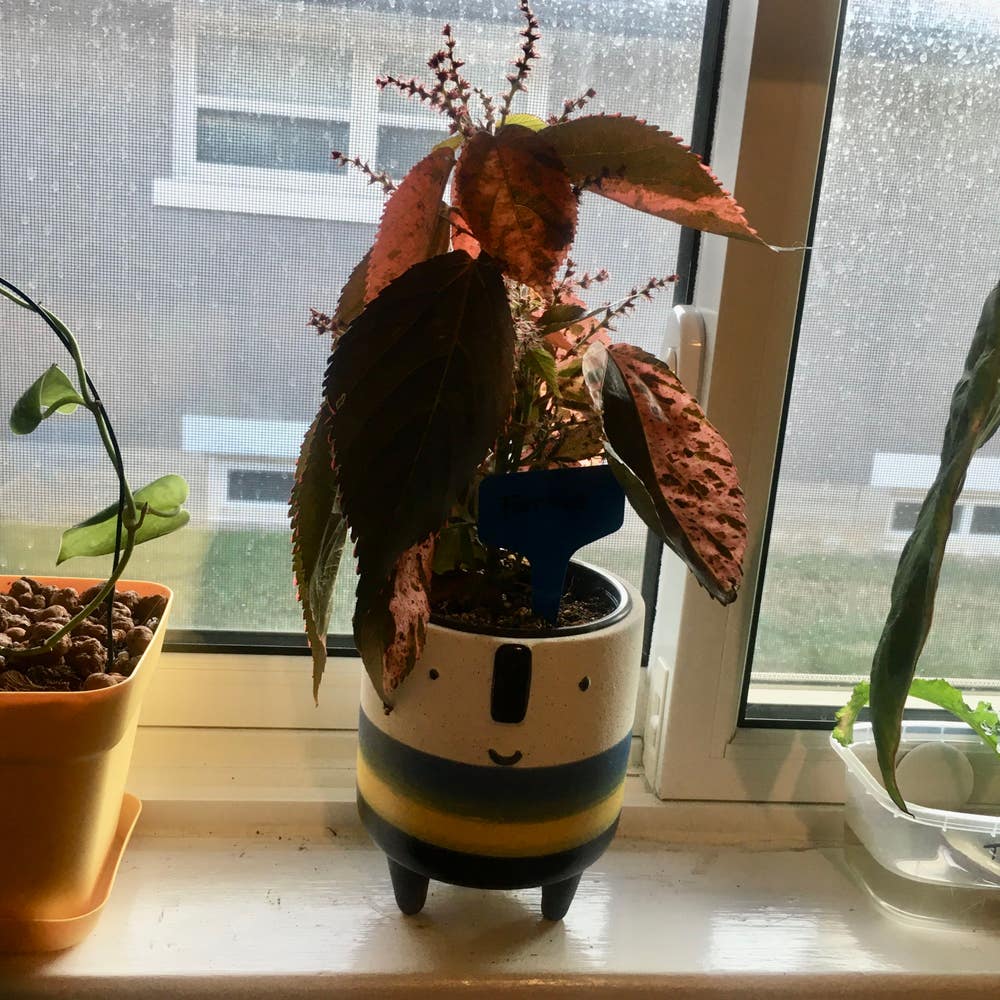
Everything You Need to Know About Acalypha jubifera
Acalypha jubifera
By the Greg Editorial Team
Feb 27, 2025•12 min read
This article was created with the help of AI so we can cover more plants for you. May contain errors. See one? Report it here.
Elevate your garden's beauty and growth with Acalypha jubifera's vibrant foliage! 🌿✨
- 🌞🌿 Acalypha jubifera thrives in warm, humid environments with ample sunlight.
- ⚠️ All parts are toxic to humans and pets; handle with care!
- 🌱💧 Consistent moisture and well-draining soil are key for healthy growth.
How to Grow
Choosing a location 🌞
Acalypha jubifera thrives in warm, humid environments with plenty of sunlight. Whether you’re planting outdoors or in containers, ensure the location receives partial to full sun for optimal growth.
Soil preparation 🌱
For best results, use well-draining, fertile soil enriched with organic matter. Aim for a pH level between 6.0 and 7.0, which is slightly acidic to neutral, to support healthy plant development.
Planting techniques 🌿
When planting, ensure the root ball is level with the soil surface to promote stability. Space your plants 18-24 inches apart if planting outdoors, allowing them room to grow and flourish.
Watering requirements 💧
Keep the soil consistently moist, but avoid waterlogging. Watch for signs of overwatering, like wilting and yellowing leaves, as well as underwatering, which can cause drooping and dry soil.
Fertilizing schedule 🌼
Use a balanced NPK fertilizer to nourish your Acalypha jubifera. Fertilize every 4-6 weeks during the growing season to support robust growth and vibrant foliage.
Pruning methods ✂️
Prune your plants in early spring to encourage bushier growth and a fuller appearance. Pinching back the tips of the stems will promote branching and enhance the plant's overall shape.
Ongoing care tips 🛡️
Regularly monitor your plants for pests and diseases to catch any issues early. Adjust your care routine based on seasonal changes, ensuring your Acalypha jubifera remains healthy throughout the year.
With these growing tips, you’ll be well on your way to cultivating a thriving Acalypha jubifera. Next, let’s explore how to propagate this beautiful plant for even more greenery in your garden.
Propagation
🌱 Seed Propagation
To start your Acalypha jubifera from seeds, begin by soaking them for 24 hours. This simple step helps to enhance germination.
Next, create a warm and humid environment for the seeds. Keeping the soil consistently moist will encourage successful germination, typically occurring within 7-14 days.
✂️ Cutting Propagation
If you prefer propagation through cuttings, select healthy stems that are 4-6 inches long. This method can be quite rewarding and allows you to expand your plant collection quickly.
For the rooting medium, a mix of peat and perlite works wonders. This combination provides excellent drainage and aeration, essential for root development.
Expect the cuttings to root in about 2-4 weeks. With proper care, you'll soon have new plants ready to thrive in your garden or home.
This propagation knowledge sets the stage for understanding the lifecycle of Acalypha jubifera, where you'll discover how these plants grow and develop over time.
Lifecycle
Lifecycle stages 🌱
Acalypha jubifera is typically grown as an annual in temperate climates. This means it completes its life cycle within a single growing season, making it a popular choice for gardeners looking for quick results.
Germination process 🌱
Seeds of Acalypha jubifera germinate within 7-14 days under optimal conditions. Providing warmth and moisture during this period is crucial for successful sprouting.
Seedling stage 🌱
The seedling stage lasts about 4-6 weeks. During this time, young plants develop their first true leaves and establish a strong root system.
Vegetative growth 🌱
Once established, Acalypha jubifera enters a rapid vegetative growth phase. Under ideal conditions, it can grow several inches per week, quickly filling garden spaces.
Flowering and seed production 🌱
Flowers typically appear in late summer to early fall. This is when the plant showcases its vibrant foliage and begins the process of seed production.
Growth timeline and speed 🌱
Acalypha jubifera can reach full maturity in just 3-6 months. This fast growth rate makes it an excellent choice for gardeners eager to see results in a short timeframe.
As you explore the lifecycle of Acalypha jubifera, you'll appreciate its dynamic growth and vibrant beauty. Next, let's delve into understanding its size and growth characteristics.
Size
Mature height and spread 🌱
Acalypha jubifera typically reaches an impressive height of 3 to 6 feet. Its spread can range from 2 to 4 feet, making it a striking addition to any garden.
Growth rate and size variability 🚀
This plant is known for its rapid growth, often adding several inches each week under optimal conditions. This fast growth rate allows it to quickly fill spaces and create lush greenery.
Impact of growing conditions on size 🌍
The size of Acalypha jubifera can be significantly influenced by its growing conditions. Factors such as light availability, water supply, and soil quality play crucial roles in determining its overall dimensions.
Understanding these aspects can help you optimize your care for Acalypha jubifera, ensuring it thrives and reaches its full potential. Next, let’s explore the fascinating lifecycle of this vibrant plant.
Roots
Root system characteristics 🌱
Acalypha jubifera features a fibrous root system that helps anchor the plant securely in the soil. This type of root structure allows for efficient nutrient absorption and stability.
Depth and spread of roots 📏
Typically, the roots of Acalypha jubifera reach a depth of 12-18 inches. They can also spread beyond the plant's canopy, allowing for a robust foundation.
Common root-related issues ⚠️
One of the most common problems is root rot, which occurs due to overwatering. Signs of root rot include wilting and yellowing leaves, indicating that the roots are struggling.
Identifying healthy vs. unhealthy roots 🧐
Healthy roots are firm, white, and spread evenly throughout the soil. In contrast, unhealthy roots appear dark, mushy, or may emit a foul smell, signaling potential issues.
Recognizing rootbound plants 🔗
If you notice roots growing out of drainage holes or circling the pot, your plant may be rootbound. The solution is simple: repot the plant into a larger container to give it more room to grow.
Understanding the root system of Acalypha jubifera is crucial for its overall health. Proper care and attention to root conditions can lead to a thriving plant that enhances your garden beautifully.
Benefits
Top 5 benefits 🌟
Acalypha jubifera, commonly known for its striking foliage, brings a vibrant aesthetic to any garden. Its lush leaves can transform a dull space into a lively oasis, making it a favorite among gardeners.
This plant is also known for its rapid growth. In just a short time, it can fill garden spaces, providing a lush backdrop for other plants and flowers.
Beyond beauty, Acalypha jubifera contributes to improved air quality. Its ability to purify the air makes it a valuable addition to both indoor and outdoor environments.
Versatility is another key benefit. Whether you’re looking to enhance your garden or add greenery to your home, this plant adapts well to various settings.
Lastly, Acalypha jubifera holds cultural significance in many regions. It is often used in traditional landscaping, adding a touch of heritage to modern gardens.
With these benefits, it’s clear why Acalypha jubifera is a popular choice for plant enthusiasts. Its combination of beauty, growth, and practicality makes it a standout in any collection.
As we explore further, let’s look at the best companion plants that can thrive alongside Acalypha jubifera.
Companion Plants
🌱 Concept of Companion Planting
Companion planting is a gardening strategy that enhances biodiversity and improves pest management. By pairing plants that support each other, you can create a healthier garden ecosystem.
🌼 Best Companion Plants
For Acalypha jubifera, consider planting it alongside Marigolds, Coleus, and Caladiums. These companions share similar care needs, making them ideal partners in your garden.
🚫 Plants to Avoid
Be cautious of planting Acalypha jubifera near species with high water requirements. These plants can compete for resources, potentially stressing your Acalypha and hindering its growth.
Companion planting not only boosts the health of your plants but also adds visual interest to your garden. By choosing the right companions, you can create a thriving environment for Acalypha jubifera and enhance your gardening experience.
Toxicity to Humans
Toxic parts 🌿
All parts of Acalypha jubifera are considered toxic. This includes the leaves, stems, and flowers, so caution is essential when handling the plant.
Symptoms of poisoning 🤢
If ingested, potential symptoms can include nausea, vomiting, diarrhea, abdominal pain, and dizziness. These reactions can vary in severity depending on the amount consumed.
How poisoning can occur 🚨
Poisoning can occur through several routes of exposure. Ingestion is the most common, but skin contact with the sap or inhalation of smoke from burning the plant can also lead to toxic reactions.
When to seek medical care 🏥
Immediate medical care is crucial if ingestion occurs or if severe symptoms develop. Don’t hesitate to contact a healthcare professional if you suspect poisoning, as timely intervention can make a significant difference.
Understanding the toxicity of Acalypha jubifera is vital for safe gardening and home care. Next, let’s explore how this plant affects our furry friends, particularly dogs.
Toxicity to Dogs
Toxic parts 🐶
All parts of the Acalypha jubifera plant are considered toxic to dogs. This includes the leaves, stems, and flowers, so it's crucial to keep your furry friends away from it.
Symptoms of poisoning 🤢
If a dog ingests any part of this plant, you may notice several alarming symptoms. Common signs include drooling, vomiting, diarrhea, weakness, and tremors.
Prevention measures 🚫
To prevent accidental ingestion, supervise your dog during outdoor time. It's also wise to remove Acalypha jubifera from areas where your pet can access it.
Importance of veterinary care 🏥
If you suspect your dog has ingested this plant, seek veterinary assistance immediately. Quick action can make a significant difference in your pet's recovery.
As you care for your garden, remember to keep your pets safe from potentially harmful plants. This awareness not only protects your dogs but also enhances your gardening experience.
Toxicity to Cats
Toxic parts 🐾
All parts of the Acalypha jubifera plant are considered toxic to cats. This includes the leaves, stems, and flowers, so it's crucial to keep your feline friends away from it.
Symptoms of poisoning 🤢
If a cat ingests any part of this plant, you may notice several alarming symptoms. Common signs include drooling, vomiting, diarrhea, weakness, and tremors.
Prevention measures 🚫
To protect your cat, it's best to keep them indoors and supervise their outdoor time. Creating a safe environment can prevent accidental ingestion of harmful plants.
Importance of veterinary care 🏥
If you suspect your cat has ingested Acalypha jubifera, seek veterinary assistance immediately. Quick action can make a significant difference in your pet's recovery.
By being aware of the toxicity of this plant, you can ensure a safer environment for your furry companions. Next, let’s explore how to keep your garden thriving despite potential pest issues.
Problems
Common Problems with Acalypha jubifera 🌱
Growing Acalypha jubifera can be rewarding, but it’s not without its challenges. Understanding these common problems will help you keep your plant thriving.
Incorrect Watering 🚰
Watering is crucial for Acalypha jubifera. Overwatering can lead to wilting and yellowing leaves, signaling that your plant is drowning. Conversely, underwatering can cause the leaves to crisp up and drop.
Incorrect Light Conditions ☀️
Light plays a vital role in plant health. If your Acalypha jubifera is getting too much sun, you might notice leaf scorch, where the edges of the leaves turn brown and crispy. Finding the right balance of light is essential for vibrant foliage.
Incorrect Temperature 🌡️
Temperature fluctuations can stunt growth. Cold drafts or sudden temperature drops can shock your plant, leading to poor health. Keep your Acalypha jubifera in a stable environment to promote robust growth.
Diseases 🦠
Fungal diseases can be a significant issue. Watch out for powdery mildew and rust, which can spread quickly in humid conditions. Regularly inspect your plant and maintain good air circulation to prevent these problems.
Leaf Issues 🍃
Leaf problems often indicate underlying issues. Yellowing leaves may suggest nutrient deficiencies, while fuzzy growth can be a sign of pests or diseases. Addressing these symptoms promptly will help maintain your plant's health.
Conclusion 📝
By being aware of these common problems, you can take proactive steps to ensure your Acalypha jubifera remains healthy and vibrant. Next, let’s explore how to effectively manage pests that may threaten your plant’s well-being.
Bugs
🐛 Potential Pest Issues
Acalypha jubifera, while a stunning addition to any garden, can attract a variety of pests. Keeping an eye on your plant is crucial to ensure it remains healthy and vibrant.
🔍 Identification of Pests
Common pests that may invade your Acalypha jubifera include spider mites, aphids, mealybugs, and whiteflies. Each of these pests can cause significant damage if not addressed promptly.
⚠️ Damage Caused by Pests
Signs of pest infestations often manifest as wilting leaves, unexpected leaf drop, and stunted growth. If you notice these symptoms, it’s time to investigate further.
🧴 Treatment Options
To combat these pests, consider using neem oil or insecticidal soap, both of which are effective and environmentally friendly. Additionally, introducing beneficial insects can help maintain a healthy balance in your garden ecosystem.
By staying vigilant and employing these control methods, you can protect your Acalypha jubifera from unwanted pests and ensure it thrives. Next, let’s explore what animals might be tempted to munch on this beautiful plant.
What Eats Acalypha jubifera
Common animals 🦌
Acalypha jubifera can attract a variety of hungry critters. Deer, rabbits, squirrels, and rodents are among the most common threats to this vibrant plant.
Signs of animal presence 🐾
Identifying animal activity is crucial for protecting your plants. Look for indicators such as chewed leaves, droppings scattered around, and tracks in the soil.
Damage caused by animals 💔
The damage caused by these animals can be significant. They often browse on leaves and stems, leading to unsightly plants and stunted growth.
Deterrent methods 🚫
Preventing animal damage requires a proactive approach. Here are some effective control options:
- Fencing: Erecting a fence can keep larger animals like deer and rabbits at bay.
- Repellents: Use commercial or homemade repellents to deter pests from munching on your plants.
- Companion planting: Strategically planting certain species can confuse or repel unwanted visitors.
By implementing these strategies, you can help safeguard your Acalypha jubifera from potential threats. Now, let’s explore how to manage common problems that may arise in your garden.
⚠️ Safety First
This content is for general information and may contain errors, omissions, or outdated details. It is not medical, veterinary advice, or an endorsement of therapeutic claims.
Always consult a qualified healthcare professional before using any plant as food, medicine, or supplement.
Never eat any plant (or feed one to pets) without confirming its identity with at least two trusted sources.
If you suspect poisoning, call Poison Control (800) 222-1222, the Pet Poison Helpline (800) 213-6680, or your local emergency service immediately.
Spotted an error? Please report it here.
Grow your Acalypha jubifera flourishingly 🌱 with Greg's custom care reminders and expert tips tailored to your plant's needs for a vibrant garden!