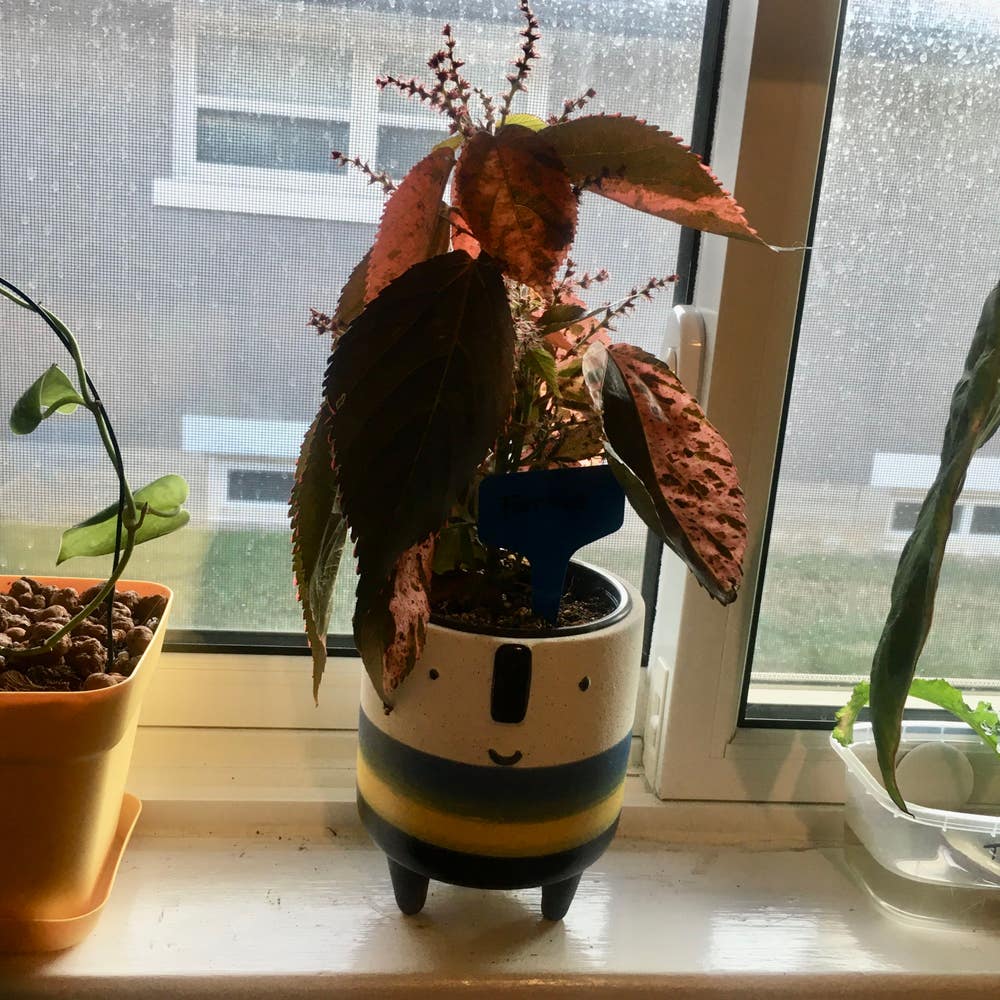
Understanding Acalypha insulana var. insulana: The Basics
Acalypha insulana var. insulana
By the Greg Editorial Team
Feb 27, 2025•13 min read
This article was created with the help of AI so we can cover more plants for you. May contain errors. See one? Report it here.
Unlock the beauty of Acalypha insulana 🌱 with expert tips for thriving growth and vibrant foliage in your garden!
- 🌞🌿 Acalypha insulana thrives in warm, humid conditions with full sun to partial shade.
- 🌱💧 Well-draining, organic-rich soil is essential for healthy growth and root health.
- ⚠️🐾 Acalypha is toxic; ingestion can cause nausea and vomiting in humans and pets.
How to Grow
Choosing a Location 🌞
Acalypha insulana var. insulana thrives in full sun to partial shade. Aim for warm temperatures, ideally between 20°C to 30°C (68°F to 86°F), and ensure high humidity levels of 60% or higher for optimal growth.
Soil Preparation 🌱
For soil preparation, choose a well-draining mix rich in organic matter. The ideal soil pH is slightly acidic to neutral, ranging from 6.0 to 7.0, and good drainage is crucial to prevent root rot.
Planting Techniques 🌿
When planting, space your plants 18-24 inches apart to allow for growth. Seeds or cuttings should be planted at a depth of 1-2 inches for best results.
Watering Requirements 💧
Water your Acalypha regularly to maintain consistent moisture in the soil. Always water at the base of the plant to avoid wetting the foliage, which can lead to disease.
Fertilizing Schedule 🌼
Use a balanced NPK fertilizer, such as 10-10-10, to nourish your plants. Fertilize every 4-6 weeks during the growing season to promote healthy growth.
Pruning Practices ✂️
Prune your Acalypha in early spring or after flowering to encourage new growth. Focus on removing dead or damaged leaves and stems to keep the plant healthy.
Ongoing Care 🕵️♀️
Regularly monitor your plants for pests and diseases to catch any issues early. Adjust your care routine based on seasonal changes to ensure your Acalypha remains vibrant and healthy.
With these guidelines, you’ll be well on your way to cultivating a thriving Acalypha insulana var. insulana. Next, let’s explore how to propagate this beautiful plant effectively.
Propagation
🌱 Seed Propagation
To propagate Acalypha insulana var. insulana from seeds, start by sowing them about 1/4 inch deep in moist soil. Ensure the environment is warm, ideally around 25°C (77°F), as this will promote germination within 7-14 days.
✂️ Cutting Propagation
For cutting propagation, select healthy stems that are 4-6 inches long. Place these cuttings in water or moist soil, and watch for roots to develop in about 2-4 weeks.
🔪 Division Propagation
Dividing the plant is best done every 2-3 years during early spring. Carefully separate the root clumps and replant them to encourage new growth and vitality.
This propagation knowledge not only helps you expand your plant collection but also ensures the health and longevity of your Acalypha insulana var. insulana. Next, let’s explore its lifecycle to understand how it grows and thrives.
Lifecycle
Germination Process 🌱
Germination is the first critical step in the lifecycle of Acalypha insulana var. insulana. Under optimal conditions, expect seeds to sprout within 7-14 days, thriving in warmth and moisture.
Seedling Stage 🌿
Once germinated, seedlings require bright light and consistent moisture to flourish. This stage is vital for establishing a strong foundation for future growth.
Vegetative Growth 🌳
During the vegetative growth phase, the plant exhibits rapid growth when provided with proper care. This is the time to ensure it receives adequate nutrients and water.
Flowering Stage 🌸
Typically occurring in late summer to early fall, the flowering stage is when the plant truly shines. Not only does it enhance garden aesthetics, but it also attracts essential pollinators.
Lifespan and Growth Rate ⏳
Acalypha insulana var. insulana reaches maturity in approximately 3-6 months. Its growth rate can be moderate to fast, depending on the care and conditions provided.
This lifecycle overview highlights the importance of each stage in nurturing a healthy plant. Understanding these phases will help you provide the best care possible, ensuring your Acalypha thrives beautifully in your garden.
Size
Mature Height and Spread 🌱
Acalypha insulana var. insulana typically reaches a height of 3 to 5 feet and spreads about 2 to 4 feet wide. This makes it a substantial addition to any garden, providing a lush, tropical feel.
Growth Rate 🚀
Under optimal conditions, this plant can achieve its full size within 6 months to 1 year. With proper care, you’ll witness its rapid growth, which is truly rewarding.
Size Variability 📏
The size of Acalypha insulana can vary based on several factors. Light exposure, water availability, and soil quality all play crucial roles in determining how large your plant will grow.
In essence, providing the right environment will help your Acalypha thrive and reach its potential. As you nurture it, keep an eye on these factors to ensure it flourishes beautifully.
Next, let’s explore the fascinating root system of this plant and how it contributes to its overall health.
Roots
🌱 Root System Characteristics
Acalypha insulana var. insulana features a fibrous root system that is both shallow and extensive. This structure allows the plant to absorb nutrients efficiently while stabilizing it in the soil.
📏 Depth and Spread of Roots
Typically, the roots extend to a depth of 12-18 inches. They can spread horizontally up to 2 feet, making them well-suited for various planting conditions.
⚠️ Common Root-Related Issues
Root rot is a significant concern, often caused by overwatering and poor drainage. Additionally, plants can become rootbound when their roots fill the pot, restricting growth.
👀 Visual Cues for Healthy vs. Unhealthy Roots
Healthy roots are firm, white, and spread out, indicating a thriving plant. In contrast, unhealthy roots appear dark, mushy, or foul-smelling, signaling potential problems.
🛠️ Tips for Managing Root Problems
Repot your Acalypha when roots become visible at the drainage holes, as this is a clear sign they need more space. Look for signs of rootbound conditions, such as stunted growth and circling roots, to ensure your plant remains healthy.
Understanding the root system of Acalypha insulana var. insulana is crucial for its overall health. By monitoring root conditions and addressing issues promptly, you can enjoy a vibrant and flourishing plant.
Next, we will explore the various benefits this plant brings to your garden and home.
Benefits
Aesthetic Appeal 🌿
Acalypha insulana var. insulana boasts striking foliage that can transform any garden into a vibrant oasis. Its lush leaves add a pop of color and texture, making it a favorite among garden enthusiasts.
Air Purification Properties 🌬️
This plant isn't just a pretty face; it has the potential to improve indoor air quality. By filtering out toxins, it contributes to a healthier living environment.
Cultural Significance 🎉
In various cultures, Acalypha insulana is often associated with prosperity and beauty. Its presence can symbolize good fortune, making it a meaningful addition to any space.
Attracting Beneficial Insects 🐝
One of the plant's standout features is its ability to attract pollinators like bees and butterflies. This not only enhances the garden's ecosystem but also supports local wildlife.
Versatility in Landscaping 🌼
Acalypha insulana is incredibly versatile in landscaping. Whether used as a border, in containers, or as a focal point, it adapts beautifully to different garden designs.
These benefits make Acalypha insulana var. insulana a valuable choice for gardeners looking to enhance their spaces. Next, let’s explore the best companion plants that can thrive alongside this stunning species.
Companion Plants
🌱 Explanation of Companion Planting Benefits
Companion planting is a fantastic way to enhance garden diversity and improve pest management. By strategically placing plants together, you can create a more resilient ecosystem that supports healthy growth.
🌼 Best Companion Plants
When it comes to Acalypha insulana var. insulana, consider companions like marigolds, Coleus, and other tropical plants. These plants share similar care needs and can help repel pests, making them ideal partners in your garden.
🚫 Plants to Avoid
While some plants thrive alongside Acalypha, others can create negative interactions. Avoid planting near species that require dry conditions, as they can compete for moisture and hinder the growth of your Acalypha.
By choosing the right companions, you can cultivate a thriving garden that not only looks beautiful but also supports the health of your plants. Next, let’s explore the potential toxicity of Acalypha insulana var. insulana to humans, dogs, and cats.
Toxicity to Humans
Identification of Toxic Parts 🌿
Acalypha insulana var. insulana contains toxic components primarily in its leaves and sap. Handling these parts can pose risks, so it's essential to be cautious.
Symptoms of Poisoning 🤢
If ingested or improperly handled, common symptoms of poisoning may include nausea, vomiting, diarrhea, and abdominal pain. These reactions can vary in severity based on the amount of exposure.
How Poisoning Can Occur 🚨
Poisoning can happen through several routes: ingestion of the plant material, skin contact with the sap, or even inhalation of smoke from burning the plant. Awareness of these risks is crucial for safety.
Importance of Seeking Medical Care 🏥
If severe symptoms arise or ingestion occurs, seeking immediate medical care is vital. Quick action can make a significant difference in treatment outcomes and recovery.
Understanding the toxicity of Acalypha insulana var. insulana is essential for safe gardening and plant care. Next, we'll explore its toxicity to pets, particularly dogs.
Toxicity to Dogs
Toxic Parts of the Plant 🐾
Acalypha insulana var. insulana poses a risk to dogs due to its leaves and sap. These parts contain compounds that can be harmful if ingested.
Symptoms of Poisoning in Dogs 🤢
If a dog consumes this plant, you may notice symptoms like drooling, vomiting, diarrhea, and weakness. These signs indicate that your furry friend may need immediate attention.
How Poisoning Can Occur 🐶
Poisoning typically occurs through ingestion of the plant material or sap. Dogs are naturally curious and may nibble on the leaves or chew on stems.
Importance of Veterinary Care 🏥
If you suspect your dog has ingested Acalypha insulana, seek veterinary care right away. Quick action can make a significant difference in treatment outcomes.
Prevention Tips 🚫
To keep your dog safe, supervise their outdoor time and consider removing this plant from your garden. Prevention is key to ensuring your pet stays healthy and happy.
As you explore the care and cultivation of Acalypha insulana, remember to keep an eye on your pets. Next, we’ll delve into how this plant can impact cats, ensuring all your furry friends are safe.
Toxicity to Cats
Toxic Parts of the Plant 🌿
Acalypha insulana var. insulana contains toxic components primarily in its leaves and sap. These parts can pose a risk to curious cats who might nibble on them.
Symptoms of Poisoning in Cats 🤢
If a cat ingests any part of this plant, it may exhibit symptoms such as drooling, vomiting, diarrhea, and weakness. These signs can vary in severity depending on the amount consumed.
How Poisoning Can Occur ⚠️
Poisoning typically occurs through ingestion of the plant material or sap. Cats may also be exposed through skin contact, although this is less common.
Importance of Veterinary Care 🏥
If you suspect your cat has ingested Acalypha insulana, seek veterinary care immediately. Prompt attention is crucial, especially if severe symptoms arise.
Prevention Tips 🐾
To keep your feline friend safe, supervise their outdoor time and consider removing this plant from your garden. Keeping cats indoors can also help prevent accidental ingestion.
This knowledge empowers you to create a safer environment for your pets while enjoying the beauty of Acalypha insulana. Next, we’ll explore its toxicity to dogs, ensuring all your furry companions are protected.
Problems
Common Problems 🌱
Acalypha insulana var. insulana can face a few common issues that every gardener should be aware of.
- Overwatering is a frequent culprit, leading to yellowing leaves and root rot.
- Underwatering can also be problematic, causing wilting and crispy leaves that signal distress.
Incorrect Light Conditions 💡
Light plays a crucial role in the health of your plant.
- If your Acalypha is exposed to too little light, you may notice leggy growth as it stretches toward the sun.
- Conversely, too much direct sunlight can result in scorched leaves, which are unsightly and harmful.
Temperature Issues 🌡️
Temperature fluctuations can significantly impact your plant's well-being.
- Leaf drop or stunted growth often indicates that your Acalypha is struggling with extreme temperatures.
- Keeping it within its preferred range will help maintain its vigor.
Diseases 🦠
Fungal diseases can be a real threat to Acalypha insulana.
- Powdery mildew is a common issue, characterized by a white, powdery coating on leaves.
- Treating it promptly with appropriate fungicides or organic solutions can save your plant.
Growth Problems 🌿
Sometimes, your plant may not grow as expected.
- Look out for leaning or leggy growth, which can indicate insufficient light or nutrients.
- A lack of flowering can also signal that something is off, whether it's care or environmental conditions.
By staying vigilant and addressing these common problems, you can ensure your Acalypha thrives beautifully in your garden. Next, let’s explore the fascinating world of pests that may threaten your plant's health.
Bugs
🐜 Common Pests
Acalypha insulana var. insulana can attract several pests that may threaten its health.
- Spider Mites: Look for fine webbing and stippled leaves, which indicate their presence.
- Scale Insects: These pests leave behind sticky residue and can be identified by the small bumps on stems.
- Mealybugs: Recognizable by their cotton-like masses on leaves and stems, mealybugs can quickly become a nuisance.
🔍 Identification of Pests
Identifying pests early is crucial for effective management.
Keep an eye out for visual cues such as discoloration, wilting, or unusual growth patterns. Regularly inspect your plant for signs of damage or pest presence to catch infestations before they escalate.
⚠️ Damage Caused by Pests
Pests can significantly impact the health of your Acalypha insulana var. insulana.
Infestations often lead to stunted growth and leaf drop, which can diminish the plant's aesthetic appeal. If left unchecked, these pests can cause severe damage, potentially leading to the plant's decline.
🧪 Treatment Options
Managing pests effectively involves a combination of organic and chemical methods.
- Organic Methods: Neem oil and insecticidal soap are excellent options for treating infestations without harming beneficial insects.
- Chemical Methods: If the problem persists, consider using appropriate pesticides as a last resort. Always follow label instructions to ensure safe application.
By staying vigilant and addressing pest issues promptly, you can keep your Acalypha insulana var. insulana thriving and beautiful. Next, let’s explore what animals might also pose a threat to your plant.
What Eats Acalypha insulana var. insulana
Common Animals That May Damage the Plant 🦌
Acalypha insulana var. insulana can attract a variety of hungry critters.
- Deer: These graceful creatures often browse on the leaves, leaving behind telltale signs of their snacking.
- Rabbits: Look for evidence of nibbling on the lower foliage, as these furry friends love to munch on tender leaves.
- Squirrels: These agile animals can cause damage to both stems and leaves, making them a common nuisance in gardens.
Signs of Animal Presence 🐾
Identifying animal visitors is crucial for protecting your plants.
- Chewed Leaves: Look for irregular bites on the foliage, which indicate a recent feast.
- Droppings: Finding droppings around your plants can also signal that animals have been nearby.
Deterrent Methods 🚫
Keeping these animals at bay can be a challenge, but several methods can help.
- Chemical Solutions: Commercial repellents are available that can deter these animals effectively.
- Organic Solutions: For a more natural approach, consider homemade deterrents like garlic spray, which many animals find unappealing.
By being proactive and observant, you can protect your Acalypha insulana var. insulana from unwanted munchers. Next, let's explore the common problems that can affect this vibrant plant.
⚠️ Safety First
This content is for general information and may contain errors, omissions, or outdated details. It is not medical, veterinary advice, or an endorsement of therapeutic claims.
Always consult a qualified healthcare professional before using any plant as food, medicine, or supplement.
Never eat any plant (or feed one to pets) without confirming its identity with at least two trusted sources.
If you suspect poisoning, call Poison Control (800) 222-1222, the Pet Poison Helpline (800) 213-6680, or your local emergency service immediately.
Spotted an error? Please report it here.
Unlock the secrets to thriving Acalypha insulana 🌿 with Greg's custom care tips and watering reminders, ensuring your plant flourishes beautifully in your home!