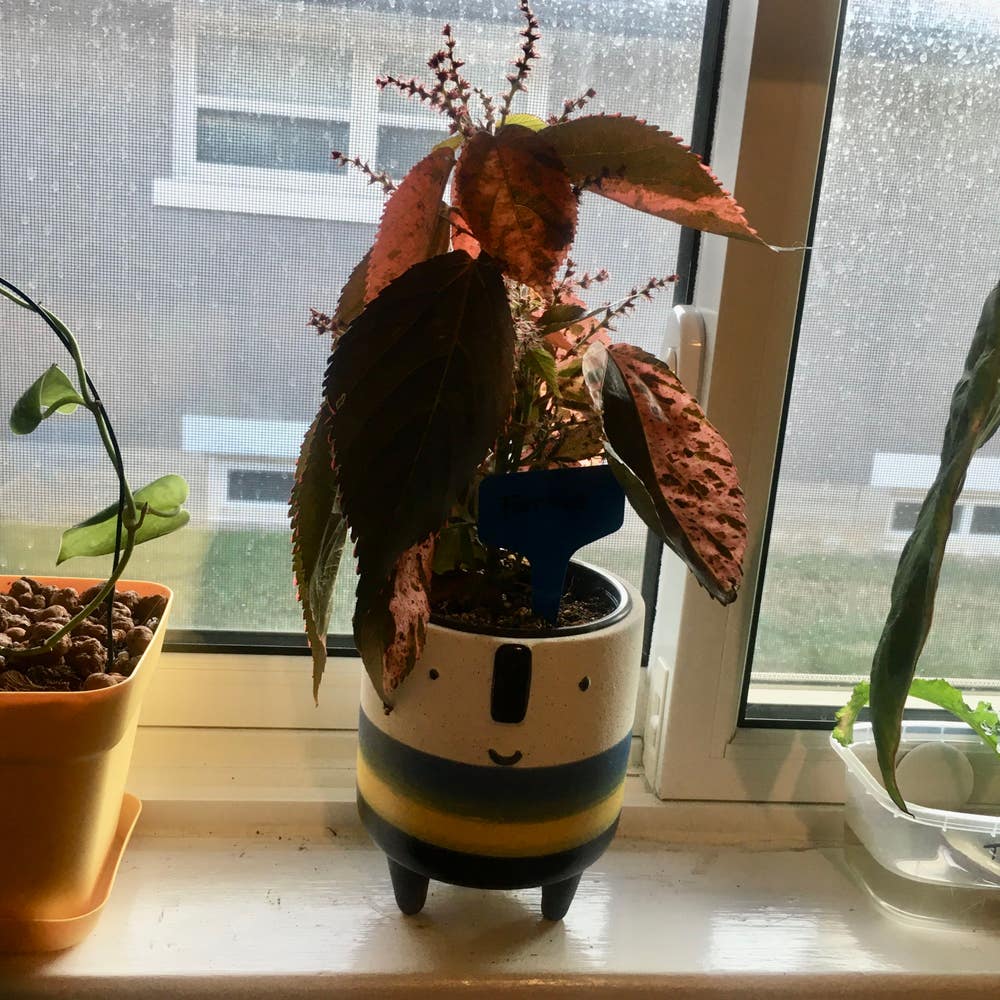
All About Acalypha infesta: Essential Facts
Acalypha infesta
By the Greg Editorial Team
Feb 27, 2025•13 min read
This article was created with the help of AI so we can cover more plants for you. May contain errors. See one? Report it here.
Elevate your garden with Acalypha infesta—learn how to grow and care for this stunning plant! 🌱✨
- 🌞 Acalypha infesta thrives in 4-6 hours of sunlight for optimal growth.
- 🌡️💧 Ideal temperature is 20-30°C with high humidity for healthy plants.
- 🌱 Use well-draining, organic soil for best results and robust growth.
How to Grow
Choosing a Location 🌞
Acalypha infesta thrives in full sun to partial shade, requiring about 4-6 hours of direct sunlight daily. For optimal growth, maintain temperatures between 20°C to 30°C (68°F to 86°F) and ensure high humidity levels of 60% or higher.
Soil Preparation 🌱
Prepare well-draining soil rich in organic matter to support healthy growth. Aim for a slightly acidic to neutral pH, ideally between 6.0 and 7.0, and ensure good drainage to prevent root rot.
Planting 🌿
When planting outdoors, space Acalypha infesta 18-24 inches apart to allow for proper growth. Plant at the same depth as in the nursery pot to help the plant establish itself quickly.
Watering 💧
Water your Acalypha infesta when the top inch of soil feels dry to the touch. Use a deep watering method to encourage robust root growth while avoiding waterlogging.
Fertilizing 🌼
During the growing season, apply a balanced liquid fertilizer with an NPK ratio of 10-10-10. Fertilize every 4-6 weeks to provide essential nutrients for healthy development.
Pruning ✂️
Prune your plant in late winter or early spring, just before new growth begins. Focus on removing dead or damaged leaves and shaping the plant for a fuller appearance.
Ongoing Care 🔍
Regularly monitor your Acalypha infesta for pests and diseases to catch any issues early. Adjust your watering and fertilizing routine based on seasonal changes to keep your plant thriving.
With these guidelines, you'll be well-equipped to grow a healthy and vibrant Acalypha infesta. Next, let’s explore how to propagate this beautiful plant effectively.
Propagation
🌱 Methods of Propagation
Acalypha infesta can be propagated through two primary methods: seeds and cuttings. Both methods are effective, but they require different approaches and timing.
📋 Step-by-Step Instructions for Each Method
Seeds (difficulty: easy)
- Start by soaking the seeds in water for 24 hours before planting. This helps to soften the seed coat and promotes germination.
- Next, plant the seeds about 1/4 inch deep in a seed-starting mix.
- Keep the soil consistently moist until germination occurs, which typically takes 7-14 days.
Cuttings (difficulty: moderate)
- For cuttings, take 4-6 inch stem cuttings from healthy plants.
- Remove the lower leaves from the cuttings to encourage rooting.
- Dip the cut ends in rooting hormone to boost root development.
- Finally, plant the cuttings in a well-draining potting mix and keep the soil moist.
⏰ Timing and Conditions for Successful Propagation
The best time to propagate seeds is in the spring when temperatures are warming up. For cuttings, early summer is ideal, as the plant is actively growing and can support new roots.
By following these steps, you can successfully propagate Acalypha infesta and enjoy its vibrant foliage in your garden or home. Now that you know how to propagate this beautiful plant, let’s explore its lifecycle to understand its growth stages better.
Lifecycle
🌱 Overview of Lifecycle Stages
The lifecycle of Acalypha infesta is fascinating and unfolds in distinct stages. It begins with germination, which takes about 7-14 days from seed.
Following germination, the seedling stage lasts 2-4 weeks until the plant develops true leaves. Next, the vegetative growth phase occurs over 4-8 weeks, during which the plant reaches its mature size. Flowering typically happens in late summer, leading to seed production as seeds develop from late summer to fall.
⏳ Duration Until Maturity
So, how long does it take for Acalypha infesta to reach full maturity? Expect approximately 3-4 months under ideal conditions. This moderate growth rate allows for a rewarding gardening experience.
🌿 Lifespan
In optimal conditions, Acalypha infesta boasts an average lifespan of 2-3 years. This longevity makes it a valuable addition to your garden, providing beauty and interest over multiple growing seasons.
As you cultivate this plant, understanding its lifecycle helps you provide the best care and anticipate its needs. Next, let’s explore the size of Acalypha infesta and what to expect as it grows.
Size
Mature Height and Spread 🌱
Acalypha infesta typically reaches a mature height of 3 to 5 feet, making it a striking addition to any garden. Its spread ranges from 2 to 3 feet, allowing it to fill space without overwhelming nearby plants.
Growth Rate and Time to Reach Full Size ⏳
This plant has a moderate growth rate, taking about 3 to 4 months to reach its full size under ideal conditions. With proper care, you can enjoy its lush foliage in no time.
Size Variability Based on Growing Conditions 🌈
The size of Acalypha infesta can vary significantly based on several factors. Light, water, and nutrient availability all play crucial roles in determining how tall and wide your plant will grow.
Understanding these aspects can help you create the perfect environment for your Acalypha infesta, ensuring it thrives and showcases its full potential. Next, let's explore the root system of this fascinating plant and how it contributes to its overall health.
Roots
Characteristics of the Root System 🌱
Acalypha infesta features a fibrous root system that is typically shallow, reaching depths of 12-18 inches. These roots can spread out 2-3 feet from the base, allowing the plant to absorb nutrients and water efficiently.
Common Root-Related Issues ⚠️
Root rot is a common problem, often caused by overwatering. Symptoms include wilting and yellowing leaves, signaling that the roots are struggling.
Another issue is being rootbound, which occurs when the roots fill the pot. This condition leads to stunted growth, as the plant cannot expand its root system.
Visual Cues for Healthy vs. Unhealthy Roots 👀
Healthy roots are firm, white, and spread out, indicating a thriving plant. In contrast, unhealthy roots appear dark, mushy, or foul-smelling, suggesting that something is wrong.
Tips for Managing Root Problems 🛠️
To prevent root rot, ensure proper drainage and avoid overwatering. Additionally, check for signs of rootbound plants, such as roots growing out of drainage holes, to maintain healthy growth.
Understanding the root system of Acalypha infesta is crucial for its overall health. By monitoring root conditions and addressing issues promptly, you can ensure your plant thrives.
Next, let’s explore the benefits of growing Acalypha infesta and how it can enhance your garden.
Benefits
🌟 Top 5 Benefits of Growing Acalypha infesta
1. Ornamental Appeal
Acalypha infesta boasts striking foliage that can elevate the aesthetics of any garden. Its vibrant leaves add a splash of color and texture, making it a standout choice for plant enthusiasts.
2. Air Purification
This plant is not just pretty; it also contributes to better indoor air quality. By absorbing toxins and releasing oxygen, Acalypha infesta helps create a healthier living environment.
3. Erosion Control
Planting Acalypha infesta can stabilize soil in garden beds. Its root system helps prevent erosion, making it a practical choice for landscaping projects.
4. Biodiversity
Acalypha infesta attracts beneficial insects and pollinators, promoting a diverse ecosystem. This can lead to a healthier garden overall, benefiting both plants and wildlife.
5. Cultural Significance
In some cultures, Acalypha infesta holds traditional value. It’s often used in various practices, adding a layer of cultural richness to your gardening experience.
These benefits make Acalypha infesta a fantastic addition to any garden, enhancing both beauty and functionality. Ready to explore how to pair it with other plants? Let’s dive into companion planting next!
Companion Plants
🪴 Explanation of Companion Planting
Companion planting is a gardening technique that pairs plants together to enhance growth and health. This method boosts garden diversity, aids in pest management, and can even improve the flavor of your crops.
🌱 List of Compatible Companion Plants
When growing Acalypha infesta, consider these compatible companions:
- Marigolds: Known for their pest-repellent properties, they help keep harmful insects at bay.
- Basil: Shares similar care needs and can enhance the flavor of nearby plants, making it a great addition to your garden.
- Coleus: Offers visual appeal with its vibrant foliage and thrives in similar light conditions.
🚫 Plants to Avoid
While some plants thrive alongside Acalypha infesta, others can hinder its growth. Nightshades, for instance, may compete for nutrients and attract similar pests, making them less than ideal companions.
By choosing the right plants to accompany Acalypha infesta, you can create a thriving garden ecosystem that benefits all your plants. Next, let’s explore the potential toxicity of Acalypha infesta to humans.
Toxicity to Humans
Identification of Toxic Parts and Compounds 🌿
Acalypha infesta has specific parts that are toxic, primarily the leaves and stems. While the exact poisonous compounds remain unidentified, exposure can lead to serious health issues.
Symptoms of Poisoning 🤢
If ingested, symptoms may include nausea, vomiting, diarrhea, abdominal pain, dizziness, and confusion. These reactions can vary in severity, so it's essential to be aware of them.
How Poisoning Can Occur 🚨
Poisoning can happen through several routes: ingesting plant parts, exposure to the sap, or inhaling smoke from burning the plant. Awareness of these risks is crucial for safety.
Guidance on Seeking Medical Care 🏥
If exposure occurs, seek immediate medical attention. Quick action is vital to mitigate potential health risks associated with this plant.
Understanding the toxicity of Acalypha infesta is essential for safe handling and care. Next, let’s explore how this plant can affect our furry friends, particularly dogs.
Toxicity to Dogs
Identification of Toxic Parts and Symptoms of Poisoning 🐶
Acalypha infesta can pose a risk to dogs, particularly its leaves and stems. If ingested, dogs may exhibit symptoms such as drooling, vomiting, diarrhea, weakness, and tremors.
How Poisoning Can Occur in Dogs ⚠️
Poisoning typically occurs through the ingestion of plant material or exposure to the sap. Dogs are naturally curious, so they might chew on or nibble the plant without realizing the danger.
Importance of Seeking Veterinary Care 🚑
If you suspect your dog has ingested any part of Acalypha infesta, seeking immediate veterinary care is crucial. Quick action can make a significant difference in your pet's recovery.
Prevention Tips 🛡️
To keep your furry friend safe, supervise their outdoor time and consider removing Acalypha infesta from your garden. Creating a pet-friendly environment can help prevent accidental poisoning and ensure your dog stays healthy and happy.
Toxicity to Cats
Identification of Toxic Parts and Symptoms of Poisoning 🐾
Acalypha infesta can be harmful to cats, with the leaves and stems being the toxic parts. Symptoms of poisoning may include drooling, vomiting, diarrhea, weakness, and tremors.
How Poisoning Can Occur in Cats 🚫
Poisoning typically occurs when a cat ingests plant material or comes into contact with the sap. It's crucial to be aware of your cat's behavior around this plant.
Importance of Seeking Veterinary Care 🏥
If you suspect your cat has ingested any part of the Acalypha infesta, seeking immediate veterinary care is essential. Quick action can make a significant difference in your cat's recovery.
Prevention Tips 🛡️
To prevent potential poisoning, keep cats indoors and supervise their outdoor time. This simple step can help ensure their safety and well-being.
As we move forward, let's explore how to manage common problems that may arise when caring for Acalypha infesta.
Problems
Common Problems Faced 🌱
1. Incorrect Watering
Watering issues are a common challenge for Acalypha infesta. Overwatering leads to wilting, while underwatering results in dry leaves.
To solve this, adjust your watering frequency based on the moisture level of the soil. Always check the top inch of soil before watering.
2. Incorrect Light Conditions
Light conditions can significantly affect plant health. If your Acalypha is leggy, it may not be getting enough light, while scorched leaves indicate too much direct sunlight.
To remedy this, relocate your plant to a spot that provides the right amount of light. Aim for a balance that suits its needs.
3. Incorrect Temperature
Temperature fluctuations can stunt growth or cause leaf drop. Acalypha infesta thrives in a warm environment, so maintaining an optimal temperature range is crucial.
Keep your plant in a consistent temperature zone between 20°C to 30°C (68°F to 86°F). This will help ensure healthy growth.
4. Diseases
Fungal diseases can plague Acalypha infesta, with powdery mildew being a common issue. Look for white spots on leaves as a telltale sign.
To combat this, improve air circulation around the plant and avoid overhead watering. These steps can help prevent fungal growth.
5. Leaf Issues
Leaf problems often arise from pest infestations or improper care. Yellowing leaves or fuzzy growth can indicate underlying issues.
Regularly check for pests and adjust your care routine accordingly. This proactive approach will keep your plant healthy and vibrant.
Conclusion 🌼
By addressing these common problems, you can ensure your Acalypha infesta thrives. With the right care, your plant will flourish and bring beauty to your space. Next, let’s explore the fascinating world of pests that may affect your plant.
Bugs
Potential Pest Issues 🐜
Acalypha infesta can attract a variety of pests that may threaten its health. Identifying these pests early is crucial for effective management.
Spider Mites
These tiny pests create fine webbing on leaves, often indicating an infestation. To combat spider mites, treat your plant with insecticidal soap, ensuring thorough coverage.
Scale Insects
Scale insects leave a sticky residue on leaves, which can be a sign of their presence. You can remove them manually or apply horticultural oil for effective control.
Mealybugs
Look for white, cottony masses on your plant; these are mealybugs. Treat them with neem oil to eliminate these pests and protect your Acalypha infesta.
Aphids
Aphids can cause distorted leaves and leave a sticky residue behind. Control these pests with insecticidal soap to keep your plant healthy.
Monitoring and Prevention 👀
Regularly inspect your Acalypha infesta for signs of these pests. Early detection and treatment can prevent more significant issues down the line.
By staying vigilant and taking action promptly, you can ensure your plant thrives without the interference of these common pests.
What Eats
🐾 Common Animals That May Eat or Damage
Acalypha infesta can attract a variety of hungry critters that may cause damage to your plants. Understanding these potential threats is crucial for maintaining a healthy garden.
Deer
Deer are notorious for munching on garden plants. Look for signs like chewed leaves and deer tracks around your garden. To deter them, consider installing fencing to keep these gentle giants at bay.
Rabbits
Rabbits love to nibble on tender foliage. If you notice nibbled leaves, it's likely a rabbit has taken a liking to your Acalypha. Using repellents or barriers can effectively keep these furry friends from feasting on your plants.
Squirrels
Squirrels may not be the first pests that come to mind, but they can cause significant damage. Signs of their presence include missing leaves and scattered debris. To deter squirrels, try using noise or movement devices around your garden.
Birds
Birds can also be a nuisance, especially when they peck at your plants. Look for pecked leaves as a sign of their activity. Using netting can help protect your Acalypha from these feathered foes.
Rodents
Rodents, such as mice and rats, can burrow into your garden and gnaw on roots and stems. Signs include burrowing or gnaw marks on your plants. Setting traps or using repellents can help manage these unwanted visitors.
By being aware of these potential threats, you can take proactive measures to protect your Acalypha infesta and ensure it thrives in your garden. Next, let’s explore the common bugs that might also pose a challenge to your plant’s health.
⚠️ Safety First
This content is for general information and may contain errors, omissions, or outdated details. It is not medical, veterinary advice, or an endorsement of therapeutic claims.
Always consult a qualified healthcare professional before using any plant as food, medicine, or supplement.
Never eat any plant (or feed one to pets) without confirming its identity with at least two trusted sources.
If you suspect poisoning, call Poison Control (800) 222-1222, the Pet Poison Helpline (800) 213-6680, or your local emergency service immediately.
Spotted an error? Please report it here.
Watch your Acalypha infesta flourish with Greg's personalized care tips 🌱, ensuring it gets the right watering and attention to thrive beautifully in your garden!