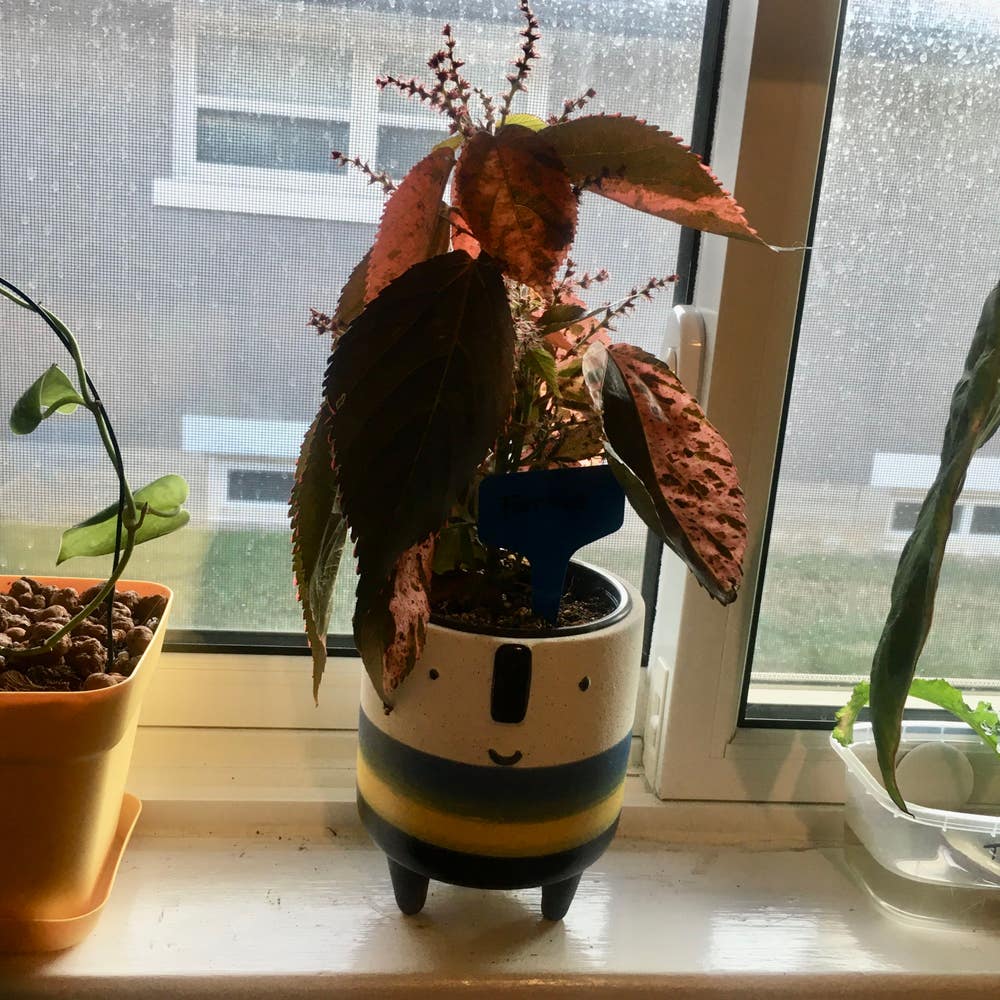
Acalypha hypogaea Explained: Key Information 🍃
Acalypha hypogaea
By the Greg Editorial Team
Feb 27, 2025•10 min read
This article was created with the help of AI so we can cover more plants for you. May contain errors. See one? Report it here.
Elevate your garden's beauty effortlessly with Acalypha hypogaea, a vibrant plant that thrives with simple care! 🌱🌼
- 🌞 Acalypha hypogaea needs 4-6 hours of sunlight for optimal growth.
- 🌱 Water consistently to keep soil moist, avoiding root rot.
- 🐾 Not toxic to pets, but large amounts may cause mild gastrointestinal upset.
How to Grow
🌞 Choosing a Location
Acalypha hypogaea thrives in full sun to partial shade, requiring 4-6 hours of direct sunlight daily. It prefers temperatures between 20°C to 30°C (68°F to 86°F), making it ideal for warm climates.
🌱 Soil Preparation
For optimal growth, use a well-draining, fertile loam or potting mix. Aim for a slightly acidic to neutral soil pH of 6.0 to 7.0, and ensure that your pots or garden beds have adequate drainage holes to prevent waterlogging.
🌿 Planting Techniques
When planting outdoors, space your Acalypha plants 18-24 inches apart to allow for their mature spread. Plant seeds or cuttings at a depth of 1/4 inch to encourage healthy root development.
💧 Watering Requirements
Keep the soil consistently moist but avoid overwatering, which can lead to root rot. Water at the base of the plant to prevent wetting the leaves, which can promote fungal diseases.
🌼 Fertilizing Schedule
Use a balanced NPK fertilizer (10-10-10) to nourish your plants. Fertilize every 4-6 weeks during the growing season to support vigorous growth and flowering.
✂️ Pruning and Ongoing Care
Regular maintenance is key to a healthy Acalypha. Remove dead or damaged leaves promptly, and plan to prune in early spring before new growth begins to encourage bushier plants.
With these growing tips, you'll set your Acalypha hypogaea up for success. Next, let’s explore how to propagate this vibrant plant for even more greenery in your garden!
Propagation
🌱 Seed Propagation
To propagate Acalypha hypogaea from seeds, start by soaking them in water for 24 hours. This simple step kickstarts the germination process, ensuring your seeds are primed for growth.
For optimal germination, maintain a temperature of 25°C (77°F). This warm environment encourages the seeds to sprout, setting the stage for healthy plants.
✂️ Cutting Propagation
Another effective method is cutting propagation. Take 4-6 inch cuttings from healthy stems, ensuring you select vigorous growth for the best results.
Timing is crucial; aim to do this in spring or early summer. This period provides the ideal conditions for rooting, giving your cuttings the best chance to thrive.
With these propagation techniques, you can easily expand your Acalypha collection and enjoy its vibrant foliage in various spots around your garden or home.
Lifecycle
🌱 Lifecycle Stages
The lifecycle of Acalypha hypogaea is a fascinating journey that begins with germination. This stage transitions into the seedling phase, followed by vegetative growth, flowering, and ultimately seed production.
⏳ Lifespan and Growth Timeline
In optimal conditions, this plant typically enjoys a lifespan of about 2 to 3 years. Expect it to reach maturity in approximately 6 to 12 months, depending on care and environmental factors.
Understanding these stages helps you appreciate the growth process and plan your gardening efforts effectively. With the right conditions, your Acalypha hypogaea can thrive and bring beauty to your space.
As we explore further, let’s dive into the size characteristics of this remarkable plant.
Size
Mature Height and Spread 🌱
Acalypha hypogaea typically reaches a mature height of 2 to 4 feet. Its spread can range from 2 to 3 feet wide, making it a lovely addition to any garden or landscape.
Growth Rate and Size Variability 📈
This plant has a moderate growth rate, which can fluctuate based on the care it receives and the environmental conditions. With the right attention, you can expect it to thrive and fill out beautifully.
Understanding the size and growth characteristics of Acalypha hypogaea is essential for planning your garden layout. Next, let’s explore the root system and its importance in plant health.
Roots
🌱 Root System Characteristics
Acalypha hypogaea features a fibrous root system that is essential for its stability and nutrient uptake. Typically, the roots extend 12 to 18 inches deep and spread wide, allowing the plant to access water and nutrients efficiently.
⚠️ Common Root-Related Issues
One of the most common problems is root rot, often caused by overwatering. Symptoms include wilting and yellowing leaves, signaling that the roots are struggling to breathe.
Another issue is becoming rootbound, which occurs when the roots fill the pot. Signs of this include stunted growth and circling roots, indicating that the plant needs more space to thrive.
👀 Visual Cues for Healthy vs. Unhealthy Roots
Healthy roots are firm, white, and spread throughout the pot, showcasing a robust plant. In contrast, unhealthy roots appear dark, mushy, or foul-smelling, which can lead to serious growth issues.
Understanding these root characteristics and potential problems can help you maintain a thriving Acalypha hypogaea. With proper care, your plant will flourish, setting the stage for the next section on its lifecycle.
Benefits
Attractive Foliage 🌿
Acalypha hypogaea boasts stunning foliage that can elevate the aesthetics of any garden. Its vibrant leaves create a lush backdrop, making it a favorite among garden enthusiasts.
Pollinator Attraction 🐝
This plant is a magnet for pollinators, which helps support local ecosystems. By planting Acalypha hypogaea, you contribute to the health of your garden and the environment.
Tropical Landscaping 🌴
With its exotic appearance, Acalypha hypogaea is perfect for creating tropical-themed landscapes. It adds a touch of the tropics, even in temperate regions.
Low Maintenance 🧑🌾
Once established, this plant requires minimal care. Its resilience makes it an excellent choice for busy gardeners or those new to plant care.
Versatile Planting Options 🌼
Whether in containers or garden beds, Acalypha hypogaea adapts well to various planting styles. This versatility allows you to incorporate it into any garden design seamlessly.
These benefits make Acalypha hypogaea a fantastic addition to your gardening repertoire. Next, let’s explore the best companion plants to enhance its growth and overall garden health.
Companion Plants
Explanation of Companion Planting Benefits 🌱
Companion planting is a fantastic way to boost your garden's health and productivity. By pairing plants that support each other, you can enhance biodiversity and improve pest management.
List of Compatible Companion Plants 🌼
When growing Acalypha hypogaea, consider these great companions:
- Marigolds: These vibrant flowers repel pests, making them a perfect partner.
- Coleus: With similar care needs, Coleus thrives alongside Acalypha.
- Caladium: Not only does it add visual appeal, but it also complements the aesthetic of Acalypha.
Plants to Avoid 🚫
While many plants can thrive together, some should be kept apart. Avoid planting Acalypha near heavy feeders like tomatoes, as they may compete for nutrients and hinder each other's growth.
By carefully selecting companion plants, you can create a thriving garden ecosystem that benefits all your plants. Next, let's explore the potential toxicity of Acalypha hypogaea to pets and humans.
Toxicity to Humans
Acalypha hypogaea is generally safe for humans, as it is not listed as toxic by major poison control centers. However, it’s wise to exercise caution; mild skin irritation or digestive discomfort can occur if large quantities are ingested.
If you experience any unusual symptoms after contact or ingestion, seeking medical advice is recommended. Staying informed about the plants around you can enhance your gardening experience while ensuring safety for everyone involved.
As you continue exploring the benefits of Acalypha hypogaea, let’s delve into its effects on pets, particularly dogs.
Toxicity to Dogs
Acalypha hypogaea is not considered toxic to dogs according to major pet poison control centers. This means you can enjoy this beautiful plant in your home without worrying about your furry friends getting sick.
However, if your dog consumes a large amount, it may experience mild gastrointestinal upset. Keep an eye on your pet for any unusual behavior or symptoms, just to be safe.
🐶 Tips for Introducing to Homes with Dogs
To ensure a harmonious coexistence between your Acalypha hypogaea and your canine companion, consider these tips:
Proper Placement: Position the plant in areas that are out of reach for your dog. High shelves or hanging pots can be great options.
Monitoring Behavior: Observe how your dog interacts with the plant. If they show excessive interest, it might be best to relocate it.
By following these simple guidelines, you can enjoy the beauty of Acalypha hypogaea while keeping your dog safe and happy.
Next, let's explore how this plant interacts with our feline friends.
Toxicity to Cats
Acalypha hypogaea is not considered toxic to cats according to major pet poison control centers. This means you can enjoy its beauty without worrying about your feline friends getting harmed.
However, if your cat consumes too much of the plant, it may experience mild gastrointestinal upset. It's always best to keep an eye on their behavior, especially if they show interest in nibbling on the leaves.
🐱 Tips for Introducing to Homes with Cats
To ensure a harmonious coexistence, consider the following tips:
Proper Placement: Position the plant in areas that are less accessible to your cat. High shelves or hanging planters can be great options.
Monitoring Behavior: Keep an eye on your cat's interactions with the plant. If they seem overly curious or start nibbling, it might be time to relocate the plant.
By taking these precautions, you can enjoy the vibrant foliage of Acalypha hypogaea while keeping your furry companions safe.
Next, let’s explore the common problems that may arise when caring for this plant.
Problems
Common Problems Faced 🌱
Growing Acalypha hypogaea can be rewarding, but it comes with its share of challenges. Understanding these common problems will help you keep your plant thriving.
Incorrect Watering 🚰
Watering is crucial for Acalypha hypogaea. Overwatering can lead to wilting and yellowing leaves, while underwatering results in dry, crispy foliage.
Incorrect Light Conditions ☀️
Light is another vital factor. Too much sun can scorch the leaves, while insufficient light can cause leggy growth, making your plant look weak and unappealing.
Diseases 🦠
Fungal diseases can also pose a threat. Watch out for powdery mildew, which appears as a white coating on leaves, and root rot, often caused by overwatering, leading to wilting and decay.
Quick Tips for Prevention 💡
- Water Wisely: Always check the soil moisture before watering.
- Monitor Light: Ensure your plant receives the right amount of sunlight.
- Inspect Regularly: Keep an eye out for any signs of disease or distress.
By staying vigilant and addressing these issues promptly, you can enjoy a healthy and vibrant Acalypha hypogaea. Next, let’s explore the pests that might also affect your plant's health.
Bugs
Potential Pest Issues 🐜
While Acalypha hypogaea is generally pest-resistant, it can still fall victim to a few unwelcome guests. Keeping an eye out for pests is essential to maintain the health of your plant.
List of Pests 🐞
Spider Mites
These tiny pests can create fine webbing and cause stippled leaves. Treat them promptly with insecticidal soap to prevent further damage.
Mealybugs
Identifiable by their cotton-like masses on leaves, mealybugs can weaken your plant. Remove them using alcohol-soaked cotton swabs for effective control.
Aphids
These small green insects can cluster on new growth, sucking sap and causing stress. Control aphid populations with neem oil or insecticidal soap for a quick fix.
By staying vigilant and addressing pest issues early, you can keep your Acalypha hypogaea thriving and beautiful. Next, let's explore the common problems that may arise in its care.
What Eats
Common Animals That May Damage 🦌
Acalypha hypogaea can attract a few hungry visitors. Deer are notorious for munching on these plants, leaving behind chewed leaves and broken stems.
Rabbits also enjoy a nibble, often resulting in clipped stems and missing foliage. Keeping an eye on your plants can help you catch these critters in action.
Methods for Deterring Animals 🚫
To protect your Acalypha hypogaea, consider using chemical deterrents. Commercial repellents or homemade solutions can effectively keep deer and rabbits at bay.
For a more organic approach, try fencing your plants or planting deterrent plants nearby. This not only protects your garden but also enhances its diversity.
⚠️ Safety First
This content is for general information and may contain errors, omissions, or outdated details. It is not medical, veterinary advice, or an endorsement of therapeutic claims.
Always consult a qualified healthcare professional before using any plant as food, medicine, or supplement.
Never eat any plant (or feed one to pets) without confirming its identity with at least two trusted sources.
If you suspect poisoning, call Poison Control (800) 222-1222, the Pet Poison Helpline (800) 213-6680, or your local emergency service immediately.
Spotted an error? Please report it here.
Unlock the secrets to thriving Acalypha hypogaea 🌱 with Greg's custom watering plans and reminders, ensuring your plant gets the care it needs to flourish in your garden!