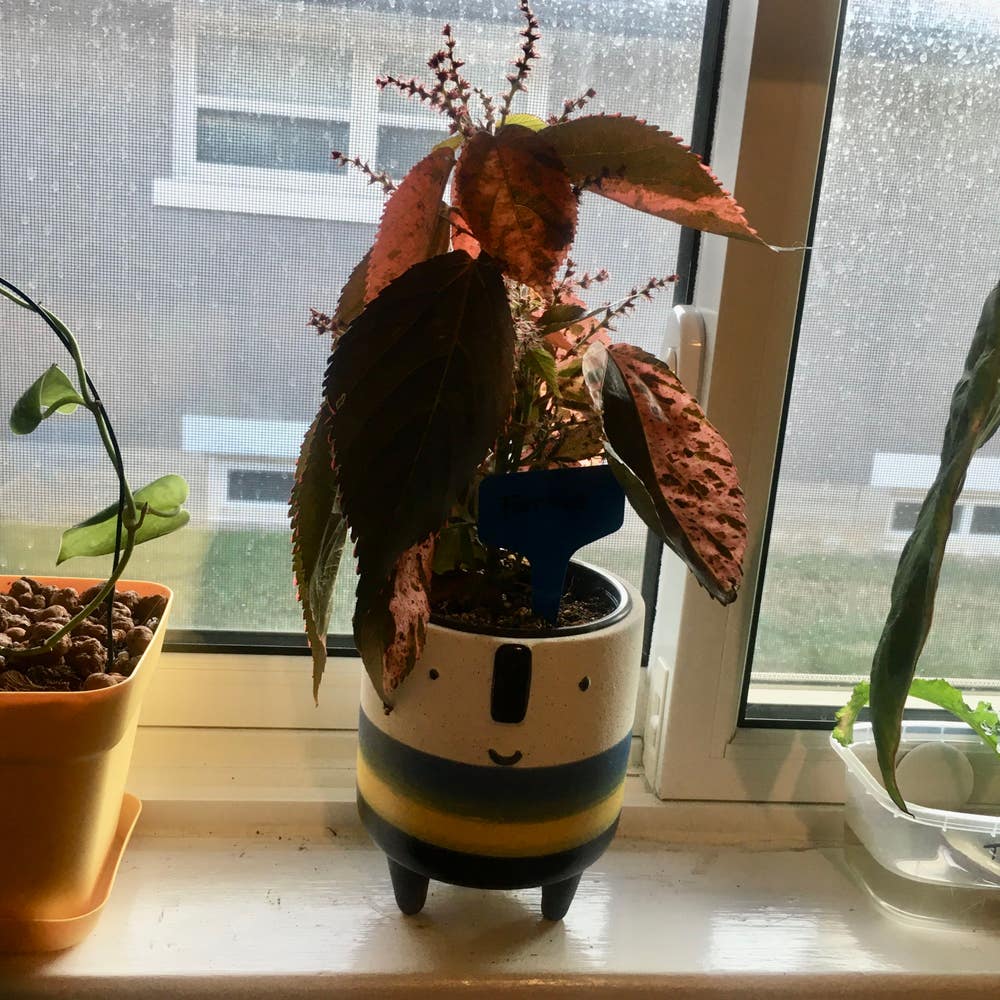
Overview of Acalypha gossweileri
Acalypha gossweileri
By the Greg Editorial Team
Feb 27, 2025•11 min read
This article was created with the help of AI so we can cover more plants for you. May contain errors. See one? Report it here.
- 🌞 Acalypha gossweileri thrives in 4-6 hours of sunlight for optimal growth.
- 🌡️💧 Ideal temperature is 20-30°C with high humidity for healthy development.
- 🌱 Use well-draining, organic-rich soil for best results in planting.
How to Grow
Choosing a Location 🌞
Acalypha gossweileri thrives in full sun to partial shade, requiring about 4-6 hours of direct sunlight daily. For optimal growth, maintain warm temperatures between 20°C to 30°C (68°F to 86°F) and ensure high humidity levels of 60% or higher.
Soil Preparation 🏞️
Prepare a well-draining soil rich in organic matter for your Acalypha gossweileri. Aim for a slightly acidic to neutral pH, ideally between 6.0 to 7.0, and ensure good drainage to prevent root rot.
Planting Techniques 🌱
When planting outdoors, space your Acalypha gossweileri 18-24 inches apart to allow for healthy growth. Plant at the same depth as in the nursery container to ensure stability and proper root development.
Watering Requirements 💧
Water your plant when the top inch of soil feels dry to the touch. Use a deep watering method to encourage robust root growth, ensuring the roots reach down into the soil.
Fertilizing Schedule 🌿
Utilize a balanced, water-soluble fertilizer with an NPK ratio of 10-10-10. Fertilize every 4-6 weeks during the growing season to provide essential nutrients for healthy growth.
Pruning Methods ✂️
Prune your Acalypha gossweileri in early spring, just before new growth begins. Focus on removing dead or damaged leaves and shaping the plant for a more attractive appearance.
Ongoing Care 🛠️
Regularly monitor your plant for signs of stress or disease, adjusting care as needed. Be prepared to modify your approach based on seasonal changes to keep your Acalypha thriving.
With these guidelines, you can cultivate a healthy and vibrant Acalypha gossweileri that will enhance your garden's beauty. Next, let’s explore how to propagate this stunning plant effectively.
Propagation
🌱 Methods of Propagation
Acalypha gossweileri can be propagated through two primary methods: seeds and cuttings. Both methods are straightforward and can yield healthy new plants.
📋 Step-by-Step Instructions for Each Method
🌾 Seeds
- Soak seeds in water for 24 hours before planting to enhance germination.
- Plant seeds 1/4 inch deep in a seed-starting mix, ensuring they have enough coverage.
- Keep soil moist until germination occurs, which typically takes 7-14 days.
✂️ Cuttings
- Remove lower leaves from cuttings, leaving a few at the top for photosynthesis.
- Dip cut ends in rooting hormone to encourage root development.
- Place in a well-draining potting mix and keep the soil consistently moist.
Propagation is an exciting way to expand your collection of Acalypha gossweileri. Whether you choose seeds or cuttings, both methods can lead to thriving new plants.
Next, let’s explore the lifecycle of this fascinating plant and understand its growth stages.
Lifecycle
Lifecycle Stages 🌱
Understanding the lifecycle of Acalypha gossweileri is essential for successful cultivation. It begins with germination, which takes about 7-14 days for seeds to sprout.
Following germination, the plant enters the seedling stage, lasting 2-4 weeks until true leaves develop. This is a crucial period where the plant establishes its foundation.
Next comes the vegetative growth phase, which spans approximately 4-6 months. During this time, the plant focuses on growing leaves and stems, preparing for future flowering.
The flowering stage typically occurs in late summer to fall, showcasing the plant's vibrant blooms. After flowering, the plant produces seeds, allowing for propagation.
In optimal conditions, Acalypha gossweileri has a total lifespan of 2-3 years. This lifecycle highlights the importance of providing the right care at each stage to ensure healthy growth and longevity.
As we move forward, let’s explore how to effectively propagate this beautiful plant.
Size
Mature Dimensions 🌳
Acalypha gossweileri can reach impressive heights, typically growing between 3 to 5 feet tall. Its mature spread ranges from 2 to 3 feet wide, making it a striking addition to any garden or indoor space.
Growth Rate and Size Variability 📈
The growth rate of Acalypha gossweileri is moderate to fast, influenced by its growing conditions. Notably, plants in garden beds often achieve larger sizes compared to those grown in containers, so consider your planting choice carefully.
As you cultivate this beautiful plant, keep in mind that its size can vary based on factors like light, water, and soil quality. Understanding these elements will help you maximize its growth potential and enjoy its lush foliage for years to come.
Next, let's explore the fascinating lifecycle of Acalypha gossweileri and how it develops from seed to maturity.
Roots
Root System Characteristics 🌱
Acalypha gossweileri features a fibrous root system that is essential for its growth. Typically, the roots are shallow, extending only 12-18 inches deep, but they can spread laterally up to 2 feet.
Common Root-Related Issues ⚠️
Root health is crucial for the overall vitality of the plant. Two common issues include root rot, which results from overwatering and poor drainage, and rootbound conditions, where roots fill the container, restricting growth.
Visual Cues for Healthy vs. Unhealthy Roots 👀
Identifying root health is straightforward. Healthy roots are firm, white, and spread evenly throughout the soil, while unhealthy roots appear dark, mushy, or emit a foul smell.
Tips for Managing Root Problems 🛠️
To manage root problems effectively, recognize rootbound plants by checking for roots growing out of drainage holes. Solutions include repotting into a larger container or trimming the roots to encourage healthy growth.
Understanding the root system of Acalypha gossweileri is vital for its care and longevity. With proper attention to root health, you can ensure your plant thrives beautifully.
Benefits
Acalypha gossweileri offers a range of benefits that make it a fantastic addition to any garden or indoor space.
Aesthetic Appeal 🌿
The plant's striking foliage can dramatically enhance the beauty of your garden. Its vibrant leaves create a lush, tropical vibe that draws the eye and elevates any landscape.
Air Purification 🌬️
Beyond its beauty, Acalypha gossweileri contributes to improved indoor air quality. It helps filter out toxins, making your living space healthier and more inviting.
Cultural Significance 🌍
In various cultures, this plant holds significant value. It is often used in traditional practices, symbolizing prosperity and vitality.
Versatility 🌈
This plant thrives in both indoor and outdoor settings. Whether you want to brighten up your home or add flair to your garden, Acalypha gossweileri fits the bill.
Attracts Pollinators 🐝
The flowers of Acalypha gossweileri are known to attract beneficial insects. This not only supports local ecosystems but also enhances the overall health of your garden.
Incorporating Acalypha gossweileri into your space not only beautifies it but also contributes positively to your environment. Next, let’s explore the best companion plants that can enhance its growth and health.
Companion Plants
Companion Planting Benefits 🌱
Companion planting involves growing different plants together to create a mutually beneficial environment. This practice can enhance pest management, improve growth, and increase overall garden diversity.
Compatible Companion Plants 🌼
When considering companion plants for Acalypha gossweileri, a few options stand out:
- Marigolds: Known for their pest-repellent properties, marigolds can help keep harmful insects at bay.
- Coleus: With similar care needs and vibrant foliage, coleus complements Acalypha beautifully.
- Ferns: These plants provide shade and maintain humidity, creating a favorable microclimate.
Plants to Avoid 🚫
While some plants thrive alongside Acalypha, others can cause issues. Nightshades, for instance, may compete for nutrients and attract pests, making them less than ideal companions.
By carefully selecting companion plants, you can create a thriving garden that supports the health and beauty of Acalypha gossweileri. This thoughtful approach not only enhances your garden's aesthetics but also fosters a balanced ecosystem.
Toxicity to Humans
⚠️ Toxic Parts and Symptoms
Acalypha gossweileri can pose a risk to humans, particularly through its leaves and stems. Ingesting these parts may lead to symptoms such as nausea, vomiting, diarrhea, and abdominal pain.
🚑 Poisoning Occurrence
Poisoning typically occurs when someone ingests the plant or comes into contact with its sap. If any symptoms arise, it's crucial to seek immediate medical care to address potential complications swiftly.
Toxicity to Dogs
Toxic Parts and Symptoms 🐶
Acalypha gossweileri can pose a risk to dogs, particularly its leaves and stems. If ingested, dogs may exhibit symptoms such as drooling, vomiting, diarrhea, and weakness.
Poisoning Occurrence and Prevention 🚫
Poisoning typically occurs when dogs ingest plant material or come into contact with the sap. To prevent incidents, supervise your dog during outdoor time and consider removing the plant from your garden to ensure their safety.
By being vigilant, you can enjoy the beauty of Acalypha gossweileri while keeping your furry friends safe. Next, let’s explore how this plant can affect our feline companions.
Toxicity to Cats
Toxic Parts and Symptoms 🐱
Acalypha gossweileri can pose a risk to our feline friends. The leaves and stems contain toxic compounds that may lead to serious health issues.
Symptoms of toxicity in cats include drooling, vomiting, diarrhea, and weakness. If you notice any of these signs, it’s crucial to act quickly.
Poisoning Occurrence and Prevention 🚫
Poisoning typically occurs when a cat ingests plant material or comes into contact with the sap. To keep your cat safe, it's best to keep them indoors and supervise their outdoor time.
By being proactive, you can prevent potential poisoning incidents. Always ensure that your garden is free from harmful plants to create a safe environment for your pets.
In the next section, we will explore how to identify and manage common problems that may arise with Acalypha gossweileri.
Problems
Common Problems with Acalypha gossweileri 🌱
Growing Acalypha gossweileri can be rewarding, but it's essential to be aware of common problems that may arise. Here’s a breakdown of the most frequent issues and how to tackle them effectively.
1. Incorrect Watering
Watering is crucial for plant health. Overwatering can lead to wilting, while underwatering results in crispy leaves.
- Solution: Adjust your watering frequency based on the moisture level of the soil. Always check the top inch of soil before watering.
2. Incorrect Light Conditions
Light plays a vital role in the growth of Acalypha gossweileri. Insufficient light can cause leggy growth, while too much direct sunlight can scorch the leaves.
- Solution: Move the plant to a location that provides the appropriate light conditions, ideally full sun to partial shade.
3. Incorrect Temperature
Temperature fluctuations can stress your plant. Stunted growth or leaf drop often signals that the temperature is not within the ideal range.
- Solution: Maintain consistent warm temperatures, ideally between 20°C to 30°C (68°F to 86°F).
4. Diseases
Fungal diseases like powdery mildew or blight can affect Acalypha gossweileri. These issues often manifest as visible spots or discoloration on the leaves.
- Solution: Improve air circulation around the plant and avoid overhead watering to reduce humidity on the leaves.
5. Leaf Issues
Yellowing or fuzzy growth on leaves can indicate various problems, including pest infestations or nutrient deficiencies.
- Solution: Regularly check for pests and assess the nutrient levels in the soil. Adjust your care routine as needed.
By staying vigilant and addressing these common problems promptly, you can ensure that your Acalypha gossweileri thrives. Next, let’s explore the potential pest issues that might affect your plant.
Bugs
🐛 Potential Pest Issues
Acalypha gossweileri can attract a variety of pests that may threaten its health. Being aware of these potential issues is crucial for maintaining a thriving plant.
🔍 Identification and Damage
Spider Mites
- Identification: Look for fine webbing on the leaves, often a sign of these tiny pests.
- Damage: They cause yellowing leaves and reduced vigor, which can lead to overall decline.
Mealybugs
- Identification: These pests appear as white, cottony masses on stems and leaf joints.
- Damage: Mealybugs stunt growth and can lead to leaf drop if not controlled.
Aphids
- Identification: Small, green or black insects often found on new growth are telltale signs of aphids.
- Damage: They cause curling leaves and secrete honeydew, which can attract other pests and lead to sooty mold.
By keeping an eye out for these pests and their signs, you can take proactive measures to protect your Acalypha gossweileri. Regular monitoring and prompt action can help ensure your plant remains healthy and vibrant.
What Eats
🦌 Common Animals
Acalypha gossweileri can attract a variety of hungry critters. Common visitors include deer, rabbits, squirrels, and rodents, all of which may find your plant irresistible.
🚨 Signs of Damage
Keep an eye out for signs that these animals have been snacking on your plants. Look for chewed leaves, droppings, and tracks around the garden. Damage from these pests can lead to browsing on foliage and stunted growth, which can be frustrating for any gardener.
🛡️ Deterrent Methods
To protect your Acalypha gossweileri, consider using deterrent methods. Chemical deterrents, such as commercial repellents, can be effective in keeping these animals at bay.
For a more natural approach, try planting deterrent plants nearby or using physical barriers like fences. These strategies can help safeguard your plants while maintaining a healthy garden environment.
By being proactive, you can enjoy the beauty of Acalypha gossweileri without the worry of unwanted nibblers.
⚠️ Safety First
This content is for general information and may contain errors, omissions, or outdated details. It is not medical, veterinary advice, or an endorsement of therapeutic claims.
Always consult a qualified healthcare professional before using any plant as food, medicine, or supplement.
Never eat any plant (or feed one to pets) without confirming its identity with at least two trusted sources.
If you suspect poisoning, call Poison Control (800) 222-1222, the Pet Poison Helpline (800) 213-6680, or your local emergency service immediately.
Spotted an error? Please report it here.
Unlock the secret to a thriving Acalypha gossweileri 🌿 with Greg's tailored care tips and watering reminders, ensuring your plant flourishes beautifully in your home!