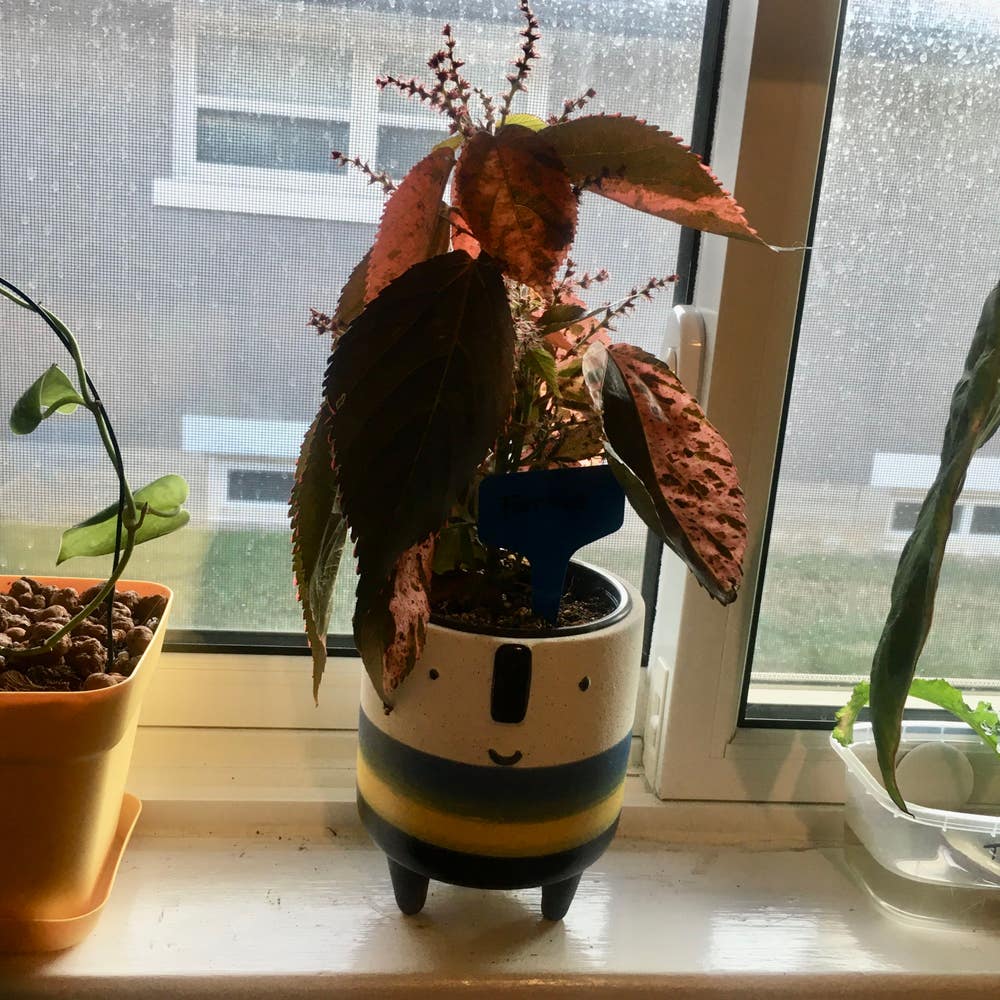
Introduction to Acalypha fruticosa var. eglandulosa
Acalypha fruticosa var. eglandulosa
By the Greg Editorial Team
Feb 27, 2025•11 min read
This article was created with the help of AI so we can cover more plants for you. May contain errors. See one? Report it here.
Elevate your garden's beauty effortlessly with Acalypha fruticosa, a stunning plant that thrives with simple care! 🌺
- 🌞 Acalypha thrives in full sun, needing at least 6 hours of sunlight daily.
- 🌡️ Ideal temperature range for growth is 20°C to 30°C (68°F to 86°F).
- 🌱 Use well-draining soil with pH 6.0 to 7.0 for optimal growth.
How to Grow
Choosing a Location 🌞
Acalypha fruticosa var. eglandulosa thrives best in full sun to partial shade, requiring at least 6 hours of sunlight daily. It prefers warm temperatures, ideally between 20°C to 30°C (68°F to 86°F), making it perfect for tropical and subtropical gardens.
Soil Preparation 🌱
For optimal growth, use well-draining, fertile soil enriched with organic matter. Aim for a slightly acidic to neutral pH level, ideally between 6.0 and 7.0, to create a healthy environment for your plant.
Planting Techniques 🌿
When planting, space your Acalypha 18-24 inches apart to allow for mature growth. Ensure you plant them at the same depth as they were in their nursery containers to promote stability and growth.
Watering Requirements 🚰
Keep the soil consistently moist but not waterlogged by watering regularly. A soaker hose or drip irrigation is ideal, as it helps avoid wetting the foliage, which can lead to fungal issues.
Fertilizing Schedule 🍽️
Use a balanced, water-soluble fertilizer with an NPK ratio of 10-10-10. Fertilize every 4-6 weeks during the growing season to provide essential nutrients for robust growth.
Pruning Practices ✂️
Prune your Acalypha in early spring to encourage bushier growth. Focus on removing dead or damaged leaves and trimming back any leggy growth to maintain a healthy appearance.
Ongoing Care 🛡️
Regularly monitor your plant for signs of stress or pest infestations. Adjust your watering and fertilizing practices based on seasonal changes to ensure your Acalypha remains vibrant and healthy.
With these guidelines, you'll be well on your way to cultivating a thriving Acalypha fruticosa var. eglandulosa. Next, let’s explore how to propagate this beautiful plant for even more greenery in your garden.
Propagation
🌱 Seed Propagation
To propagate Acalypha fruticosa var. eglandulosa from seeds, start by sowing them in a warm, humid environment. Germination typically takes 2-3 weeks, so patience is key during this initial phase.
✂️ Cutting Propagation
For cutting propagation, select healthy stems that are 4-6 inches long and remove the lower leaves. Place these cuttings in a moist potting mix and cover them with a plastic bag to maintain humidity, creating a mini greenhouse effect.
🌿 Division Propagation
Dividing established plants is best done in spring or early summer. Carefully separate the root ball into sections, ensuring that each section has both roots and foliage to promote successful growth.
This propagation knowledge sets the stage for nurturing your Acalypha fruticosa, ensuring a thriving garden. Next, let’s explore the lifecycle of this vibrant plant and how it develops over time.
Lifecycle
🌱 Lifecycle Stages
The lifecycle of Acalypha fruticosa var. eglandulosa is a fascinating journey. From seed or cutting to maturity, it typically takes about 6 to 12 months.
⏳ Germination Time
Under optimal conditions, seeds germinate within 2 to 3 weeks. This quick turnaround is one of the reasons why this plant is so popular among gardeners.
🌿 Lifespan
As a perennial plant, Acalypha fruticosa can live for several years with proper care. This longevity makes it a valuable addition to any garden, providing beauty and vibrancy season after season.
Transitioning from its lifecycle, let's explore how to effectively propagate this stunning plant.
Size
Mature Height and Spread 🌳
Acalypha fruticosa var. eglandulosa typically reaches impressive dimensions, growing between 3 to 6 feet tall and spreading 2 to 4 feet wide. This size makes it a striking addition to any garden or landscape.
Growth Rate 🚀
Under optimal conditions, this plant can grow up to 2 feet per year. With the right care, you’ll see it flourish and fill your space quickly.
Size Variability 📏
It's important to note that plants grown in containers may be smaller than those planted directly in the ground. Container growth often limits their size, so consider your planting method when planning your garden layout.
This understanding of size will help you make informed decisions about where to plant Acalypha fruticosa var. eglandulosa, ensuring it thrives in your garden. Next, let’s explore the root system and its significance in plant health.
Roots
Root System 🌱
Acalypha fruticosa var. eglandulosa features a fibrous root system that is essential for its growth. Typically, the roots extend 12-18 inches deep, allowing the plant to anchor itself securely while seeking moisture and nutrients.
Common Issues ⚠️
Root health is crucial for the overall vitality of the plant. One common issue is root rot, which results from overwatering; ensure proper drainage to prevent this problem.
Another concern is becoming rootbound, which occurs when the roots fill the container. To remedy this, repot the plant when roots become visible through the drainage holes.
Visual Cues 👀
Monitoring root health can be straightforward. Healthy roots are firm, white, and spread evenly throughout the soil, indicating a thriving plant.
In contrast, unhealthy roots appear dark, mushy, or emit a foul smell, signaling potential rot. Regular checks can help you catch these issues early and maintain a robust plant.
With proper care, Acalypha fruticosa can flourish, showcasing its vibrant foliage and contributing to your garden's beauty. Next, let’s explore the benefits this plant brings to your space.
Benefits
Aesthetic Appeal 🌺
Acalypha fruticosa var. eglandulosa is a stunning addition to any landscape. Its vibrant colors and unique textures create visual interest, making it a favorite among gardeners.
Air Purification 🌬️
This plant does more than just look good; it actively improves indoor air quality. By filtering out toxins, it contributes to a healthier living environment.
Attracts Beneficial Insects 🐝
Acalypha fruticosa serves as a habitat for pollinators and other beneficial insects. This not only supports local ecosystems but also enhances the overall health of your garden.
Cultural Significance 🎎
In various cultures, this plant symbolizes prosperity and good fortune. Incorporating it into your garden can add a layer of meaning and connection to tradition.
Versatility 🌿
Whether used in borders, containers, or as a focal point, Acalypha fruticosa fits seamlessly into diverse garden designs. Its adaptability makes it a valuable choice for any gardening enthusiast.
Incorporating Acalypha fruticosa into your garden not only beautifies your space but also supports ecological health and cultural richness. Next, let’s explore the best companion plants that can enhance its growth and aesthetic appeal.
Companion Plants
🌱 Companion Planting Benefits
Companion planting is a fantastic way to enhance garden diversity. It promotes healthy growth through beneficial relationships between plants, creating a more resilient ecosystem.
🌼 Best Companions
When planting Acalypha fruticosa var. eglandulosa, consider these excellent companions:
- Marigolds: Known for their pest-deterring properties, they help keep harmful insects at bay.
- Coleus: With similar care needs, they thrive alongside Acalypha, adding vibrant color to your garden.
- Caladiums: Their striking foliage complements Acalypha, enhancing the visual appeal of your landscape.
🚫 Plants to Avoid
While many plants can thrive together, some should be avoided. Steer clear of plants that require significantly different care, such as cacti or succulents, as they may compete for resources or create an imbalance in your garden.
By choosing the right companions, you can create a flourishing garden that not only looks great but also supports the health of your plants. This thoughtful approach to planting will set the stage for a vibrant and thriving garden.
As you consider companion planting, remember that the right combinations can lead to a more sustainable and beautiful outdoor space. Next, let's explore the potential toxicity of Acalypha fruticosa var. eglandulosa to humans and pets.
Toxicity to Humans
Potential Irritation 🌿
Acalypha fruticosa var. eglandulosa can cause skin irritation due to its leaves and sap. Symptoms may include skin rashes, itching, and mild gastrointestinal upset if ingested.
How Irritation Can Occur ⚠️
Irritation typically occurs through skin contact, ingestion, or exposure to the sap. It's essential to be cautious when handling this plant to avoid any adverse reactions.
When to Seek Care 🚑
If symptoms persist or worsen, it's wise to seek medical attention. However, most irritations are self-limiting and resolve on their own with proper care.
Safe Handling Tips 🧤
To minimize irritation risk, always wear gloves when handling the plant. Afterward, wash your hands thoroughly to remove any residual sap or plant material.
This knowledge empowers you to enjoy your gardening experience while staying safe. Next, let’s explore how Acalypha fruticosa var. eglandulosa affects our furry friends.
Toxicity to Dogs
Potential Irritation 🌿
Acalypha fruticosa var. eglandulosa can cause mild irritation in dogs. The leaves and sap may lead to symptoms like drooling, pawing at the mouth, and mild vomiting.
How Irritation Can Occur 🐾
Irritation typically occurs when dogs ingest the plant material or come into contact with its sap. It's essential to monitor your pet's behavior around this plant.
When to Seek Veterinary Care 🩺
If your dog shows persistent or worsening symptoms, it's wise to consult a veterinarian. Generally, irritation from this plant resolves on its own without medical intervention.
Toxicity Level ⚠️
This plant is not considered severely toxic to dogs. However, it can cause mild to moderate irritation, so it's best to keep an eye on your furry friend.
Understanding the potential effects of Acalypha fruticosa var. eglandulosa on dogs helps ensure a safe environment for your pets. Next, let’s explore its toxicity to cats, as they can also be affected by this plant.
Toxicity to Cats
⚠️ Potential Irritation
The leaves and sap of Acalypha fruticosa var. eglandulosa can cause mild irritation if a cat comes into contact with them or ingests them. Symptoms may include drooling, pawing at the mouth, and mild vomiting.
🐾 How Irritation Can Occur
Irritation typically occurs through ingestion of the plant material or direct contact with the sap. Cats are naturally curious, so they may nibble on the leaves or brush against the plant.
🏥 When to Seek Veterinary Care
If symptoms persist or worsen, it's wise to seek veterinary care. However, most cases of irritation resolve on their own without intervention.
🌱 Toxicity Level
This plant is not considered severely toxic to cats, but it can cause mild to moderate irritation. Keeping an eye on your feline friend can help ensure they stay safe and healthy around this vibrant plant.
Problems
Common Problems 🌱
Growing Acalypha fruticosa var. eglandulosa can come with its share of challenges.
Incorrect Watering
One of the most common issues is improper watering. Underwatering leads to wilting, while overwatering causes yellowing leaves.
Incorrect Light Conditions
Light conditions also play a crucial role in the plant's health. If you notice leaf scorch, it’s a sign of too much sun, whereas leggy growth indicates insufficient light.
Diseases
Fungal diseases can be a concern, especially in humid environments. Powdery mildew and rust are common culprits, but they can be managed effectively with fungicides.
Prevention and Management 🚀
To keep your Acalypha thriving, monitor its watering and light conditions closely.
Regularly inspect for signs of disease and treat promptly to prevent spread.
By staying vigilant, you can enjoy a healthy, vibrant plant that adds beauty to your space.
Next, let’s explore the potential pest issues that can affect your Acalypha.
Bugs
Potential Pest Issues 🐜
Acalypha fruticosa var. eglandulosa can attract certain pests, but with the right management, these issues can be effectively controlled. Regular monitoring is key to catching problems early.
Common Pests 🐞
Spider Mites
These tiny pests create fine webbing on the leaves and cause stippling damage. To combat spider mites, treat your plant with insecticidal soap, ensuring thorough coverage.
Mealybugs
Look for cotton-like masses on the stems, which indicate a mealybug infestation. You can remove these pests by hand or apply neem oil for a more comprehensive solution.
By staying vigilant and addressing pest issues promptly, you can keep your Acalypha fruticosa thriving and healthy. Next, let’s explore the common problems that may arise in its care.
What Eats
🐾 Common Animals
Acalypha fruticosa var. eglandulosa can attract a variety of herbivores. Deer, rabbits, and squirrels are particularly known for nibbling on its lush foliage.
🚨 Signs of Damage
Keep an eye out for signs of animal activity around your plants. Chewed leaves, droppings, and tracks can indicate that your garden is being visited by these hungry critters.
🛡️ Deterrent Methods
To protect your plants, consider implementing some effective deterrent methods. Physical barriers like fencing, natural repellents, or companion planting can help keep these herbivores at bay.
By being proactive, you can enjoy the beauty of your Acalypha without the worry of unwanted munchers.
⚠️ Safety First
This content is for general information and may contain errors, omissions, or outdated details. It is not medical, veterinary advice, or an endorsement of therapeutic claims.
Always consult a qualified healthcare professional before using any plant as food, medicine, or supplement.
Never eat any plant (or feed one to pets) without confirming its identity with at least two trusted sources.
If you suspect poisoning, call Poison Control (800) 222-1222, the Pet Poison Helpline (800) 213-6680, or your local emergency service immediately.
Spotted an error? Please report it here.
Transform your space with the vibrant Acalypha fruticosa 🌿 by using Greg's tailored care reminders to keep your plant thriving and beautiful all year round!