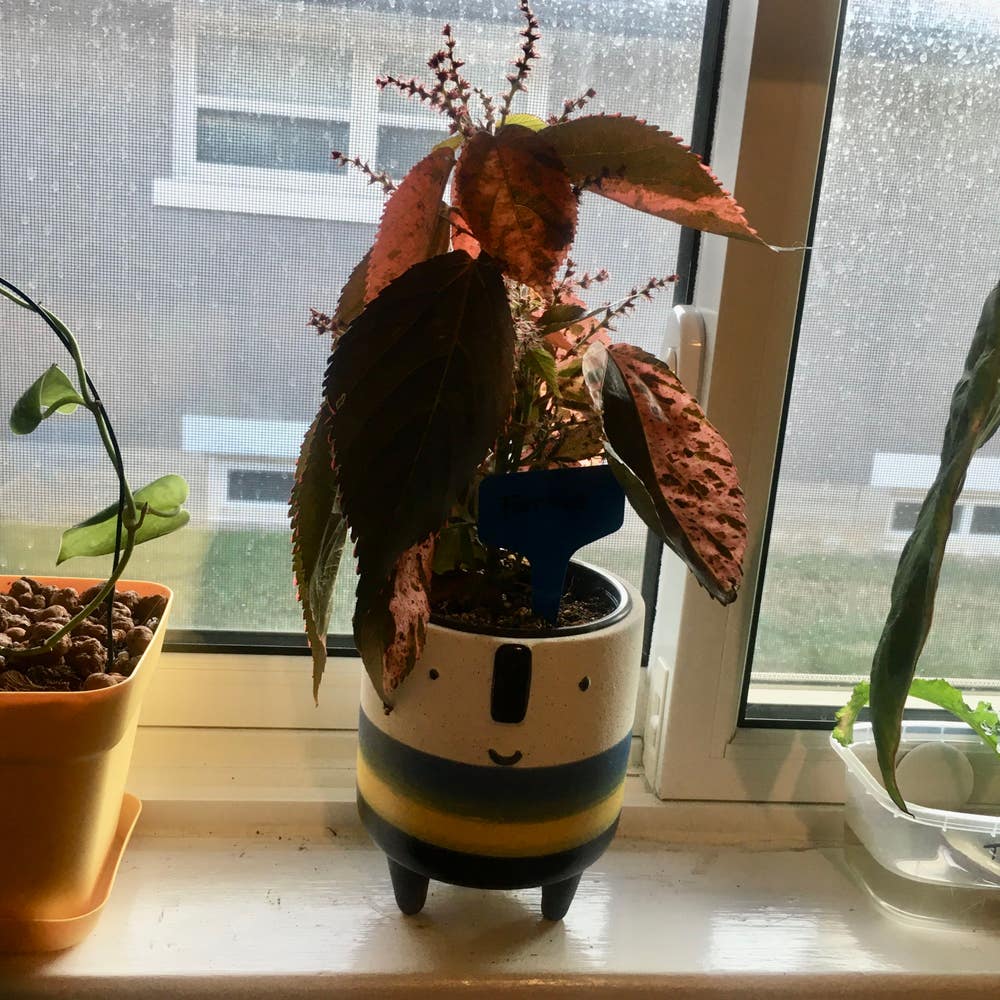
Overview of Acalypha filiformis
Acalypha filiformis
By the Greg Editorial Team
Feb 26, 2025•11 min read
This article was created with the help of AI so we can cover more plants for you. May contain errors. See one? Report it here.
Elevate your indoor garden with Acalypha filiformis, a vibrant plant that thrives with simple care! 🌱✨
- 🌱 Acalypha filiformis thrives in bright, indirect light and high humidity for optimal growth.
- 💧 Water when the top inch of soil is dry, typically every 1-2 weeks.
- ⚠️ Acalypha filiformis is toxic to pets and humans; handle with care!
How to Grow
🌞 Choosing a location
Acalypha filiformis thrives in bright, indirect light, making it perfect for indoor spaces or partially shaded outdoor areas. It prefers temperatures between 20°C to 30°C (68°F to 86°F) and requires high humidity levels; consider using a humidity tray or misting to keep it happy.
🌱 Soil preparation
For optimal growth, use a well-draining, fertile potting mix or loamy soil. Aim for a soil pH between 6.0 and 7.0, and ensure good drainage to prevent root rot, which can be detrimental to your plant's health.
🌿 Planting techniques
When planting, space your Acalypha filiformis plants 12-18 inches apart to allow for adequate airflow. Plant seeds or cuttings at a depth of 1/4 inch to encourage healthy root development.
💧 Watering requirements
Water your plant when the top inch of soil feels dry, typically every 1-2 weeks. Be sure to water thoroughly until it drains from the bottom, ensuring the roots receive enough moisture without becoming waterlogged.
🌼 Fertilizing schedule
Use a balanced, water-soluble fertilizer with an NPK ratio of 10-10-10. Fertilize every 4-6 weeks during the growing season to provide essential nutrients for robust growth.
✂️ Pruning and maintenance
Prune your Acalypha filiformis in early spring to encourage bushier growth. Trim back any leggy growth and remove dead or yellowing leaves to maintain its vibrant appearance.
🔍 Ongoing care
Regularly monitor your plant for signs of stress or pests, as early detection can save it from serious issues. Adjust your watering and fertilization routines based on seasonal changes to keep your plant thriving throughout the year.
With these care tips, your Acalypha filiformis will flourish, adding beauty and vibrancy to your space. Next, let's explore how to propagate this stunning plant effectively.
Propagation
Methods of propagation 🌱
Acalypha filiformis can be propagated through two primary methods: seeds and cuttings. Both techniques are straightforward and can yield healthy new plants.
Step-by-step instructions for each method 📋
Seeds
- Sow seeds: Plant seeds 1/4 inch deep in a well-draining, moist soil mix.
- Maintain moisture: Keep the soil consistently moist until germination occurs, which typically takes 7-14 days.
Cuttings
- Prepare cuttings: Take 4-6 inch cuttings from healthy stems and dip the cut ends in rooting hormone.
- Plant cuttings: Place the cuttings in a moist potting mix and cover them with a plastic bag to maintain humidity.
- Root development: Expect roots to develop in about 2-4 weeks.
Ideal conditions for successful propagation 🌞
For the best results, aim for warm temperatures around 25°C (77°F) and ensure high humidity levels. These conditions create an ideal environment for your Acalypha filiformis to thrive and establish roots effectively.
With these propagation methods, you can easily expand your collection of Acalypha filiformis. Next, let’s explore the lifecycle of this fascinating plant and what to expect as it grows.
Lifecycle
🌱 Overview of lifecycle stages
The lifecycle of Acalypha filiformis is fascinating and unfolds in distinct stages. It begins with germination, where seeds sprout within 7-14 days.
Following germination, the plant enters the seedling stage, developing true leaves in just 2-4 weeks. This is followed by a vigorous vegetative growth phase that lasts several months, allowing the plant to establish itself.
🌸 Flowering and seed production
Flowering typically occurs in late summer to fall, showcasing the plant's vibrant characteristics. After flowering, seeds can be harvested, completing the cycle.
⏳ Duration until maturity
Acalypha filiformis usually reaches maturity in 6-12 months. This relatively quick maturation makes it an appealing choice for gardeners looking for rapid results.
🚀 Growth rate and lifespan
This plant is known for its fast growth rate, capable of reaching up to 2 feet in a single season. As a perennial, it can thrive for several years under optimal conditions, providing ongoing beauty and interest in your garden.
Understanding these lifecycle stages helps you appreciate the growth journey of Acalypha filiformis, ensuring you can provide the best care throughout its development. Next, let’s explore how to effectively propagate this vibrant plant.
Size
Mature height and spread 🌱
Acalypha filiformis typically reaches a mature height of 2 to 3 feet. It can spread out 1 to 2 feet wide, making it a lovely addition to any garden or indoor space.
Growth rate and factors affecting size 📈
This plant is known for its rapid growth, which is influenced by several factors including light, water, and nutrients. Size can vary significantly depending on whether it's grown indoors or outdoors, with outdoor plants often reaching their full potential more quickly.
Understanding these growth dynamics can help you create the ideal environment for your Acalypha filiformis, ensuring it thrives and adds beauty to your surroundings.
Roots
Description of root system 🌱
Acalypha filiformis features a fibrous root system that is essential for its stability and nutrient uptake. Typically, the roots extend 12-18 inches deep and can spread outwards significantly, requiring ample space for healthy growth.
Common root-related issues ⚠️
One of the most common problems is root rot, which occurs due to overwatering. Symptoms include wilting and yellowing leaves, signaling that the roots are struggling to function properly.
Another issue is becoming rootbound, which happens when the roots fill the pot. This condition leads to stunted growth, as the plant cannot access the nutrients and water it needs.
Visual cues for healthy vs. unhealthy roots 👀
Healthy roots are firm, white, and spread throughout the soil, indicating a thriving plant. In contrast, unhealthy roots appear dark, mushy, or foul-smelling, which can be a sign of serious issues.
Tips for managing root problems 🛠️
To manage rootbound conditions, repot your plant into a pot that is 1-2 inches larger. This gives the roots more room to grow and access nutrients.
Additionally, ensure proper drainage to prevent root rot. Using pots with drainage holes and well-draining soil can significantly reduce the risk of overwatering.
With these tips, you can keep your Acalypha filiformis thriving and healthy. Next, let’s explore the benefits of this remarkable plant.
Benefits
🌿 Ornamental Appeal
Acalypha filiformis boasts unique foliage that can truly enhance your garden's aesthetics. Its vibrant leaves add a splash of color and texture, making it a standout choice for any plant lover.
🌬️ Air Purification
This plant doesn't just look good; it also contributes to improved indoor air quality. By filtering out toxins, Acalypha filiformis helps create a healthier living environment.
⚡ Fast Growth
If you're looking for a plant that fills spaces quickly, this is it. Acalypha filiformis is known for its rapid growth, making it perfect for those who want instant greenery.
🌍 Versatile Use
Whether indoors or outdoors, Acalypha filiformis adapts well to various settings. Its versatility allows you to enjoy its beauty in pots, gardens, or as part of a larger landscape design.
📜 Cultural Significance
In some cultures, Acalypha filiformis holds traditional medicinal value. This adds an interesting layer to its appeal, making it not just a pretty plant but one with historical importance.
With these benefits, it's clear that Acalypha filiformis is more than just a decorative plant; it’s a valuable addition to any home or garden. Next, let’s explore the fascinating world of companion plants that thrive alongside Acalypha filiformis.
Companion Plants
🌱 Understanding Companion Planting
Companion planting is a gardening technique that enhances diversity and pest management. By pairing plants with complementary needs, you can create a thriving ecosystem in your garden.
🌼 Compatible Companion Plants
Here are some excellent companions for Acalypha filiformis:
- Marigolds: These vibrant flowers repel pests and attract beneficial insects, making them a must-have in any garden.
- Coleus: With similar light and water requirements, coleus adds visual appeal while supporting the growth of Acalypha.
- Basil: Not only does basil enhance the flavor of nearby plants, but it also promotes healthier growth.
🚫 Plants to Avoid
Be cautious with nightshades. These plants may compete for nutrients and attract similar pests, potentially harming your Acalypha filiformis.
By carefully selecting companion plants, you can create a flourishing garden that benefits all its inhabitants. This thoughtful approach not only enhances aesthetics but also promotes a healthier growing environment.
Toxicity to Humans
Identification of toxic parts and compounds 🧪
Acalypha filiformis has toxic components primarily found in its leaves and stems. These parts contain compounds that can lead to poisoning, resulting in symptoms such as nausea, vomiting, diarrhea, abdominal pain, and dizziness.
How poisoning can occur ⚠️
Poisoning typically occurs through ingestion of the plant or skin contact with its sap. It's crucial to handle the plant with care to avoid any adverse effects.
Guidance on seeking medical care 🚑
If ingestion occurs or severe symptoms develop, seek immediate medical attention. Quick action can make a significant difference in managing potential poisoning.
Understanding the toxicity of Acalypha filiformis is vital for safe handling and care. Now, let's explore its toxicity to pets, particularly dogs.
Toxicity to Dogs
Identification of toxic parts and symptoms 🐶
Acalypha filiformis can pose a risk to dogs, primarily through its leaves and stems. If ingested, symptoms may include drooling, vomiting, diarrhea, and weakness.
How poisoning can occur ⚠️
Poisoning typically occurs when dogs chew on or ingest the plant material. Additionally, exposure to the sap can also lead to adverse reactions.
Prevention measures 🛡️
To keep your furry friends safe, supervise their outdoor time and consider removing Acalypha filiformis from your garden. This simple step can prevent potential health issues and ensure a worry-free environment for your pets.
Toxicity to Cats
Identification of toxic parts and symptoms 🐱
Acalypha filiformis can pose a risk to our feline friends. The leaves and stems contain compounds that can be harmful, leading to symptoms like drooling, vomiting, diarrhea, and weakness.
How poisoning can occur ⚠️
Poisoning can happen if a cat ingests any part of the plant or comes into contact with its sap. It's essential to be vigilant, especially if your cat is curious and likes to nibble on greenery.
Prevention measures 🛡️
To keep your cat safe, consider keeping them indoors, especially if you have Acalypha filiformis in your garden. Supervise their outdoor time and remove the plant from accessible areas to prevent any mishaps.
By taking these precautions, you can enjoy your beautiful plants while ensuring your furry companions stay healthy and happy.
Problems
Common Problems Faced 🌱
Growing Acalypha filiformis can be rewarding, but it comes with its share of challenges.
- Incorrect watering: Overwatering can lead to root rot, while underwatering causes wilting.
- Incorrect light conditions: Insufficient light often results in leggy growth, making the plant look sparse.
- Diseases: This plant is susceptible to powdery mildew and rust, which can hinder its health.
- Leaf issues: Yellowing leaves typically indicate nutrient deficiency or overwatering.
Identification and Causes 🔍
Identifying problems early can save your plant from serious damage.
Look for signs like wilting, yellowing leaves, or stunted growth. These symptoms often point to underlying issues such as improper watering or inadequate light.
Solutions for Resolving Common Problems 🛠️
Fortunately, many of these issues can be resolved with a few adjustments.
- Adjust watering frequency: Ensure you’re watering only when the top inch of soil feels dry.
- Ensure proper light exposure: Move your plant to a brighter location if it’s not getting enough light.
By keeping a close eye on your Acalypha filiformis and making these simple changes, you can help it thrive.
Next, let’s explore the potential pest issues that could affect your plant’s health.
Bugs
Potential Pest Issues 🐜
Acalypha filiformis, while generally resilient, can still attract a few pesky pests. Keeping an eye on your plant will help you catch any issues early.
Identification of Pests and Damage Caused 🔍
- Spider Mites: Look for fine webbing and stippled leaves, which indicate these tiny troublemakers are at work.
- Mealybugs: These pests leave behind cotton-like masses on stems and leaves, making them easy to spot.
- Aphids: If you notice sticky residue or curled leaves, aphids might be the culprits.
Effective Treatment Options 💪
To combat these pests, consider using insecticidal soap or neem oil. Both options are effective and can help restore your plant's health.
You can also introduce beneficial insects, like ladybugs, to your garden. They are natural predators of many common pests and can help keep your Acalypha filiformis thriving.
By staying vigilant and employing these strategies, you can protect your plant from unwanted visitors and ensure it remains healthy and vibrant.
What Eats
🦌 Common Animals That May Damage
Acalypha filiformis can attract a variety of hungry critters.
- Deer: These graceful creatures leave behind chewed leaves and distinctive tracks.
- Rabbits: Look for nibbled stems and tiny droppings as signs of their presence.
- Squirrels: Missing leaves and digging around the base often indicate squirrel activity.
🕵️♂️ Signs of Animal Presence and Types of Damage
Identifying animal visitors is crucial for protecting your plant.
Check for chewed foliage, which suggests a munching visitor. Tracks and droppings near the plant can also provide clues about which animal is causing the damage.
🚫 Methods for Deterring or Managing These Animals
Keeping your Acalypha filiformis safe from these pests requires a few proactive strategies.
- Fencing: Erecting a fence can create a physical barrier against larger animals like deer.
- Repellents: Consider using natural repellents to deter rabbits and squirrels.
- Companion Plants: Planting certain species nearby can help mask the scent of your Acalypha, making it less appealing to herbivores.
By implementing these methods, you can enjoy the beauty of your Acalypha filiformis without the worry of unwanted nibblers. Next, let’s explore the potential pest issues that may arise with this resilient plant.
⚠️ Safety First
This content is for general information and may contain errors, omissions, or outdated details. It is not medical, veterinary advice, or an endorsement of therapeutic claims.
Always consult a qualified healthcare professional before using any plant as food, medicine, or supplement.
Never eat any plant (or feed one to pets) without confirming its identity with at least two trusted sources.
If you suspect poisoning, call Poison Control (800) 222-1222, the Pet Poison Helpline (800) 213-6680, or your local emergency service immediately.
Spotted an error? Please report it here.
Keep your Acalypha filiformis thriving 🌱 with Greg's tailored care reminders and expert tips, ensuring it gets the bright light, proper watering, and nutrients it needs to flourish beautifully!