Ultimate Guide to Acalypha echinus 🦔
Acalypha echinus
By the Greg Editorial Team
Feb 26, 2025•11 min read
This article was created with the help of AI so we can cover more plants for you. May contain errors. See one? Report it here.
Elevate your garden with Acalypha echinus, a stunning plant that thrives with simple care and offers amazing benefits! 🌿
- 🌞🌿 Acalypha echinus thrives in warm, humid conditions with full sun to partial shade.
- 💧 Keep soil moist but well-draining to prevent root rot and fungal issues.
- 🐾⚠️ Toxic to pets; symptoms include drooling and vomiting—consult a vet if ingested.
How to Grow
Choosing a Location 🌞
Acalypha echinus thrives in full sun to partial shade, making it versatile for various garden settings. Aim for warm temperatures, ideally between 20°C to 30°C (68°F to 86°F), and ensure high humidity levels of 60% or higher for optimal growth.
Soil Preparation 🌱
For soil preparation, select a well-draining mix rich in organic matter. The ideal pH should be slightly acidic to neutral, ranging from 6.0 to 7.0, to support healthy root development.
Planting Techniques 🌿
When planting, space your Acalypha echinus 18-24 inches apart to allow for optimal growth. Ensure the planting depth is level with the soil surface to promote stability and health.
Watering Requirements 🚰
Regular watering is crucial; keep the soil consistently moist but avoid sogginess. Water at the base of the plant to prevent wetting the foliage, which can lead to fungal issues.
Fertilizing Schedule 🍽️
Use a balanced NPK fertilizer, such as 10-10-10, to nourish your plants. Apply it monthly during the growing season, from spring to early fall, to support vigorous growth.
Pruning Methods ✂️
Prune your Acalypha echinus in late winter or early spring, just before new growth begins. Focus on removing dead or damaged leaves and spent flowers to encourage a healthy appearance.
Ongoing Care 🛡️
Regularly monitor your plants for signs of stress or pest infestations. Be prepared to adjust your care routine based on seasonal changes to keep your Acalypha echinus thriving.
Transitioning from planting to propagation, understanding how to effectively propagate Acalypha echinus can enhance your gardening experience.
Propagation
🌱 Seed Propagation
To propagate Acalypha echinus from seeds, start by soaking them for 24 hours before planting. This simple step kickstarts the germination process, ensuring better growth.
For optimal results, maintain warm temperatures around 25°C (77°F) and high humidity levels. These conditions create a nurturing environment for the seeds to sprout and thrive.
✂️ Cutting Propagation
Cutting propagation is another effective method. Select healthy stems that are 4-6 inches long, ensuring they are free from disease or damage.
For the rooting medium, use a mix of perlite and peat moss. This combination provides excellent drainage and aeration, crucial for healthy root development.
Under ideal conditions, expect rooting to take about 2-4 weeks. Keep the cuttings in a warm, humid environment to encourage robust growth.
With these propagation techniques, you can easily expand your Acalypha echinus collection. Whether you choose seeds or cuttings, both methods offer a rewarding gardening experience.
Next, let’s explore the lifecycle of this fascinating plant and what to expect as it grows.
Lifecycle
Stages of Growth 🌱
Acalypha echinus undergoes several distinct stages throughout its lifecycle. It begins with germination, where seeds sprout and develop into seedlings.
As the plant matures, it enters the vegetative growth phase, characterized by robust leaf development. This is followed by flowering, where the plant showcases its unique blooms, ultimately leading to seed production.
Lifespan and Maturity ⏳
Typically, Acalypha echinus is a perennial plant, meaning it can live for several years. It reaches maturity in approximately 1 to 2 years, allowing gardeners to enjoy its beauty and benefits relatively quickly.
Understanding these stages is crucial for effective care and management, ensuring your plant thrives throughout its lifecycle. This knowledge sets the foundation for the next section on size and growth habits, where we’ll explore how to maximize your plant's potential.
Size
🌱 Growth Habits
Acalypha echinus typically reaches a mature height of 3 to 5 feet, making it a striking addition to any garden. With a mature spread of 2 to 3 feet, it offers a lush, full appearance that can enhance your landscape.
⚡️ Growth Rate
This plant has a moderate growth rate, which means it won't take over your garden overnight. However, its growth is influenced by several factors, including light, water, and nutrient availability, so providing optimal conditions is key to its success.
📏 Summary
Understanding the size and growth habits of Acalypha echinus helps you plan its placement effectively. With the right care, this plant can thrive and become a stunning focal point in your garden.
As we move forward, let’s explore the roots of Acalypha echinus and their characteristics.
Roots
Characteristics 🌱
Acalypha echinus features a fibrous root system that supports its growth and stability. These roots are typically shallow, extending only 12-18 inches deep, but they can spread laterally up to 2 feet, allowing the plant to absorb nutrients effectively.
Common Issues ⚠️
Despite their resilience, the roots can face challenges. Root rot is a significant concern, often caused by overwatering and poor drainage, which can lead to plant decline.
Another issue is becoming rootbound, where the roots circle around the pot, stunting growth. Signs of this problem include reduced vigor and a noticeable lack of new growth.
Understanding these root characteristics and potential issues is crucial for maintaining a healthy Acalypha echinus. Proper care and attention can help prevent these common problems, ensuring your plant thrives beautifully.
As we move forward, let's explore the benefits of this stunning plant and why it deserves a spot in your garden.
Benefits
Top 5 Benefits 🌟
Acalypha echinus is not just a pretty face in the garden; it offers a range of benefits that make it a must-have for any plant enthusiast.
Ornamental Appeal
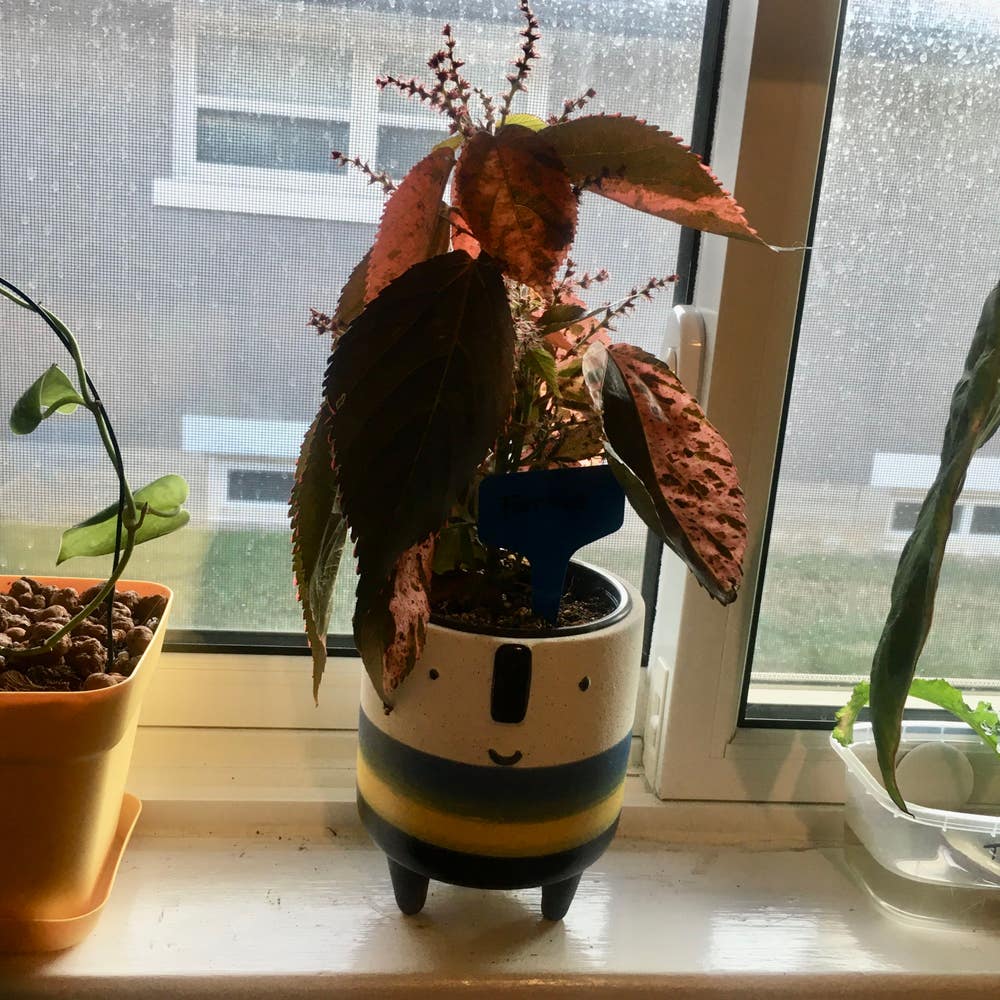
With its unique foliage and striking spiky inflorescences, this plant adds a vibrant touch to any landscape. Its eye-catching appearance can elevate the aesthetics of your garden, making it a focal point.
Attracts Pollinators
One of the joys of gardening is watching nature thrive. Acalypha echinus attracts bees and butterflies, contributing to a lively ecosystem in your backyard.
Air Purification
Beyond beauty, this plant plays a role in improving air quality. Its ability to filter toxins makes it a great addition to indoor spaces as well.
Versatile Landscaping
Whether you’re looking to fill borders, enhance container gardens, or create a tropical vibe, Acalypha echinus fits the bill. Its adaptability allows it to thrive in various settings, making it a versatile choice for gardeners.
Cultural Significance
In addition to its practical benefits, Acalypha echinus holds cultural importance in Pacific Island traditions. It’s often used in local practices, adding a layer of meaning to its cultivation.
These benefits make Acalypha echinus a valuable addition to any garden, enhancing both beauty and biodiversity. Next, let’s explore the best companion plants that can thrive alongside this stunning species.
Companion Plants
Best Companions 🌱
Choosing the right companion plants for Acalypha echinus can significantly enhance your garden's health and aesthetics. Companion planting not only boosts garden diversity but also aids in pest management, creating a thriving ecosystem.
Benefits of Companion Planting:
- Pest Management: Certain plants can repel pests that might otherwise harm Acalypha echinus.
- Microclimate Creation: Some companions help maintain humidity levels, which is beneficial for Acalypha.
Top Companion Plants:
- Marigolds: Known for their pest-repelling properties, marigolds deter harmful insects and add vibrant color to your garden.
- Coleus: With similar care needs, coleus thrives in similar conditions and offers stunning foliage that complements Acalypha's unique appearance.
- Ferns: These humidity-loving plants create a lush environment, enhancing the moisture levels that Acalypha prefers.
Incorporating these companions not only supports the health of Acalypha echinus but also enriches your garden's overall beauty. By selecting the right plants, you can create a harmonious and vibrant space that flourishes together.
As you plan your garden, consider how these companions can work together with Acalypha echinus to create a stunning landscape. Next, let’s explore the potential toxicity of Acalypha to ensure a safe gardening experience.
Toxicity to Humans
Potential for Irritation 🌿
Acalypha echinus can pose some risks to humans, primarily through its leaves and sap. These parts may cause skin irritation, leading to rashes and itching.
If ingested, the plant can result in mild gastrointestinal upset. It's essential to handle this plant with care, especially if you have sensitive skin or allergies.
Always wash your hands after touching the plant to minimize any potential reactions. Awareness of these effects can help you enjoy your gardening experience without worry.
As you explore the beauty of Acalypha echinus, remember to keep safety in mind. This knowledge ensures that your gardening journey remains enjoyable and free from unexpected irritations.
Next, let’s delve into how this plant can affect our furry friends, particularly dogs.
Toxicity to Dogs
Potential for Irritation 🐶
Acalypha echinus can pose some risks to our furry friends. The leaves and sap of this plant may cause irritation if ingested.
Symptoms to Watch For 👀
If a dog has nibbled on Acalypha echinus, keep an eye out for drooling, pawing at the mouth, or mild vomiting. These symptoms indicate that your pet may be experiencing discomfort.
What to Do 🚑
If you suspect your dog has ingested any part of the plant, it’s best to consult your veterinarian. Quick action can help ensure your pet stays safe and healthy.
Prevention Tips 🛡️
To keep your dog safe, consider placing Acalypha echinus out of reach or in areas where your pet doesn’t roam. Awareness is key to preventing any potential issues.
As we explore the fascinating world of Acalypha echinus, understanding its effects on pets is crucial. Next, let’s delve into how this plant can affect our feline friends.
Toxicity to Cats
Potential for Irritation 🐱
Acalypha echinus can pose some risks to our feline friends. The leaves and sap of this plant may cause irritation if ingested.
Symptoms to Watch For 🤢
If a cat comes into contact with Acalypha echinus, you might notice some telltale signs. Common symptoms include drooling, pawing at the mouth, and mild vomiting.
Keeping Cats Safe 🛡️
To ensure your cat's safety, consider placing this plant out of reach or opting for cat-friendly alternatives. Awareness is key to maintaining a harmonious home for both your plants and pets.
Conclusion 📜
Understanding the potential toxicity of Acalypha echinus helps you create a safer environment for your cats. With a little caution, you can enjoy the beauty of this plant while keeping your furry companions healthy.
This wraps up our discussion on toxicity to cats. Next, we’ll explore how Acalypha echinus can affect dogs.
Problems
🌱 Common Issues with Acalypha echinus
Growing Acalypha echinus can be rewarding, but it comes with its share of challenges. Understanding these common issues will help you maintain a healthy plant.
💧 Incorrect Watering
Watering is crucial for Acalypha echinus. Overwatering can lead to yellowing leaves, while underwatering results in drooping foliage.
- Overwatering: Look for yellow leaves as a sign that your plant is getting too much water.
- Underwatering: If the leaves are drooping, it’s time to give your plant a drink.
☀️ Incorrect Light Conditions
Light plays a significant role in the health of your plant. Too much sun can scorch the leaves, while insufficient light can cause leggy growth.
- Leaf Scorch: Watch for crispy, brown edges if your plant is getting too much direct sunlight.
- Leggy Growth: If your Acalypha echinus appears stretched out, it may be craving more light.
🦠 Diseases
Fungal diseases can also pose a threat to your Acalypha echinus. Two common issues are powdery mildew and black rot.
- Powdery Mildew: This appears as a white, powdery substance on leaves, often due to high humidity and poor air circulation.
- Black Rot: Look for dark, water-soaked spots on leaves, which can spread quickly if not addressed.
By keeping an eye on these potential problems, you can ensure your Acalypha echinus thrives. Next, let’s explore the fascinating world of pests that might invade your plant.
Bugs
Potential Pest Issues 🐜
Acalypha echinus can attract a few pesky pests that may disrupt its growth. Understanding these common bugs is essential for maintaining a healthy plant.
Spider Mites
Spider mites are tiny but troublesome. You might notice fine webbing on your plant and stippled leaves, indicating their presence.
Mealybugs
Mealybugs are another nuisance, identifiable by their white, cottony masses on stems and leaves. These pests can weaken your plant by sucking its sap.
Aphids
Aphids are small, green insects that love to curl up the leaves of Acalypha echinus. Their feeding can lead to distorted growth and overall plant stress.
Managing Pest Problems 🛠️
To keep your plant thriving, regularly inspect for these pests. Early detection and treatment can prevent significant damage and ensure your Acalypha echinus remains vibrant and healthy.
Next, let's explore the common problems that can arise when caring for this beautiful plant.
What Eats
🦌 Common Animals
Acalypha echinus can attract a variety of garden visitors, some of which may not have the plant's best interests at heart.
Deer
Deer are notorious for munching on garden plants. Look for signs like chewed leaves and broken stems, which indicate these graceful grazers have paid a visit.
Rabbits
Rabbits can also be a nuisance, especially in areas where they roam freely. You might notice evidence of nibbling on the lower leaves, leaving behind a trail of destruction.
Squirrels
Squirrels, while often entertaining, can cause damage too. They tend to dig around the base of the plant, which can disturb the roots and affect overall health.
Understanding these common animals can help you take proactive measures to protect your Acalypha echinus. By implementing barriers or deterrents, you can enjoy the beauty of this plant without the worry of unwanted visitors.
⚠️ Safety First
This content is for general information and may contain errors, omissions, or outdated details. It is not medical, veterinary advice, or an endorsement of therapeutic claims.
Always consult a qualified healthcare professional before using any plant as food, medicine, or supplement.
Never eat any plant (or feed one to pets) without confirming its identity with at least two trusted sources.
If you suspect poisoning, call Poison Control (800) 222-1222, the Pet Poison Helpline (800) 213-6680, or your local emergency service immediately.
Spotted an error? Please report it here.
Unlock the full potential of your Acalypha echinus 🌿 with Greg's tailored watering reminders and expert care tips, ensuring your plant thrives beautifully in your garden!