Overview of Acalypha dumetorum
Acalypha dumetorum
By the Greg Editorial Team
Feb 26, 2025•6 min read
This article was created with the help of AI so we can cover more plants for you. May contain errors. See one? Report it here.
Elevate your garden with Acalypha dumetorum 🌱 by mastering its care and propagation for vibrant growth!
- 🌞 Acalypha dumetorum thrives in warm, humid conditions with full sun to partial shade.
- 🌱 Well-draining, organic-rich soil is crucial for healthy growth and optimal pH levels.
- 🐾 Handle with care: Acalypha dumetorum can cause skin irritation and gastrointestinal upset.
How to Grow
🌞 Choosing a location
Acalypha dumetorum thrives in full sun to partial shade. Aim for warm temperatures, ideally between 20°C to 30°C (68°F to 86°F), and ensure high humidity levels of 60% or higher for optimal growth.
🌱 Soil preparation
Prepare well-draining soil rich in organic matter for your plant. The ideal soil pH is slightly acidic to neutral, ranging from 6.0 to 7.0, and good drainage is crucial to prevent root rot.
🌿 Planting techniques
For outdoor planting, space your Acalypha dumetorum 18-24 inches apart. When planting seeds or cuttings, ensure a depth of 1-2 inches for successful establishment.
💧 Watering requirements
Water your plant when the top inch of soil feels dry to the touch. Deep watering encourages robust root growth, helping your plant thrive.
🌼 Fertilizing schedule
Use a balanced NPK fertilizer, such as 10-10-10, to nourish your Acalypha dumetorum. Apply it monthly during the growing season, from spring to fall, for best results.
✂️ Pruning practices
Prune your plant in early spring before new growth begins. Focus on removing dead or damaged leaves and stems to promote healthy development.
🔍 Ongoing care
Regularly monitor your plant for pests and diseases to catch any issues early. Adjust your care routine based on seasonal changes to keep your Acalypha dumetorum healthy and vibrant.
With these guidelines, you'll be well on your way to cultivating a thriving Acalypha dumetorum. Next, let’s explore how to propagate this beautiful plant effectively.
Propagation
🌱 Methods of Propagation
Acalypha dumetorum can be propagated through two primary methods: seeds and cuttings. Both techniques are straightforward and can yield healthy new plants.
📋 Step-by-Step Instructions for Each Method
1. Seeds
- Start by soaking the seeds in water for 24 hours before planting. This helps to soften the seed coat and encourages germination.
- Sow the seeds about 1/4 inch deep in a seed-starting mix.
- Keep the soil consistently moist until germination occurs, which typically takes 7 to 14 days.
2. Cuttings
- Select healthy stems that are 4 to 6 inches long for cuttings.
- Remove the lower leaves and dip the cut end in rooting hormone to promote root development.
- Place the cutting in a well-draining potting mix and ensure it remains moist.
🌟 Best Practices for Successful Propagation
To enhance your propagation success, always use sterile tools. This prevents the introduction of diseases that could harm your new plants.
Additionally, maintaining high humidity around your cuttings is crucial. You can achieve this by covering them with a plastic bag or using a humidity dome, which helps to create a conducive environment for rooting.
With these methods and tips, you’ll be well on your way to expanding your Acalypha dumetorum collection. Next, let’s explore the size and growth habits of this fascinating plant.
Size
Growth habits 🌱
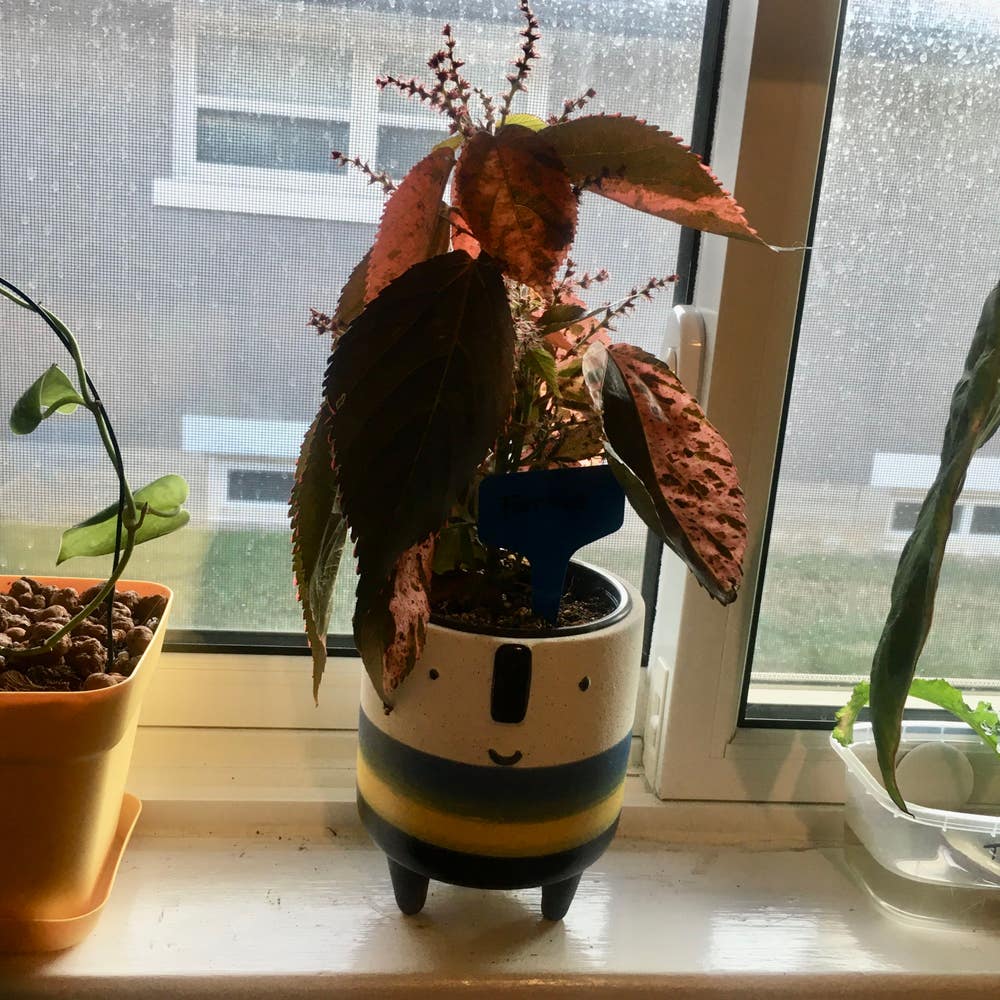
Acalypha dumetorum is a striking plant that can reach a mature height of 3 to 5 feet. With a spread of 2 to 3 feet, it creates a lush, vibrant presence in any garden.
Growth rate ⏳
This plant has a moderate growth rate, typically achieving its full size within 1 to 2 growing seasons. Patience is key, as the wait will be rewarded with a stunning display.
Size variability 📏
The size of Acalypha dumetorum can vary based on several factors. Key influences include light availability, water supply, and soil quality, all of which play a crucial role in its overall growth.
Environmental impact 🌍
Optimal conditions can lead to a more robust plant, while neglect in any of these areas may stunt its growth. Understanding these factors can help you cultivate a thriving Acalypha dumetorum that truly stands out.
As you consider the size and growth habits of Acalypha dumetorum, remember that proper care and attention will yield the best results. Next, we’ll explore common problems you might encounter while growing this beautiful plant.
Problems
🌱 Common Problems Faced When Growing
Growing Acalypha dumetorum can be rewarding, but it comes with its share of challenges. The most common issues include incorrect watering, inadequate light conditions, and temperature fluctuations.
Overwatering or underwatering can lead to visible symptoms like wilting or yellowing leaves. Similarly, if the plant doesn't receive enough light, you'll notice stunted growth and leggy stems.
🔍 Identification and Causes of Issues
Identifying problems early is crucial for maintaining a healthy plant. Fungal diseases, such as powdery mildew and rust, can wreak havoc if not addressed promptly.
Root problems often manifest as root rot, which leads to squishy roots. Leaf issues can also arise, presenting as scorching, yellowing, or fuzzy growth.
🛠️ Solutions for Resolving Problems
Fortunately, many of these issues can be resolved with simple adjustments. Start by fine-tuning your watering practices based on the moisture level of the soil.
If light conditions are lacking, consider using supplemental lighting to boost growth. For fungal diseases, treating with appropriate fungicides can help restore your plant's health.
By staying vigilant and proactive, you can enjoy a thriving Acalypha dumetorum in your garden. Next, let’s explore how to propagate this beautiful plant successfully.
Toxicity to Humans
⚠️ Potential Irritation
Acalypha dumetorum, while beautiful, can cause irritation if mishandled. The leaves and sap are the main culprits, potentially leading to skin rashes, itching, or mild gastrointestinal upset if ingested.
Irritation can occur through skin contact, ingestion, or exposure to the sap. It's essential to be aware of these risks when working with this plant.
🩺 Guidance on When to Seek Medical Care
If you experience symptoms that persist or worsen, it's wise to seek medical care. Don't hesitate to consult a healthcare professional if you're unsure about your reaction.
🧤 Tips for Safe Handling
To minimize risks, always wear gloves when handling Acalypha dumetorum. After working with the plant, wash your hands thoroughly to remove any sap or residue.
By taking these precautions, you can enjoy the beauty of Acalypha dumetorum while keeping yourself safe. Now, let’s explore what animals might be drawn to this captivating plant.
What Eats Acalypha dumetorum
🦌 Common Animals That May Eat or Damage the Plant
Acalypha dumetorum can attract a variety of hungry critters. Deer are notorious for munching on these plants, leaving behind chewed leaves and broken stems as evidence of their feasting.
Rabbits also find Acalypha dumetorum appealing, often nibbling on the lower leaves. Their presence can be identified by the telltale signs of leaf damage.
🐿️ Signs of Animal Presence and Damage Description
If you notice squirrel activity, you might see missing leaves and disturbed soil around your plants. These little bandits can wreak havoc on your garden.
Rodents can also be a problem, leaving behind gnaw marks on stems. Their damage can be subtle but detrimental to the plant's health.
🚧 Methods for Deterring or Managing These Animals
To protect your Acalypha dumetorum, consider installing fencing. Barriers can effectively keep larger animals like deer at bay.
You can also use repellents to deter unwanted visitors. Commercial options are available, or you can make your own, such as garlic spray, to keep those pesky animals away.
With these strategies, you can enjoy your Acalypha dumetorum without the worry of it becoming a snack for local wildlife. Next, let’s explore the potential toxicity of this plant to humans.
⚠️ Safety First
This content is for general information and may contain errors, omissions, or outdated details. It is not medical, veterinary advice, or an endorsement of therapeutic claims.
Always consult a qualified healthcare professional before using any plant as food, medicine, or supplement.
Never eat any plant (or feed one to pets) without confirming its identity with at least two trusted sources.
If you suspect poisoning, call Poison Control (800) 222-1222, the Pet Poison Helpline (800) 213-6680, or your local emergency service immediately.
Spotted an error? Please report it here.
Unlock the secrets to a thriving Acalypha dumetorum 🌿 with Greg's tailored care reminders and expert tips, ensuring your plant flourishes beautifully while you grow with confidence!