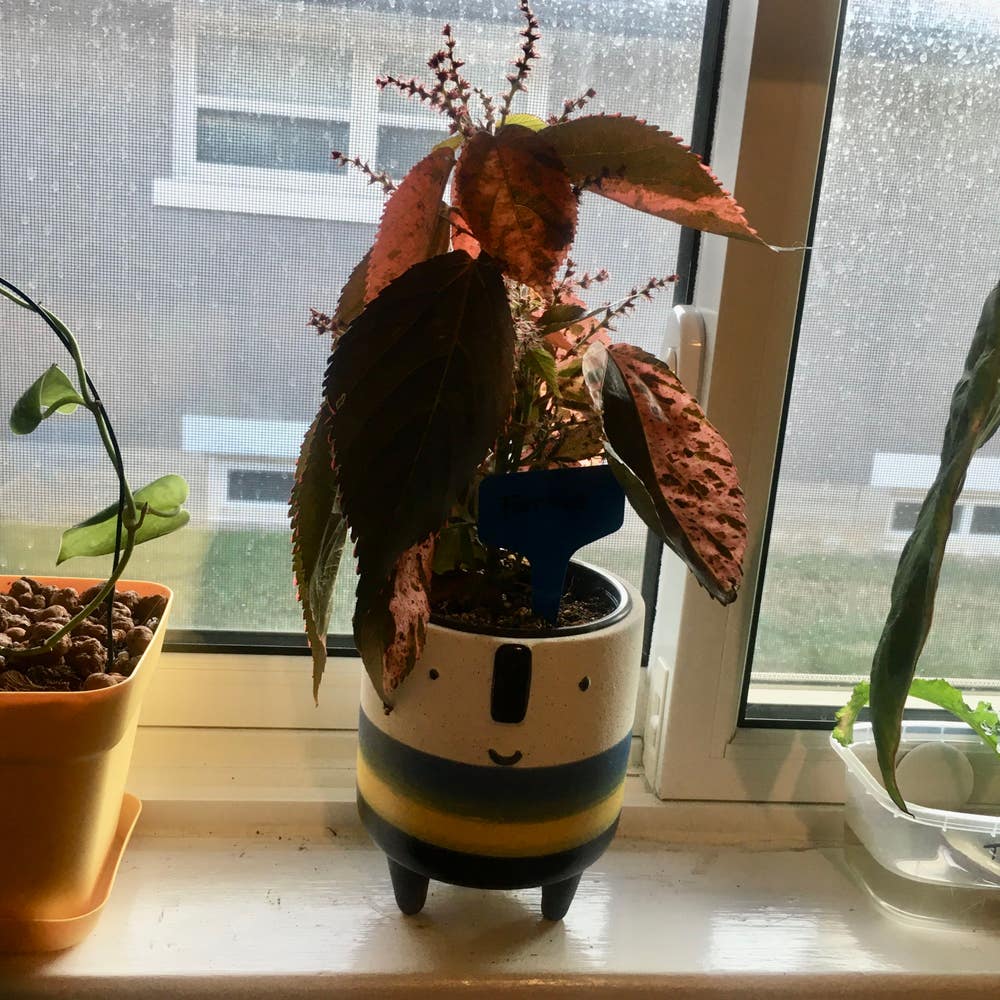
Everything You Need to Know About Acalypha dewevrei
Acalypha dewevrei
By the Greg Editorial Team
Feb 26, 2025•11 min read
This article was created with the help of AI so we can cover more plants for you. May contain errors. See one? Report it here.
Elevate your garden's beauty effortlessly with Acalypha dewevrei's stunning foliage! 🌿
- 🌱 Acalypha dewevrei thrives in warm, humid conditions with partial shade for optimal growth.
- 💧 Keep soil moist but well-drained to prevent root rot and promote healthy growth.
- 🐾 Safe for pets! Acalypha dewevrei is non-toxic to humans, dogs, and cats.
How to Grow
🌞 Choosing a Location
To thrive, Acalypha dewevrei needs warm temperatures, ideally above 60°F (15°C), along with high humidity. It flourishes best in partial shade or filtered sunlight, making it perfect for those cozy garden spots.
🌱 Soil Preparation
For optimal growth, use well-draining soil rich in organic matter. Aim for a pH level between 6.0 and 7.0, which is slightly acidic to neutral, ensuring your plant has the nutrients it craves.
🌿 Planting Techniques
When planting, make sure the root ball is level with the soil surface. Space your plants 18-24 inches apart to allow for healthy growth and airflow.
💧 Watering Requirements
Keep the soil consistently moist, but avoid waterlogging. Using a soaker hose or drip irrigation helps distribute moisture evenly, promoting healthy roots.
🌼 Fertilizing Schedule
A balanced, slow-release fertilizer is ideal for Acalypha dewevrei. Apply it every 4-6 weeks during the growing season to keep your plant nourished and thriving.
✂️ Pruning Methods
Prune your plant in early spring to encourage bushier growth. Focus on removing dead or damaged leaves and spent flowers to maintain its vibrant appearance.
🔍 Ongoing Care Tips
Regularly monitor humidity levels and adjust as needed to keep your plant happy. Don't forget to check for pests and diseases, ensuring your Acalypha dewevrei stays healthy and strong.
With these tips, you'll be well on your way to cultivating a stunning Acalypha dewevrei. Next, let's explore how to propagate this beautiful plant!
Propagation
Seed Propagation 🌱
To propagate Acalypha dewevrei from seeds, start by soaking them in water for 24 hours. This simple step enhances germination, which typically takes 2-4 weeks in warm, humid conditions.
Cutting Propagation ✂️
Another effective method is cutting propagation. Select healthy stems that are 4-6 inches long and prepare a rooting medium using a mix of peat and perlite.
For optimal results, maintain high humidity during the rooting process, which usually takes about 2-3 weeks. This method is not only straightforward but also rewarding, allowing you to expand your collection of this beautiful plant.
With these propagation techniques, you can easily grow more Acalypha dewevrei, ensuring your garden remains vibrant and lush. Next, let’s explore the lifecycle of this fascinating perennial plant.
Lifecycle
🌱 Lifecycle Stages
Acalypha dewevrei is a perennial plant, meaning it lives for several years and can thrive in various conditions. Its lifecycle consists of distinct stages: germination, seedling, vegetative growth, flowering, and seed production.
⏳ Time to Maturity
From seed to maturity, Acalypha dewevrei typically takes about 6 to 12 months. During this time, you'll witness its transformation from a tiny seed into a vibrant, lush plant that can enhance any garden or indoor space.
Understanding these stages can help you provide the right care at each phase, ensuring your Acalypha dewevrei flourishes beautifully. Ready to dive deeper into its growth characteristics? Let's explore that next!
Size
🌱 Growth Characteristics
Acalypha dewevrei typically reaches an average height of 3 to 5 feet, making it a striking addition to any garden. Its average spread ranges from 2 to 4 feet, allowing it to fill space without overwhelming neighboring plants.
📈 Growth Rate
This plant boasts a moderate growth rate, capable of adding up to 2 feet in height per year under optimal conditions. With the right care, you can enjoy its lush foliage and vibrant presence in your garden in no time.
☀️ Ideal Conditions for Growth
To maximize growth, ensure Acalypha dewevrei receives warm temperatures and high humidity. These conditions will support its natural vigor and enhance its overall health.
🏡 Practical Considerations
When planning your garden layout, consider the space this plant will occupy. Its moderate size makes it versatile for both borders and as a focal point in mixed plantings.
As you cultivate Acalypha dewevrei, keep an eye on its growth characteristics to ensure it thrives. Next, let’s explore the root system of this fascinating plant and how it contributes to its overall health.
Roots
Root System Characteristics 🌱
Acalypha dewevrei features a fibrous root system, which is essential for its overall health and stability. This type of root structure typically remains shallow but spreads widely, allowing the plant to absorb nutrients efficiently.
Common Root-Related Issues ⚠️
One of the most common problems faced by Acalypha dewevrei is root rot, often caused by overwatering. Symptoms of this issue include wilting and yellowing leaves, signaling that your plant may need immediate attention.
Prevention Tips 🛠️
To prevent root rot, ensure proper drainage in your planting medium and avoid letting the soil become overly saturated. Regularly check the moisture level and adjust your watering schedule accordingly to keep your plant thriving.
Conclusion 📜
Understanding the root system and potential issues is crucial for maintaining a healthy Acalypha dewevrei. By monitoring your plant's roots and addressing any problems promptly, you can enjoy its vibrant foliage for years to come.
Next, let’s explore the benefits of this stunning plant and why it deserves a spot in your garden.
Benefits
Top 5 Benefits 🌟
Acalypha dewevrei is not just a pretty face in the garden; it offers a plethora of benefits that make it a must-have for plant enthusiasts.
1. Aesthetic Appeal
The striking foliage of Acalypha dewevrei enhances the beauty of any garden. Its vibrant leaves can serve as a stunning focal point, adding depth and color to your landscape.
2. Attracts Pollinators
This plant is a magnet for pollinators. Its flowers draw in bees and butterflies, making your garden a lively ecosystem.
3. Air Purification
Acalypha dewevrei contributes to improved indoor air quality. By filtering out toxins, it creates a healthier living environment.
4. Versatile Use
Whether indoors or outdoors, this plant fits seamlessly into various settings. Its adaptability makes it a great choice for any gardener.
5. Cultural Significance
In West Africa, Acalypha dewevrei holds cultural importance. It is often used in traditional practices, adding a layer of meaning to its cultivation.
These benefits make Acalypha dewevrei a valuable addition to your plant collection. Next, let’s explore the best companion plants that thrive alongside it.
Companion Plants
Best Companions 🌿
When planting Acalypha dewevrei, consider pairing it with tropical foliage plants like Caladium and Coleus. These companions not only complement its vibrant appearance but also thrive in similar conditions.
Plants to Avoid 🚫
Be cautious of heavy feeders such as tomatoes and corn. These plants compete for nutrients, which can hinder the growth of your Acalypha dewevrei.
Creating a Balanced Garden 🌼
Mixing Acalypha dewevrei with suitable companions enhances both aesthetic appeal and plant health. This combination creates a lush, vibrant garden that attracts pollinators and provides a stunning visual display.
Final Thoughts 💭
Choosing the right companion plants is essential for a thriving garden. By selecting compatible species, you ensure that your Acalypha dewevrei flourishes alongside its neighbors, creating a harmonious and beautiful landscape.
Next, let's explore the toxicity of Acalypha dewevrei to humans and pets, ensuring you can enjoy this plant safely.
Toxicity to Humans
🛡️ Safety Overview
Acalypha dewevrei is not listed as toxic by major poison control centers, making it a safe choice for your garden.
While it's generally safe for handling and ingestion in small amounts, excessive contact may lead to minor issues, so it's wise to wash your hands after handling the plant.
This means you can enjoy its beauty without worrying too much about toxicity. However, as with any plant, it's always best to exercise caution and keep an eye on how your body reacts.
In summary, Acalypha dewevrei offers a vibrant addition to your space without the fear of serious health risks.
As we explore further, let’s look at how this plant interacts with our furry friends in the next section.
Toxicity to Dogs
Safety Overview 🐶
Acalypha dewevrei is generally safe for dogs, as it is not classified as toxic by major pet poison control centers.
However, if your furry friend munches on a large quantity, you might notice mild gastrointestinal upset. This could manifest as a bit of an upset stomach, but it’s usually nothing to worry about.
What to Watch For 👀
While the plant poses minimal risk, it's always wise to keep an eye on your pet. If you notice any unusual behavior or symptoms after they’ve been near the plant, consult your veterinarian for peace of mind.
In summary, Acalypha dewevrei can coexist safely with your canine companions, allowing you to enjoy its beauty without concern.
Transition to Next Section 🚀
Now that you know Acalypha dewevrei is safe for dogs, let’s explore its safety for our feline friends.
Toxicity to Cats
Safety Overview 🐱
Acalypha dewevrei is not toxic according to major pet poison control centers. This means you can enjoy this beautiful plant without worrying about your feline friends.
Potential Effects 🤢
While generally safe, ingestion of large quantities may lead to mild gastrointestinal upset in cats. Symptoms could include vomiting or diarrhea, but these are typically not severe.
Handling Precautions 🛡️
Even though the plant is considered safe, it's always wise to monitor your pets around any houseplants. Keeping an eye on their behavior can help prevent any unwanted nibbling.
Conclusion 🌿
In summary, Acalypha dewevrei is a great choice for pet owners who love greenery. With minimal risk to your cats, you can enjoy its vibrant foliage without concern.
As we move forward, let’s explore how to keep your Acalypha dewevrei thriving in your home or garden.
Problems
Common Issues 🌱
Growing Acalypha dewevrei can be rewarding, but it’s not without its challenges. Here are some common problems you might encounter and how to identify them.
Incorrect Watering 🚰
Watering is crucial for plant health. If you notice wilting leaves, your plant may be overwatered, while crispy leaves indicate underwatering.
Incorrect Light Conditions 💡
Light plays a significant role in growth. Leggy growth suggests your plant isn’t getting enough light, while scorched leaves are a sign of too much direct sunlight.
Diseases 🦠
Acalypha dewevrei can fall victim to various diseases. Watch out for powdery mildew and blight, which can hinder your plant's health and beauty.
Leaf Issues 🍃
Leaf problems can signal underlying issues. Yellowing leaves may indicate nutrient deficiencies, while fuzzy growth could be a sign of pests or disease.
Growth Problems 📉
If your plant isn’t growing as expected, it might be leaning or not producing new leaves. These symptoms often point to environmental stress or improper care.
By staying vigilant and addressing these common issues, you can ensure your Acalypha dewevrei thrives in your garden. Next, let’s explore potential pest issues that could affect your plant's health.
Bugs
🐞 Potential Pest Issues
Acalypha dewevrei can be prone to various pests that may threaten its health. Keeping an eye out for these common culprits is essential for maintaining a thriving plant.
🕷️ Common Pests
- Spider Mites: These tiny pests can cause significant damage by sucking the sap from leaves, leading to discoloration and webbing.
- Scale Insects: Often appearing as small, brown bumps on stems and leaves, scale insects can weaken the plant by feeding on its juices.
- Mealybugs: Recognizable by their white, cottony appearance, mealybugs can create a sticky residue and lead to further pest issues if not addressed.
🛡️ Prevention and Control
To keep your Acalypha dewevrei healthy, regularly inspect your plants for signs of these pests. If you spot any, consider using insecticidal soap or neem oil as effective treatments.
💭 Final Thoughts
By staying vigilant and proactive, you can protect your Acalypha dewevrei from these pesky invaders. This not only ensures the plant's health but also enhances your gardening experience.
Next, let’s explore what animals might be tempted to munch on your Acalypha dewevrei.
What Eats Acalypha dewevrei
🦌 Common Animal Threats
Acalypha dewevrei can attract a variety of hungry critters. Deer, rabbits, and squirrels are known to munch on its lush foliage, which can lead to significant damage if left unchecked.
👣 Signs of Animal Presence
Keep an eye out for signs that these animals are visiting your garden. Tracks and chewed leaves are clear indicators that your Acalypha dewevrei is on their menu.
🛡️ Protecting Your Plant
To safeguard your plants, consider using physical barriers like fencing or repellents. These strategies can help deter these common pests and keep your Acalypha thriving.
📜 Conclusion
Understanding what eats Acalypha dewevrei is crucial for its care. By being vigilant and proactive, you can enjoy the beauty of this plant without the worry of unwanted nibblers.
Next, let’s explore the common problems that can affect Acalypha dewevrei and how to address them effectively.
⚠️ Safety First
This content is for general information and may contain errors, omissions, or outdated details. It is not medical, veterinary advice, or an endorsement of therapeutic claims.
Always consult a qualified healthcare professional before using any plant as food, medicine, or supplement.
Never eat any plant (or feed one to pets) without confirming its identity with at least two trusted sources.
If you suspect poisoning, call Poison Control (800) 222-1222, the Pet Poison Helpline (800) 213-6680, or your local emergency service immediately.
Spotted an error? Please report it here.
Cultivating Acalypha dewevrei is easy and rewarding 🌱 when you use Greg's tailored care reminders to keep your plant thriving in its ideal warm and humid environment!