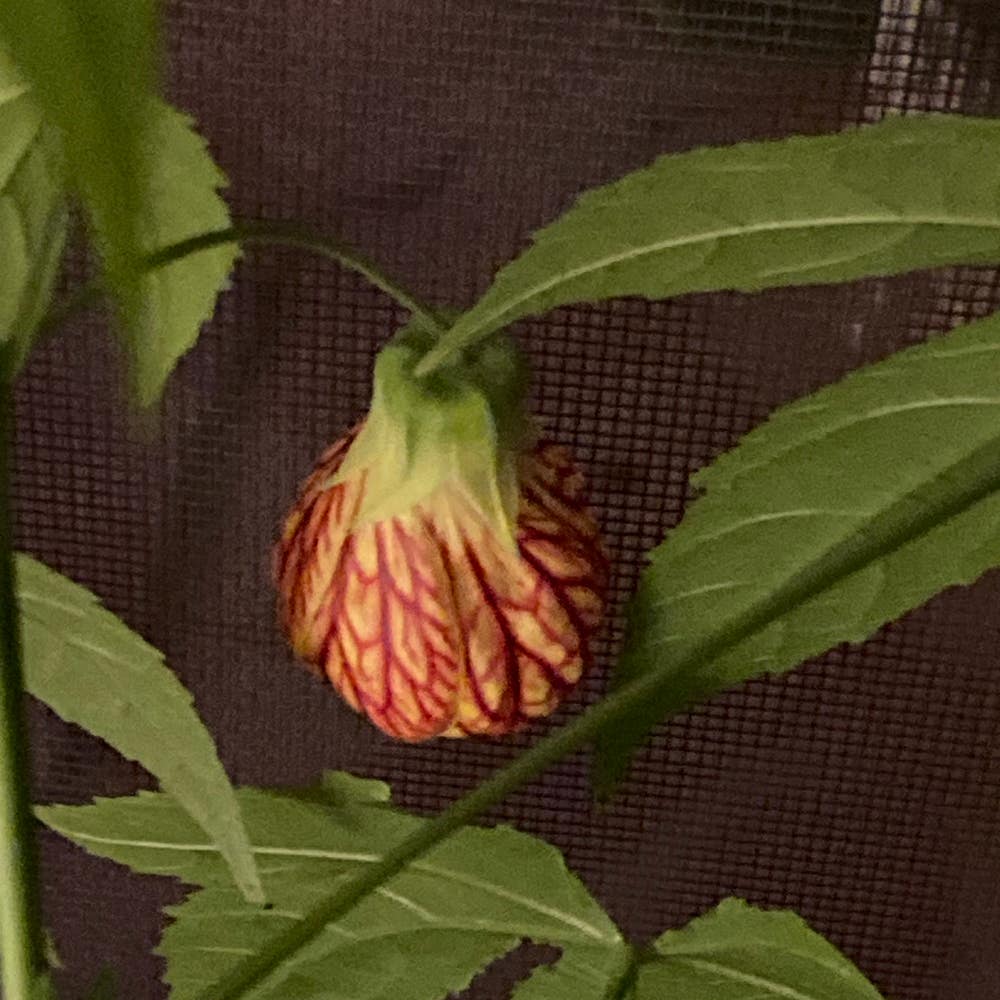
What You Should Know About Abutilon sinense var. sinense 🏮
Abutilon sinense var. sinense
By the Greg Editorial Team
Feb 28, 2025•10 min read
This article was created with the help of AI so we can cover more plants for you. May contain errors. See one? Report it here.
Elevate your garden with Abutilon sinense's stunning blooms 🌺 while attracting pollinators and enjoying low-maintenance beauty!
- 🌞 Abutilon sinense thrives in full sun to partial shade, perfect for diverse gardens.
- 🌱 Optimal growth requires well-draining loam with pH 6.0 to 7.5 for best results.
- 🐝 This plant attracts pollinators, enhancing your garden's ecosystem and beauty.
How to Grow
Choosing a Location 🌞
Abutilon sinense var. sinense thrives in full sun to partial shade. When selecting a spot, consider whether you’re planting outdoors or in a container, and ensure protection from harsh winds and frost.
Soil Preparation 🌱
This plant prefers well-draining, fertile loam with a pH range of 6.0 to 7.5. To enhance soil quality, consider adding amendments like compost or perlite.
Planting Techniques 🌼
The best time to plant is in spring, after the last frost. For outdoor planting, space the plants 2-3 feet apart, and when using containers, plant them 1-2 inches deeper than the root ball.
Watering Requirements 💧
Water your Abutilon when the top inch of soil feels dry. Ensure containers have drainage holes to avoid waterlogging, which can harm the roots.
Fertilizing Schedule 🌿
Use a balanced NPK fertilizer to nourish your plant. Fertilize monthly during the growing season for optimal growth.
Pruning Methods ✂️
Prune in late winter or early spring, just before new growth begins. Pinching back the tips encourages bushiness and a fuller appearance.
Ongoing Care 🛡️
Keep an eye out for pests and diseases that may affect your plant. Adjust care seasonally, providing winter protection as needed to ensure its health and vitality.
With these guidelines, you’ll be well on your way to cultivating a thriving Abutilon sinense var. sinense. Next, let’s explore how to propagate this beautiful plant!
Propagation
🌱 Seed Propagation Steps
Seed propagation is a rewarding way to grow Abutilon sinense var. sinense. Start by collecting seeds from mature pods.
- Soak the seeds in water for 24 hours before planting.
- Sow them 1/4 inch deep in a seed-starting mix.
- Maintain consistent moisture until germination, which takes about 7-14 days.
✂️ Cutting Propagation Steps
If you're looking for an easier method, consider cutting propagation. This technique allows you to create new plants from healthy stems.
- Select stems that are 4-6 inches long.
- Remove the lower leaves and dip the cut ends in rooting hormone.
- Plant them in a well-draining medium and keep the soil moist.
- Expect roots to develop in 2-4 weeks.
🌿 Division Propagation Steps
For those with established plants, division is an effective propagation method. It’s best done in early spring.
- Carefully dig up the plant to avoid damaging the roots.
- Divide the root ball into sections, ensuring each has roots and shoots.
- Replant the sections immediately in prepared soil.
With these propagation methods, you can expand your garden and enjoy the beauty of Abutilon sinense var. sinense in various locations. Next, let’s explore the lifecycle of this fascinating plant.
Lifecycle
Abutilon sinense var. sinense is typically a perennial in warm climates, thriving year after year. Under optimal conditions, the germination timeframe for seeds is about 7-14 days, making it relatively quick to establish.
🌱 Seedling Stage
During the seedling stage, the plant focuses on developing true leaves and establishing a robust root system. This foundational growth is crucial for its future health and vitality.
🌿 Vegetative Growth
Once established, the vegetative growth phase kicks in, characterized by rapid growth and lush leaf development. This phase can last several months, providing a vibrant display of foliage.
🌸 Flowering Period
The flowering period begins in late spring and continues through early summer, lasting until fall. This is when the plant showcases its stunning blooms, attracting pollinators and adding color to your garden.
🌾 Seed Production
After flowering, seed production occurs, allowing the plant to reproduce and spread. Under ideal conditions, Abutilon sinense can have a lifespan that exceeds five years, ensuring it remains a staple in your garden.
⏳ Maturity Timeline
Full maturity is typically reached within 1-2 years, with a moderate growth rate that allows for steady development. This timeline makes it a rewarding choice for gardeners looking for a reliable and beautiful addition to their landscape.
With a solid understanding of its lifecycle, you can better appreciate the growth stages of this remarkable plant. Next, let’s explore how to effectively propagate Abutilon sinense for even more vibrant blooms in your garden.
Size
Mature Height and Spread 🌳
Abutilon sinense var. sinense typically reaches an average height of 3 to 6 feet, with a spread of 2 to 4 feet. This makes it a versatile choice for various garden settings, whether as a standalone feature or part of a mixed border.
Growth Rate Specifics 📈
The plant exhibits a moderate growth rate, capable of adding 1 to 2 feet in height each year under optimal conditions. This steady growth allows gardeners to enjoy its vibrant blooms without excessive waiting.
Size Variability Based on Conditions 🌦️
Several factors can influence the size of Abutilon sinense. Soil quality, sunlight exposure, and watering practices all play crucial roles in determining how tall and wide this plant will grow.
Understanding these variables can help you optimize your growing conditions for the best results.
As you consider planting, keep in mind that the right environment will not only enhance growth but also contribute to the overall health and vibrancy of your Abutilon.
Next, let’s explore the fascinating process of propagating this beautiful plant.
Roots
🌱 Root System Characteristics
Abutilon sinense var. sinense features a fibrous root system that provides stability and nutrient absorption. This structure allows the plant to thrive in various soil conditions.
🌍 Growth Patterns and Spread
The roots of this plant spread laterally, reaching depths of 12-18 inches. This growth pattern helps the plant access moisture and nutrients efficiently.
⚠️ Common Root-Related Issues
One of the most common problems is root rot, often caused by overwatering. Signs of this issue include wilting and yellowing leaves, indicating that the roots are struggling.
👀 Identifying Healthy vs. Unhealthy Roots
Healthy roots are firm, white, and spread evenly throughout the soil. In contrast, unhealthy roots appear dark, mushy, or may emit a foul smell, signaling that something is wrong.
🔒 Recognizing and Addressing Rootbound Conditions
If you notice roots growing out of the drainage holes, your plant may be rootbound. Solutions include repotting the plant into a larger container or performing root pruning to encourage new growth.
Understanding the root system of Abutilon sinense var. sinense is crucial for its overall health. By monitoring root conditions, you can ensure your plant thrives and continues to beautify your garden.
Benefits
Ornamental Value 🌺
Abutilon sinense var. sinense is a showstopper in any garden. Its vibrant flowers add a splash of color, making it an attractive choice for both novice and experienced gardeners.
Pollinator Magnet 🐝
This plant is a favorite among pollinators like bees and butterflies. By planting it, you’re not just beautifying your space; you’re also supporting local ecosystems.
Versatile Garden Design 🌿
Whether you’re looking to fill borders or add flair to containers, this plant fits the bill. Its adaptability makes it a fantastic addition to various garden styles.
Cultural Significance 📜
In traditional medicine, Abutilon sinense is valued for its soothing properties. This cultural connection adds depth to its appeal, making it more than just a pretty face in your garden.
Low Maintenance 🧑🌾
Once established, this plant requires minimal care. It’s perfect for busy gardeners who want to enjoy a beautiful landscape without the constant upkeep.
With these benefits, Abutilon sinense var. sinense stands out as a must-have for any garden enthusiast. Next, let’s explore the best companion plants to enhance its growth and beauty.
Companion Plants
🌱 Concept of Companion Planting
Companion planting is a gardening strategy that enhances plant growth and health. By pairing compatible plants, you can improve pest management and increase garden diversity.
🌼 Best Companion Plants
- Marigolds: These vibrant flowers are known for their pest-repellent properties, making them excellent companions for Abutilon sinense var. sinense.
- Nasturtiums: Not only do they attract beneficial insects, but they also deter aphids, providing a natural defense for your plants.
- Ferns: These lush plants offer shade and humidity, creating a microclimate that can benefit your Abutilon.
🚫 Plants to Avoid
Steer clear of heavy feeders like corn. They compete for nutrients and can hinder the growth of your Abutilon, leading to less vibrant blooms.
By choosing the right companions, you can create a thriving garden ecosystem that supports your Abutilon sinense var. sinense. Next, let’s explore the common problems you might encounter while growing this beautiful plant.
Problems
Common Problems Faced 🌱
Growing Abutilon sinense var. sinense can come with its share of challenges. Understanding these common problems will help you maintain a healthy plant.
Incorrect Watering 🚰
Watering issues are among the most frequent problems. Overwatering leads to yellowing leaves, while underwatering causes wilting.
Light and Temperature Problems ☀️
Light conditions can significantly impact your plant's health. Too much sun can scorch the leaves, whereas insufficient light results in leggy growth.
Diseases 🦠
Diseases like powdery mildew and rust can affect your Abutilon. Look for white powdery spots or leaf drop as key symptoms.
Root Problems 🌿
Root-related issues often stem from poor drainage. Root rot, characterized by mushy roots, can be remedied by improving drainage practices.
Leaf Issues 🍃
Leaf health is a good indicator of your plant's overall condition. Yellowing leaves may signal a nutrient deficiency, while fuzzy growth often points to pest infestations.
Conclusion
By staying vigilant and addressing these common problems, you can ensure your Abutilon thrives. Next, let's explore the potential pests that may affect your plant.
Bugs
🐛 Potential Pest Issues
Abutilon sinense var. sinense is generally pest-resistant, but it can still fall prey to certain nuisances. Keeping an eye on your plant will help you catch any issues early.
🔍 Identification of Common Pests
- Spider Mites: Look for fine webbing and stippled leaves, which indicate these tiny pests are at work.
- Scale Insects: These pests leave a sticky residue and cause yellowing leaves, making them easy to spot.
- Mealybugs: Identified by their cotton-like masses on stems and leaves, mealybugs can quickly become a problem if not addressed.
⚠️ Damage Caused by Pests
Pests can lead to significant issues, such as leaf drop, stunted growth, and overall plant decline. This damage can hinder the plant's ability to thrive and bloom beautifully.
🧪 Effective Treatment Options
To combat these pests, consider using neem oil or insecticidal soap, both of which are effective and environmentally friendly. Additionally, introducing beneficial insects like ladybugs can help keep pest populations in check naturally.
By staying vigilant and employing these treatment options, you can ensure your Abutilon sinense var. sinense remains healthy and vibrant. Next, let’s explore the common problems that may arise while caring for this beautiful plant.
What Eats
🦌 Common Animals That May Damage the Plant
Abutilon sinense var. sinense can attract a variety of hungry critters. Deer, rabbits, and squirrels are particularly fond of nibbling on its lush foliage.
👀 Signs of Animal Presence
Keep an eye out for signs of these furry visitors. Chewed leaves, droppings, and tracks around the plant can indicate that animals are enjoying your garden.
⚠️ Types of Damage Caused
When these animals browse on the leaves, it can lead to stunted growth and reduced flowering. This not only affects the plant's health but also diminishes its ornamental appeal.
🚫 Deterrent Methods
To protect your plants, consider using a mix of deterrent methods. Chemical repellents and organic solutions like garlic spray can be effective, while physical barriers such as fencing provide a more robust defense.
By taking these steps, you can help ensure that your Abutilon sinense thrives without unwanted nibblers getting in the way. Next, let’s explore common problems that may arise in your gardening journey.
⚠️ Safety First
This content is for general information and may contain errors, omissions, or outdated details. It is not medical, veterinary advice, or an endorsement of therapeutic claims.
Always consult a qualified healthcare professional before using any plant as food, medicine, or supplement.
Never eat any plant (or feed one to pets) without confirming its identity with at least two trusted sources.
If you suspect poisoning, call Poison Control (800) 222-1222, the Pet Poison Helpline (800) 213-6680, or your local emergency service immediately.
Spotted an error? Please report it here.
Grow a vibrant Abutilon sinense 🌼 that attracts pollinators with Greg's tailored watering and fertilization reminders to keep your garden thriving!