π Step-by-Step Guide to Fertilizing Zanzibar Gem
Zamioculcas zamiifolia
By the Greg Editorial Team
Oct 09, 2024•6 min read
This article was created with the help of AI so we can cover more plants for you. May contain errors. See one? Report it here.
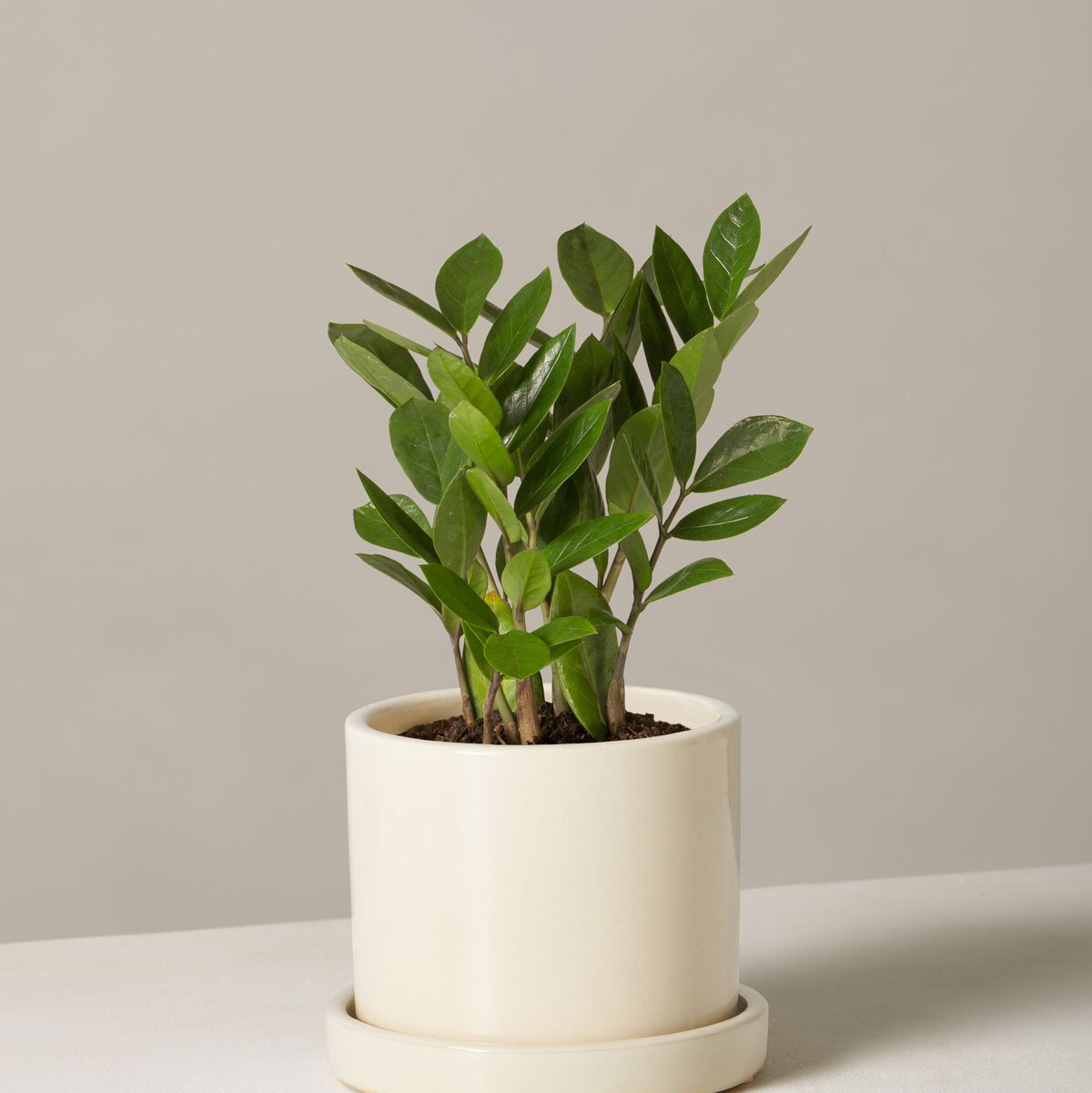
Transform your Zanzibar Gem πΏ into a lush beauty with essential fertilizing tips for vibrant growth!
- π± Choose the right fertilizer type for optimal Zanzibar Gem health and growth.
- π§ Liquid vs. granular fertilizers: quick absorption or slow-release feeding options available.
- π Fertilize in spring and summer; reduce in fall and avoid winter dormancy.
Types of Fertilizers
π± Suitable Fertilizers
When it comes to fertilizing your Zanzibar Gem, choosing the right type is crucial.
- Liquid fertilizers are fantastic for quick absorption and easy application, making them a go-to for many plant enthusiasts.
- Granular fertilizers offer slow-release options, providing prolonged feeding that can sustain your plant over time.
- Organic fertilizers like compost, worm castings, and fish emulsion enrich the soil naturally, promoting healthy growth.
- Synthetic fertilizers are commercial NPK blends specifically designed for houseplants, delivering precise nutrients efficiently.
π N-P-K Ratios for Optimal Growth
Understanding N-P-K ratios is key to your plant's health.
The ideal ratios for a Zanzibar Gem are typically 10-10-10 or 20-20-20, ensuring balanced nutrition.
- Nitrogen is essential for lush leaf growth, helping your plant thrive visually.
- Phosphorus plays a vital role in root development and blooming, setting the stage for a robust plant.
- Potassium is significant for overall plant health, supporting various physiological functions.
βοΈ Organic vs. Synthetic Fertilizers: Pros and Cons
Choosing between organic and synthetic fertilizers can feel overwhelming.
Organic fertilizers have their perks:
- Pros: They are environmentally friendly, release nutrients slowly, and improve soil health over time.
- Cons: They may require more frequent applications and can take longer to show results.
On the flip side, synthetic fertilizers offer different advantages:
- Pros: They act quickly, deliver precise nutrients, and require less frequent applications.
- Cons: There's a risk of chemical buildup and potential for over-fertilization, which can harm your plant.
Understanding these options will empower you to make informed decisions for your Zanzibar Gem's nutrition. With the right fertilizer in hand, you're one step closer to a thriving plant!
When to Fertilize
π± Seasonal Schedule
Understanding when to fertilize your Zanzibar Gem is crucial for its health.
Spring marks the beginning of fertilization as growth resumes. This is when your plant starts to wake up from its winter slumber.
Summer is the peak growth period, so aim for monthly feeding to keep those leaves lush and vibrant.
As we transition into Fall, reduce the frequency of fertilization as growth naturally slows down.
Finally, during Winter, it's best to hold off on fertilizing altogether since the plant enters dormancy.
π¨ Signs Indicating Need for Fertilization
Keep an eye on your plant for signs that it might need a nutrient boost.
Pale or yellowing leaves can indicate a nutrient deficiency, signaling that itβs time to act.
If you notice stunted growth, such as a lack of new leaves or a slow growth rate, this is another red flag.
Lastly, leaf drop can signal a nutrient imbalance, so donβt ignore those falling leaves.
Recognizing these signs early can make a significant difference in your plant's health and vitality.
With this knowledge, you're well-equipped to ensure your Zanzibar Gem thrives throughout the seasons. Next, letβs dive into how to fertilize effectively!
How to Fertilize
Step-by-Step Guide π±
Choose the Right Fertilizer Type
Decide between liquid or granular fertilizers based on your preference and the specific needs of your Zanzibar Gem.Read the Label
Always check the label for specific instructions and dilution rates. This ensures you're applying the right amount.Dilute Liquid Fertilizers
If using liquid fertilizers, dilute them according to the package instructions. This step is crucial for preventing nutrient burn.Timing is Key
Apply fertilizer during the plant's active growth period, which is typically in spring and summer. This maximizes nutrient uptake.Water Thoroughly
After application, water the plant thoroughly. This helps the nutrients absorb into the soil effectively.
Application Methods πΏ
Top Dressing
Sprinkle granular fertilizer evenly on the soil surface. Follow up by watering it in to activate the nutrients.
Watering In
For liquid fertilizers, mix them with water and apply directly to the soil. This method ensures even distribution of nutrients.
By following these straightforward steps, youβll set your Zanzibar Gem up for vibrant growth and health. Next, letβs explore how to avoid over-fertilization and keep your plant thriving.
Avoiding Over-Fertilization
π© Symptoms of Over-Fertilization
Over-fertilization can wreak havoc on your Zanzibar Gem. Look out for leaf burn, where the tips or edges turn brown, signaling too many nutrients.
Another red flag is wilting, even when you've watered adequately. This can indicate that the roots are struggling. Additionally, watch for root damage, which may manifest as stunted growth or root rot.
π§ How to Flush Out Excess Fertilizer
If you suspect over-fertilization, act quickly. Start by thoroughly watering the plant with plain water to help wash away excess nutrients.
Next, allow the water to drain completely. This step is crucial for removing excess salts that can harm your plant. If symptoms persist, repeat this process until you notice improvement.
π‘οΈ Preventative Measures
To keep your Zanzibar Gem thriving, adhere to recommended fertilization schedules. Consistency is key!
Consider using half-strength solutions for liquid fertilizers to minimize the risk of overdoing it. Lastly, make it a habit to monitor your plant's health regularly for any early signs of distress. This proactive approach will help you catch issues before they escalate.
Monitoring Plant Health Post-Fertilization
π± Signs of Healthy Growth
New leaf growth is a clear indicator that your Zanzibar Gem is successfully absorbing nutrients. If you notice vibrant, deep green leaves without any yellowing, your plant is thriving.
Increased vigor is another positive sign. A robust and lively appearance suggests that your fertilization efforts are paying off.
βοΈ Adjusting Fertilization Based on Response
If growth seems slow or leaves appear pale, consider increasing the frequency of your fertilization. This adjustment can help provide the necessary nutrients your plant craves.
Conversely, if you observe signs of over-fertilization, such as leaf burn or wilting, it's time to decrease the frequency. Listening to your plant's needs is key to its health.
πΏ Long-Term Strategies for Sustained Health
To prevent nutrient buildup, rotate between different types of fertilizers. This practice keeps your plant's nutrition balanced and effective.
Incorporating organic matter into the soil annually can significantly improve overall health. This addition enriches the soil and supports beneficial microorganisms.
Regularly assessing soil health is crucial. Adjust your fertilization strategy based on these evaluations to ensure your Zanzibar Gem continues to thrive.
With these monitoring techniques and adjustments, you can cultivate a flourishing plant that brings joy to your space. Next, letβs explore how to avoid over-fertilization and its potential pitfalls.
β οΈ Safety First
This content is for general information and may contain errors, omissions, or outdated details. It is not medical, veterinary advice, or an endorsement of therapeutic claims.
Always consult a qualified healthcare professional before using any plant as food, medicine, or supplement.
Never eat any plant (or feed one to pets) without confirming its identity with at least two trusted sources.
If you suspect poisoning, call Poison Control (800) 222-1222, the Pet Poison Helpline (800) 213-6680, or your local emergency service immediately.
Spotted an error? Please report it here.