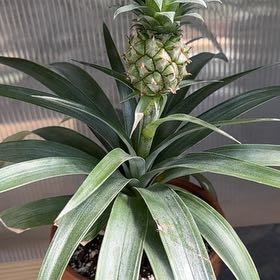
π White Pineapple - Ultimate Guide to Fertilizing
Ananas comosus
By the Greg Editorial Team
Nov 25, 2024•5 min read
This article was created with the help of AI so we can cover more plants for you. May contain errors. See one? Report it here.
- π± Choose between organic or synthetic fertilizers for your white pineapple's needs.
- π Fertilize young plants every 4-6 weeks; mature ones every 6-8 weeks.
- π Regular soil testing ensures balanced nutrients and optimal growth for white pineapples.
Fertilizer Types
π± Organic vs. Synthetic
When it comes to fertilizing white pineapples, you have two main options: organic and synthetic fertilizers.
Organic fertilizers include compost, well-rotted manure, and fish emulsion, which enrich the soil naturally and improve its structure.
On the other hand, synthetic fertilizers like granular NPK fertilizers and liquid fertilizers provide a quick nutrient boost, making them popular for immediate results.
π₯ Recommended Fertilizers
For optimal growth, a balanced NPK ratio is your best betβthink 10-10-10.
If you prefer organic options, consider using seaweed extract and bone meal, both of which offer essential nutrients and promote healthy growth.
π§ͺ Choosing the Right Fertilizer
Before selecting a fertilizer, assess your soil's nutrient levels.
This step ensures you choose the right type that matches your plant's growth stage and specific nutrient needs, setting your white pineapple up for success.
With the right fertilizer in hand, you're ready to dive into a fertilization schedule that maximizes growth and fruit production.
Fertilization Schedule
π± Timing for Fertilizing
The timing of fertilization is crucial for the health of your white pineapple plants. Start with initial fertilization at planting time to give them a strong foundation.
Pre-bloom fertilization is essential too; aim to fertilize 6-8 weeks before you expect flowering. This helps ensure your plants have the nutrients they need to produce vibrant blooms.
π Frequency During Growth Stages
As your white pineapple plants grow, their nutrient needs will change. For young plants, fertilize every 4-6 weeks to support their rapid growth.
Mature plants require less frequent feeding, so aim for every 6-8 weeks during the growing season. This balance helps maintain their health without overwhelming them.
π¦οΈ Seasonal Considerations
Seasons play a significant role in your fertilization schedule. In spring, increase fertilization as growth resumes and plants begin to thrive.
During the summer, continue feeding to support peak growth. However, as fall and winter approach, reduce or stop fertilization altogether, allowing your plants to rest during dormancy.
With a solid fertilization schedule in place, your white pineapple plants will flourish. Next, letβs explore the best application techniques to ensure those nutrients reach the roots effectively.
Application Techniques
How to Apply Fertilizer π±
Applying fertilizer correctly is crucial for your white pineapple's growth. For granular fertilizers, spread them evenly around the base of the plant to ensure balanced nutrient distribution.
When using liquid fertilizers, always dilute them according to the package instructions. This method allows for direct application to the soil, ensuring that nutrients are readily available for uptake.
Best Practices for Distribution π§βπΎ
To achieve optimal results, use a hand trowel or a spreader for granular fertilizers. This ensures even coverage and prevents clumping, which can lead to uneven nutrient distribution.
Make sure the fertilizer extends to the root zone but avoid direct contact with the plant. This practice helps prevent potential damage to the foliage while ensuring the roots receive the nutrients they need.
Watering After Fertilization π§
Watering after applying fertilizer is essential for nutrient absorption. It helps dissolve the fertilizer, allowing nutrients to penetrate the soil and reach the roots effectively.
It's best to water immediately after application. This timing maximizes nutrient uptake and minimizes the risk of fertilizer burn, promoting healthy growth for your white pineapple.
With these application techniques in mind, you're well on your way to nurturing your plants effectively. Next, let's explore how to avoid over-fertilization, ensuring your white pineapple thrives without the risk of nutrient overload.
Avoiding Over-Fertilization
π± Signs of Over-Fertilization
Over-fertilization can be detrimental to your white pineapple plants. Look out for leaf burn, which manifests as browning at the tips and edges of the leaves.
Another telltale sign is stunted growth; if your plants show reduced vigor and lower fruit production, it may be time to reassess your fertilization strategy.
π§ Correcting Over-Fertilization Issues
If you suspect over-fertilization, the first step is flushing the soil. Water your plants thoroughly to help leach out excess nutrients that may be causing harm.
Additionally, consider adjusting future fertilization amounts based on how your plants respond. This proactive approach can help prevent recurrence.
π§ͺ Importance of Soil Testing
Regular soil testing is crucial for maintaining balanced nutrient levels. By testing your soil, you can ensure that your plants receive the right nutrients without the risk of over-fertilization.
Aim for a recommended pH range of 4.5 to 6.0 for optimal nutrient uptake. This simple step can make a significant difference in your plants' health and productivity.
Understanding these aspects of fertilization will help you cultivate thriving white pineapple plants. Next, letβs explore troubleshooting common fertilization issues to keep your plants in top shape.
Troubleshooting Fertilization Issues
π« Common Mistakes and Avoidance
Fertilizing can be tricky, and over-fertilizing is one of the most common mistakes. Understanding the right amounts and timing is crucial to prevent nutrient burn and other issues.
Another frequent oversight is ignoring soil pH. Regular checks ensure that your white pineapple plants thrive in optimal conditions, promoting better nutrient uptake.
π‘οΈ Adjusting Based on Environmental Factors
Environmental factors like temperature and humidity significantly impact nutrient uptake and growth. Be mindful of these conditions to adjust your fertilization strategy accordingly.
Seasonal changes also require modifications to your fertilization schedule. As the needs of your plants evolve, so should your approach to feeding them.
π± Addressing Growth Problems
If you're experiencing poor fruit set, itβs time to evaluate your nutrient balance and timing. Ensuring your plants receive the right nutrients at the right time can make all the difference.
Leaf discoloration is another red flag that indicates nutrient deficiencies. Identifying these issues early allows for timely corrections, helping your plants regain their vigor.
By staying vigilant and adjusting your fertilization practices, you can foster a healthy environment for your white pineapple plants. Next, letβs explore how to effectively apply fertilizers for optimal results.
β οΈ Safety First
This content is for general information and may contain errors, omissions, or outdated details. It is not medical, veterinary advice, or an endorsement of therapeutic claims.
Always consult a qualified healthcare professional before using any plant as food, medicine, or supplement.
Never eat any plant (or feed one to pets) without confirming its identity with at least two trusted sources.
If you suspect poisoning, call Poison Control (800) 222-1222, the Pet Poison Helpline (800) 213-6680, or your local emergency service immediately.
Spotted an error? Please report it here.