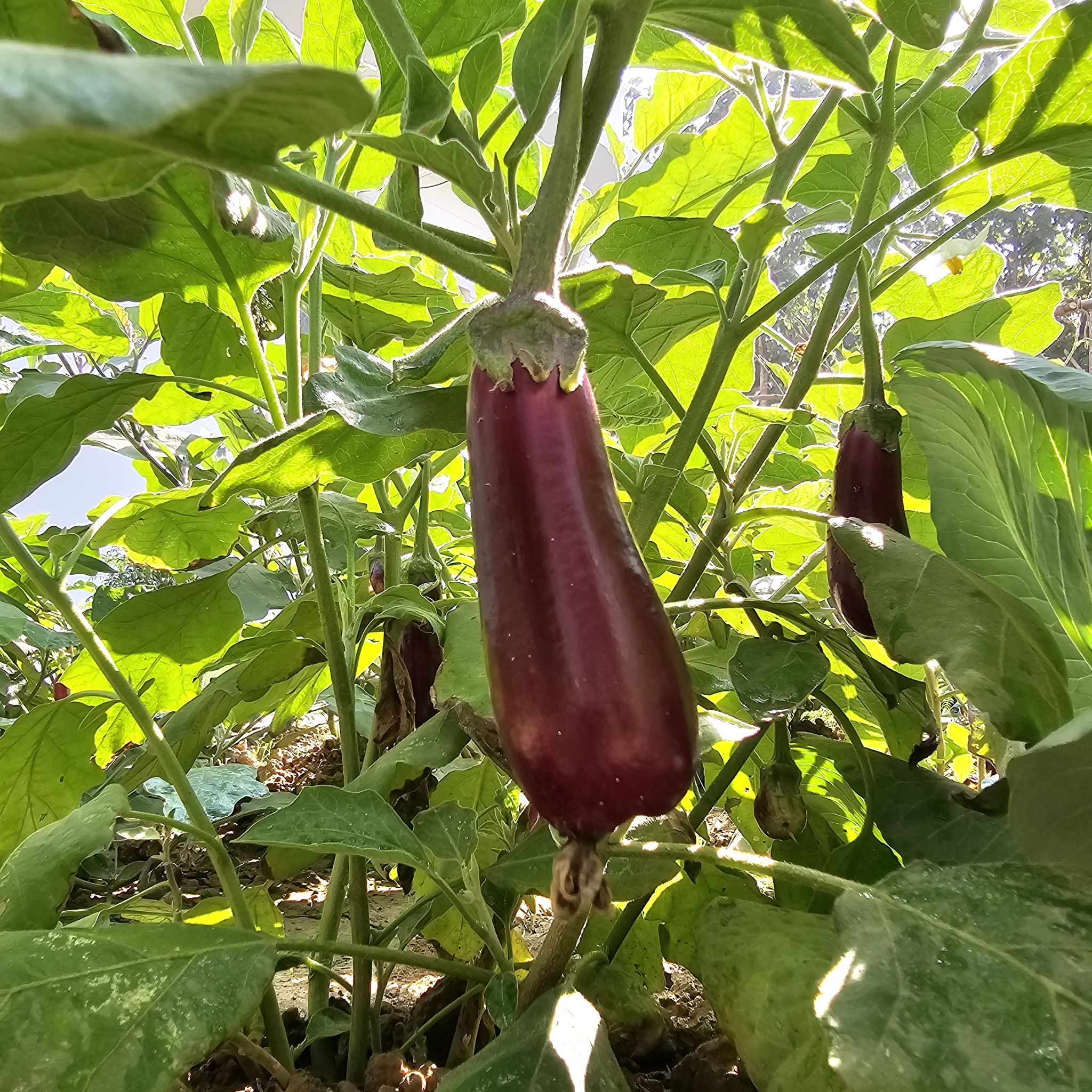
What's Eating Your White Eggplant π
Solanum melongena
By the Greg Editorial Team
Nov 25, 2024•6 min read
This article was created with the help of AI so we can cover more plants for you. May contain errors. See one? Report it here.
Safeguard your white eggplant from pesky herbivores π with proven strategies for a bountiful harvest! π±
- πΎ White eggplants face threats from deer, rabbits, squirrels, and more.
- π« Effective deterrents include fencing, sprays, and companion planting.
- π± Regular monitoring and quick action prevent herbivore damage.
Common Herbivores Affecting White Eggplant
π¦ Deer
Signs of presence and damage caused
Deer can be a significant threat to your white eggplant. Look for hoof prints in muddy areas near your garden and signs of browsing, such as stripped leaves and broken stems.
Beneficial vs. harmful interaction
Generally, deer interactions are harmful. They can decimate young plants and drastically reduce your yield.
Deterrent methods
To keep deer at bay, consider using chemical deterrents like commercial deer repellents. Organic methods include planting deer-resistant companion plants or using human hair and soap shavings around your garden.
π Rabbits
Signs of presence and damage caused
Rabbits leave small, round footprints and droppings as evidence of their presence. They often cause damage by cleanly cutting stems and leaves at ground level.
Beneficial vs. harmful interaction
Rabbits are generally harmful to your plants. Their feeding habits can severely limit growth and production.
Deterrent methods
For easy deterrence, use bitter-tasting sprays as chemical deterrents. Organic methods include erecting fencing that is 2-3 feet high and planting rabbit-resistant plants.
πΏοΈ Squirrels
Signs of presence and damage caused
Squirrels can be quite destructive, leaving signs like chewed fruits and digging around the base of your plants. Their gnawing can stress stems and fruits.
Beneficial vs. harmful interaction
Interactions with squirrels are generally harmful. Their activities can lead to reduced fruit yield.
Deterrent methods
To deter squirrels, try capsaicin-based sprays as a chemical option. For organic methods, consider using motion-activated sprinklers or noise deterrents.
π¦ Birds
Signs of presence and damage caused
Birds can also pose a threat, leaving signs like pecked fruits and scattered seeds. Their activity can lead to loss of fruits and potentially spread disease.
Beneficial vs. harmful interaction
Bird interactions are mixed. While some birds can damage plants, others contribute positively by helping with pollination and pest control.
Deterrent methods
Use bird-safe repellents as a chemical deterrent. Organic methods include reflective tape, scarecrows, and netting to protect your plants.
π Rodents (mice, voles, etc.)
Signs of presence and damage caused
Rodents leave signs like burrows near the base of plants and gnaw marks on stems. Their presence can cause root damage and reduce plant vigor.
Beneficial vs. harmful interaction
Rodents are generally harmful. Their activities can lead to significant damage to your plants.
Deterrent methods
For chemical deterrents, consider using rodent bait stations. Organic methods include traps and planting mint or other deterrent plants.
𦑠Groundhogs/Woodchucks
Signs of presence and damage caused
Groundhogs and woodchucks create large burrows and chew on plants. Their damage can result in significant loss of foliage and fruits.
Beneficial vs. harmful interaction
These creatures are generally harmful, often devastating garden areas.
Deterrent methods
For chemical deterrents, look for commercial repellents. Organic methods include fencing that is at least 3 feet high and buried underground, along with habitat modification to make your garden less inviting.
Understanding these common herbivores and their impact on your white eggplant is crucial for effective management. By implementing the right deterrent methods, you can protect your plants and ensure a bountiful harvest. Next, weβll explore general strategies for protecting your white eggplant from these herbivores.
General Strategies for Protection
Protecting your white eggplant from herbivores requires a proactive approach. Regular monitoring for signs of animal activity is essential to catch any issues early.
π‘οΈ Preventive Measures
One effective strategy is companion planting. By choosing plants that deter pests or attract beneficial insects, you can create a more resilient garden ecosystem.
β οΈ Reactive Solutions
If you notice damage, act quickly. Remove any affected plants immediately to prevent further attraction of herbivores.
π§ Barriers and Traps
Using barriers, such as fencing, can be a practical solution. Traps can also help manage unwanted visitors effectively.
π± Balancing the Ecosystem
Maintaining a diverse garden is crucial. A variety of plants can support beneficial wildlife while keeping harmful interactions in check.
π¦ Encouraging Beneficial Wildlife
While deterring pests is important, donβt forget to encourage beneficial creatures. They can help with pollination and pest control, creating a balanced environment.
By implementing these strategies, you can protect your white eggplant and foster a thriving garden. Next, letβs explore seasonal considerations that affect herbivore activity.
Seasonal Considerations
Seasonal Variations in Animal Attraction πΎ
Understanding the seasonal patterns of herbivore activity is crucial for protecting your white eggplant. In spring and early summer, as the plants begin to grow, herbivores become particularly active, drawn to the tender new leaves.
As the season progresses and the plants mature, their feeding behavior changes. Many animals shift their focus from foliage to the developing fruits, which can lead to increased damage if not monitored closely.
Timing of Planting and Protection Strategies β°
Timing your planting can make a significant difference in your garden's success. Early planting allows your white eggplants to establish themselves before peak herbivore activity hits.
Adjusting your protection measures in response to seasonal animal behavior is equally important. Stay vigilant and ready to implement barriers or other deterrents as the seasons change, ensuring your plants remain safe throughout their growth cycle.
Toxicity and Animal Interaction
White eggplant, while a delightful addition to your garden, carries mild toxicity due to alkaloids found in the Solanaceae family. This means that if animals munch on large quantities, they could experience gastrointestinal upset.
πΎ Understanding Animal Preferences
Recognizing how animals react to the toxicity of white eggplant can help you develop effective protective strategies. Some herbivores may avoid the plant due to its unpleasant taste, while others might not be deterred, leading to potential damage.
π Monitoring Animal Interactions
Keeping an eye on animal interactions with your white eggplant is crucial. By observing which animals are drawn to your plants, you can better assess the impact of the plant's toxicity on their feeding habits and adjust your management techniques accordingly.
π‘οΈ Practical Implications
Utilizing this knowledge can inform your approach to protecting your garden. For instance, if certain animals are less likely to consume the eggplant, you might focus on deterring those that are more persistent.
In conclusion, understanding the toxicity of white eggplant and its effects on animal behavior can enhance your gardening strategy. This insight allows you to create a balanced ecosystem while safeguarding your plants from herbivores. Next, letβs explore seasonal considerations that affect animal attraction to your white eggplant.
β οΈ Safety First
This content is for general information and may contain errors, omissions, or outdated details. It is not medical, veterinary advice, or an endorsement of therapeutic claims.
Always consult a qualified healthcare professional before using any plant as food, medicine, or supplement.
Never eat any plant (or feed one to pets) without confirming its identity with at least two trusted sources.
If you suspect poisoning, call Poison Control (800) 222-1222, the Pet Poison Helpline (800) 213-6680, or your local emergency service immediately.
Spotted an error? Please report it here.