Determining What Might Be Eating Your String of Pearls πŸ›

Curio rowleyanus

By the Greg Editorial Team

Oct 02, 20245 min read

This article was created with the help of AI so we can cover more plants for you. May contain errors. See one? Report it here.

  1. 🌱 String of Pearls attracts herbivores like deer, rabbits, and squirrelsβ€”watch for signs!
  2. 🦌 Identify damage: hoof prints, droppings, and nibbling indicate specific herbivore activity.
  3. 🚫 Use repellents and fencing to protect your String of Pearls from common pests.

Description and Appeal

Appearance and Growth Habits 🌱

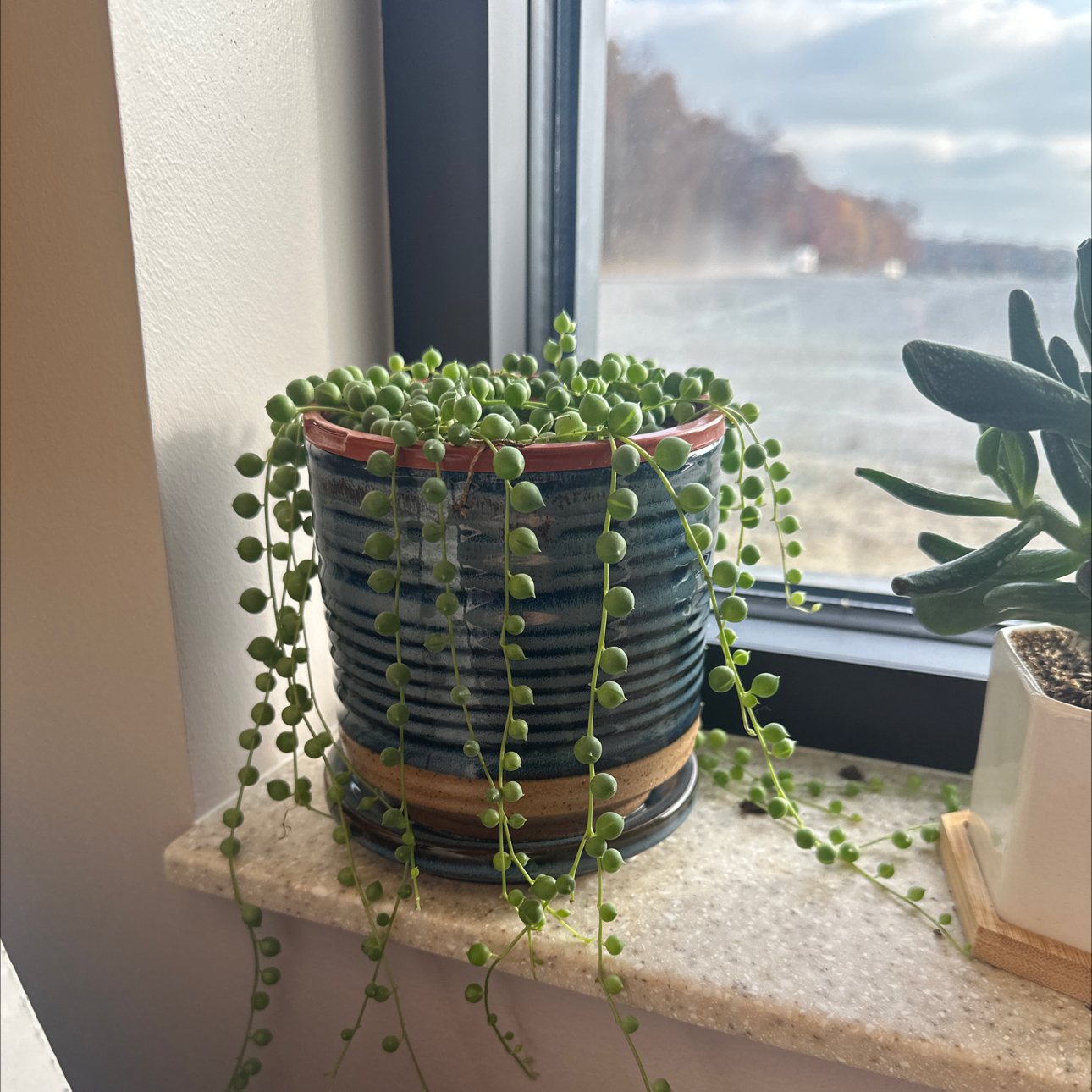
The String of Pearls is a captivating succulent native to South Africa, perfectly adapted to thrive in arid conditions. Its unique bead-like leaves not only store water but also create a stunning visual appeal, making it a favorite for hanging baskets.

This plant exhibits a trailing growth habit, allowing it to cascade beautifully over the edges of containers. Under optimal conditions, it can even produce small white flowers, adding an extra touch of charm to its already striking appearance.

Most Appealing Parts to Animals 🐾

Herbivores are particularly drawn to the young shoots of the String of Pearls. These tender, succulent parts are not only delicious but also packed with nutrients.

Additionally, the fruits and flowers of this plant are highly attractive to various animals, making them prime targets for hungry herbivores. Understanding these appealing aspects can help you protect your plant from potential threats.

As we explore common herbivores that might be snacking on your String of Pearls, it’s essential to recognize the signs of their presence and the damage they can cause.

Common Herbivores

🦌 Deer

Signs and Damage

Deer leave distinct hoof prints in the soil, making it easier to identify their presence. They often browse on leaves and stems, which can lead to stunted growth in your String of Pearls.

Interaction Type

Deer are generally harmful to gardens, as they can decimate plant populations quickly.

Deterrent Methods

To keep deer at bay, consider using commercial deer repellents. Alternatively, planting deer-resistant plants nearby or using human hair and soap shavings can also deter them.

πŸ‡ Rabbits

Signs and Damage

Look for small, round droppings and nibbling marks on leaves as signs of rabbit activity. They tend to chew on stems and leaves, often leaving stubs behind.

Interaction Type

Rabbits can significantly reduce plant health, making them a nuisance for gardeners.

Deterrent Methods

Bitter-tasting sprays can serve as effective chemical deterrents. For an organic approach, fencing that stands 2-3 feet high or using cayenne pepper as a repellent can help.

🐿️ Squirrels

Signs and Damage

Squirrels often dig around the base of the plant and chew on leaves. Their activity can lead to the removal of leaves and even uprooting of plants.

Interaction Type

Squirrels are generally harmful, disrupting both plant growth and stability.

Deterrent Methods

Squirrel repellents are available as chemical deterrents. For a more natural solution, consider using netting or mesh to cover your plants.

🐦 Birds

Signs and Damage

Feathered visitors can leave peck marks on leaves, indicating their presence. They may remove young shoots and flowers, impacting your plant's growth.

Interaction Type

Birds have mixed interactions with gardens; while some can help control pests, others may cause damage.

Deterrent Methods

Bird-safe repellents can deter unwanted visitors. Additionally, scare tactics like reflective tape or wind chimes can effectively keep birds away.

🐭 Rodents

Signs and Damage

Look for small holes in the soil and droppings near your plants as signs of rodent activity. They can chew on roots and stems, leading to significant plant decline.

Interaction Type

Rodents are generally harmful and can cause considerable damage to your plants.

Deterrent Methods

For chemical deterrents, consider using rodent bait stations. Organic methods include traps and planting mint or other deterrent plants nearby.

🦑 Groundhogs/Woodchucks

Signs and Damage

Groundhogs leave large burrows near your plants and often chew on stems. They can completely remove plants, especially during spring.

Interaction Type

These animals are generally harmful and can devastate garden areas.

Deterrent Methods

Commercial groundhog repellents are available as chemical deterrents. For organic solutions, fencing that stands 3-4 feet high or using castor oil can be effective.

Understanding these common herbivores and their behaviors can help you protect your String of Pearls effectively. Next, let’s explore the beneficial animals that can positively impact your garden.

Beneficial Animals

Positive Impacts 🐝

When it comes to your String of Pearls, not all visitors are foes. Pollinators like bees and butterflies are drawn to the small white flowers, playing a crucial role in the ecosystem by aiding in plant reproduction.

Predatory Insects 🐞

In addition to pollinators, predatory insects such as ladybugs and lacewings can be your garden's best friends. They help keep pest populations in check, ensuring your plants remain healthy and vibrant.

Understanding these beneficial animals can enhance your gardening experience. By fostering a welcoming environment for them, you can create a balanced ecosystem that supports your String of Pearls while minimizing the threat from herbivores.

Next, let’s explore some effective protection strategies to safeguard your plants from potential threats.

Protection Strategies

πŸ›‘οΈ Preventive Measures

To safeguard your String of Pearls, consider planting them in elevated areas. This simple tactic can deter ground-dwelling herbivores from reaching your precious plants.

Companion planting is another effective strategy. By surrounding your String of Pearls with plants that naturally repel pests, you create a balanced ecosystem that benefits all your greenery.

⚠️ Reactive Solutions

Regular monitoring is crucial for early detection of herbivore activity. Keep an eye out for any signs of nibbling or damage to act swiftly.

If you notice any harm, take immediate action. Quick responses can prevent further loss and keep your plants thriving.

🌸 Seasonal Variations

Be aware that herbivore activity often spikes in spring and summer. During these seasons, young shoots become a tempting treat for many animals.

Understanding these seasonal behaviors allows you to time your protective measures effectively. By anticipating when your plants are most vulnerable, you can better safeguard them against potential threats.

Toxicity and Safety

⚠️ Toxic Effects

String of Pearls has mild toxicity, which can actually deter some herbivores from munching on it. However, if pets ingest the plant, they may experience symptoms like vomiting or gastrointestinal upset.

🐾 Safety Considerations

It's essential to be aware of the potential risks this plant poses to household pets. To keep your furry friends safe, consider placing your String of Pearls in areas that are out of their reach.

By understanding these safety aspects, you can enjoy your beautiful plant while ensuring a safe environment for your pets. Next, let's explore effective protection strategies to keep your String of Pearls thriving amidst potential threats.

⚠️ Safety First

This content is for general information and may contain errors, omissions, or outdated details. It is not medical, veterinary advice, or an endorsement of therapeutic claims.

Always consult a qualified healthcare professional before using any plant as food, medicine, or supplement.

Never eat any plant (or feed one to pets) without confirming its identity with at least two trusted sources.

If you suspect poisoning, call Poison Control (800) 222-1222, the Pet Poison Helpline (800) 213-6680, or your local emergency service immediately.

Spotted an error? Please report it here.

Keep your String of Pearls thriving and herbivore-free 🐾 with Greg's personalized care reminders and tips to safeguard your succulent from pesky nibblers!