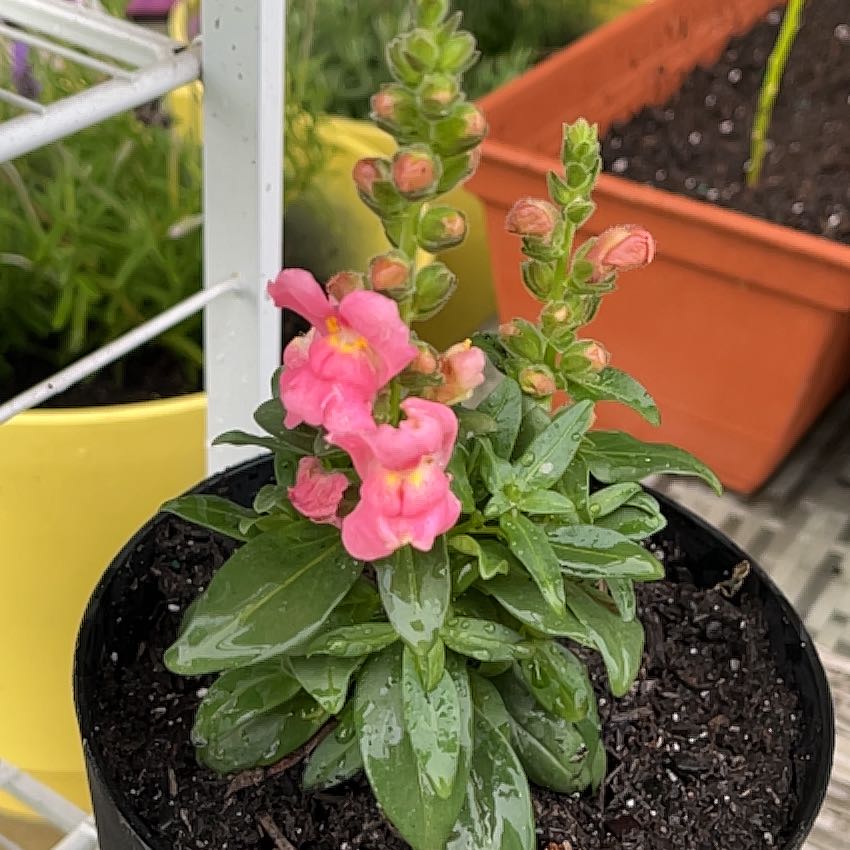
Determining What Might Be Eating Your Snapdragon π
Antirrhinum majus
By the Greg Editorial Team
Oct 09, 2024•7 min read
This article was created with the help of AI so we can cover more plants for you. May contain errors. See one? Report it here.
- πΎ Identify pests like deer, rabbits, and squirrels to protect your snapdragons effectively.
- π« Use fences and repellents to deter garden animals from damaging your plants.
- πΌ Attract beneficial insects for natural pest control and a thriving garden ecosystem.
Common Garden Animals Affecting Snapdragon
π¦ Deer
Signs of presence
Look for distinctive hoof prints in the garden soil and dark, pellet-like droppings near your snapdragons. These signs indicate that deer are frequent visitors.
Type of damage
Deer tend to browse on leaves and flowers, stripping them bare and nibbling on blooms. This can lead to significant aesthetic and health issues for your plants.
Beneficial or harmful interaction
Generally, deer are harmful to gardens. If not managed, they can decimate your snapdragon population.
Deterrent methods
To keep deer at bay, consider installing 8-foot tall fences around your garden. Alternatively, use commercial deer repellents or homemade solutions like garlic spray.
π Rabbits
Signs of presence
You might notice clean cuts on stems and leaves, along with small, round droppings scattered around. These are telltale signs of rabbit activity.
Type of damage
Rabbits gnaw on stems and leaves, leading to stunted growth and unsightly plants. Their feeding habits can quickly turn a vibrant garden into a sad sight.
Beneficial or harmful interaction
Rabbits are generally harmful, as they can cause significant damage to your snapdragons. Their appetite can lead to major losses if not controlled.
Deterrent methods
To deter rabbits, cover your plants with mesh netting. You can also use spicy or bitter sprays to make your snapdragons less appealing.
πΏοΈ Squirrels
Signs of presence
Look for chewed flowers and visible nests in nearby trees or shrubs. These signs indicate that squirrels are in the area.
Type of damage
Squirrels can dig up plants, disrupting roots and soil, and they often eat flowers, leading to a loss of blooms. This can significantly affect the aesthetic appeal of your garden.
Beneficial or harmful interaction
Squirrels are generally harmful to snapdragons. Their activities can lead to reduced flowering and overall plant health.
Deterrent methods
Use scare tactics like reflective objects or noise-makers to keep squirrels away. Additionally, consider physical barriers around your plants to prevent access.
π¦ Birds
Signs of presence
Pecked flowers with missing petals and nesting activity in nearby trees are clear signs of bird presence. These indicators can help you identify their impact on your garden.
Type of damage
Birds often eat seeds and flowers, leading to both aesthetic damage and loss of potential blooms. Their feeding can disrupt the balance of your garden.
Beneficial or harmful interaction
Birds have a mixed role in gardens. While some are beneficial pollinators, others can cause significant damage to your snapdragons.
Deterrent methods
To protect your plants, cover them with netting or hang shiny reflective objects to deter birds. These methods can help safeguard your blooms.
π Rodents (Mice, Voles)
Signs of presence
Look for small burrows or trails in the soil, along with small, dark droppings near your plants. These signs indicate rodent activity.
Type of damage
Rodents gnaw on roots and stems, weakening plants and stunting their growth. Their presence can lead to significant plant damage over time.
Beneficial or harmful interaction
Rodents are generally harmful to your garden. Their feeding habits can cause considerable issues for your snapdragons.
Deterrent methods
Setting traps can help catch rodents effectively. Additionally, encouraging natural predators like owls or hawks in your area can help manage their populations.
𦑠Groundhogs/Woodchucks
Signs of presence
Look for large burrows near your plants and evidence of chewed plants. These signs indicate that groundhogs or woodchucks are nearby.
Type of damage
These animals can completely destroy snapdragons by browsing on entire plants. Their feeding can devastate your garden area.
Beneficial or harmful interaction
Groundhogs are generally harmful, as they can cause extensive damage to your plants. Their presence can lead to significant losses in your garden.
Deterrent methods
To deter groundhogs, install strong barriers around your garden. You can also use commercial or homemade repellents to keep them from feeding on your plants.
Understanding these common garden animals is crucial for protecting your snapdragons. By recognizing their signs and implementing effective deterrent methods, you can maintain a thriving garden. Next, letβs explore the beneficial animals that can enhance your snapdragon garden.
Beneficial Animals Attracted to Snapdragon
Pollinators π
Snapdragons are a magnet for pollinators, particularly bees and butterflies. These creatures play a crucial role in pollination, which is essential for the reproduction of snapdragons and many other plants.
Role of Beneficial Insects π
Beneficial insects contribute significantly to garden health. Predatory insects, for instance, help manage harmful pests, keeping your garden thriving.
- Natural Pest Control: These insects act as a natural defense, reducing the need for chemical interventions.
- Biodiversity: A diverse insect population enhances the overall health of your garden ecosystem, promoting resilience against diseases and pests.
By attracting these beneficial animals, you not only support the growth of your snapdragons but also foster a vibrant garden environment.
Understanding the role of these creatures can inspire you to create a more welcoming habitat for them. This approach not only benefits your plants but also enriches the entire ecosystem.
As you cultivate your garden, consider how you can further attract these helpful allies. This will lead to a flourishing space where both plants and wildlife thrive together.
General Protection Strategies
π‘οΈ Preventive Measures
Choosing the right location for your snapdragons can significantly reduce the risk of herbivore damage. Opt for spots that are less accessible, such as elevated areas or those surrounded by dense foliage.
Companion planting is another effective strategy. Pairing snapdragons with plants that naturally deter herbivores can create a protective barrier, keeping your flowers safe and thriving.
β οΈ Reactive Solutions
Regular monitoring is crucial for early detection of any damage. Make it a habit to check your plants frequently for signs of nibbling or other disturbances.
When you spot damage, act quickly. Implement deterrents immediately to minimize further harm and protect your snapdragons from persistent pests.
π± Balancing Ecosystem Health
Understanding the role of herbivores in the ecosystem is essential. While they can be damaging, they also contribute to the balance of nature, supporting various wildlife.
Adopting sustainable practices can help manage herbivore populations without resorting to harsh chemicals. Organic methods not only protect your plants but also promote a healthier garden environment.
By integrating these strategies, you can create a thriving space for your snapdragons while maintaining the delicate balance of your garden ecosystem. Next, letβs explore the seasonal considerations that can impact your gardening efforts.
Seasonal Considerations
πΎ Seasonal Variations in Animal Attraction
As the seasons change, so does the activity of garden animals. In spring, many creatures emerge from hibernation, leading to increased visits to your snapdragons.
Summer is when herbivores are at their peak feeding times. This is the moment when your plants might face the most significant threats from hungry critters.
β° Timing of Plant Vulnerability
Young shoots are particularly vulnerable in early spring. These tender new growths attract various animals eager for a fresh meal.
During the flowering period, snapdragons also face heightened risks. The vibrant blooms can draw in a range of hungry visitors, making vigilance essential for gardeners.
Understanding these seasonal patterns can help you protect your snapdragons effectively. By being aware of when animals are most active, you can take proactive measures to safeguard your plants.
Toxicity and Safety
πΎ Toxic effects on animals
Snapdragons can pose mild toxicity risks to pets and livestock. While they aren't lethal, ingestion may lead to discomfort or adverse reactions.
β οΈ Safety considerations
It's crucial for gardeners to be aware of these potential risks. Educating yourself and others about the effects of snapdragons on animals can help prevent unwanted incidents.
π Monitoring pets
Keep a close eye on pets around your snapdragon plants. Regular checks can ensure that your furry friends stay safe while enjoying the beauty of your garden.
Understanding these safety aspects allows you to enjoy your garden while protecting your beloved animals. With a little awareness, you can create a thriving space for both plants and pets.
β οΈ Safety First
This content is for general information and may contain errors, omissions, or outdated details. It is not medical, veterinary advice, or an endorsement of therapeutic claims.
Always consult a qualified healthcare professional before using any plant as food, medicine, or supplement.
Never eat any plant (or feed one to pets) without confirming its identity with at least two trusted sources.
If you suspect poisoning, call Poison Control (800) 222-1222, the Pet Poison Helpline (800) 213-6680, or your local emergency service immediately.
Spotted an error? Please report it here.