πŸ” What's Eating Your Red Creeping Thyme

Thymus serpyllum 'Coccineus'

By the Greg Editorial Team

Oct 17, 20246 min read

This article was created with the help of AI so we can cover more plants for you. May contain errors. See one? Report it here.

  1. 🌱 Red creeping thyme attracts pollinators while being vulnerable to various herbivores.
  2. 🦌 Common threats include deer, rabbits, and squirrels; monitor for signs of damage.
  3. 🚫 Effective deterrents like repellents and fencing can protect your thyme from herbivores.

Description and Appeal

Appearance 🌿

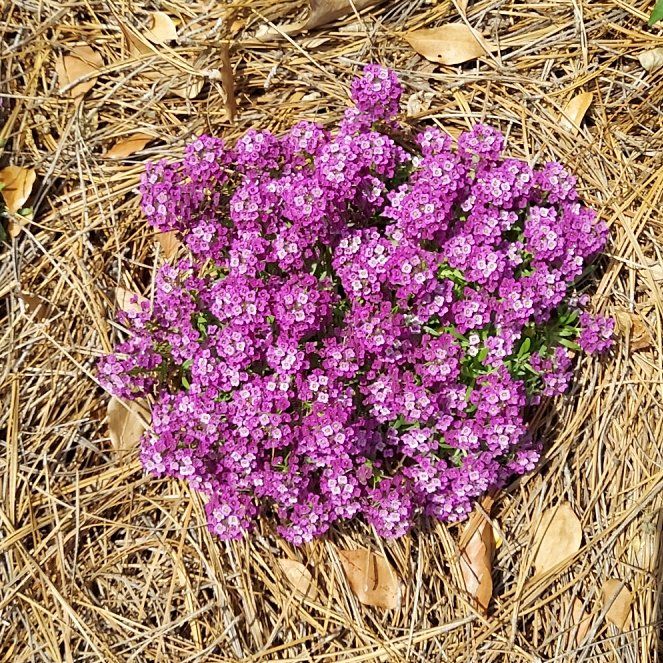
Red creeping thyme is a charming low-growing perennial herb, typically reaching heights of just 2-6 inches. Its small, aromatic leaves are oval-shaped and range from vibrant green to a subtle grayish-green, creating a lush carpet of greenery.

Blooming Beauty 🌸

In summer, this herb showcases stunning purple flowers that not only enhance its visual appeal but also attract a variety of pollinators. These blooms are a feast for the eyes and a vital resource for bees and butterflies.

Most Appealing Parts πŸƒ

The young shoots of red creeping thyme are particularly delightful, boasting a tender texture and high moisture content. Additionally, the flowers emit a strong scent and are nectar-rich, making them irresistible to herbivores and a treat for the ecosystem.

This herb's unique characteristics make it a favorite among gardeners and nature enthusiasts alike. Its beauty and functionality create a vibrant addition to any garden, setting the stage for the challenges posed by herbivores.

Common Herbivores

🦌 Deer

Signs and Damage

Deer are notorious for their destructive browsing habits. Look for hoof prints in muddy areas and stripped leaves or stems, typically at a height of 2-3 feet.

Interaction

These creatures can be particularly harmful, often decimating populations in small gardens. Their appetite can quickly turn your thriving thyme patch into a barren landscape.

Deterrent Methods (difficulty: moderate)

To keep deer at bay, consider using chemical repellents like commercial deer sprays. Alternatively, organic options such as human hair, soap shavings, or garlic spray can also be effective.

πŸ‡ Rabbits

Signs and Damage

Rabbits leave behind small, round droppings and tend to nibble on lower leaves. You’ll notice clean-cut edges on leaves, often right at ground level.

Interaction

Generally, rabbits are harmful to your plants, leading to significant damage. Their relentless munching can hinder growth and overall health.

Deterrent Methods (difficulty: easy)

For a quick fix, try bitter-tasting chemical repellents. You can also erect fencing that’s 2-3 feet high or plant rabbit-resistant plants nearby to deter these furry foes.

🐿️ Squirrels

Signs and Damage

Squirrels are sneaky little pests that chew on stems and leaves, often leaving scattered debris in their wake. They also dig around the base of the plant, causing further stress.

Interaction

These critters can be generally harmful, stressing your plants and impacting their growth. Their antics can lead to a less vibrant thyme patch.

Deterrent Methods (difficulty: moderate)

Capsaicin-based sprays serve as effective chemical repellents against squirrels. For a more organic approach, consider motion-activated sprinklers or noise devices to scare them off.

🐦 Birds

Signs and Damage

Birds can be a mixed bag; while some are beneficial, others can cause damage. Look for pecking marks on flowers and leaves, as well as nesting nearby, which can lead to droppings that affect plant health.

Interaction

Some birds act as pollinators, enhancing your garden’s biodiversity, while others may harm your plants. It’s essential to identify which birds are visiting your thyme patch.

Deterrent Methods (difficulty: easy)

Bird-safe deterrent sprays can help keep unwanted birds away. Additionally, using reflective tape or scare devices can effectively deter them from your garden.

🐭 Rodents

Signs and Damage

Rodents can wreak havoc by tunneling near the base of your plants. Chewed roots and stems often lead to wilting, signaling serious trouble.

Interaction

Generally harmful, rodents can lead to plant death if not managed promptly. Their presence can quickly turn a healthy garden into a struggling one.

Deterrent Methods (difficulty: hard)

Consider using rodent bait stations as a chemical repellent. For organic solutions, traps and planting mint or other deterrent plants nearby can help keep them at bay.

🦑 Groundhogs

Signs and Damage

Groundhogs are easily identified by large holes dug near the plant base and significant leaf and stem damage, often leaving a "grazed" appearance.

Interaction

These burrowing beasts can be particularly harmful, quickly decimating a patch of thyme. Their appetite knows no bounds, making them a gardener's nightmare.

Deterrent Methods (difficulty: hard)

Commercial groundhog repellents can serve as a chemical deterrent. For a more organic approach, fencing that’s at least 3 feet high and buried 1 foot underground can effectively keep them out.

Understanding these common herbivores is crucial for protecting your red creeping thyme. With the right deterrent methods, you can enjoy a thriving garden free from unwanted munchers. Next, let’s explore the beneficial animals that can enhance your garden's ecosystem.

Beneficial Animals

Positive Impacts 🐝

When it comes to your red creeping thyme, not all animals are foes. Pollinators like bees and butterflies play a crucial role in enhancing garden biodiversity. They not only add beauty but also ensure your plants thrive by facilitating reproduction.

Predatory insects, such as ladybugs and lacewings, are another asset. They help manage harmful pests, keeping your garden healthy and vibrant. By attracting these beneficial creatures, you create a balanced ecosystem that supports your thyme and other plants.

Incorporating plants that attract these allies can make a significant difference. Consider adding flowers that bloom at different times to keep pollinators buzzing throughout the growing season.

By fostering a welcoming environment for these beneficial animals, you can enjoy a flourishing garden while minimizing the need for chemical interventions. Embracing nature's helpers is a win-win for your thyme and the overall health of your garden.

As we explore ways to protect your plants from herbivores, remember that nurturing beneficial animals is just as vital for a thriving garden.

Protection Strategies

πŸ›‘οΈ Preventive Measures

One effective way to protect your red creeping thyme is by planting it in groups. This strategy can deter herbivores, as they often prefer isolated plants.

Using physical barriers like fencing or netting can also be a game changer. A well-placed fence can keep many pests at bay, ensuring your thyme thrives.

⚠️ Reactive Solutions

Regular monitoring for signs of damage is crucial. Keeping an eye out for any nibbling or unusual activity can help you catch problems early.

When you notice animal activity, apply deterrents immediately. Quick action can prevent further damage and keep your plants healthy.

🌱 Seasonal Variations

Be aware that herbivore activity tends to spike in spring and early summer. This is when many animals are foraging for food, so your thyme may need extra protection.

Adjust your strategies seasonally to stay ahead of potential threats. Whether it’s reinforcing barriers or increasing monitoring, being proactive can make all the difference.

With these protection strategies in place, your red creeping thyme can flourish, attracting beneficial pollinators while keeping herbivores at bay. Next, let’s explore the toxicity and safety of this delightful herb.

Toxicity and Safety

⚠️ Toxic Effects

Red creeping thyme is generally safe, but consuming it in excessive quantities can lead to mild gastrointestinal upset. Most garden animals can safely interact with this herb without any adverse effects.

πŸ›‘οΈ Safety Considerations

When using deterrents, it's crucial to opt for non-toxic options. Always keep an eye out for any unusual reactions in pets or local wildlife, ensuring a harmonious garden environment.

By being mindful of these safety measures, you can enjoy the beauty of your red creeping thyme while protecting your garden's ecosystem. Next, let’s explore effective protection strategies to keep your plants thriving amidst potential threats.

⚠️ Safety First

This content is for general information and may contain errors, omissions, or outdated details. It is not medical, veterinary advice, or an endorsement of therapeutic claims.

Always consult a qualified healthcare professional before using any plant as food, medicine, or supplement.

Never eat any plant (or feed one to pets) without confirming its identity with at least two trusted sources.

If you suspect poisoning, call Poison Control (800) 222-1222, the Pet Poison Helpline (800) 213-6680, or your local emergency service immediately.

Spotted an error? Please report it here.

Keep your red creeping thyme thriving 🌱 by using Greg's custom alerts to monitor herbivore threats and attract beneficial pollinators for a vibrant garden!


#Thymus

5 posts on Greg
Browse #Thymus