Identifying What is Eating Your Punica granatum π
Punica granatum
By the Greg Editorial Team
Jan 06, 2025•6 min read
This article was created with the help of AI so we can cover more plants for you. May contain errors. See one? Report it here.
- π¦ Deer, rabbits, and squirrels are common pests harming your pomegranate plants.
- π± Signs of damage include hoof prints, droppings, and chewed branches.
- π« Effective deterrents like fencing and repellents can protect your pomegranates.
Appearance and Appeal
πΊ Description
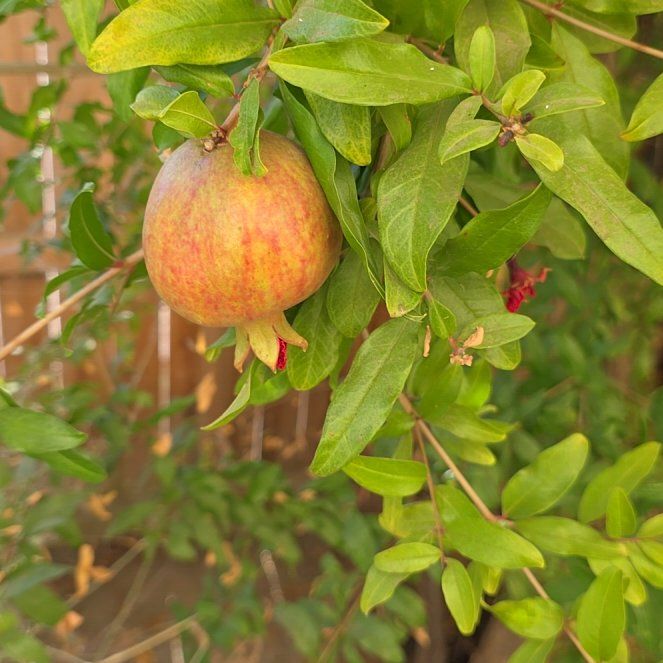
The Punica granatum, commonly known as the pomegranate, is a deciduous shrub or small tree that typically reaches heights of 6 to 12 feet. Its foliage features glossy, narrow leaves that boast a vibrant green color, providing a lush backdrop for its stunning blooms.
In late spring to summer, the pomegranate showcases striking red flowers, each measuring 2 to 3 inches in diameter. These eye-catching blossoms are not just beautiful; they also attract a variety of pollinators. By late summer to fall, the plant produces round, leathery-skinned pomegranates, usually 3 to 5 inches in diameter, which are the highlight of the growing season.
πΎ Most Appealing Parts to Animals
The fruits of the pomegranate are nutrient-rich, sweet, and juicy, making them irresistible to various herbivores. This delicious bounty often draws in animals looking for a tasty snack.
Additionally, the flowers are high in nectar, appealing not only to pollinators but also to some herbivores. Young shoots are another target; their tender and palatable nature makes them a favorite among browsing animals.
Understanding these appealing aspects can help gardeners protect their pomegranates from potential threats while appreciating the beauty and ecological role of this remarkable plant.
As we explore the common herbivores that may pose a threat to your pomegranate, itβs essential to recognize the balance between protecting your plants and fostering a healthy garden ecosystem.
Common Herbivores
π¦ Deer ((difficulty:moderate))
Signs of presence and damage caused
Deer are often the first culprits when it comes to damage to your Punica granatum. Look for hoof prints in muddy areas near the plant and notice if leaves and young shoots have been stripped from branches.
Impact on the plant
The presence of deer can be generally harmful, leading to stunted growth and reduced fruit yield. Their browsing habits can significantly affect the overall health of your pomegranate tree.
Deterrent methods
To keep deer at bay, consider using commercial deer repellents that contain putrescent egg solids. Alternatively, you can install 8-foot tall fencing or plant deer-resistant companion plants to create a natural barrier.
π Rabbits ((difficulty:easy))
Signs of presence and damage caused
Rabbits leave behind small, round droppings near the base of the plant. You may also notice cleanly cut stems and leaves at a 45-degree angle, a telltale sign of their nibbling.
Impact on the plant
Rabbits can be particularly damaging, especially to young plants, as they can severely hinder growth. Their appetite for tender shoots can lead to significant setbacks in your garden.
Deterrent methods
To deter rabbits, use repellents with strong scents like garlic. Additionally, fencing with chicken wire or applying cayenne pepper spray can help keep these furry pests away.
πΏοΈ Squirrels ((difficulty:moderate))
Signs of presence and damage caused
Squirrels leave small paw prints and often leave behind chewed fruit remnants. You might also notice gnawing on branches and fruits, which can lead to fruit drop.
Impact on the plant
Squirrels can be generally harmful, reducing both fruit quality and yield. Their relentless gnawing can compromise the health of your pomegranate tree.
Deterrent methods
Consider using squirrel repellents that contain capsaicin to keep them away. Installing squirrel-proof bird feeders and using reflective objects can also help deter these agile critters.
π¦ Birds ((difficulty:easy))
Signs of presence and damage caused
Birds can be spotted by their droppings and peck marks on fruits. They often feast on ripe fruits, which can lead to a reduced harvest.
Impact on the plant
The impact of birds is mixed; while they can damage fruits, they also play a role in pollination. This duality makes them both a nuisance and a beneficial presence in your garden.
Deterrent methods
To protect your fruits, consider using non-toxic bird repellents. You can also cover your plants with netting or employ scare tactics like reflective tape to keep birds at bay.
π Rodents ((difficulty:hard))
Signs of presence and damage caused
Rodents leave signs such as burrows near the base of the plant and gnaw marks on roots and stems. Their activity can lead to root damage, causing plant instability and decline.
Impact on the plant
Rodents are generally harmful, as they can severely affect plant health and growth. Their burrowing and gnawing habits can compromise the integrity of your pomegranate tree.
Deterrent methods
For rodent control, consider using bait stations, but exercise caution with these chemicals. Alternatively, traps and planting deterrent plants like mint can be effective organic solutions.
As you navigate the challenges posed by these common herbivores, remember that proactive measures can significantly enhance the health of your Punica granatum. Next, letβs explore the beneficial animals that can play a crucial role in your garden ecosystem.
Beneficial Animals and Ecological Role
π Description of Beneficial Animals
In your garden, certain animals play a crucial role in maintaining a healthy ecosystem. Pollinators like bees and butterflies are drawn to the vibrant flowers of the Punica granatum, seeking nectar and inadvertently aiding in the plant's reproduction.
Birds also contribute positively by controlling insect populations. Some species feast on pests that could otherwise harm your plants, creating a natural balance in your garden.
π± Positive Impacts on the Garden Ecosystem
The presence of these beneficial animals leads to enhanced pollination, which is vital for better fruit set. More pollination means more pomegranates, and who doesnβt want that?
Additionally, these animals provide natural pest control. By preying on harmful insects, they help reduce the need for chemical interventions, promoting a healthier garden environment. Embracing these allies can transform your garden into a thriving ecosystem.
General Protection Strategies
π‘οΈ Preventive Measures
To protect your Punica granatum, start with effective fencing. Installing barriers can keep larger herbivores, like deer, at bay.
Companion planting is another smart strategy. By using plants that deter pests or attract beneficial insects, you can create a more resilient garden ecosystem.
β οΈ Reactive Solutions
Regular monitoring is crucial for early detection of damage. Inspect your plants frequently for signs of herbivore presence.
When you notice any issues, take immediate action. Implement deterrents as soon as you spot signs of trouble to minimize damage.
π± Seasonal Variations
Be aware of seasonal changes in animal activity. In spring, rabbits and deer become more active as they seek out tender shoots.
By late summer, birds and squirrels are drawn to your ripening fruits. Understanding these patterns can help you stay one step ahead in protecting your plants.
With these strategies, you can enjoy a thriving pomegranate tree while keeping unwanted visitors at bay.
Toxicity and Safety
Discussion of toxicity π§ͺ
While Punica granatum, commonly known as the pomegranate, is celebrated for its delicious fruits, it's important to note that some parts of the plant can be mildly toxic. Ingesting large quantities may lead to gastrointestinal upset, which can be a concern for curious pets or wildlife.
Implications for animal interactions πΎ
Understanding the mild toxicity of pomegranates can be beneficial in managing interactions with animals in your garden. By being aware of which parts are potentially harmful, you can better protect beneficial species while deterring those that might cause damage.
This knowledge not only helps safeguard your plants but also fosters a healthier garden ecosystem. By striking a balance between protecting your pomegranate and supporting local wildlife, you can create a thriving environment for all.
β οΈ Safety First
This content is for general information and may contain errors, omissions, or outdated details. It is not medical, veterinary advice, or an endorsement of therapeutic claims.
Always consult a qualified healthcare professional before using any plant as food, medicine, or supplement.
Never eat any plant (or feed one to pets) without confirming its identity with at least two trusted sources.
If you suspect poisoning, call Poison Control (800) 222-1222, the Pet Poison Helpline (800) 213-6680, or your local emergency service immediately.
Spotted an error? Please report it here.