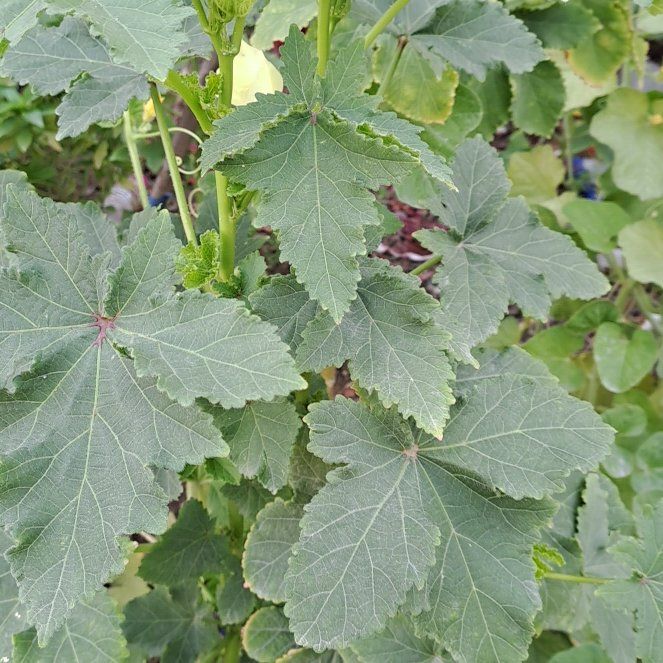
Identifying What is Eating Your Okra
Abelmoschus esculentus
By the Greg Editorial Team
Jul 25, 2024•5 min read
This article was created with the help of AI so we can cover more plants for you. May contain errors. See one? Report it here.
Protect your okra harvest ๐ฑ and boost garden harmony with savvy wildlife tips. ๐ฆ๐
- ๐ฆ๐ Identify herbivores by gnawed okra and droppings; deer to groundhogs may feast.
- ๐๐ Attract beneficial insects with diverse plants to pollinate and control pests.
- ๐ฑ Balance protection and ecology with barriers, companion planting, and eco-friendly deterrents.
Recognizing Herbivore Presence
๐ฆ Deer Damage
Deer are drawn to okra for its leaves and stems, often leaving a clear trail of nibbled plants. Their presence can be inferred from large, split hoof marks around the garden and the height at which the damage occurs.
- Look for jagged edges on leaves and stems.
- Consider motion-activated sprinklers or tall fencing for deterrence.
๐ Rabbit Intrusion
Rabbits target the tender shoots and leaves of okra, posing a threat to young plants. Their telltale signs include clean-cut damage near the ground and small, round droppings.
- Install chicken wire or plant deterrent flowers like marigolds.
- Encourage natural predators to maintain a balanced garden ecosystem.
๐ฟ๏ธ Squirrel Challenges
Squirrels may gnaw on okra pods or damage plants while seeking moisture. Their foraging leaves behind gnawed pods and disturbed soil.
- Use netting to protect the plants.
- Provide an alternative water source to distract them from okra.
๐ฆ Bird Visitation
Birds might peck at okra fruits or assist in pest control. Their interactions can be identified by peck marks on okra pods or by observing them perched on plants.
- Hang reflective tape to scare birds away.
- Plant berry bushes to offer alternative food sources.
๐ Rodent Issues
Rodents, such as mice and voles, often leave gnaw marks on okra stems and can uproot seedlings. Their small, irregular burrows near plants are a giveaway.
- Set up traps around the okra patch.
- Maintain a tidy garden to reduce hiding spots.
๐ฆก Groundhog Encounters
Groundhogs can devour okra plants, particularly enjoying the leaves and young shoots. Look for large, round burrow entrances and extensive damage to lower parts of the plant.
- Use repellents with strong scents like garlic or pepper.
- Build raised beds or use hardware cloth as a barrier.
Attracting Beneficial Fauna
๐ผ Pollinators and Predators
Okra blossoms are more than just a pretty sight; they're a beacon for garden benefactors. Bees, ladybugs, and other insects play a pivotal role in Okra health by pollinating flowers and preying on pests.
- Bees: These tireless workers shuttle pollen from bloom to bloom, ensuring your Okra pods develop fully.
- Ladybugs: Voracious predators of aphids, ladybugs keep these sap-suckers in check, safeguarding your Okra leaves.
- Lacewings and Parasitic Wasps: These unsung heroes target a variety of garden pests, providing natural pest control.
To support these invaluable allies:
- Plant a variety of flowers that bloom at staggered intervals, offering a continuous feast of nectar and pollen.
- Include plants like sunflowers and basil, which are known to attract pollinators and also repel certain pests.
- Maintain a water source to quench the thirst of your winged garden guests.
- Avoid broad-spectrum insecticides that harm beneficial insects along with the pests.
By welcoming these creatures, you're not just growing Okra; you're cultivating a vibrant, self-regulating garden ecosystem.
Protecting Okra Effectively
๐ฆ Proactive Strategies
Okra plants, with their lush foliage and distinctive pods, can be an open invitation to garden herbivores. To safeguard your crop:
Physical Barriers:
- Erect fencing around your garden to deter larger animals like deer and rabbits.
- Utilize netting or row covers to protect against birds and insects, ensuring they are removed during pollination periods.
Companion Planting:
- Integrate marigolds, nasturtiums, and basil among your Okra, which can repel certain pests.
- Employ strip-tillage with cover crops to serve as windbreaks and to enhance soil health, indirectly bolstering Okra's resilience.
Organic and Chemical Deterrents:
- Apply neem oil, insecticidal soaps, or diatomaceous earth for managing insect infestations.
- Consider chemical treatments as a last resort, strictly following safety guidelines to minimize ecological impact.
๐ญ Responsive Tactics
When herbivores make their mark on your Okra, swift and thoughtful action is key:
Humane Solutions:
- Set up humane traps for rodents, ensuring they are checked and emptied regularly.
- Regularly inspect plants for early signs of damage, allowing for prompt and targeted intervention.
Seasonal Adjustments:
- Increase vigilance during spring when fresh Okra growth is most vulnerable.
- Adjust care in summer, providing adequate hydration and shade to stress-proof your plants.
- Prepare for overwintering pests in fall by clearing debris and applying mulch.
- Prune strategically in winter to remove damaged parts and deter nesting rodents.
Okra's Ecological Role and Seasonal Dynamics
Okra, known scientifically as Abelmoschus esculentus, is more than just a staple in Southern cuisine; it's a key player in the garden ecosystem. Thriving in full sun and well-drained soils, Okra peaks in the hot summer months, particularly July and August, before tapering off in early fall. This seasonal growth pattern aligns with the life cycles of many garden creatures.
- Okra's lush foliage and flowers serve as a food source and habitat for various animals.
- Its peak growing season coincides with high activity levels of herbivores and pollinators.
As temperatures soar, so does the activity around Okra plants. Deer, known to savor Okra leaves and stems, may visit gardens more frequently during these warmer months. Similarly, rabbits and groundhogs might be enticed by the tender shoots and fruits. On the flip side, Okra's self-pollinating nature means it doesn't rely on insects for fruit production, yet it still offers nectar and pollen to beneficial insects during its flowering phase.
- Gardeners should be mindful of the increased herbivore presence during Okra's peak season.
- Implementing protective strategies is crucial, especially when the plants are most lush and appealing.
Understanding Okra's seasonal rhythms is vital for gardeners aiming to balance plant protection with ecosystem health. By recognizing the patterns of animal attraction to Okra, one can tailor garden management practices to the season, ensuring a bountiful harvest while coexisting with the local wildlife.
โ ๏ธ Safety First
This content is for general information and may contain errors, omissions, or outdated details. It is not medical, veterinary advice, or an endorsement of therapeutic claims.
Always consult a qualified healthcare professional before using any plant as food, medicine, or supplement.
Never eat any plant (or feed one to pets) without confirming its identity with at least two trusted sources.
If you suspect poisoning, call Poison Control (800) 222-1222, the Pet Poison Helpline (800) 213-6680, or your local emergency service immediately.
Spotted an error? Please report it here.