Ultimate Guide to What's Eating Your Majesty Palm
Ravenea rivularis
By the Greg Editorial Team
Jul 28, 2024•5 min read
This article was created with the help of AI so we can cover more plants for you. May contain errors. See one? Report it here.
Defend your Majesty Palm πΏ against nature's nibblers with year-round, eco-conscious tactics.
- π¦π Identify herbivore damage like gnawed leaves and hoof prints to protect Majesty Palms.
- ππ¦ Encourage beneficial insects for pollination while deterring damaging herbivores.
- π‘οΈ Use barriers and repellents responsibly to balance plant protection with ecosystem health.
Recognizing Herbivore Presence
π¦ Deer Interaction
Deer are often uninterested in Majesty Palms, but when they do interact, they can leave behind distinct signs. Look for hoof prints or trampled vegetation around your palm. Deer may occasionally nibble on the leaves, leaving jagged edges or torn fronds. To balance deer management with ecosystem health:
- Opt for plant selection and non-harmful deterrents.
- Consider physical barriers like fencing that blend into the garden's aesthetic.
π Rabbit Habits
Rabbits, while small, can be quite the nuisance for Majesty Palm owners. They tend to gnaw at the base of the plant, leaving clean-cut damage on younger shoots. If you notice such signs:
- Implement habitat modifications like raised beds.
- Use natural repellents that won't harm the local fauna.
πΏοΈ Squirrel Damage
Squirrels are acrobatic creatures that may strip the bark or dig around the base of your Majesty Palm. Their presence is often betrayed by scattered debris and dug-up soil. To manage squirrels without disrupting the environment:
- Employ decoys or noise-making devices to scare them away.
- Provide alternative food sources to divert their attention from your palms.
Bird and Insect Interactions
π¦ Birds as Pollinators and Pests
Birds can be a delight in the garden, flitting from plant to plant. However, they can also cause damage to your Majesty Palm.
- Look out for pecked leaves and flowers, a sign that birds have been visiting.
- Birds are key pollinators for many plants, so their presence isn't all bad news.
To keep birds in check without harming the ecosystem:
- Install bird netting to protect the most vulnerable parts of the palm.
- Set up decoys or reflective objects to deter birds from settling on your palm.
π¦ Beneficial Insects
Insects like bees and butterflies are crucial for pollination, ensuring your Majesty Palm thrives.
- Encourage beneficial insects by planting a variety of flowers around your palm.
- Avoid broad-spectrum pesticides, which can harm these helpful creatures.
For pest control:
- Introduce natural predators such as ladybugs or parasitic wasps.
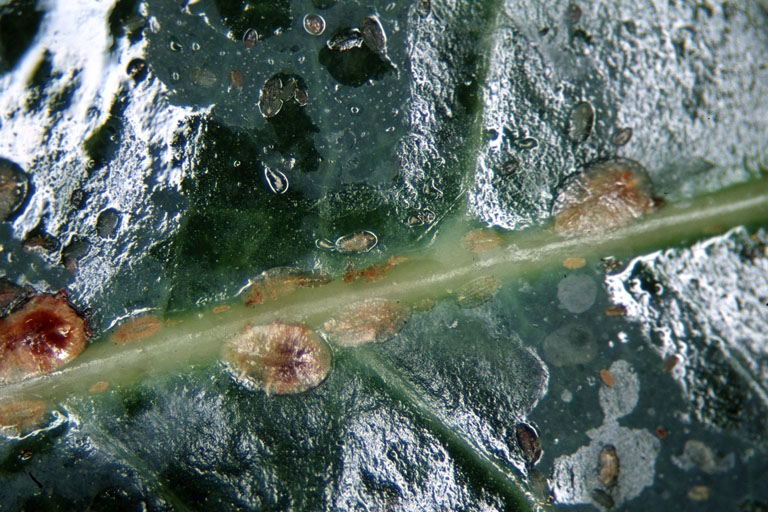
- Use targeted organic solutions like neem oil to deal with specific pests.
Rodent and Groundhog Challenges
π Rodent Issues
Rodents can wreak havoc on Majesty Palms, gnawing on bark and roots and potentially girdling young trees. Here's how to spot and stop them:
- Look for gnaw marks at the base of the plant, droppings, or disturbed soil indicating burrowing.
- To mitigate damage, consider these safe approaches:
- Remove debris and trim lower branches to reduce hiding spots.
- Use rodent guards around tree trunks.
- Employ live traps and relocate the rodents, if local regulations permit.
𦑠Groundhog Impact
Groundhogs, with their burrowing lifestyle, pose a different set of challenges:
- Watch for large, freshly dug burrows near your Majesty Palms and partially eaten leaves.
- Groundhog deterrence can be environmentally friendly:
- Install fencing that extends underground to prevent digging.
- Use natural repellents like garlic and pepper sprays.
- Encourage the presence of natural predators, such as hawks, to keep groundhog populations in check.
Plant Damage Prevention and Management
πΏ Physical and Natural Barriers
Protecting your Majesty Palm from hungry herbivores can be as simple as setting up a few barriers. Here's how to keep your palms safe:
- Fencing: Erecting a fence can be a solid line of defense against larger animals like deer.
- Netting: For the smaller critters, consider draping netting over your palms.
- Habitat modifications: Rearrange your garden layout to make your Majesty Palms less accessible to pests.
- Natural repellents: Plants and substances that repel animals can be a gentle way to keep your palms untouched.
Natural barriers not only prevent damage but also preserve the delicate balance of your garden's ecosystem.
π§ͺ Chemical and Organic Controls
When it comes to chemical and organic controls, it's all about smart, responsible use:
- Chemical deterrents: Use these sparingly and only as a last resort. Always follow the label instructions to minimize environmental impact.
- Organic solutions: From insecticidal soaps to horticultural oils, there are plenty of eco-friendly options for reactive damage control.
Remember, the goal is to protect your Majesty Palm while being kind to the environment.
Seasonal Considerations and Plant Appeal
π‘οΈ Seasonal Defense Strategies
Herbivores don't stick to a static schedule; their dining habits shift with the seasons. As a gardener, syncing your defense strategies with these changes is key to protecting your Majesty Palm.
- Spring and Summer: Vigilance is crucial during these growth periods. More watering and fertilizing are needed, but be mindful of attracting herbivores with lush, new growth.
- Fall: This is the time to ease up on fertilizing, as plants prepare for dormancy. However, keep an eye out for animals foraging to bulk up for winter.
- Winter: Water less and monitor for signs of wildlife seeking shelter or food in the colder months.
π‘οΈ Targeted Plant Protection
Majesty Palms have parts that are like a buffet for local fauna. Knowing what's on the menu can help you guard these areas more effectively.
- Fruits: If your palm is fruiting, birds and small mammals might come calling. Consider netting or scare tactics.
- Flowers: The blooms can attract pollinators, but also nibblers. Physical barriers can help.
- Young Shoots: These tender bits are irresistible to many creatures. Use natural repellents or fencing to keep them at bay.
Understanding the allure of these parts to animals is the first step in targeted plant protection, ensuring your Majesty Palm remains majestic.
β οΈ Safety First
This content is for general information and may contain errors, omissions, or outdated details. It is not medical, veterinary advice, or an endorsement of therapeutic claims.
Always consult a qualified healthcare professional before using any plant as food, medicine, or supplement.
Never eat any plant (or feed one to pets) without confirming its identity with at least two trusted sources.
If you suspect poisoning, call Poison Control (800) 222-1222, the Pet Poison Helpline (800) 213-6680, or your local emergency service immediately.
Spotted an error? Please report it here.