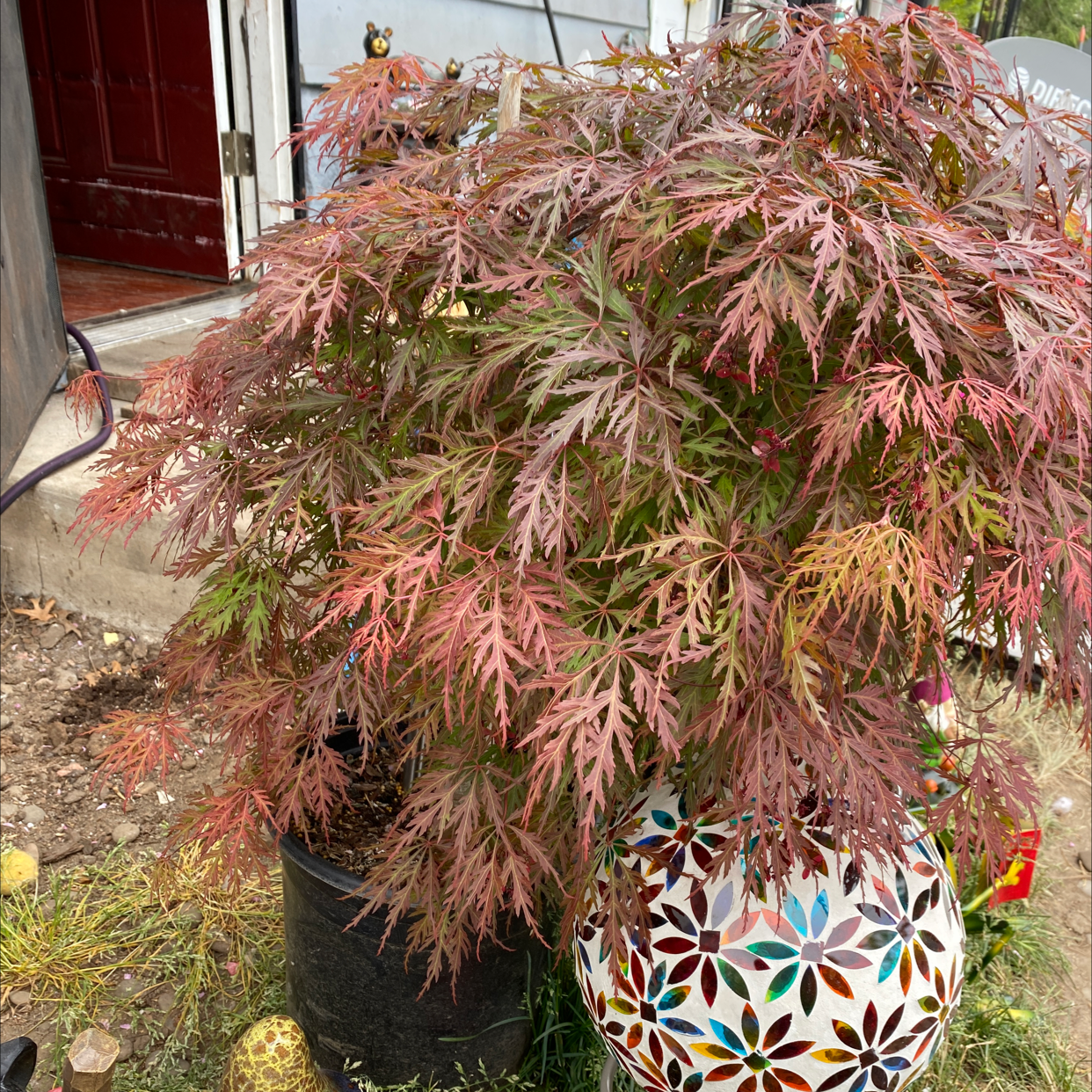
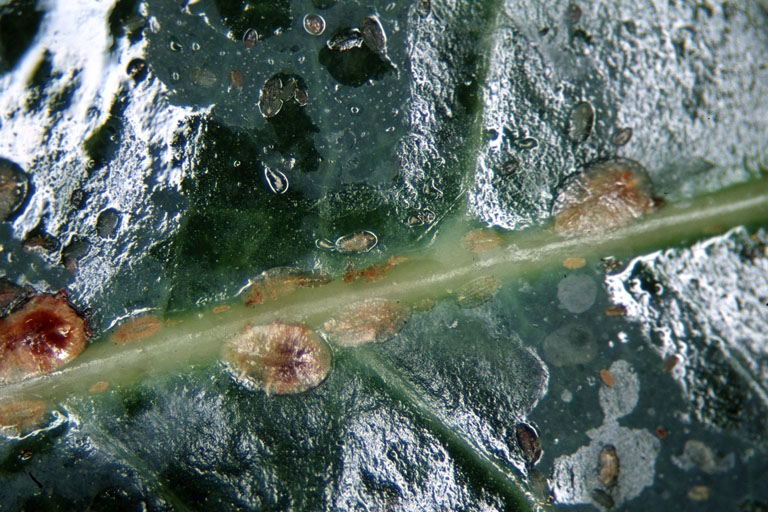
Ultimate Guide to What's Eating Your Japanese Maple

Acer palmatum

By the Greg Editorial Team

Jul 20, 20244 min read

This article was created with the help of AI so we can cover more plants for you. May contain errors. See one? Report it here.

  1. ๐ŸฆŒ Identify damage by looking for holes, tracks, and droppings on Japanese Maples.
  2. ๐ŸŒณ Attractiveness vs. Safety: Maples lure wildlife but are generally non-toxic.
  3. ๐Ÿ›ก๏ธ Balance protection with ecosystem health using preventive and reactive measures.

Identifying Herbivore Damage

Signs of Animal Presence

Identifying the culprits behind Japanese Maple damage begins with keen observation. Here's what to look out for:

  • Visual Indicators:
    • Brown holes or jagged edges in leaves, indicating nibbling or chewing.
    • Browning, crispy tips, possibly from more severe feeding.
    • Hoof prints or animal tracks around the plant, suggesting larger visitors.
    • Fecal droppings, which vary in size depending on the animal.
    • Signs of digging or burrowing near the plant's base, hinting at rodent activity.

Assessing the Impact

The extent of herbivore damage on your Japanese Maple can range from cosmetic to critical. Assessing impact is key:

  • Damage Severity:

    • Use a scoring system from 0 (no damage) to 4 (extensive damage) to quantify leaf and stem damage.
    • Check for signs of root mining or disruption, which can affect the plant's stability and nutrient uptake.
  • Plant Health Evaluation:

    • Monitor changes over time, looking for reduced vigor, stunted growth, or failure to thrive.
    • Consider the plant's value in the ecosystem, even if it's currently in distress, as it may still contribute to local biodiversity.

Common Culprits Explained

๐ŸฆŒ Deer Interactions

  • Look for large, jagged bites taken out of leaves and twigs; these are telltale signs of deer.
  • Deer play a dual role, aiding in seed dispersal while sometimes causing significant plant damage.

๐Ÿ‡ Rabbit Challenges

  • Rabbit damage is often seen as clean cuts on young stems and gnawing on bark.
  • Despite their potential for harm, rabbits can help maintain plant diversity by selective feeding.

๐Ÿฟ๏ธ Squirrel Activities

  • Squirrels leave behind small, irregular bites on leaves and may strip bark.
  • These agile creatures contribute to forest health by spreading seeds and fungi.

๐Ÿฆ Bird Encounters

๐Ÿ€ Rodent Issues

  • Rodents, such as mice and voles, cause damage by gnawing at the base of trees and roots.
  • Their burrowing can aerate the soil, but they can also girdle young trees, threatening their survival.

๐Ÿฆก Groundhog Habits

  • Groundhogs' presence is indicated by nibbled leaves and stems, often close to their burrows.
  • While they can be destructive, groundhogs also help till the soil, promoting nutrient cycling.

Attractiveness and Toxicity

Alluring Features

Japanese Maples are a magnet for wildlife, thanks to their vibrant foliage, delicate flowers, and sometimes even their seeds. Here's what makes them so irresistible:

  • Foliage: A spectrum of colors throughout the seasons, providing a visual treat that's hard to miss.
  • Flowers: Small, reddish blooms that appear from May to June, offering nectar to pollinators.
  • Seeds: While not a primary food source, they can attract birds seeking nourishment.

๐Ÿšซ Potential Dangers

Despite their allure, Japanese Maples are generally safe for the local fauna. However, it's always wise to be informed about any potential risks:

  • Toxicity to Animals: There's little evidence to suggest that Japanese Maples pose a toxic threat to most animals, including household pets like cats and dogs.
  • Human Sensitivities: On the rare occasion, some individuals may experience allergic reactions to the plant, so monitoring for symptoms like rashes or gastrointestinal discomfort is recommended.
  • Confusion with Other Species: It's crucial to distinguish Japanese Maple from other species like the red maple, which can be toxic to certain animals like horses.

Protecting Your Japanese Maple

๐ŸŒฒ Preventive Strategies

Prevention is key when safeguarding your Japanese Maple from herbivores. Here's how to keep those nibblers at bay:

  • Rotate repellents like Bobbex and Orthoยฎ Animal B Gonยฎ every few months to keep animals guessing and away from your trees.
  • Apply repellents strategically during high-risk periods, typically from October to December and March to May.
  • Clear away leaves and debris from the tree base to reduce hiding spots for critters like voles and mice.
  • Wrap tree guards or burlap around the trunk to deter bark and branch munching.

๐Ÿฆ Reactive Measures

When damage has already occurred, it's time for a careful response:

  • Assess the damage; if it's not severe, your tree will likely recover with time.
  • For vole issues, use targeted baits that list voles specifically, as general rodent baits may not be effective.
  • In winter, when food is scarce, protect the bark of your Japanese Maple, as critters may turn to it out of desperation.
  • If squirrels are snapping branches, consider measures to disrupt their territorial markings without harming the ecosystem.

โš ๏ธ Safety First

This content is for general information and may contain errors, omissions, or outdated details. It is not medical, veterinary advice, or an endorsement of therapeutic claims.

Always consult a qualified healthcare professional before using any plant as food, medicine, or supplement.

Never eat any plant (or feed one to pets) without confirming its identity with at least two trusted sources.

If you suspect poisoning, call Poison Control (800) 222-1222, the Pet Poison Helpline (800) 213-6680, or your local emergency service immediately.

Spotted an error? Please report it here.

Ensure your Japanese Maple flourishes ๐Ÿ by leveraging Greg's tailored advice and health monitoring features to safeguard it from those pesky herbivores.