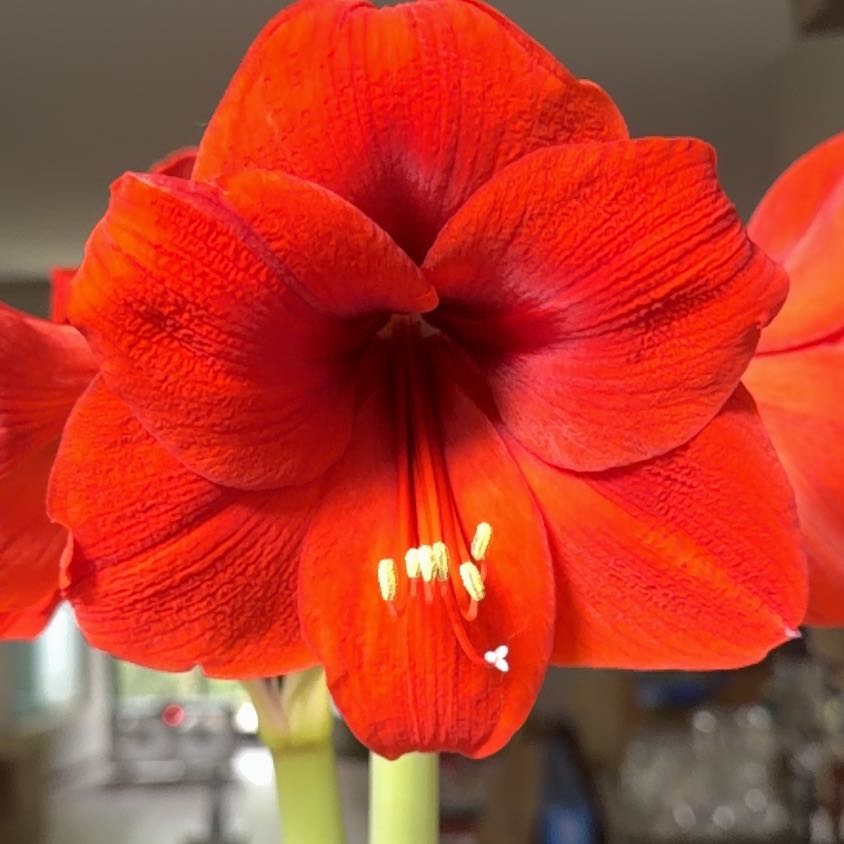
What's Eating Your Hippeastrum π
Hippeastrum spp.
By the Greg Editorial Team
Nov 25, 2024•6 min read
This article was created with the help of AI so we can cover more plants for you. May contain errors. See one? Report it here.
Safeguard your Hippeastrum from pesky herbivores πΏ with these expert tips for a flourishing garden! πΌ
- π¦ Deer and rabbits damage Hippeastrum, stripping leaves and stunting growth.
- πΏοΈ Squirrels and rodents harm bulbs, leading to reduced flowering and plant decline.
- πΌ Protect Hippeastrum with barriers and monitoring to deter herbivores effectively.
Common Herbivores Affecting Hippeastrum
π¦ Deer
Signs of presence and damage caused
Look for hoof prints in the soil or mud, which indicate deer activity. You may also notice stripped leaves and flowers, typically nibbled at a height of 2-3 feet.
Impact on Hippeastrum (beneficial or harmful)
Deer are generally harmful to Hippeastrum. Their browsing can decimate flower production and weaken the plants significantly.
Deterrent methods (difficulty: moderate)
To deter deer, consider using commercial repellents with strong scents. Alternatively, you can plant deer-resistant companion plants or scatter human hair and soap shavings around your garden.
π Rabbits
Signs of presence and damage caused
Rabbits leave small, round droppings near the base of plants. You might also find chewed stems and leaves, typically at ground level.
Impact on Hippeastrum (beneficial or harmful)
Rabbits are generally harmful as they can cause significant damage and stunted growth in your Hippeastrum.
Deterrent methods (difficulty: easy)
Bitter-tasting sprays can act as effective chemical deterrents. For organic methods, consider erecting fencing at least 2 feet high or using repellents like cayenne pepper.
πΏοΈ Squirrels
Signs of presence and damage caused
Squirrels often dig around bulbs, leaving disturbed soil and missing bulbs. You may also find chewed leaves and flowers scattered on the ground.
Impact on Hippeastrum (beneficial or harmful)
Squirrels are generally harmful, leading to bulb loss and reduced flowering in your plants.
Deterrent methods (difficulty: moderate)
Commercial squirrel repellents can help keep these critters at bay. You might also use motion-activated sprinklers or noise deterrents for an organic approach.
π¦ Birds
Signs of presence and damage caused
Look for pecked flowers and leaves, which indicate bird activity. You may also find feathers and twigs near the plant, suggesting nesting.
Impact on Hippeastrum (beneficial or harmful)
Birds can be both beneficial and harmful. While they assist in pollination, they can also damage flowers.
Deterrent methods (difficulty: easy)
Reflective tape or bird netting can serve as effective chemical deterrents. For organic methods, consider placing decoys or shiny objects to scare them away.
π Rodents
Signs of presence and damage caused
Rodents often chew bulbs and roots, leaving visible damage at the base of the plant. You might also spot tunnels or burrows near the plant base.
Impact on Hippeastrum (beneficial or harmful)
Rodents are generally harmful, leading to bulb loss and overall plant decline.
Deterrent methods (difficulty: moderate)
Rodent bait stations can be effective chemical deterrents. Alternatively, trapping and using natural repellents like peppermint oil can help manage their presence organically.
𦑠Groundhogs/Woodchucks
Signs of presence and damage caused
Look for large burrows near your garden, typically 6-8 inches in diameter. Chewed stems and leaves at ground level are also telltale signs of their activity.
Impact on Hippeastrum (beneficial or harmful)
Groundhogs are generally harmful and can cause extensive damage to multiple plants.
Deterrent methods (difficulty: hard)
Commercial repellents with strong scents can deter groundhogs. For organic methods, consider fencing at least 3 feet high and using motion-activated devices to keep them away.
With a better understanding of these common herbivores, you can take proactive steps to protect your Hippeastrum. Next, letβs explore general protection strategies to safeguard your plants from these pesky invaders.
General Protection Strategies
π‘οΈ Preventive measures for protecting Hippeastrum
To safeguard your Hippeastrum, consider planting them in raised beds. This simple strategy can deter burrowing animals that might otherwise wreak havoc on your bulbs.
Additionally, using protective barriers like fencing or netting can create a physical shield against herbivores. Ensure that these barriers are tall enough to prevent animals from jumping over or digging under.
β οΈ Reactive solutions for managing animal interactions
Regular monitoring is essential for spotting signs of herbivore activity. Keep an eye out for droppings, chewed leaves, or other indicators that animals are nearby.
When you notice damage, take immediate action. Applying repellents or adjusting your protective measures can help mitigate further harm to your plants.
π± Balancing ecosystem while protecting plants
Creating a balanced ecosystem is key to a thriving garden. Encourage beneficial insects that can help control pest populations while deterring harmful herbivores.
Companion planting is another effective strategy. By planting diverse species together, you can create a more resilient garden environment that naturally protects your Hippeastrum from unwanted visitors.
With these strategies in place, you can enjoy a flourishing garden while minimizing the impact of herbivores. Next, letβs explore the seasonal considerations that affect your Hippeastrumβs vulnerability.
Seasonal Considerations
π± Seasonal Variations in Animal Attraction to Hippeastrum
As the seasons change, so does the behavior of herbivores drawn to your Hippeastrum. In spring, when the plants begin to emerge, there's a noticeable uptick in herbivore activity, as they seek out fresh foliage.
In the fall, animals prepare for winter by digging for bulbs. This seasonal shift can lead to increased damage if not monitored closely.
β° Timing of Plant Vulnerability
The vulnerability of your Hippeastrum is particularly pronounced during specific times of the year. Young shoots are most at risk in early spring, as they are tender and easily accessible to hungry herbivores.
Additionally, the flowering periods attract more herbivores, especially deer and rabbits, who are eager to feast on the vibrant blooms. Being aware of these timings can help you take proactive measures to protect your plants.
By understanding these seasonal dynamics, you can better safeguard your Hippeastrum from potential threats while enjoying their beauty throughout the year.
Toxicity and Ecological Role
πΎ Toxic effects of Hippeastrum on animals
Hippeastrum species can pose a risk to certain herbivores due to the presence of alkaloids. These compounds can lead to symptoms such as vomiting, diarrhea, and lethargy in affected animals.
πΌ Ecological role of Hippeastrum in local environments
Despite their toxicity, Hippeastrum plays a vital role in local ecosystems. They provide essential nectar and pollen for pollinators, supporting biodiversity in your garden.
Additionally, these plants serve as a food source for some herbivores, contributing to the local food web. This dual role highlights the importance of Hippeastrum in maintaining ecological balance while also reminding us of the intricate relationships within nature.
As we explore the various herbivores that may threaten your Hippeastrum, itβs crucial to understand how these plants fit into the larger ecosystem. This knowledge can help you protect your garden while appreciating the natural world around you.
β οΈ Safety First
This content is for general information and may contain errors, omissions, or outdated details. It is not medical, veterinary advice, or an endorsement of therapeutic claims.
Always consult a qualified healthcare professional before using any plant as food, medicine, or supplement.
Never eat any plant (or feed one to pets) without confirming its identity with at least two trusted sources.
If you suspect poisoning, call Poison Control (800) 222-1222, the Pet Poison Helpline (800) 213-6680, or your local emergency service immediately.
Spotted an error? Please report it here.