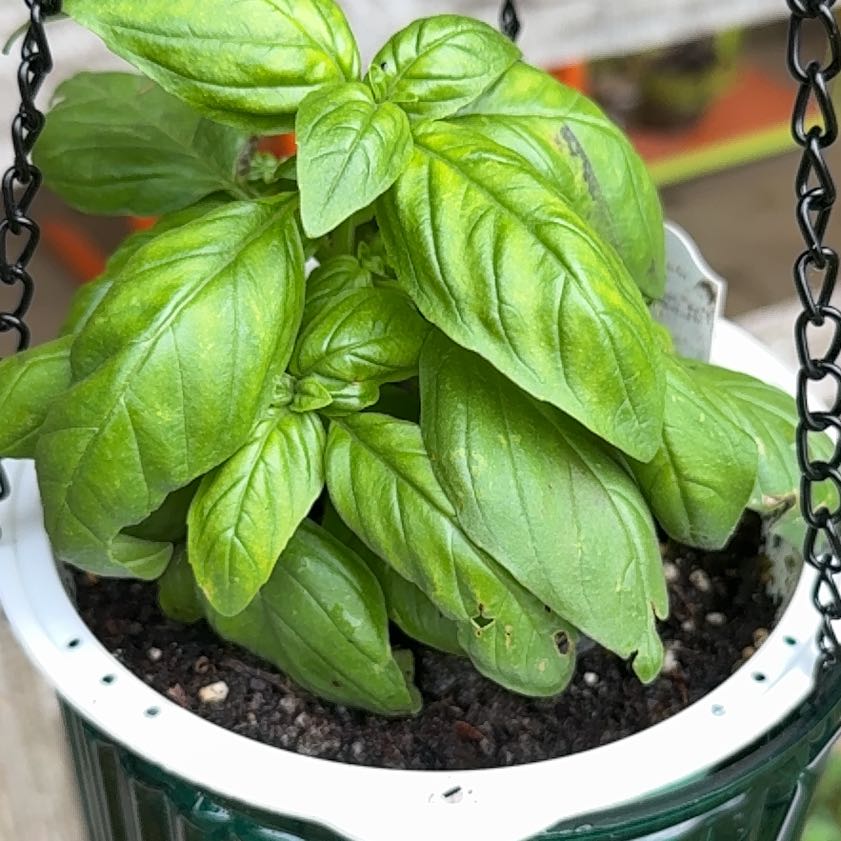
Determining What Might Be Eating Your Genovese Basil π
Ocimum basilicum
By the Greg Editorial Team
Oct 15, 2024•7 min read
This article was created with the help of AI so we can cover more plants for you. May contain errors. See one? Report it here.
Safeguard your Genovese basil from pesky herbivores πΏ with proven strategies for a flourishing garden! π±
- πΎ Identify herbivores like deer and rabbits damaging your Genovese basil plants.
- π« Use barriers and repellents to effectively deter herbivores from your basil garden.
- πΌ Attract pollinators to enhance basil growth while maintaining ecosystem balance.
Common Herbivores Affecting Genovese Basil
π¦ Deer
Signs of presence
Look for distinct hoof prints in the soil and irregularly chewed edges on leaves. These signs indicate that deer are nearby and munching on your basil.
Type of damage caused
Deer browsing can strip leaves, leading to stunted growth. This can severely affect the overall health of your basil plants.
Beneficial vs. harmful interaction
Deer are generally harmful to basil populations. If left unmanaged, they can decimate your plants quickly.
Deterrent methods
To keep deer at bay, consider installing 8-foot tall barriers. You can also use commercial deer repellents or homemade solutions like garlic spray to deter them.
π Rabbits
Signs of presence
Rabbits leave small, round droppings near your basil and create clean cuts on young plant stems. These signs are clear indicators of their presence.
Type of damage caused
Rabbits often graze on young plants, sometimes consuming them entirely. This can be devastating for your basil garden.
Beneficial vs. harmful interaction
Rabbits are generally harmful, as they can severely impact plant health. Their appetite for basil can lead to significant losses.
Deterrent methods
To protect your plants, cover them with mesh netting. You can also use organic repellents like cayenne pepper or predator urine to keep rabbits away.
πΏοΈ Squirrels
Signs of presence
Look for irregular holes in leaves and disturbed soil around the base of your plants. These signs suggest squirrels are causing trouble.
Type of damage caused
Squirrels can damage leaves, reducing photosynthesis and overall plant vigor. This stress can hinder your basil's growth.
Beneficial vs. harmful interaction
Squirrels are generally harmful, as their activities can lead to significant plant stress. Their nibbling can take a toll on your basil.
Deterrent methods
Use reflective objects or noise-making devices as scare tactics. Setting humane traps can also help you relocate these pesky critters.
π¦ Birds
Signs of presence
Peck marks on leaves and nests in nearby trees indicate bird activity. These signs can help you identify if birds are visiting your basil.
Type of damage caused
Birds often consume seeds before they can germinate, leading to reduced plant populations. This can be particularly problematic for new growth.
Beneficial vs. harmful interaction
Birds have a mixed impact; while they can damage seeds, they also help control pests. Their role in the ecosystem is complex.
Deterrent methods
Protect your plants with bird netting to prevent access. Hanging shiny objects can also deter birds from feasting on your basil.
π Rodents (mice, voles)
Signs of presence
Look for small burrows or trails in the soil, along with dark pellets near your plants. These signs indicate rodent activity.
Type of damage caused
Rodents can gnaw on roots, leading to plant decline. This root damage can severely affect your basil's health.
Beneficial vs. harmful interaction
Rodents are generally harmful, as they can cause significant damage to your plants. Their presence can lead to serious issues in your garden.
Deterrent methods
Using snap traps or live traps can help catch rodents effectively. Additionally, removing debris and tall grass can reduce their hiding spots.
𦑠Groundhogs/Woodchucks
Signs of presence
Look for large holes dug into the ground and distinctive chew marks on stems. These signs indicate that groundhogs are nearby.
Type of damage caused
Heavy grazing by groundhogs can decimate entire plants quickly. Their appetite can lead to total loss of your basil.
Beneficial vs. harmful interaction
Groundhogs are generally harmful, as they can wipe out your basil plants. Their impact can be devastating if not managed.
Deterrent methods
Consider installing underground fencing to prevent burrowing. You can also use commercial repellents or homemade mixtures to deter them.
Understanding these common herbivores is crucial for protecting your Genovese basil. By recognizing their signs and implementing effective deterrent methods, you can safeguard your plants and ensure a thriving garden. Next, letβs explore the beneficial animals that can also be attracted to your basil.
Beneficial Animals Attracted to Genovese Basil
π Pollinators (bees, butterflies)
Pollinators like bees and butterflies are essential for a thriving garden. They enhance pollination, which leads to better fruit and seed production for your Genovese basil.
π Natural Pest Predators (ladybugs, lacewings)
Ladybugs and lacewings play a crucial role in controlling harmful pests. By preying on aphids and other nuisances, they help maintain a balanced ecosystem, ensuring your basil remains healthy and vibrant.
Encouraging these beneficial animals can create a harmonious environment in your garden. Their presence not only supports your basil but also contributes to the overall health of your garden ecosystem.
As you cultivate your basil, consider ways to attract these helpful creatures. Simple actions, like planting flowers nearby, can make a significant difference.
Next, letβs explore general strategies for protecting your Genovese basil from potential threats.
General Strategies for Protecting Genovese Basil
π‘οΈ Preventive Measures
Fencing is one of the most effective ways to keep larger herbivores away from your Genovese basil. Installing barriers, ideally at least 3 feet high, can deter deer and rabbits from munching on your precious plants.
Companion planting is another smart strategy. By placing basil alongside herbs or flowers that naturally repel pests, you create a protective environment that enhances growth and minimizes damage.
β οΈ Reactive Solutions
When prevention isn't enough, reactive solutions come into play. Setting traps can provide immediate relief from pests that threaten your basil.
Using organic sprays, like neem oil or insecticidal soap, can also help control unwanted visitors. These solutions are gentle on your plants while effectively managing pest populations.
π± Maintaining a Balanced Ecosystem
It's crucial to maintain a balanced ecosystem while deterring harmful animals. Encourage beneficial insects, such as ladybugs and lacewings, which help control pest populations naturally.
Integrated pest management is key. By fostering a diverse garden environment, you can manage harmful animals while promoting a healthy ecosystem that supports your basil's growth.
With these strategies in place, your Genovese basil will stand a much better chance against herbivores. Next, letβs explore seasonal considerations that can further enhance your basil's resilience.
Seasonal Considerations
π Seasonal Variations in Animal Attraction to Genovese Basil
As the seasons change, so does the activity of herbivores around your Genovese basil.
In spring, rabbits and groundhogs emerge from hibernation, increasing their foraging efforts.
β° Timing of Planting and Harvesting in Relation to Animal Activity
To outsmart these hungry critters, consider planting your basil in early spring. This gives your plants a head start before peak herbivore activity kicks in.
Harvesting before flowering is another smart move. It helps minimize the attraction of seeds, which can draw in more animals looking for a snack.
By understanding these seasonal patterns, you can better protect your basil and ensure a thriving garden.
Toxic Effects of Genovese Basil
πΎ Mild Toxicity in Animals
Genovese basil can have mild toxic effects on animals if consumed in large quantities. This may lead to gastrointestinal upset, which is something to keep in mind if you have pets that roam freely in your garden.
π¦ Animal Interactions with Basil
Interestingly, most animals tend to avoid eating large amounts of basil due to its strong aromatic oils. However, some curious critters might still nibble on young shoots or flowers, especially when other food sources are scarce.
Understanding these interactions can help you manage your garden better. By being aware of the potential effects of basil on local wildlife, you can create a more harmonious environment for both your plants and the animals around them.
This knowledge sets the stage for exploring how to protect your Genovese basil from herbivores while still encouraging beneficial wildlife.
β οΈ Safety First
This content is for general information and may contain errors, omissions, or outdated details. It is not medical, veterinary advice, or an endorsement of therapeutic claims.
Always consult a qualified healthcare professional before using any plant as food, medicine, or supplement.
Never eat any plant (or feed one to pets) without confirming its identity with at least two trusted sources.
If you suspect poisoning, call Poison Control (800) 222-1222, the Pet Poison Helpline (800) 213-6680, or your local emergency service immediately.
Spotted an error? Please report it here.