Determining What Might Be Eating Your Dahlia π
Dahlia pinnata
By the Greg Editorial Team
Oct 09, 2024•7 min read
This article was created with the help of AI so we can cover more plants for you. May contain errors. See one? Report it here.
- πΌ Dahlias attract herbivores like deer and rabbits due to their vibrant flowers and tender shoots.
- π¦ Signs of damage include hoof prints, droppings, and chewed flowers or stems.
- π« Effective deterrents include fencing, repellents, and scare tactics to protect your dahlias.
Appearance and Appeal
πΌ Description
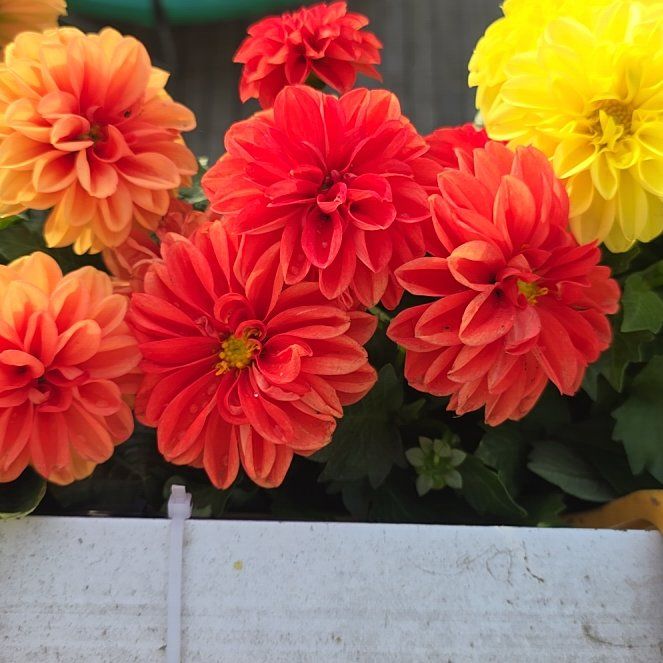
Dahlias are a feast for the eyes, boasting vibrant flowers in shades of red, pink, yellow, white, and purple. Their distinctive shapes range from single blooms to semi-double and fully double varieties, making them a standout in any garden.
The foliage complements their beauty with dark green, serrated leaves that vary in size and shape. This lush greenery not only enhances their visual appeal but also provides a rich backdrop for the stunning flowers.
πΎ Most Appealing Parts to Animals
The allure of dahlias extends beyond human admiration; their bright flowers and sweet nectar attract a variety of herbivores and pollinators. These colorful blooms are not just pretty; they serve as a vital food source in the ecosystem.
Young shoots are particularly tempting due to their tender texture and high nutritional value. Additionally, the nutrient-rich tubers hidden underground are irresistible to many animals, making dahlias a target for various garden visitors.
Understanding what makes dahlias so appealing can help you protect these beautiful plants from potential threats. Next, letβs explore the common herbivores that might be munching on your dahlias.
Common Herbivores Affecting Dahlia
π¦ Deer
Signs of Presence
Look for distinctive hoof prints in soft soil and dark, pellet-like droppings near your plants. These signs indicate that deer are nearby and may be eyeing your dahlias.
Type of Damage
Deer love to browse on leaves and flowers, often stripping them bare or nibbling on the blooms. This can lead to significant damage if left unchecked.
Interaction
Deer are generally harmful to dahlias, as they can decimate your plants quickly. Effective management is essential to protect your garden.
Deterrent Methods
Consider installing 8-foot tall fencing to keep deer out. You can also use commercial deer repellents or homemade solutions like garlic spray to deter them.
π Rabbits
Signs of Presence
Rabbits leave behind clean cuts on stems and leaves, along with small, round droppings scattered around. These signs can help you identify their presence.
Type of Damage
They gnaw on stems and leaves, which can stunt growth or even kill young plants. Their appetite can be quite destructive.
Interaction
Rabbits are generally harmful, especially to young dahlias. Their feeding habits can lead to significant damage if not managed.
Deterrent Methods
Using netting to cover your plants can effectively prevent rabbit access. Additionally, spicy or bitter sprays can deter them from feeding.
πΏοΈ Squirrels
Signs of Presence
Look for disturbed soil around the base of your plants and chewed flowers. These signs indicate that squirrels are foraging in your garden.
Type of Damage
Squirrels eat flowers and tubers, which can reduce flowering and overall plant vigor. Their activity can disrupt your garden's aesthetics.
Interaction
Squirrels are generally harmful, as they can significantly affect plant growth. Keeping them at bay is crucial for maintaining healthy dahlias.
Deterrent Methods
Employ scare tactics like reflective objects or noise-making devices to deter squirrels. Physical barriers around the base of your plants can also help.
π¦ Birds
Signs of Presence
Pecked flowers with damaged petals and missing seeds are clear indicators of bird activity. Nests nearby can also signal their presence.
Type of Damage
Birds can eat seeds and flowers, reducing seed production and flowering. Their feeding habits can be a mixed blessing in your garden.
Interaction
While some birds are beneficial pollinators, others can cause damage. It's essential to identify which birds are visiting your dahlias.
Deterrent Methods
Use scare devices like reflective tape or plastic owls to keep birds away. Netting can also protect your plants from pecking.
π Rodents (Mice, Voles)
Signs of Presence
Look for small burrows or trails in the soil and dark, small pellets near your plants. These signs indicate rodent activity.
Type of Damage
Rodents eat tubers and roots, which can lead to plant decline or death. Their feeding can be quite detrimental to your dahlias.
Interaction
Rodents are generally harmful and can cause significant damage. Managing their presence is vital for plant health.
Deterrent Methods
Set snap traps or live traps around your garden to catch rodents. Encouraging natural predators like owls and hawks can also help control their population.
𦑠Groundhogs/Woodchucks
Signs of Presence
Look for large burrows near your plants and chewed stems or leaves. These signs indicate that groundhogs are feeding on your dahlias.
Type of Damage
Groundhogs browse on stems and leaves, which can severely damage or kill your plants. Their appetite can quickly decimate your dahlia population.
Interaction
Groundhogs are generally harmful and can cause rapid destruction. Effective management is crucial to protect your garden.
Deterrent Methods
Consider installing buried fencing to prevent burrowing. You can also use commercial or homemade repellents to deter their feeding.
Understanding these common herbivores and their impact on dahlias is essential for maintaining a thriving garden. With the right deterrent methods, you can protect your beautiful blooms and enjoy a flourishing landscape.
Beneficial Animals and Ecosystem Impact
Pollinators π
Pollinators are the unsung heroes of any garden, especially when it comes to dahlias. Bees play a crucial role in pollination, significantly enhancing flower production and ensuring vibrant blooms.
Butterflies also contribute to this process, adding not just beauty but also helping to spread pollen as they flit from flower to flower. Their presence can transform your garden into a lively, colorful haven.
Role of Beneficial Insects π
Beneficial insects, like ladybugs and lacewings, are essential for managing pest populations. These predatory insects feast on harmful pests, keeping your dahlias healthy and thriving.
Maintaining a diverse ecosystem is vital for plant health. A balanced garden attracts these beneficial creatures, creating a natural defense system against herbivores.
By fostering an environment that supports both pollinators and beneficial insects, you can enjoy a flourishing garden while minimizing damage to your dahlias. This harmonious relationship not only protects your plants but also enriches the entire ecosystem.
As we explore strategies for protecting your dahlias, understanding the role of these beneficial animals will guide you in creating a thriving garden.
General Strategies for Protection
π‘οΈ Preventive Measures
Fencing is one of the most effective ways to protect your dahlias from larger herbivores. A sturdy barrier, ideally 8 feet tall, can keep deer and other animals at bay.
Companion planting is another smart strategy. By incorporating plants that repel pests or attract beneficial insects, you can create a more resilient garden ecosystem.
β οΈ Reactive Solutions
When you notice damage, act quickly by removing affected parts. Pruning can help your dahlias recover and thrive.
Using repellents is also a viable option. Whether you choose organic solutions or commercial products, applying them as needed can deter unwanted visitors.
π¦οΈ Seasonal Variations
Be aware that seasonal changes affect herbivore activity. In spring, as your dahlias emerge, herbivores become more active and hungry.
By late summer, food sources dwindle, leading to increased feeding on your plants. Staying vigilant during these times can help you protect your garden effectively.
These strategies not only safeguard your dahlias but also enhance your gardening experience. Next, letβs explore the role of beneficial animals and how they can positively impact your garden ecosystem.
Toxicity and Ecological Role
Toxic Effects π§ͺ
Dahlias are not just beautiful; they also contain compounds that can be toxic to certain herbivores. This natural defense mechanism helps protect them from being completely devoured by hungry animals.
Balanced Ecosystem π
While some herbivores may find dahlias unappetizing, they play a crucial role in the ecosystem. Acknowledging their presence is essential for maintaining balance in your garden.
To coexist with these creatures while safeguarding your dahlias, consider implementing strategies that deter feeding without harming the animals. For instance, using physical barriers or companion planting can create a harmonious environment where both plants and wildlife thrive.
By understanding the dual nature of dahlias as both a food source and a protective plant, you can cultivate a garden that is not only vibrant but also ecologically sound. This approach fosters a healthier ecosystem, allowing you to enjoy the beauty of your dahlias while respecting the role of nature.
As we move forward, letβs explore some general strategies for protecting your dahlias from herbivores.
β οΈ Safety First
This content is for general information and may contain errors, omissions, or outdated details. It is not medical, veterinary advice, or an endorsement of therapeutic claims.
Always consult a qualified healthcare professional before using any plant as food, medicine, or supplement.
Never eat any plant (or feed one to pets) without confirming its identity with at least two trusted sources.
If you suspect poisoning, call Poison Control (800) 222-1222, the Pet Poison Helpline (800) 213-6680, or your local emergency service immediately.
Spotted an error? Please report it here.