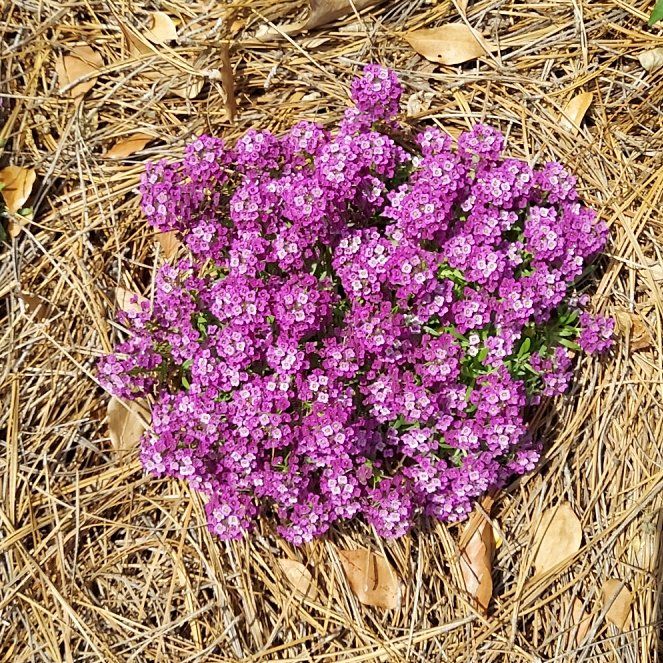
Ultimate Guide to What's Eating Your Creeping Red Thyme π
Thymus serpyllum 'Coccineus'
By the Greg Editorial Team
Jan 08, 2025•5 min read
This article was created with the help of AI so we can cover more plants for you. May contain errors. See one? Report it here.
- π¦ Deer and rabbits are major threats, causing significant damage to creeping red thyme.
- π± Effective deterrents include fencing and organic sprays to protect your plants.
- π Regular monitoring is crucial for early intervention against herbivore activity.
Common Herbivores Affecting Creeping Red Thyme
π¦ Deer
Signs of presence and damage caused
Deer can be a significant threat to your creeping red thyme. Look for hoof prints in muddy areas and notice if leaves are stripped from stems, which indicates browsing and stunted growth.
Beneficial vs. harmful interactions
Interactions with deer are generally harmful. They can decimate thyme populations, leaving your garden looking bare.
Deterrent methods
To keep deer at bay, consider using chemical deterrents like commercial deer repellents. Organic methods include erecting 8-foot tall barriers or planting deer-resistant plants nearby.
π Rabbits
Signs of presence and damage caused
Rabbits leave small, round droppings near your plants. They also cause damage by cleanly cutting stems and leaves, which can be alarming.
Beneficial vs. harmful interactions
Like deer, rabbits are generally harmful. Their presence can significantly reduce the vigor of your thyme plants.
Deterrent methods
For an easy solution, use bitter-tasting sprays as chemical deterrents. Organic methods include fencing that is 2-3 feet high and using repellents made from garlic or hot pepper.
πΏοΈ Squirrels
Signs of presence and damage caused
Squirrels are sneaky foragers. Look for chewed stems and leaves, along with disturbances around the base of the plant from their digging.
Beneficial vs. harmful interactions
Interactions with squirrels are generally harmful. Their activities can lead to plant damage and reduced growth.
Deterrent methods
To deter squirrels, try commercial squirrel repellents as a chemical solution. Organic methods can include scare tactics like reflective objects or noise-making devices.
π¦ Birds
Signs of presence and damage caused
Birds can be both friends and foes. Look for pecking marks on leaves and flowers, as well as droppings near the plant.
Beneficial vs. harmful interactions
Birds are generally beneficial as they act as pollinators, helping with plant reproduction. However, they can also cause some damage.
Deterrent methods
For a chemical approach, consider bird-safe repellents. Organic methods include using netting to protect flowers and young shoots from pecking.
π Rodents (mice, voles, etc.)
Signs of presence and damage caused
Rodents can be quite destructive. Look for tunneling disturbances in the soil around your plants and gnaw marks on stems and leaves.
Beneficial vs. harmful interactions
Interactions with rodents are generally harmful. They can cause significant damage to your thyme plants.
Deterrent methods
For a hard-to-manage issue, use rodent bait stations as a chemical deterrent. Organic methods include traps and encouraging natural predators like cats and owls.
𦑠Groundhogs/Woodchucks
Signs of presence and damage caused
Groundhogs leave large burrows near your plants. They also browse leaves and stems, often chewing them down to the ground.
Beneficial vs. harmful interactions
These creatures are generally harmful. They can devastate thyme patches, leaving little behind.
Deterrent methods
To deter groundhogs, consider commercial repellents as a chemical solution. Organic methods include fencing that is 3-4 feet high and planting deterrent plants nearby.
With these insights into common herbivores affecting creeping red thyme, you can take proactive steps to protect your garden. Next, letβs explore general protection strategies that can help safeguard your thyme from these pesky invaders.
General Protection Strategies for Creeping Red Thyme
π‘οΈ Preventive Measures for Herbivore Damage
To protect your creeping red thyme, consider planting it in less accessible areas. This simple strategy can significantly reduce the chances of herbivores munching on your prized plants.
Companion planting is another effective tactic. By surrounding thyme with plants that deter herbivores, you create a natural barrier that can keep these pests at bay.
πΎ Reactive Solutions for Managing Animal Interactions
Regular monitoring is crucial for catching herbivore activity early. Keep an eye out for signs of damage or animal tracks to address issues before they escalate.
When you notice any damage, act immediately. Applying repellents or other deterrents can help safeguard your thyme from further harm.
π± Seasonal Variations in Animal Attraction to Creeping Red Thyme
Be aware that animal activity varies with the seasons. In spring, rabbits and deer become more active as they emerge from winter, posing a greater threat to your thyme.
Summer brings a different dynamic, with birds and insects becoming more active. While some of these creatures may benefit your plants through pollination, others could still pose a risk.
By understanding these seasonal patterns, you can better prepare and protect your creeping red thyme throughout the year.
Toxicity and Safety
πΎ Toxic Effects of Creeping Red Thyme on Animals
Creeping Red Thyme is generally safe, but it does have mild toxicity. Consuming large quantities can lead to gastrointestinal upset in animals, which is something to keep in mind if you have pets or wildlife nearby.
πΏ Implications for Herbivore Interactions
Interestingly, the plant's taste and smell can deter some herbivores. While certain animals may shy away from it, others might munch on it without any adverse effects, making it a mixed bag in terms of interactions with local wildlife.
Understanding these dynamics can help you better manage your garden and protect your Creeping Red Thyme. As you navigate these interactions, remember that knowledge is your best ally in fostering a thriving garden environment.
β οΈ Safety First
This content is for general information and may contain errors, omissions, or outdated details. It is not medical, veterinary advice, or an endorsement of therapeutic claims.
Always consult a qualified healthcare professional before using any plant as food, medicine, or supplement.
Never eat any plant (or feed one to pets) without confirming its identity with at least two trusted sources.
If you suspect poisoning, call Poison Control (800) 222-1222, the Pet Poison Helpline (800) 213-6680, or your local emergency service immediately.
Spotted an error? Please report it here.