Determining What Might Be Eating Your Calla Lily

Zantedeschia aethiopica

By the Greg Editorial Team

Jul 20, 20245 min read

This article was created with the help of AI so we can cover more plants for you. May contain errors. See one? Report it here.

  1. 🦌 Deer, rabbits, rodents, and more can uniquely damage Calla Lilies.
  2. 🚧 Use barriers, repellents, and habitat changes to protect your lilies.
  3. šŸ Encourage beneficial fauna for natural pest control and pollination.

Calla Lily Appeal

🌺 Plant Profile

The Calla Lily stands out in any garden with its striking silhouette and elegant posture. Its lush, waxy leaves, often heart-shaped with a pointed tip, unfurl from a rhizome base, creating a verdant backdrop for the flower's dramatic display.

🌸 Attractive Features

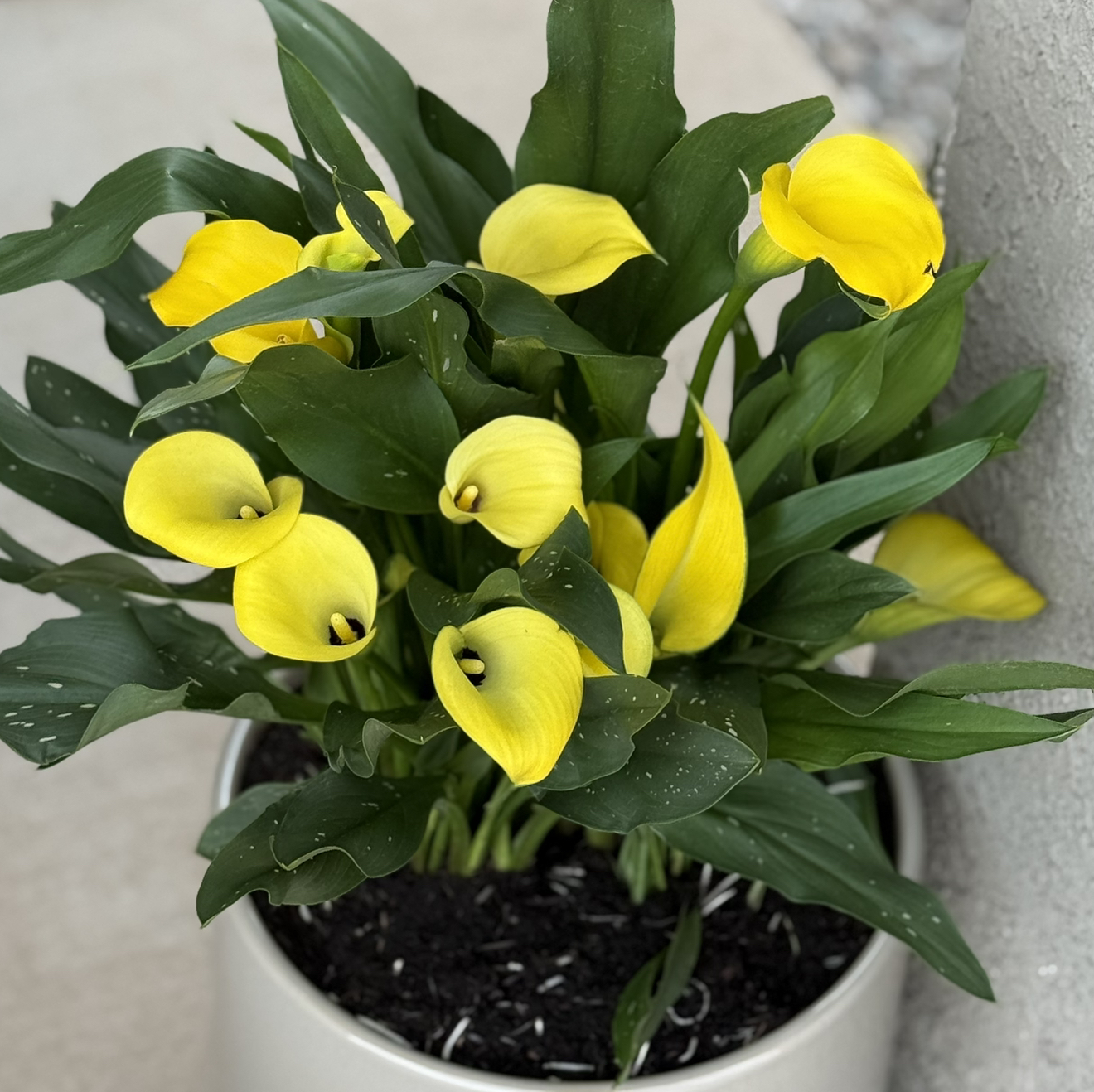
  • The Calla Lily's most captivating feature is its flower: a large, showy spadix encased by a spathe that curves gracefully, resembling a funnel. This structure comes in a spectrum of colors, from pristine whites to deep purples, attracting a variety of herbivores.
  • Young shoots and the tenderest leaves are particularly enticing to wildlife, offering a soft, nutritious snack. The warmth generated by the flowers can also draw in curious creatures, while the plant's stature, growing 2 to 3 feet tall, makes it an accessible target for nibbling.

Identifying Herbivore Damage

🦌 Deer and Rabbits

Deer and rabbits often leave a clear signature on your Calla Lilies. Here's what to look for:

  • Deer damage: Look for large parts of plants chewed off, often with a rough, torn appearance due to deer's lack of upper incisors. Tracks around the plant and droppings are telltale signs.
  • Rabbit damage: Sharp, clean cuts at a 45-degree angle on stems and leaves. You might also find pea-sized droppings and notice that new growth is grazed down uniformly.

šŸæļø Squirrels and Rodents

Squirrels and other rodents also have distinct ways of leaving their mark:

  • Gnaw marks: Squirrels leave tooth marks that resemble the tine of a fork, while voles and mice leave smaller, spoon-tip-sized marks.
  • Digging: Look for disturbed soil and small burrow entrances around your Calla Lilies, a sign of rodents searching for bulbs or shelter.

šŸ¦… Birds and Groundhogs

Birds and groundhogs can be a bit more destructive:

  • Pecking damage: Birds may leave small, round holes in leaves or flowers as they peck at insects or the plant itself.
  • Burrowing: Groundhogs create large-scale burrows and can trample foliage, often nibbling plants close to the ground.

Managing Herbivores

🦌 Physical Barriers

Physical barriers are your first line of defense against herbivores munching on your Calla Lilies. Here's how to implement them effectively:

  • Fencing: A sturdy fence can deter larger animals like deer and rabbits. Ensure it's tall and deep enough to prevent jumpers and diggers.
  • Netting: Protect your flowers with netting to keep out birds and squirrels.
  • Exclusion Frames: For smaller beds or individual plants, consider using exclusion frames that can be easily moved or adjusted.

🚫 Repellents and Deterrents

When physical barriers are not enough, repellents and deterrents can provide additional protection:

  • Organic Options: Sprinkle blood meal or apply a spray made from garlic or hot pepper around your plants. These can be effective but may need frequent reapplication, especially after rain.
  • Chemical Repellents: Use these sparingly and as a last resort. Choose products specifically labeled as safe for use around Calla Lilies and apply according to the manufacturer's instructions.
  • Rotation: To prevent animals from getting used to a particular deterrent, rotate between different types.

šŸ” Habitat Modification

Making your garden less appealing to pests can be a game-changer:

Beneficial Fauna

🌸 Pollinators and Predators

Bees and butterflies are not just a delightful sight; they're vital for pollination, ensuring your Calla Lilies thrive. Predatory insects, on the other hand, are the unsung heroes, keeping pesky herbivores in check.

  • Bees, including honeybees and native species, transfer pollen from one Calla Lily to another, facilitating reproduction.
  • Butterflies add a visual treat while also playing a role in pollination.
  • Predatory insects such as ladybugs and lacewings feed on aphids and other pests that might harm your Calla Lilies.

🌿 Supporting Ecosystem Health

Fostering a garden that welcomes these allies is key to a balanced ecosystem. Here's how you can make your garden a haven for these beneficial creatures:

  • Integrate a variety of flowering plants to provide alternative food sources and habitats.
  • Maintain areas of bare ground and consider leaving leaf litter for native bees that nest in the ground.
  • Manage grasses and invasive species to promote wildflower growth, which supports a diverse pollinator population.
  • Embrace habitat diversity to attract a broad range of beneficial insects, which can improve the health and resilience of your garden.

Seasonal and Developmental Strategies

šŸŒ¦ļø Seasonal Adjustments

Adapting your care routine for Calla Lilies as seasons shift is as crucial as swapping out your wardrobe to suit the weather. Here's how to stay ahead:

🌱 Young Growth and Flowering

The tender shoots and blooms of Calla Lilies are like magnets for herbivores. Here's what to watch for and how to protect these vulnerable stages:

  • Use physical barriers such as cloches or plant cages to shield new growth.
  • During the flowering period, consider applying safe repellents to deter nibbling without harming pollinators.

āš ļø Safety First

This content is for general information and may contain errors, omissions, or outdated details. It is not medical, veterinary advice, or an endorsement of therapeutic claims.

Always consult a qualified healthcare professional before using any plant as food, medicine, or supplement.

Never eat any plant (or feed one to pets) without confirming its identity with at least two trusted sources.

If you suspect poisoning, call Poison Control (800) 222-1222, the Pet Poison Helpline (800) 213-6680, or your local emergency service immediately.

Spotted an error? Please report it here.

Safeguard your Calla Lilies from nibbling critters šŸ›”ļø with Greg's tailored care plans that help identify pests and fortify your blooms against them.