Determining What Might Be Eating Your California Olive Tree π«
Olea europaea
By the Greg Editorial Team
Oct 09, 2024•7 min read
This article was created with the help of AI so we can cover more plants for you. May contain errors. See one? Report it here.
- π³ California Olive Trees attract herbivores like deer, rabbits, and squirrelsβmonitor regularly!
- π« Effective deterrents include fencing, repellents, and bird netting to protect your tree.
- π Pollinators are vital for fruit production; maintain a balanced ecosystem for tree health.
Appearance and Appeal
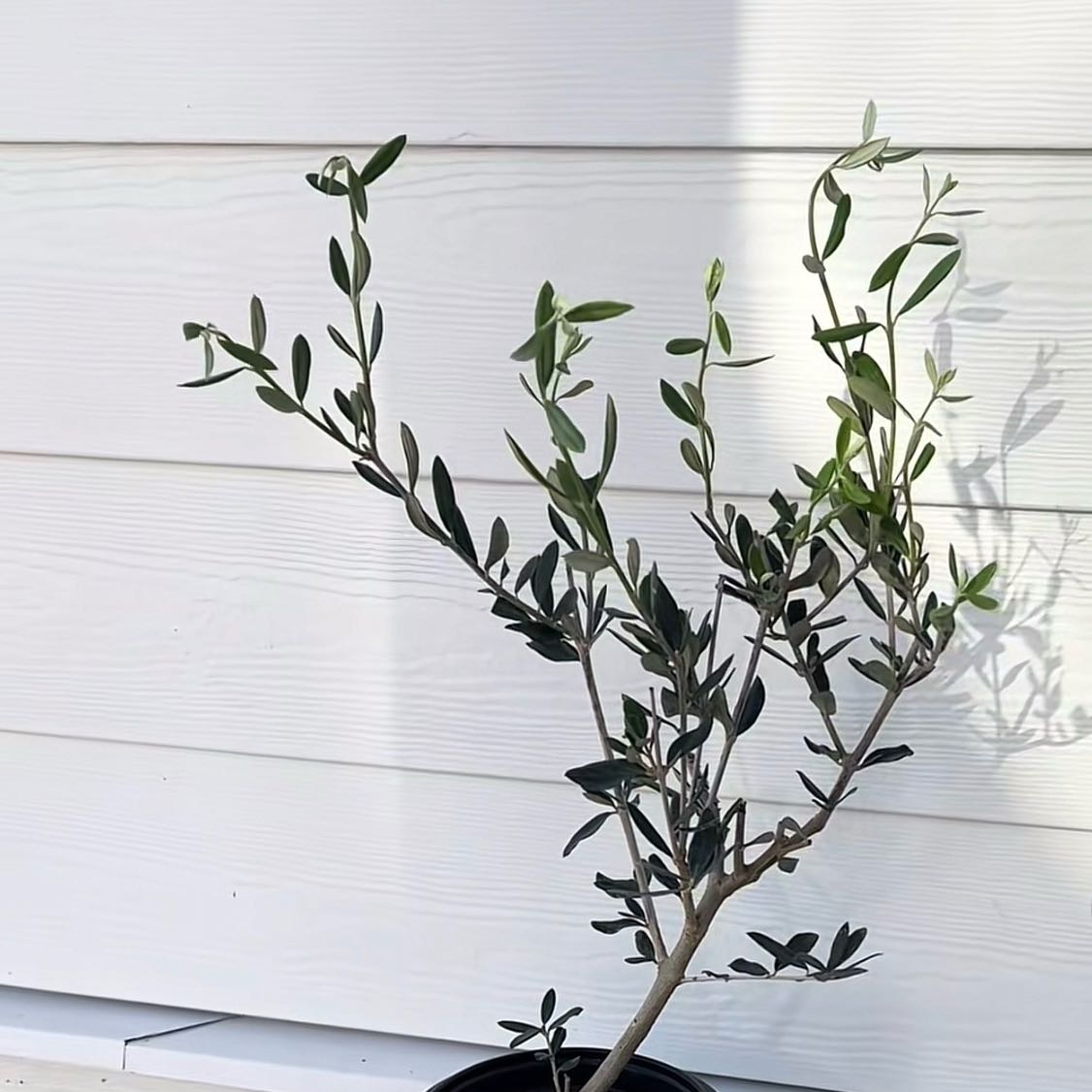
The California Olive Tree is a striking addition to any landscape, characterized by its silvery-green, lanceolate leaves. In spring, it showcases small, fragrant white flowers that not only beautify the tree but also attract a variety of pollinators.
As the seasons progress, the tree produces small, oval fruits that ripen to a rich dark purple or black. These fruits are not just visually appealing; they are also highly nutritious, making them a favorite among various animals.
π Most Appealing Parts to Animals
The fruits of the California Olive Tree are particularly enticing due to their sweetness and nutritional value. This makes them a prime target for herbivores looking for a tasty snack.
Additionally, the fragrant flowers draw in pollinators and other herbivores, creating a vibrant ecosystem around the tree. Young shoots and tender leaves also attract various herbivores, thanks to their soft texture, making them easy to munch on.
Understanding these appealing features can help you better protect your olive tree from potential threats. In the next section, we will explore the common herbivores that may be drawn to your California Olive Tree and how to identify their presence.
Common Herbivores
π¦ Deer
Signs of presence and damage
Deer are often the first culprits when it comes to damage to your California Olive Tree. Look for hoof prints in muddy areas nearby and notice if leaves and young shoots have been stripped from the lower branches.
Interaction type
Their browsing can be generally harmful, leading to significant defoliation and stress on the tree. This can hinder its growth and fruit production.
Deterrent methods
To keep deer at bay, consider installing 8-foot tall fencing to prevent access. You can also use commercial deer repellents or homemade solutions like garlic spray to deter them.
π Rabbits
Signs of presence and damage
Rabbits leave small, round tracks in the soil and often chew stems and leaves at ground level. Their presence can be quite noticeable.
Interaction type
These little munchers can stunt growth and reduce fruit yield, making them a concern for your olive tree's health.
Deterrent methods
Simple barriers like chicken wire or hardware cloth around the base of the tree can be effective. Additionally, a natural repellent made from water and hot pepper extract can help keep them away.
πΏοΈ Squirrels
Signs of presence and damage
Squirrels can be a nuisance, leaving chewed bark and missing fruits in their wake. You might also find nesting debris in nearby trees.
Interaction type
Their activities are generally harmful, causing bark damage and reducing the availability of fruits.
Deterrent methods
Using live traps to relocate squirrels can be effective. Noise deterrents like wind chimes or motion-activated devices can also help keep them at bay.
π¦ Birds
Signs of presence and damage
Birds can be tricky; look for droppings on the ground beneath the tree and peck marks on the fruits. Their presence can be both beneficial and harmful.
Interaction type
While some birds are excellent pollinators, others may consume your fruits, creating a mixed bag of interactions.
Deterrent methods
Covering the tree with bird netting during the fruiting season can protect your harvest. Scare tactics like reflective tape or plastic owls can also deter unwanted visitors.
π Rodents (Mice, Voles)
Signs of presence and damage
Rodents leave gnaw marks on the bark or roots and often create burrows or nests near the base of the tree. Their presence can be quite damaging.
Interaction type
Generally harmful, rodents can cause significant damage to roots and the lower trunk, impacting the tree's overall health.
Deterrent methods
Using snap traps or live traps can help manage rodent populations. Additionally, habitat modification by clearing debris and tall grass around the tree can reduce their hiding spots.
𦑠Groundhogs/Woodchucks
Signs of presence and damage
Look for large burrows near the base of the tree and chewed leaves and stems. Groundhogs can be particularly destructive.
Interaction type
Their feeding habits are generally harmful and can cause extensive damage to your olive tree.
Deterrent methods
To deter groundhogs, bury fencing 12 inches underground to prevent burrowing. You can also use commercial repellents or homemade solutions like castor oil to keep them away.
Understanding these common herbivores and their impact on your California Olive Tree is crucial for maintaining its health. With the right deterrent methods, you can protect your tree while fostering a balanced ecosystem. Next, let's explore the beneficial animals that play a vital role in supporting your olive tree's growth.
Beneficial Animals and Ecosystem Roles
πΌ Positive Impacts on California Olive Tree
Certain animals play a crucial role in the health of your California Olive Tree.
Pollinators
Bees and butterflies are essential for flower fertilization. Their activity not only enhances fruit production but also contributes to the overall vitality of the tree.
Natural Pest Controllers
Predatory insects help keep harmful pests at bay. By maintaining a balance in the ecosystem, these beneficial creatures ensure that your olive tree remains healthy and productive.
π Importance of a Balanced Ecosystem
Maintaining a balanced ecosystem is vital for plant health. A diverse array of species promotes resilience against pests and diseases, creating a thriving environment for your olive tree.
Encouraging beneficial animals can lead to a flourishing garden. By understanding their roles, you can foster a harmonious relationship between your plants and the wildlife around them.
As you consider the various interactions in your garden, remember that every creature has its place. This balance not only protects your California Olive Tree but also enriches your gardening experience.
Next, letβs explore effective protection strategies to safeguard your olive tree from potential threats while nurturing its beneficial relationships.
Protection Strategies
π‘οΈ Preventive Measures for Protecting California Olive Tree
Regular monitoring is essential for safeguarding your California Olive Tree. Keep an eye out for any signs of animal presence, such as tracks or chewed leaves.
Creating a diverse garden environment can also be beneficial. By attracting beneficial species, you can enhance the ecosystem around your tree.
β οΈ Reactive Solutions for Managing Animal Interactions
When you notice signs of damage, it's crucial to respond immediately. Quick action can minimize the impact on your tree's health.
Utilizing traps and barriers can effectively manage unwanted animal interactions. These tools can help protect your tree from further harm.
π± Balancing Ecosystem Health While Protecting Plants
Understanding the role of herbivores in the ecosystem is vital. They can contribute to a balanced environment, but their presence needs to be managed.
Implementing integrated pest management strategies allows you to protect your tree while maintaining ecological harmony. This approach ensures that you can enjoy the benefits of a thriving garden without compromising your olive tree's health.
Seasonal Considerations
πΈ Seasonal Variations in Animal Attraction
The California Olive Tree experiences notable seasonal shifts in animal activity. In spring, as the tree bursts into bloom, its fragrant white flowers attract a variety of herbivores and pollinators, eager to feast on the sweet offerings.
During winter, herbivores shift their foraging behavior. With fewer food sources available, they may turn their attention to the tree, seeking out any remaining leaves or fruits.
β° Timing of Plant Vulnerability
Understanding when your California Olive Tree is most vulnerable is crucial for effective management. The ripening period of the fruits is particularly high-risk, as animals are drawn to the sweetness and nutritional value.
Regular monitoring during these peak times can help you catch any signs of damage early. This proactive approach ensures your tree remains healthy and productive throughout the seasons.
By staying aware of these seasonal patterns, you can better protect your olive tree while enjoying its beauty and bounty.
Toxicity and Animal Interactions
Mild Toxicity of California Olive Tree πΏ
The California Olive Tree has a reputation for being mildly toxic. Consuming large quantities of its leaves or fruits can lead to digestive issues in animals.
Animal Behavior Implications πΎ
This mild toxicity can influence which animals choose to interact with the tree. Some herbivores may avoid it, reducing the risk of damage.
Managing Animal Interactions π‘οΈ
Understanding the toxicity can help you strategize how to manage animal interactions effectively. For instance, knowing that certain animals might steer clear can guide your protective measures.
Strategies for Affected Species π§
To further mitigate potential damage, consider implementing barriers or repellents. These can deter animals that might be tempted despite the tree's mild toxicity.
Conclusion π
By recognizing the role of toxicity in animal behavior, you can better protect your California Olive Tree. This knowledge empowers you to create a balanced ecosystem while safeguarding your plants.
Next, weβll explore seasonal considerations that affect animal attraction to your olive tree.
β οΈ Safety First
This content is for general information and may contain errors, omissions, or outdated details. It is not medical, veterinary advice, or an endorsement of therapeutic claims.
Always consult a qualified healthcare professional before using any plant as food, medicine, or supplement.
Never eat any plant (or feed one to pets) without confirming its identity with at least two trusted sources.
If you suspect poisoning, call Poison Control (800) 222-1222, the Pet Poison Helpline (800) 213-6680, or your local emergency service immediately.
Spotted an error? Please report it here.