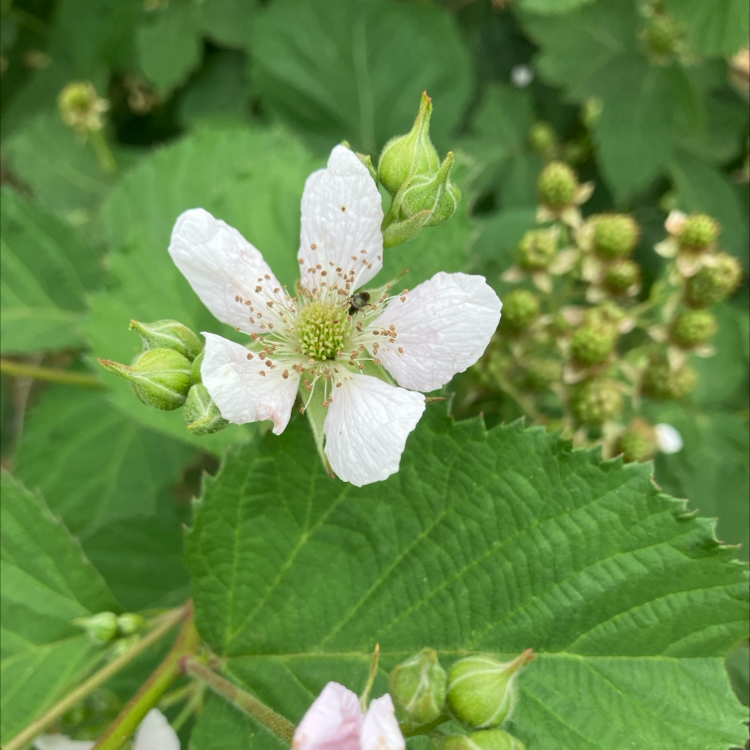
Identifying What is Eating Your Blackberry π
Rubus fruticosus
By the Greg Editorial Team
Sep 30, 2024•7 min read
This article was created with the help of AI so we can cover more plants for you. May contain errors. See one? Report it here.
Safeguard your blackberries from pesky critters π with these essential tips for spotting and managing animal damage!
- πΎ Identify damage by looking for chewed leaves and broken stems on blackberries.
- π¦ Deer and rabbits pose significant threats; use fencing and deterrents to protect plants.
- π¦ Birds and rodents can reduce yield; employ netting and peppermint oil for defense.
Identifying Damage to Blackberry
πΎ Signs of Animal Presence
When it comes to spotting animal damage on your blackberry plants, look for visual indicators. Chewed leaves, missing fruits, and broken stems are telltale signs that something is munching on your plants.
Tracks and droppings can also help you identify the culprits. By examining these signs, you can determine which animals are visiting your garden and when.
β° Timing of Activity
Recognizing seasonal patterns in animal activity is crucial. Different animals may be more active during specific times of the year, so keeping an eye on these trends can help you anticipate potential damage.
π° Types of Damage Caused by Herbivores
Herbivores can inflict various types of damage on your blackberry plants. Leaf damage often manifests as stripped leaves, which can stunt growth and weaken the plant.
Fruit damage is another concern, with missing or partially eaten berries indicating a hungry visitor. Structural damage, such as broken canes, can severely impact the overall health of your blackberry plants.
By understanding these signs and types of damage, you can take proactive steps to protect your precious blackberries. Next, weβll explore the common herbivores that might be causing these issues.
Common Herbivores Affecting Blackberry
π¦ Deer
Signs of presence
Look for hoof prints near your blackberry plants. Missing leaves and broken branches are clear indicators that deer have been browsing.
Damage caused
Deer can strip leaves and damage canes, severely impacting plant health. Their feeding habits can lead to stunted growth and reduced fruit production.
Benefits/Harm
Generally, deer are harmful to blackberry plants. They can decimate your crop if not managed properly.
Management strategies
Consider planting strong-smelling herbs like lavender as organic deterrents. You can also use commercial deer repellents or install fencing at least 8 feet tall for physical barriers.
π Rabbits
Signs of presence
Rabbits leave small, round footprints and often create clean cuts on stems and leaves. If you notice these signs, they might be munching on your plants.
Damage caused
Rabbits can cause significant leaf and shoot damage. Their feeding can hinder overall plant growth.
Benefits/Harm
Like deer, rabbits are generally harmful to blackberries. Their presence can stunt your plants' development.
Management strategies
Try using cayenne pepper spray as an organic deterrent. Wire mesh fencing around your plants is an easy and effective physical barrier.
πΏοΈ Squirrels
Signs of presence
Look for chewed fruits and bark, as well as nesting signs in nearby trees. These are telltale signs that squirrels are around.
Damage caused
Squirrels often steal fruits and can damage bark, affecting the plant's health. Their antics can lead to reduced fruit yield.
Benefits/Harm
Squirrels are generally harmful to blackberry plants. Their fruit theft can be particularly frustrating for gardeners.
Management strategies
Use predator urine or noise devices as organic deterrents. Netting over fruiting plants can also serve as a moderate difficulty physical barrier.
π¦ Birds
Signs of presence
Feathered visitors and droppings are common signs of birds. Missing fruits, especially during ripening, indicate their presence.
Damage caused
Birds primarily consume fruits, which can be detrimental during the harvest season. Their feeding can significantly reduce your yield.
Benefits/Harm
While birds can be harmful to fruit production, they also play beneficial roles in pollination and pest control. It's a mixed bag!
Management strategies
Reflective tape or scare devices can deter birds organically. Bird netting over your plants is an easy physical barrier to implement.
π Rodents (Mice, Voles)
Signs of presence
Look for small burrows and droppings, as well as chewed roots and stems. These signs indicate rodent activity.
Damage caused
Rodents can cause root damage and stem girdling, severely weakening your plants. Their feeding habits can lead to significant health issues.
Benefits/Harm
Rodents are generally harmful to blackberry plants. Their presence can lead to severe plant decline.
Management strategies
Peppermint oil can serve as an organic deterrent. Consider underground fencing as a more challenging physical barrier to keep them out.
𦑠Groundhogs/Woodchucks
Signs of presence
Large burrows and tracks are signs that groundhogs or woodchucks are nearby. Chewed vegetation is another clear indicator.
Damage caused
These animals can cause significant damage to roots and stems. Their feeding can destroy entire plants if left unchecked.
Benefits/Harm
Groundhogs are generally harmful and can completely wipe out your blackberry plants. Their impact can be devastating.
Management strategies
Castor oil can act as an organic deterrent. Installing tall fencing with buried edges is a more challenging but effective physical barrier to keep them at bay.
Understanding these common herbivores and their impact on blackberry plants is crucial for effective management. By implementing the right strategies, you can protect your plants and enjoy a bountiful harvest.
Beneficial Animals and Ecosystem Roles
Pollinators Attracted to Blackberry π
Bees and butterflies are vital for pollination, playing a crucial role in the life cycle of blackberry plants. Their efforts directly contribute to fruit production and enhance overall garden health.
Pollinators not only increase berry yield but also support biodiversity. A garden buzzing with these creatures is a sign of a thriving ecosystem.
Natural Pest Control Agents π
Predatory insects, like ladybugs, are nature's pest controllers. They help manage harmful pests, reducing the need for chemical interventions.
Encouraging biodiversity through plant variety attracts these beneficial insects. A diverse garden is not just beautiful; it's a resilient ecosystem that supports healthy blackberry growth.
Incorporating these beneficial animals into your gardening strategy can lead to a flourishing blackberry patch. Understanding their roles helps you appreciate the balance of nature while protecting your plants.
Preventive Measures for Blackberry Protection
π± Organic Deterrents
Homemade sprays can be a game-changer in protecting your blackberries. Consider using garlic, hot pepper, and essential oils to create a potent mix that herbivores find unappealing.
Companion planting is another effective strategy. By integrating plants that naturally repel herbivores, you can create a protective barrier around your blackberries.
π§ͺ Chemical Control Methods
Commercially available repellents offer a straightforward solution. These products are designed to deter various herbivores effectively.
When using chemical repellents, timing is crucial. Apply them before peak feeding times and always follow safety guidelines to protect beneficial wildlife.
π‘οΈ Physical Barriers
Fencing is one of the most reliable methods for safeguarding your plants. Choose types that are at least 4 to 8 feet tall to deter larger animals.
Netting can also be a lifesaver, especially for protecting ripening fruits from birds and small mammals. Ensure the netting is securely fastened to prevent any gaps.
By implementing these preventive measures, you can significantly reduce the risk of damage to your blackberry plants. With the right strategies in place, you can enjoy a bountiful harvest while keeping pesky herbivores at bay.
Next, letβs explore the seasonal considerations that can impact both blackberry growth and animal activity.
Seasonal Considerations
πΎ Seasonal Variations in Animal Attraction
Understanding the timing of animal activity is crucial for protecting your blackberry plants. In spring, as new growth emerges, herbivores are particularly active, drawn to tender leaves and shoots.
As summer arrives, the focus shifts to ripening fruits. This seasonal transition can lead to increased visits from various animals, all eager for a taste of your berries.
β° Timing of Blackberry Growth and Animal Activity
The correlation between blackberry growth and herbivore presence is significant. Flowering typically occurs in late spring, coinciding with the peak activity of many herbivores.
To safeguard your plants, plan protective measures during these critical periods. Being proactive can help you enjoy a bountiful harvest while minimizing damage from hungry visitors.
Toxicity and Safety
β οΈ Toxic Effects of Blackberry on Certain Animals
While blackberries are generally safe, they can pose mild toxicity risks when consumed in large quantities, particularly for livestock. It's essential to monitor their intake to prevent any adverse effects.
Most wildlife, however, can safely enjoy blackberries without significant risk. Understanding these nuances helps in managing your garden effectively.
π¦ Safe Consumption for Beneficial Wildlife
Blackberries serve as an excellent food source for pollinators and other wildlife, contributing to a thriving ecosystem. Their presence not only supports biodiversity but also enhances fruit production in your garden.
Balancing plant protection with the ecological roles of these animals is crucial. By fostering a healthy environment, you can enjoy the benefits of both your blackberry plants and the wildlife they attract.
β οΈ Safety First
This content is for general information and may contain errors, omissions, or outdated details. It is not medical, veterinary advice, or an endorsement of therapeutic claims.
Always consult a qualified healthcare professional before using any plant as food, medicine, or supplement.
Never eat any plant (or feed one to pets) without confirming its identity with at least two trusted sources.
If you suspect poisoning, call Poison Control (800) 222-1222, the Pet Poison Helpline (800) 213-6680, or your local emergency service immediately.
Spotted an error? Please report it here.