π What's Eating Your Black Cobra Pepper
Capsicum annuum
By the Greg Editorial Team
Oct 31, 2024•7 min read
This article was created with the help of AI so we can cover more plants for you. May contain errors. See one? Report it here.
Protect your vibrant Black Cobra Peppers from hungry herbivores while boosting your garden's biodiversity! πΆοΈπ±
- π¦ Deer and rabbits threaten Black Cobra Peppers, causing stunted growth and damage.
- π‘οΈ Effective deterrents include repellents, fencing, and companion planting to protect your peppers.
- π± Encouraging biodiversity enhances fruit production and creates a resilient garden ecosystem.
Description and Appeal of Black Cobra Pepper
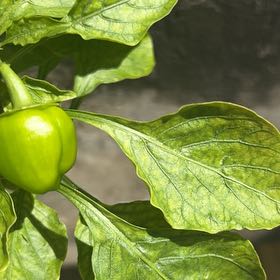
The Black Cobra Pepper is a true standout in any garden, boasting unique twisted and wrinkled fruits that resemble a snake. This striking appearance not only captivates gardeners but also attracts a variety of wildlife.
π¦ Attractive Features for Animals
The appeal of the Black Cobra Pepper extends beyond its looks.
Fruits: The brightly colored, spicy fruits are irresistible to various herbivores, making them a prime target.
Young Shoots: Tender and nutritious, these young shoots are often sought after by smaller animals, eager for a fresh snack.
Flowers: The plant's flowers are not just beautiful; they also attract pollinators and some herbivores, playing a vital role in the ecosystem.
In essence, the Black Cobra Pepper is not only a feast for the eyes but also a buffet for the local fauna. Its vibrant colors and unique shapes create a dynamic interaction with the surrounding wildlife, enhancing both the garden's beauty and biodiversity.
As we explore the common herbivores that affect this captivating plant, understanding their interactions will help us protect our precious Black Cobra Peppers.
Common Herbivores Affecting Black Cobra Pepper
π¦ Deer
Signs of presence and damage caused
Look for hoof prints in the soil around your Black Cobra Pepper plants. If you notice browsing on leaves and stems, itβs a clear sign that deer are munching away, which can lead to stunted growth.
Beneficial or harmful interaction
Deer are generally harmful to your pepper plants. If not managed, they can decimate your crop in no time.
Deterrent methods
To keep deer at bay, consider using commercial deer repellents that have strong scents. Alternatively, you can plant deer-resistant companion plants or scatter human hair and soap shavings around your garden for a more organic approach.
π Rabbits
Signs of presence and damage caused
Rabbits leave behind droppings and often gnaw on stems or leaves. Their chewing can lead to reduced vigor in your plants, especially the young shoots.
Beneficial or harmful interaction
Rabbits are generally harmful as they can severely damage young plants. Their appetite can quickly turn your thriving garden into a sad sight.
Deterrent methods
For an easy solution, try rabbit repellents that have a bitter taste. You can also install fencing at least 2 feet high or use mesh barriers around young plants to keep them safe.
πΏοΈ Squirrels
Signs of presence and damage caused
Squirrels are notorious for chewing fruits and disturbing the soil around your plants. Their snacking can lead to reduced yield, especially if they target your flowers.
Beneficial or harmful interaction
Squirrels are generally harmful as they can hinder fruit production. Their playful antics may be cute, but they can wreak havoc on your pepper plants.
Deterrent methods
To deter squirrels, use repellents containing capsaicin. Installing squirrel-proof feeders or hanging reflective objects can also help keep them away.
π¦ Birds
Signs of presence and damage caused
Look for peck marks on your fruits and nests nearby. Birds can eat fruits before they ripen, leading to a frustrating loss of harvest.
Beneficial or harmful interaction
Birds have a mixed impact; while they can damage fruits, some also help with pollination. Itβs a delicate balance in the garden.
Deterrent methods
Bird netting is an effective chemical solution to cover your plants. For a more organic approach, try using scare tactics like reflective tape or wind chimes.
π Rodents (mice, voles, etc.)
Signs of presence and damage caused
Rodents leave signs like burrows near the base of the plant and gnawed stems. They can eat roots and young shoots, leading to significant plant decline.
Beneficial or harmful interaction
Rodents are generally harmful and can cause considerable damage to your pepper plants. Their small size doesnβt make them any less destructive.
Deterrent methods
Consider using rodent bait stations for a chemical solution. Alternatively, traps and planting mint or other deterrent plants nearby can help keep them at bay organically.
𦑠Groundhogs/Woodchucks
Signs of presence and damage caused
Groundhogs leave large burrows and often clip plants at ground level. Their extensive damage can lead to complete loss of your pepper patch.
Beneficial or harmful interaction
Groundhogs are generally harmful and can quickly decimate your plants. Their burrowing habits can also disrupt the root systems of your peppers.
Deterrent methods
For a chemical approach, use commercial repellents specifically designed for groundhogs. Organic methods include fencing at least 3 feet high and buried underground, along with using castor oil as a deterrent.
Understanding these common herbivores and their impact on your Black Cobra Pepper plants is crucial for maintaining a healthy garden. With the right deterrent methods, you can protect your plants while enjoying the beauty and flavor they bring. Next, letβs explore the beneficial animals that can enhance your garden ecosystem.
Beneficial Animals and Ecosystem Impact
π Pollinators: The Garden's Best Friends
Black Cobra Pepper plants attract a variety of beneficial animals, particularly pollinators like bees and butterflies. These creatures play a crucial role in enhancing fruit production, ensuring your pepper plants thrive.
π¦ Predatory Insects: Nature's Pest Controllers
In addition to pollinators, predatory insects such as ladybugs and lacewings help keep pest populations in check. By preying on harmful insects, they contribute to a healthier garden ecosystem.
π± Boosting Biodiversity
The presence of these beneficial animals leads to increased biodiversity in your garden. A diverse ecosystem not only supports various species but also improves overall plant health and resilience.
πΌ Enhanced Pollination Rates
With more pollinators around, you can expect improved pollination rates for your Black Cobra Peppers. This means more fruits and a more bountiful harvest for you to enjoy.
π Natural Pest Control
Beneficial insects provide natural pest control, reducing the need for chemical interventions. This approach promotes a balanced ecosystem, allowing your garden to flourish without harmful substances.
π³ Creating a Thriving Garden
Encouraging beneficial wildlife is essential for a thriving garden. By fostering an environment that attracts these animals, you can enjoy the dual benefits of increased productivity and a vibrant ecosystem.
Incorporating these beneficial animals into your gardening strategy not only enhances the health of your Black Cobra Peppers but also contributes to a sustainable and flourishing garden environment. As you consider ways to protect your plants from herbivores, remember the importance of maintaining this delicate balance.
General Strategies for Protection
π‘οΈ Preventive Measures for Protecting Black Cobra Pepper
Protecting your Black Cobra Pepper starts with effective preventive measures. Implementing physical barriers, like fencing and netting, can significantly reduce herbivore access.
Companion planting is another smart strategy. By incorporating herbs and flowers that deter herbivores, you create a natural shield around your peppers.
πΎ Reactive Solutions for Managing Animal Interactions
Even with the best preventive measures, animal interactions can still occur. Regularly monitoring for signs of animal activity helps you stay ahead of potential damage.
When you notice any signs of nibbling or damage, take immediate action. Reapplying repellents promptly can help safeguard your plants from further harm.
π± Balancing Garden Ecosystem While Deterring Herbivores
It's essential to maintain a healthy garden ecosystem while deterring unwanted visitors. Using organic methods ensures that you protect beneficial insects, which play a crucial role in pollination and pest control.
Creating a diverse garden can also attract more beneficial wildlife. This balance not only enhances your garden's health but also supports a thriving environment for your Black Cobra Pepper.
By employing these strategies, you can enjoy a flourishing pepper patch while minimizing the impact of herbivores. Next, letβs explore seasonal considerations that can further enhance your gardening success.
Seasonal Considerations
π± Seasonal Variations in Animal Attraction to Black Cobra Pepper
As the seasons change, so does the activity of herbivores around your Black Cobra Pepper plants. During the fruiting season, expect a noticeable uptick in herbivore activity, as animals are drawn to the bright, spicy fruits.
Timing your planting and harvesting can significantly reduce vulnerability. Aim to plant early enough to establish strong plants before the peak herbivore season hits, and harvest fruits promptly to minimize losses.
β οΈ Toxicity and Safety
Black Cobra Peppers possess mild toxicity, which can deter some herbivores while attracting others that are less sensitive to capsaicin. This dual nature means that while some animals may steer clear, others might find the peppers irresistible.
It's essential to be aware of potential risks to pets and wildlife when planting these peppers. Always monitor your garden to ensure that the presence of these vibrant plants doesn't inadvertently harm your furry friends or local wildlife.
β οΈ Safety First
This content is for general information and may contain errors, omissions, or outdated details. It is not medical, veterinary advice, or an endorsement of therapeutic claims.
Always consult a qualified healthcare professional before using any plant as food, medicine, or supplement.
Never eat any plant (or feed one to pets) without confirming its identity with at least two trusted sources.
If you suspect poisoning, call Poison Control (800) 222-1222, the Pet Poison Helpline (800) 213-6680, or your local emergency service immediately.
Spotted an error? Please report it here.