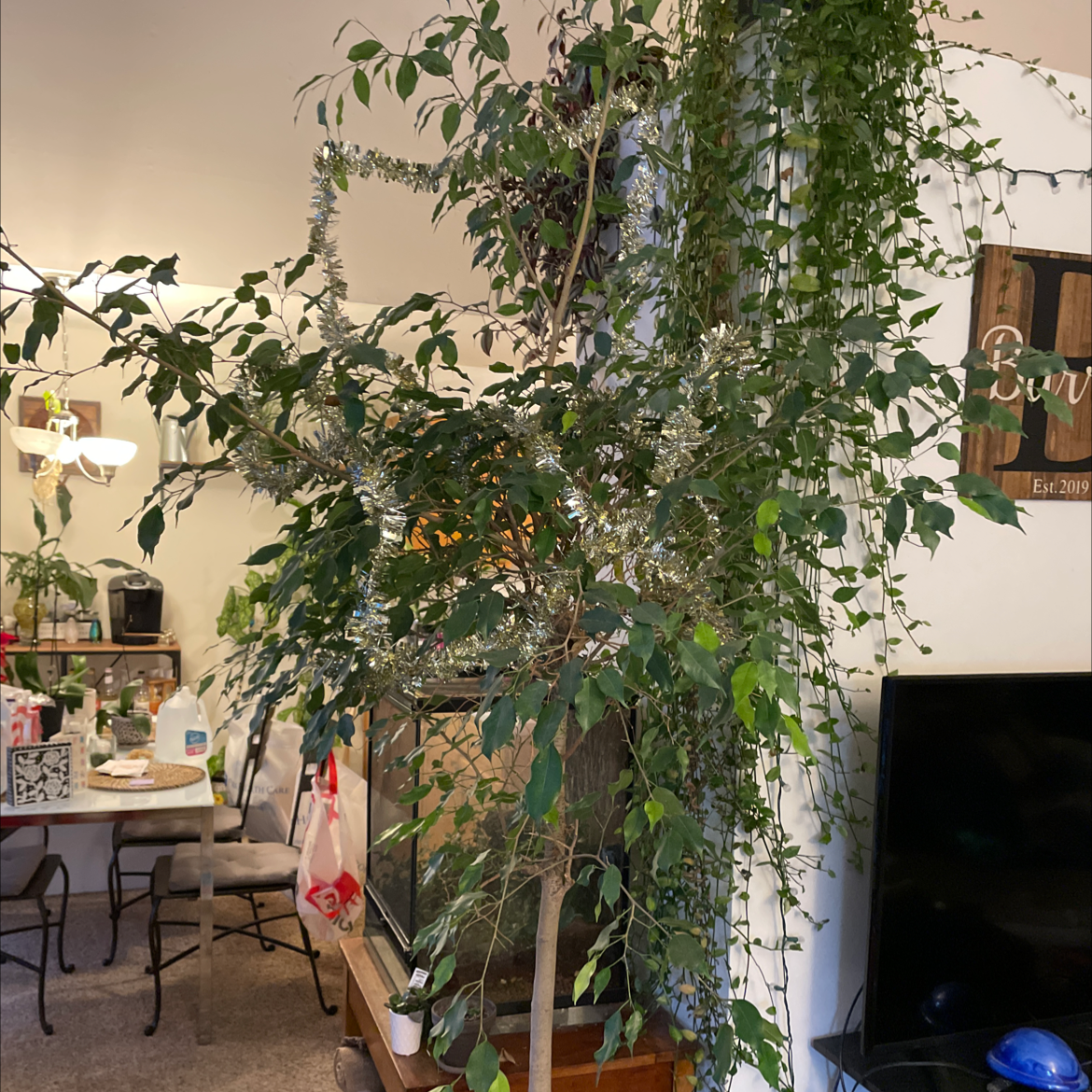
Best Soil for Weeping Fig
What Kind of Soil Does a Weeping Fig Need?
Ficus benjamina is native to South and Southeast Asia, where it grows in tropical forests with rich, well-structured soil that retains some moisture but never stays waterlogged. Indoors, it needs a balanced mix that keeps roots evenly moist between waterings while still allowing air to reach them.
Weeping figs have a moderately extensive root system that appreciates consistent, even moisture. They are sensitive to both drying out completely and sitting in soggy soil, which makes the balance of moisture retention and drainage especially important. A standard indoor potting mix is usually close to what they need, but it often benefits from some adjustment.
Adding perlite to a quality potting mix improves drainage without stripping away moisture retention. Some growers also include a small amount of orchid bark to add larger air pockets and slow the breakdown of organic material in the mix. This keeps the mix loose and aerated for longer before it needs refreshing.
Ficus benjamina is known for dropping leaves when stressed, and poor soil conditions — either too dry or too wet — are a common trigger. Getting the mix right is one of the most effective ways to keep it stable and leaf-drop free.
What Soil Mix Should I Use for My Weeping Fig?

What pH Does a Weeping Fig Need?
Weeping figs prefer a slightly acidic to neutral soil pH between 6.0 and 7.0. Within this range, the full suite of nutrients it needs, including iron, manganese, and calcium, is readily available. Check your mix with a pH meter or soil test strips, which are easy to find at any garden center.
If the pH drifts above 7.5, the plant often develops interveinal chlorosis: the tissue between leaf veins turns yellow while the veins stay green, a classic sign of iron or manganese deficiency from nutrient lockout. Below 5.5, root function declines and you may see small, pale new leaves and slower overall growth.
When Should I Replace My Weeping Fig's Soil?
Plan to refresh or replace the potting mix every 2 years. Weeping figs are moderately vigorous trees that will eventually exhaust the nutrients in their mix and need fresh soil to continue growing well. Spring is the best time to repot and refresh, just as the plant enters its most active growing period.
The bark component in the mix breaks down over time into fine particles that compress and reduce drainage. When this happens, the mix no longer performs the way it should, even if it looks similar. Refreshing the soil restores both the structure and the nutrient supply.
How Do I Amend Garden Soil for a Weeping Fig?
Weeping Figs develop an aggressive, spreading root system that needs room and well-drained soil. They prefer rich ground that holds some moisture but dries out between soakings.
If you are planting outdoors in a warm climate, loosen clay soil with compost and bark chips over a wide area, since the roots will spread well beyond the canopy. Sandy soil should be enriched with compost and aged manure to provide the steady nutrition a large fig tree needs. Give it a spot with bright light and plenty of space, keeping it well away from foundations, pipes, and sidewalks.
Got More Questions?
About This Article
