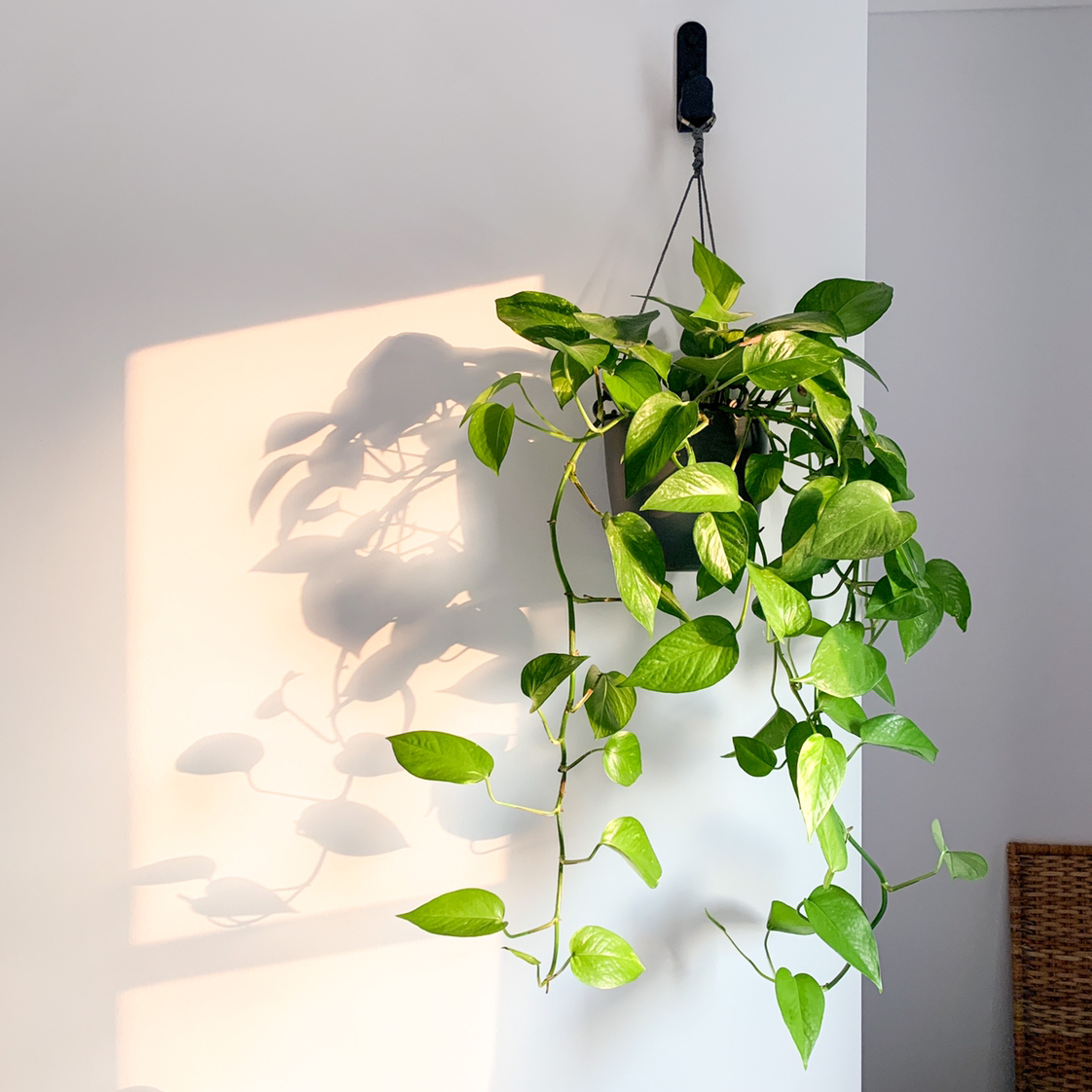
Variegated Neon Pothos - Fertilizing 101

Epipremnum aureum

By the Greg Editorial Team

Jun 15, 20244 min read

This article was created with the help of AI so we can cover more plants for you. May contain errors. See one? Report it here.

Nurture a lush, variegated Pothos 🌿 with the perfect fertilizing routine—find out how!

Variegated neon pothos
  1. Key nutrients are nitrogen, phosphorus, and potassium for vibrant variegation.
  2. Organic vs. synthetic: Balance fertilizers for safe, effective plant care.
  3. Fertilize cautiously: Avoid over-fertilization and adjust for growth stages.

Picking the Right Fertilizer for Your Variegated Neon Pothos

💡 What to Look for in a Fertilizer

Navigating the fertilizer aisle can be as complex as a coffee menu. Key nutrients like nitrogen, phosphorus, and potassium are the main event for variegation and growth. Organic fertilizers release nutrients slowly, making them a safe bet for the long haul. Synthetic options, however, are the fast food of plant care—quick and effective, but easy to overdo.

🌱 Organic vs. Synthetic: Which is Best for Your Pothos?

Organic fertilizers are the tortoises in this race: slow and steady. They're eco-friendly and reduce the risk of over-fertilization. Synthetics are the hares, offering a rapid nutrient fix. But beware, they can lead to a nutrient overdose if you're not careful. Balance is crucial.

🌿 Tailoring Fertilizer Choices to Growth Stages

Juvenile Plants

For the young'uns, a balanced diet is key. Think of it as the plant equivalent of baby formula—gentle yet complete.

Mature Plants

As your pothos matures, it's time to switch up the nutrient ratios. A higher phosphorus mix can encourage more of those showy variegated leaves. It's like swapping out a teenager's diet from growth spurts to muscle building.

Golden Pothos plant climbing a wooden structure with healthy green leaves.

Timing is Everything: When to Fertilize

🌱 Growing Season Galore

Spring heralds a growth spurt for your Variegated Neon Pothos. As the days get longer, it's time to bring out the fertilizer. Start feeding your plant as new leaves begin to unfurl. During spring and summer, a monthly fertilization routine keeps your pothos in peak condition. It's like hitting the gym with a protein shake in hand – your plant needs that extra oomph to bulk up its foliage.

Winter Woes: Fertilizing in Dormancy

Come winter, your pothos is more couch potato than athlete. It's downtime, and your plant's metabolism slows to a crawl. Hold off on the fertilizer; think of it as avoiding midnight snacks during a diet. If you overdo it, you'll end up with a sluggish, potentially damaged plant. Resume fertilizing when the plant shakes off its winter lethargy and the first signs of new growth appear.

Young Golden Pothos plant in a small black pot with light green leaves.

The Art of Fertilizer Application

💧 Dilution Dos and Don'ts

Half-strength is your mantra when mixing fertilizer for Variegated Neon Pothos. Ignore the label's full cup shout; respond with a gentle half-whisper. Always dilute liquid fertilizer with water; for granules, sprinkle then drench to activate. Consistency is crucial—each part of your mix should carry the same nutrient balance.

🌱 Root Health and Fertilizer Application

Apply with a gentle hand, ensuring even distribution without direct contact with the foliage to prevent burns. Think of it as watering with nutrients—circle around the plant base, avoiding the stem. Root health is paramount; the goal is to nourish without overwhelming. Use a well-draining soil mix to let roots breathe and sip nutrients without drowning.

Hanging basket with a healthy Golden Pothos plant in front of a window with blinds.

Avoiding the Pitfalls of Over-Fertilization

🚩 Spotting the Tell-Tale Signs

Variegated Neon Pothos, like any houseplant, can suffer from too much love in the form of over-fertilization. Yellowing leaves with dark-green veins are a distress signal, indicating a nutrient imbalance. If the tips or edges of the leaves turn brown, it's a clear cry for help. A crusty buildup on the soil's surface? That's the residue of excess fertilizer salts. These are the red flags you can't afford to ignore.

🛠️ The Recovery Roadmap

If your Pothos has had a nutrient overdose, it's time for a plant intervention. Stop all fertilization immediately—your plant needs a break, not a buffet. Carefully remove any visible fertilizer from the soil's surface. Begin the plant's rehab by flushing the soil with water; this is the equivalent of a root detox. Repeat every few days, watching for signs of recovery. If the soil feels soggy, back off—over-watering is just as deadly. Trim away the damaged leaves; they're not making a comeback. In severe cases, repotting in fresh soil can offer a fresh start. Remember, recovery is a marathon, not a sprint—patience is your ally.

⚠️ Safety First

This content is for general information and may contain errors, omissions, or outdated details. It is not medical, veterinary advice, or an endorsement of therapeutic claims.

Always consult a qualified healthcare professional before using any plant as food, medicine, or supplement.

Never eat any plant (or feed one to pets) without confirming its identity with at least two trusted sources.

If you suspect poisoning, call Poison Control (800) 222-1222, the Pet Poison Helpline (800) 213-6680, or your local emergency service immediately.

Spotted an error? Please report it here.

Ensure your Variegated Neon Pothos thrives with balanced nutrients, and rely on Greg for customized fertilizing reminders 🌿 to prevent over-fertilization and promote vibrant growth.


#GoldenPothos

5 posts on Greg
Browse #GoldenPothos