π Thai Constellation - Fertilizing 101
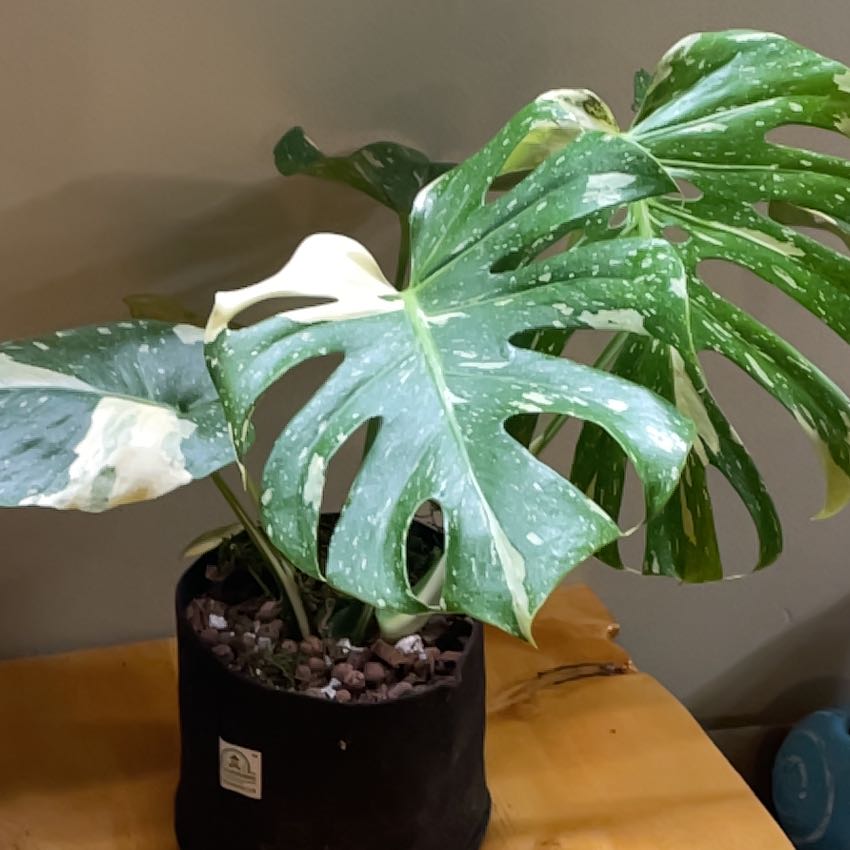
Monstera deliciosa 'Thai Constellation'
By the Greg Editorial Team
Oct 19, 2024•5 min read
This article was created with the help of AI so we can cover more plants for you. May contain errors. See one? Report it here.
Nurture your Thai Constellation π± with essential nutrients and expert tips for vibrant, thriving growth!
- π± Thai Constellation needs N-P-K nutrients for optimal growth: nitrogen, phosphorus, potassium.
- π§ͺ Fertilize every 4-6 weeks in spring/summer; reduce in fall/winter for dormancy.
- π« Watch for over-fertilization signs like leaf burn; flush soil if needed.
Nutrient Requirements Specific to Thai Constellation
π± Key Nutrients for Optimal Growth
To thrive, your Thai Constellation needs three key nutrients: nitrogen, phosphorus, and potassium.
- Nitrogen is crucial for promoting lush foliage and overall growth, giving your plant that vibrant green look.
- Phosphorus plays a vital role in root development and flowering, ensuring your plant can establish a strong foundation.
- Potassium supports overall plant health and enhances disease resistance, keeping your Thai Constellation robust and thriving.
βοΈ Ideal Nutrient Ratios for Thai Constellation
For balanced growth, aim for a fertilizer ratio of 3:1:2 (N-P-K). This ratio provides the right mix of nutrients to support your plant's needs.
Micronutrients are also important. Calcium, magnesium, and iron contribute to leaf health, helping your plant maintain its stunning appearance. Regularly check that your fertilizer includes these essential elements for optimal growth.
With the right nutrients and ratios, your Thai Constellation will flourish beautifully. Next, letβs explore the types of fertilizers that can help you achieve this lush growth.
Types of Fertilizers Suitable for Thai Constellation
π± Organic vs. Synthetic Fertilizers
When it comes to fertilizing your Thai Constellation, you have two main options: organic and synthetic fertilizers.
Organic options include compost, worm castings, and fish emulsion. These natural fertilizers enrich the soil and promote healthy microbial activity.
On the other hand, synthetic options like water-soluble fertilizers with controlled-release formulations provide a quick nutrient boost. They are often easier to apply and can deliver nutrients more precisely.
π·οΈ Recommended Brands and Products
Choosing the right product can make all the difference in your plant's health.
For organic fertilizers, Espoma Organic Indoor Plant Food and Dr. Earth Organic Fertilizer are top choices. They offer balanced nutrients while being gentle on your plants.
If you prefer synthetic fertilizers, consider Miracle-Gro Indoor Plant Food or Osmocote Smart Release Plant Food. These brands are well-known for their effectiveness and ease of use.
By selecting the right type of fertilizer, you can ensure your Thai Constellation thrives.
Next, letβs explore the best fertilizing schedule to keep your plant in peak condition.
Fertilizing Schedule
π± Seasonal Fertilizing Needs
Spring and summer are the prime growing seasons for your Thai Constellation. During these months, aim to fertilize every 4-6 weeks to support its vigorous growth.
As the seasons shift to fall and winter, it's time to dial back. Fertilizing every 8-12 weeks is sufficient during these dormant months, allowing the plant to rest and rejuvenate.
π Frequency of Application
A general guideline is to fertilize monthly during the growing season. In contrast, bi-monthly applications are ideal during the plant's dormant phase.
Always keep an eye on your plant's growth response. Adjust your fertilizing schedule based on how your Thai Constellation is thriving in its environment.
This careful attention will help ensure your plant remains healthy and vibrant, setting the stage for the next topic on how to apply fertilizer effectively.
How to Apply Fertilizer
π± Best Practices for Application
Applying fertilizer correctly is crucial for your Thai Constellation's health. Start by choosing the right type of fertilizerβorganic or syntheticβbased on your plant's needs.
Next, if you're using liquid fertilizers, make sure to dilute them according to the package instructions. This step is essential to prevent nutrient overload.
Timing is everything. Apply fertilizer during the active growth phase, ideally in the morning or evening when temperatures are cooler. This helps your plant absorb nutrients more effectively.
π§ Watering After Fertilizing
Watering after fertilizing is not just a good idea; it's a necessity. It helps distribute the nutrients throughout the soil and prevents root burn, which can occur if fertilizer sits too long.
Make it a habit to water thoroughly after applying fertilizer. This ensures that your Thai Constellation can absorb the nutrients it needs to thrive.
With these practices in mind, your plant will be well on its way to vibrant growth. Next, letβs explore the signs of over-fertilization and how to address them.
Signs of Over-Fertilization
Symptoms to Watch For π±
Over-fertilization can be a sneaky issue for your Thai Constellation. Keep an eye out for leaf burn, which manifests as brown tips and edges on leaves.
Another red flag is stunted growth. If your plant shows a lack of new growth or the leaves start yellowing, itβs time to reassess your fertilization routine.
Lastly, watch for root damage. If your plant wilts despite adequate watering, it may be suffering from nutrient overload.
How to Remedy Over-Fertilization π οΈ
If you suspect over-fertilization, donβt panic. Start by flushing the soil; water thoroughly to leach out excess fertilizer.
If the problem persists, consider repotting your plant. Use fresh, well-draining soil to help restore nutrient balance.
Finally, monitor your plant's response closely. Adjust your fertilization schedule based on how well your plant recovers.
By staying vigilant and responsive, you can help your Thai Constellation thrive despite any hiccups along the way.
Common Mistakes in Fertilizing Thai Constellation
βοΈ Misunderstanding Nutrient Ratios
One of the most common pitfalls in fertilizing Thai Constellation is misjudging nutrient ratios. Following the recommended 3:1:2 (N-P-K) ratio is crucial to prevent nutrient imbalances that can harm your plant.
Over-fertilizing can lead to severe consequences, such as leaf burn and nutrient lockout. This not only stunts growth but can also create a cascade of issues that are hard to reverse.
πΊ Ignoring Soil Quality
Another mistake is neglecting soil quality. A well-draining potting mix is essential; it retains moisture while allowing for proper nutrient absorption.
Regularly checking soil health is vital. Amending with organic matter can help maintain nutrient levels and ensure your Thai Constellation thrives.
By avoiding these common mistakes, you can foster a healthier plant and enjoy its stunning foliage. Next, letβs explore how to effectively apply fertilizer for optimal results.
β οΈ Safety First
This content is for general information and may contain errors, omissions, or outdated details. It is not medical, veterinary advice, or an endorsement of therapeutic claims.
Always consult a qualified healthcare professional before using any plant as food, medicine, or supplement.
Never eat any plant (or feed one to pets) without confirming its identity with at least two trusted sources.
If you suspect poisoning, call Poison Control (800) 222-1222, the Pet Poison Helpline (800) 213-6680, or your local emergency service immediately.
Spotted an error? Please report it here.