Best Soil for St. Augustine Grass
What Soil Does St. Augustine Grass Need?
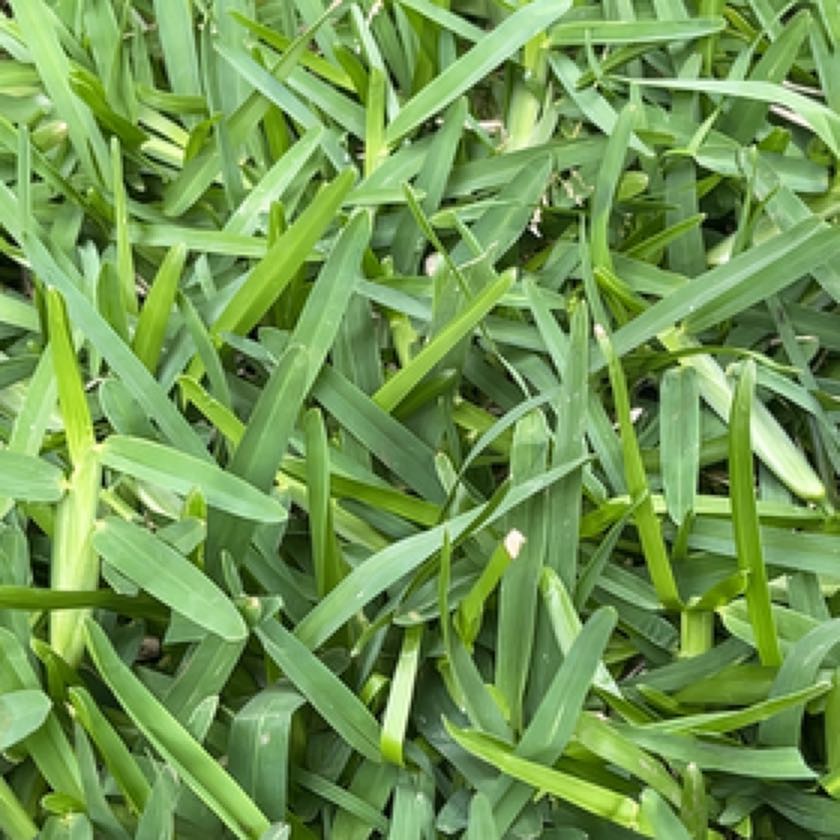
St. Augustine grass is a warm-season turfgrass native to coastal areas of the southeastern United States, South America, and Africa. It spreads via thick above-ground stolons and sends roots into the top few inches of soil. Because it's a surface-spreading turf rather than a deep-rooted plant, soil drainage and pH in the top 4–6 inches matter far more than deep soil composition.
St. Augustine grass has shallow, fibrous roots that fan out just below the surface. This makes the quality of the top 4–6 inches of soil the most critical factor in lawn health. Compacted soil restricts root penetration and limits the grass's ability to take up water and nutrients, even in otherwise favorable conditions.
The grass adapts to a reasonably wide range of soil textures, from the sandy coastal soils of Florida to heavier loams further inland. In sandy soils, the main challenge is water and nutrient retention , working in a topdressing of compost or aged manure improves both. In clay-heavy soils, compaction and drainage are the problems; aerating once or twice a year and topdressing with fine sand and compost loosens the soil over time.
Before laying sod or seeding, test your soil's pH and nutrient levels. St. Augustine is sensitive to iron deficiency in alkaline soil, which shows up as yellowing between grass blades on the newest growth. A pre-installation soil test lets you make targeted amendments rather than guessing. Work any amendments 4–6 inches into the soil before planting, not just on the surface.
What Should I Amend Lawn Soil With for St. Augustine Grass?

What pH Does St. Augustine Grass Need?
St. Augustine grass grows best in soil with a pH between 6.0 and 7.0. Within this range, nitrogen, phosphorus, iron, and manganese are all readily available. A simple soil test kit from any garden center will give you a reading; take samples from several spots in the lawn and average them for the most useful result.
When pH rises above 7.5, iron and manganese become unavailable and you'll see interveinal chlorosis , yellow grass blades with green veins, most visible on the newest growth. This is one of the most common St. Augustine problems in Florida, where many soils have high lime content. Applying chelated iron as a foliar spray treats the symptom, but lowering soil pH with sulfur addresses the root cause. Below 5.5, aluminum can become toxic to grass roots and you'll see thinning and weak growth despite adequate watering and fertilization.
When Should I Refresh Soil Conditions for My St. Augustine Lawn?
Unlike container plants, you cannot replace a lawn's soil wholesale. Instead, maintaining soil quality for St. Augustine grass is an ongoing process of topdressing and aerating. Core aeration once or twice a year (spring and fall) removes compaction and opens the soil for air, water, and nutrient penetration. After aerating, topdress with a thin layer (1/4 inch) of compost to improve soil biology and organic matter content over time.
PH should be tested annually in areas prone to drift. Heavy irrigation with alkaline water or runoff from concrete can gradually raise pH year over year. Similarly, acidic rainfall or fertilizers can lower it. Keeping a soil test on the calendar each spring gives you the information needed to make small, targeted corrections before problems become visible in the turf.
How Do I Prepare Garden Soil for St. Augustine Grass?
St. Augustine Grass spreads by stolons that creep along the soil surface, so it needs a smooth, well-prepared bed to establish evenly. It prefers slightly acidic to neutral soil with decent moisture retention.
For heavy clay, till in compost and a thin layer of sand to improve surface drainage and give the stolons better contact with workable soil. Sandy ground will need compost and organic matter worked into the top several inches so it holds enough moisture and nutrients to support a thick lawn. Level the area before planting and make sure there are no compacted patches that could create bare spots.
Got More Questions?
About This Article
