๐Ÿ Snake Plant Soil

Dracaena trifasciata

By the Greg Editorial Team

Jun 17, 20249 min read

This article was created with the help of AI so we can cover more plants for you. May contain errors. See one? Report it here.

Snake plant
  1. ๐ŸŒฑ Soil aeration and well-draining mixes prevent root rot in Snake Plants.
  2. ๐ŸŒฟ Adding organic matter enhances nutrient availability and moisture retention.
  3. ๐Ÿงช Soil testing and pH adjustment are key for optimal Snake Plant growth.

Aeration and Compaction

๐ŸŒฌ๏ธ The Airy Affair

Let's talk about soil aeration. Snake Plants love a good breath of fresh air, and they like it delivered right to their roots. Soil aeration is crucial for their healthy root development. It's like a mini spa treatment for their underground parts, letting them breathe easy and soak up nutrients like a sponge.

๐ŸŒŠ The Downside of Drowning

Overwatering is the equivalent of a bad hangover for Snake Plants. Too much water can lead to waterlogging, which is as fun as it sounds. It's like being stuck in a crowded elevator, but for roots. The excess water fills up all the spaces in the soil, leaving no room for air. This can lead to root rot, a nasty condition that can turn your plant's roots into mush.

๐Ÿงฑ The Compaction Conundrum

Soil compaction is another party pooper. It's like trying to breathe through a straw while running a marathon. Compacted soil makes it hard for air to flow to the roots, leaving your Snake Plant gasping for breath. It's a real mood killer.

๐Ÿ› ๏ธ The Solution: Aeration and Anti-Compaction

So how do we keep our Snake Plants from suffocating? By preventing soil compaction and promoting aeration. Aerating the soil before watering can help release trapped moisture and make room for air. It's like giving your plant's roots a first-class ticket to oxygen city.

๐Ÿ›Ž๏ธ The Tools of the Trade

You can use a soil probe to check the moisture level at the root level and aerate the soil if it's overwatered. It's like a magic wand for your plant's health. And remember, if you see signs of compacted soil or roots growing out of the pot, it might be time for a repotting session.

๐Ÿ“œ The Bottom Line

In the end, it's all about balance. Your Snake Plant needs water, but it also needs air. So next time you water your plant, remember to give it a breath of fresh air too. Your Snake Plant will thank you for it.

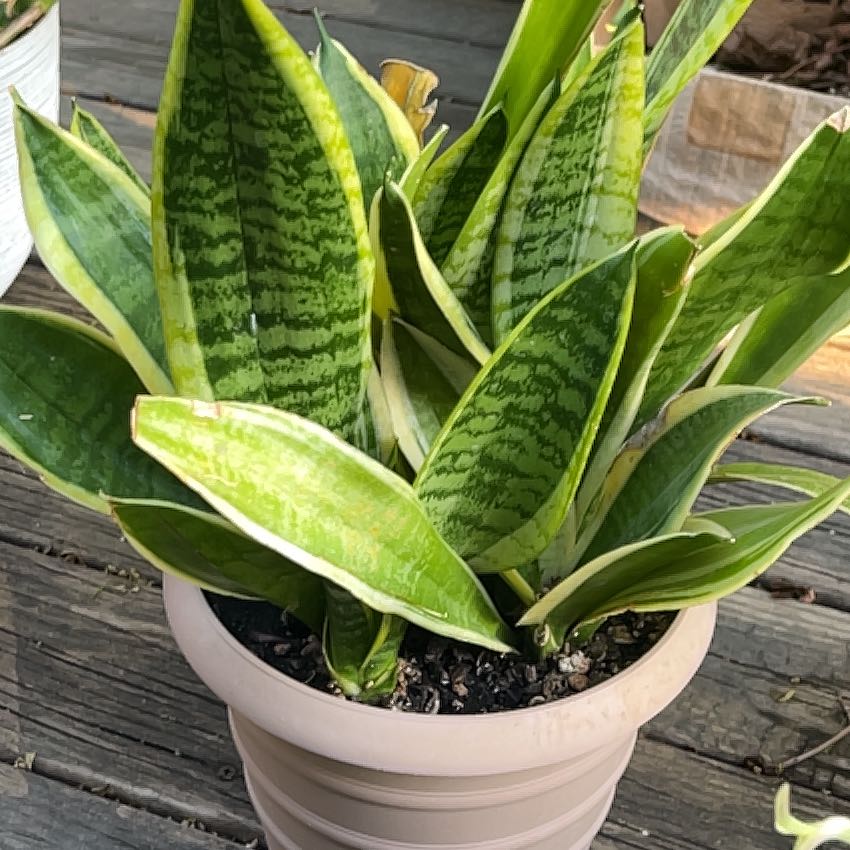
Snake Plant (Sansevieria trifasciata) in a pot with variegated leaves.

Nutrient Retention and Minimal Nutrient Requirements

Let's dive into the world of Snake Plant nutrition. These hardy plants are pretty chill when it comes to their diet. They don't demand a gourmet meal, just a balanced diet of nitrogen, phosphorus, and potassium (NPK). A 10-10-10 ratio will keep them happy, but they're not picky eaters.

Soil plays a key role in nutrient retention. It's like the plant's personal pantry, storing essential nutrients for when they're needed.

๐ŸŒฑ Soil Additives and Organic Matter

To enhance nutrient availability, consider adding some organic matter to your soil mix. It's like sprinkling some magic dust into the mix, boosting the soil's nutrient content and improving its texture.

Organic potting mixes, rich in natural ingredients like sphagnum peat moss and compost, can be a good choice. They're like the plant version of a farm-to-table meal, offering a range of nutrients from chemical-free, natural sources.

But remember, Snake Plants are not food snobs. They can thrive in non-organic mixes too.

๐Ÿ’ง Micronutrients

Apart from the main NPK nutrients, Snake Plants also appreciate a dash of micronutrients like boron, manganese, zinc, and copper. It's like adding a pinch of salt and pepper to your meal, enhancing the overall flavor.

These micronutrients can be naturally present in organic potting soil mixes or added when fertilizing the plant.

๐Ÿž๏ธ Soil Composition

The composition of the soil also matters. A mix of silt, sand, and clay is ideal. It's like the perfect blend of coffee beans for your morning brew.

Sandy soils drain quickly but can take soil minerals and nutrients with them. Clay retains water well and is rich in plant nutrients. Silt, found at the bottom of rivers or water bodies, is compact and able to retain water longer.

Adding organic matter like leaves or detritus can make the soil fertile and alkaline.

๐ŸŒฑ Soil Mix Recommendations

Here are some top picks for potting soils for growing snake plants:

  1. FoxFarm Ocean Forest Organic Potting Soil: Lightweight and drains well, contains organic ingredients.
  2. Miracle-Gro Indoor Potting Mix: Lightweight mix that drains well, reduces the risk of gnat infestations.
  3. Espoma AP8 8-Quart Organic Potting Mix: Lightweight mix that drains quickly, contains myco-tone for moisture retention.
  4. Fox Farm Happy Frog Organic Potting Soil Mix: Contains organic ingredients and soil microbes for strong root development.
  5. Miracle-Gro Cactus, Palm & Citrus Potting Mix: Drains well and reduces the risk of "wet feet" for snake plants.

Remember, the best soil for your Snake Plant is one that meets its nutritional needs while also providing good drainage and aeration. It's like finding the perfect pair of jeans - it should fit just right and make you feel good.

Healthy Snake Plant (Sansevieria trifasciata) in a terracotta pot on a table.

Choosing the Best Soil Mix for Snake Plants

๐ŸŒต Succulent or Cactus Soil Mix

Snake Plants are succulents. They're the camels of the plant world, storing water in their leaves for those dry spells. So, it's no surprise they appreciate a well-draining soil mix.

Cactus or succulent soil mix is a great starting point. It's coarse, it's gritty, and it's got the drainage properties that Snake Plants crave.

But, let's not forget about our DIY enthusiasts. You can whip up your own mix with 2 parts of an all-purpose soil mix or cactus mix and 1 part pumice. Pumice, that volcanic rock, is a champ at improving drainage.

If you're more of a "grab-and-go" type, consider commercial mixes like the Tropical Succulent Soil Blend or the Desert Succulent Soil Blend from Oh Happy Plants. They're designed with the needs of succulents in mind, providing excellent drainage and ample air to the roots.

๐Ÿ’ง Adding Organic Matter for Moisture Retention

While Snake Plants are all about that drainage life, they do appreciate a bit of moisture retention. That's where organic matter comes in.

Adding organic matter to your soil mix can help retain just enough moisture without turning your plant's home into a swamp.

Peat moss or coconut coir are excellent choices. They're like the Goldilocks of organic matter - not too dry, not too wet, just right.

Mix in some peat moss or regular potting soil with your cactus soil to add more organic matter. Or, if you're making your own mix, combine coco coir (or peat moss) and potting soil in a bucket, then add coarse sand and perlite (or pumice).

Remember, Snake Plants aren't picky about soil type. But they do have preferences. And a well-draining soil mix with a touch of moisture retention is their jam.

Snake Plant in a white pot on a windowsill, appears healthy.

pH Balance and Soil Testing

Snake plants are pretty chill, but they do have a soft spot for slightly acidic to neutral pH. This means a pH range of 5.5-7.5 is their jam.

Now, you might be thinking, "How the heck do I know the pH of my soil?" Well, that's where soil testing comes in.

๐Ÿงช Testing the Soil pH

Soil testing is like a health check-up for your plant's home. It's not just about knowing the numbers, it's about understanding what those numbers mean for your green buddy.

Soil testing kits are your go-to tool here. They're easy to use and can give you a pretty accurate reading of your soil's pH.

Remember, if your soil is too acidic or too alkaline, it can prevent your snake plant from absorbing nutrients, even if they're present in the soil. It's like having a fridge full of food but the door is stuck. Frustrating, right?

๐ŸŒก๏ธ Adjusting the Soil pH

If your soil test shows that the pH is off, don't panic. It's not a plant-astrophe. You can adjust the soil pH to make it more suitable for your snake plant.

For soil that's too acidic, you can add some lime. If it's too alkaline, sulfur is your friend.

But remember, moderation is key. Don't go dumping a whole bag of lime or sulfur into your pot. Start small, test again, and adjust as necessary.

The Right Soil Mix

The best soil for snake plants is like a good party mix - a bit of this, a bit of that, but everything works together.

A well-draining soil mix that includes peat moss, perlite, and vermiculite is a good start. These ingredients ensure good airflow and water drainage, which are crucial for your snake plant's health.

You can also add some organic matter like compost or aged manure for extra nutrients. Just don't go overboard with the compost - too much can hold moisture for longer and harm your snake plant.

In the end, remember that the right soil mix and pH balance can make a world of difference to your snake plant's health. So, roll up your sleeves, get your hands dirty, and give your green friend the home it deserves.

Troubleshooting Soil Issues

๐ŸŒฑ Compacted Soil

Compacted soil is the party pooper of the plant world. It's like trying to breathe with a pillow over your face. Not fun, right? So, imagine how your Snake Plant feels.

To fix this, consider aerating the soil. It's like giving your plant's roots a breath of fresh air.

๐Ÿ’ง Overwatering

Next up, we have the notorious overwatering. It's like giving your plant a never-ending water balloon fight. It might sound fun, but it's not.

Overwatering can lead to root rot, a silent killer in the plant world. The solution? Water less frequently and ensure your soil has good drainage.

๐Ÿฝ๏ธ Nutrient Deficiencies

Lastly, we have nutrient deficiencies. It's like sending your plant to a buffet with only celery sticks.

To combat this, consider a soil test to identify any missing nutrients. Then, add the necessary organic matter or fertilizers to balance it out.

Remember, your Snake Plant isn't asking for a five-star meal, just a well-balanced diet.

Spotting the Signs

Now, how do you know if your plant is facing these issues? Look for leaf discoloration, stunted growth, or deformed leaves. If you spot these signs, it's time to play detective and identify the culprit.

In the end, remember that plants, like people, have good days and bad days. So, don't stress. With a little love and attention, your Snake Plant will be back to its vibrant self in no time.

โš ๏ธ Safety First

This content is for general information and may contain errors, omissions, or outdated details. It is not medical, veterinary advice, or an endorsement of therapeutic claims.

Always consult a qualified healthcare professional before using any plant as food, medicine, or supplement.

Never eat any plant (or feed one to pets) without confirming its identity with at least two trusted sources.

If you suspect poisoning, call Poison Control (800) 222-1222, the Pet Poison Helpline (800) 213-6680, or your local emergency service immediately.

Spotted an error? Please report it here.

Boost your Snake Plants' health ๐Ÿ๐ŸŒฑ with the right soil mix and aeration techniques, and let Greg's personalized care tips and reminders help you prevent overwatering and soil compaction.