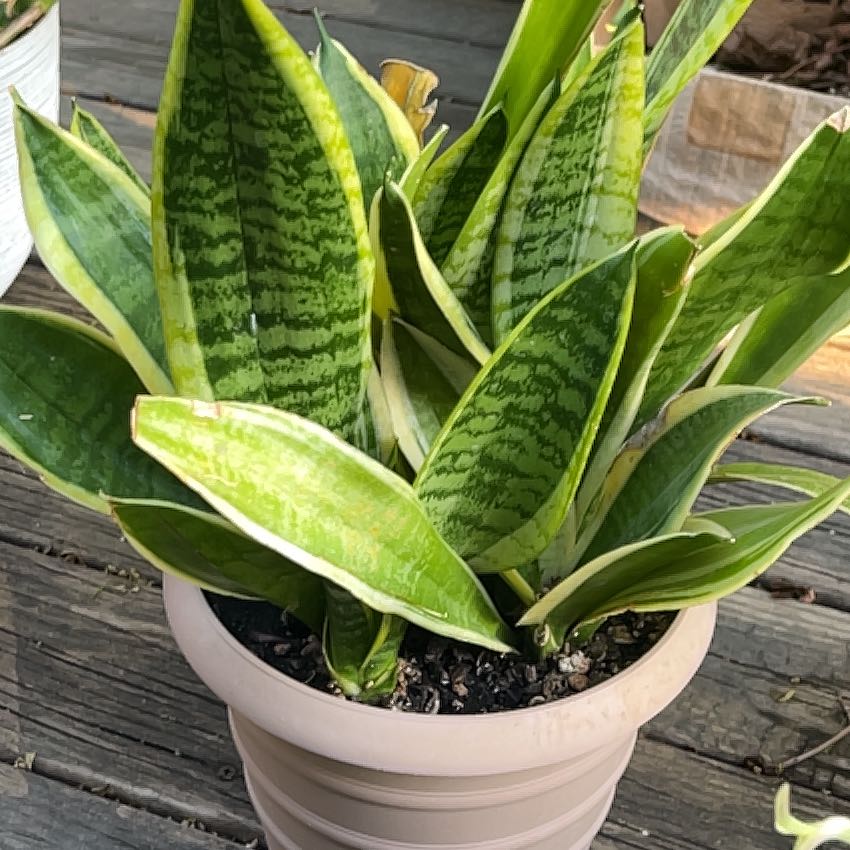
🐍 Why Is My Snake Plant Not Doing Well?

Dracaena trifasciata

By the Greg Editorial Team

Jun 17, 20244 min read

This article was created with the help of AI so we can cover more plants for you. May contain errors. See one? Report it here.

Snake plant
  1. Yellow or drooping leaves? Check for over/underwatering, pests, or light issues.
  2. Stunted growth or spots? Could be poor soil, root-bound pot, or fungal problems.
  3. Revival requires patience and consistent care, like proper watering and pest control.

Signs of Unhealthy Snake Plant

🚰 Yellowing or Browning Leaves

Yellowing or browning leaves in a Snake Plant can scream overwatering or underwatering. Root rot could be the silent killer lurking beneath the soil. To differentiate, check for soft, mushy roots or a dry, crumbly feel. Adjust your watering habits accordingly.

πŸƒ Drooping or Wilting

Drooping leaves often wave a red flag for waterlogged soil, insufficient light, or uninvited pests. Investigate the soil's moisture, light levels, and look for tiny freeloaders. Correcting the plant's environment is key to perking it back up.

πŸ“‰ Stunted Growth or No New Growth

When a Snake Plant's growth stalls, suspect poor soil, inadequate light, or a root-bound pot. Assess the soil quality, consider a brighter spot, or give it a new home with more room to grow. It's like a plant's version of a lifestyle upgrade.

πŸ‚ Leaf Discoloration or Spots

Leaf discoloration or spots can be the plant's cry for help against sunburn, pests, or fungal foes. Diagnose with a keen eye and treat with targeted care. It's like playing plant detectiveβ€”spot the clues, crack the case.

Snake Plant in a black pot on a balcony, appears healthy with upright green leaves.

Common Issues Specific to Snake Plant

πŸ’§ Overwatering and Root Rot

Soggy soil and a stench of decay are tell-tale signs your Snake Plant is overwatered. Check the roots; if they're mushy, you've got root rot.

How to Address Overwatering

  1. Halt watering and let the soil dry.
  2. Trim any rotten roots.
  3. Repot with a well-draining mix.
  4. Water only when the topsoil is dry.

🏜️ Underwatering and Dehydration

Crisp leaves and dry soil scream dehydration. Don't wait for your Snake Plant to turn into a desert mirage.

Rehydrating Your Plant

  1. Soak the soil until water runs free from the drainage holes.
  2. Let excess water drain completely.
  3. Resume regular watering when topsoil is dry.

🐜 Pest Infestations (Spider Mites, Mealybugs)

Tiny webs or cotton-like blobs? You've got uninvited guests. Spider mites and mealybugs are throwing a party at your plant's expense.

Pest Eradication

  1. Isolate the plant to prevent a pest rave.
  2. Wipe leaves with soapy water or neem oil.
  3. Repeat until your plant is a no-pest zone.

🌱 Soil Issues (Compaction, Poor Drainage)

Hard, compact soil is a no-go. Your Snake Plant's roots need to breathe and drink, not drown.

Soil Revival

  1. Aerate the soil gently with a stick.
  2. Mix in perlite or coarse sand for drainage.
  3. Consider repotting if compaction is severe.

🌞 Light and Temperature Stress

Too much sun and your Snake Plant might get a sunburn. Too little, and it's in the dark ages. Extreme temperatures? Think of your plant as a Goldilocks.

Finding the Sweet Spot

Remember, Snake Plants are tough, but they're not invincible. Keep an eye out for these issues, and you'll be a plant-saving superhero.

Snake Plant in a blue pot on a shelf, appears healthy with upright green leaves.

Resolving Each Type of Issue to Revive the Snake Plant

πŸ’§ Watering Adjustments

Overwatering is a common misstep. If your plant's leaves are yellowing, it's time to ease up on the H2O. Let the soil dry out completely before you water again. For underwatered plants, consistent moisture is keyβ€”water when the top inch of soil feels dry.

🌱 Soil Treatments

Compacted soil is a no-go. If your snake plant's growth is stunted, consider repotting with a well-draining mix. Root rot? Remove the plant, trim the damaged roots, and repot in fresh soil.

🐞 Pest Control Methods

Spotted spider mites or mealybugs? Isolate your plant to stop the spread. Wipe down leaves with soapy water or neem oil for a natural fix. Persistent pests might need a stronger insecticide.

🌞 Environmental Modifications

Light and temperature can make or break your snake plant. Too little light leads to etiolation, so find that sweet spot with bright, indirect sunlight. Keep temperatures consistentβ€”snake plants dislike the cold.

Remember, patience and consistent monitoring are your best friends in the revival process. Don't expect overnight miracles; plants recover on their own schedule.

Healthy Snake Plant (Sansevieria trifasciata) in a pot near a window with visible soil.

⚠️ Safety First

This content is for general information and may contain errors, omissions, or outdated details. It is not medical, veterinary advice, or an endorsement of therapeutic claims.

Always consult a qualified healthcare professional before using any plant as food, medicine, or supplement.

Never eat any plant (or feed one to pets) without confirming its identity with at least two trusted sources.

If you suspect poisoning, call Poison Control (800) 222-1222, the Pet Poison Helpline (800) 213-6680, or your local emergency service immediately.

Spotted an error? Please report it here.

Ensure your snake plant bounces back πŸ›  by leveraging Greg's tailored alerts for optimal watering, lighting, and pest control, turning plant woes into lush growth.