Why Are My Sago Palm Leaves Droopy? 😔
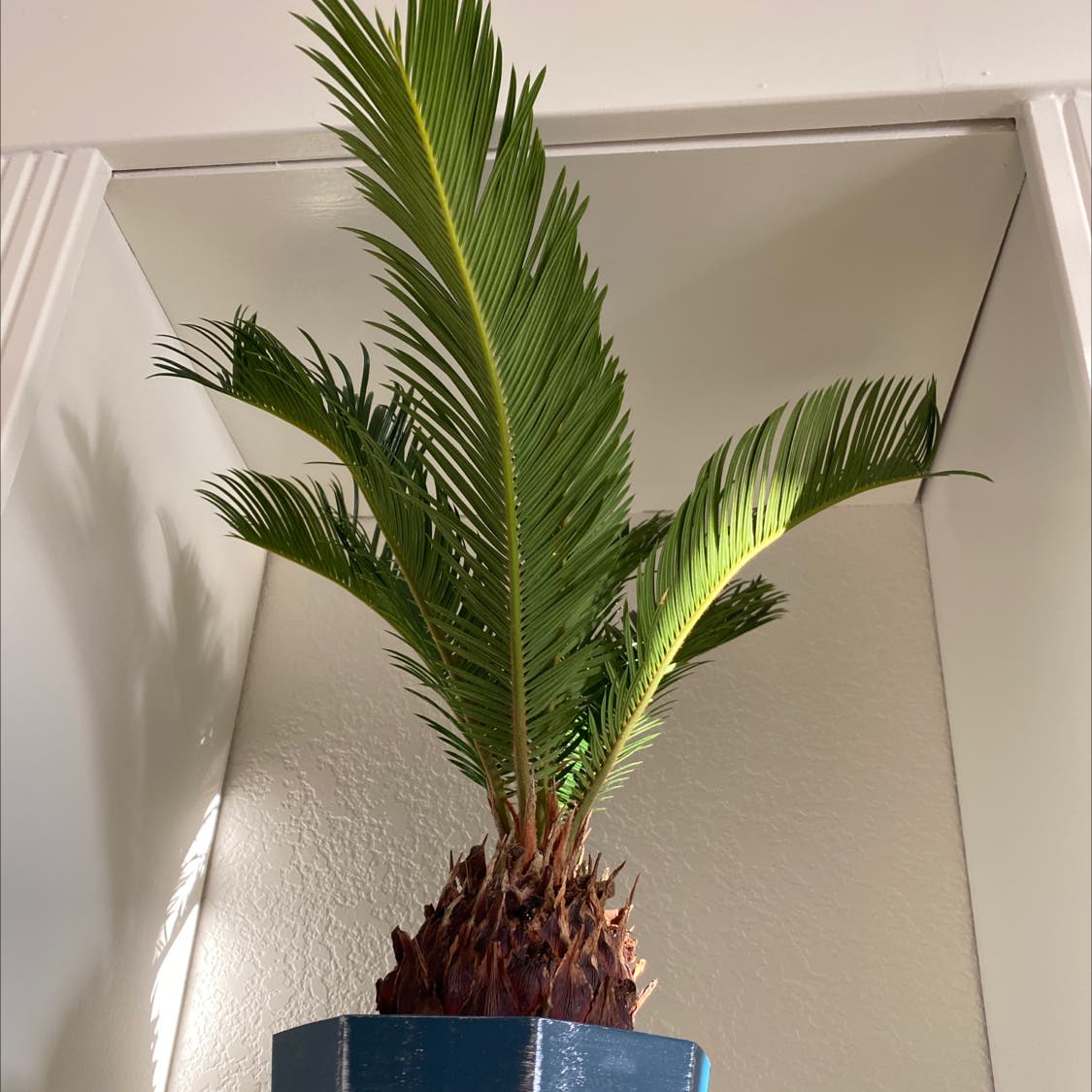
Cycas revoluta
By the Greg Editorial Team
Jun 17, 2024•4 min read
This article was created with the help of AI so we can cover more plants for you. May contain errors. See one? Report it here.
- Under/overwatering causes droopiness, adjust watering when top inch of soil is dry.
- 🌡️🌞 Light and temperature stress can lead to droopy leaves; provide bright, indirect light.
- Nutrient deficiencies weaken leaves, use manganese sulfate fertilizer to correct.
Diagnosing the Cause of Droopy Leaves
🏜️ Underwatering
- Crispiness in Sago Palm leaves can be a distress signal for thirst. The soil may feel as dry as a comedian's humor, indicating a need for more frequent watering.
- To revive your parched Sago Palm, gradually increase watering, ensuring the soil is moist but not saturated, to prevent shock to the roots.
🚰 Overwatering
- Overwatered Sago Palms may have leaves as limp as overcooked pasta. A soil moisture level resembling a wet sponge is a red flag for too much water.
- Corrective steps include reducing watering frequency and improving soil drainage, perhaps by adding sand or perlite to the mix.
🌞 Light and Temperature Stress
- Droopy leaves might also cry out for help due to too much sun or extreme temperatures. Leaves may droop like they've just finished a marathon in the desert.
- Adjust the plant's location to provide bright, indirect light and maintain a consistent temperature to alleviate stress.
🍽️ Nutrient Deficiency
- A nutrient-starved Sago Palm may display yellowing leaves, a condition known as "frizzle top." This is often due to a lack of manganese.
- Fertilization with manganese sulfate, as per manufacturer's instructions, can help correct this deficiency and fortify your Sago Palm's foliage.

Immediate Actions to Alleviate Droopy Leaves
💧 Adjusting Watering Techniques
When your Sago Palm's leaves start to resemble a weary traveler, it's time to rethink watering. If the soil is as dry as yesterday's toast, it's a clear SOS for hydration. Water deeply but only when the top inch of soil feels dry to the touch. Remember, moderation is key; you're quenching thirst, not creating a mini flood.
🌱 Improving Soil Conditions
Root health is paramount, and sometimes that means giving your Sago Palm a new home. If the soil is more swamp than sanctuary, repotting in a well-draining mix is like upgrading to first-class for your plant's roots. Consider a mix that's the life of the party—light, airy, and never soggy.
🌞 Optimizing Light and Temperature
Your Sago Palm craves stability like a cat basking in a sunbeam. Find a spot with bright, indirect light and a temperature that's just right—not too hot, not too cold, but a cozy 22-28°C. Avoid the drama of temperature swings; your palm prefers a predictable plotline.
🌿 Fertilization Strategies
Droopy leaves can be a cry for nutritional help. A balanced fertilizer can be the superhero your Sago Palm needs. Manganese is particularly important, so consider a supplement if your palm is showing signs of deficiency. Apply fertilizers during the growing season, but don't overdo it—think of it as a diet, not an all-you-can-eat buffet.
Long-Term Care for Preventing Droopiness
To keep your Sago Palm standing tall and proud, a bit of proactive care is the secret sauce. Let's dive into the long-term strategies that will keep droopiness at bay.
💧 Establishing a Watering Regimen
Creating a consistent watering schedule is like setting coffee dates with your plant—it thrives on routine. During the summer, your Sago Palm will appreciate a weekly sip, ensuring the top 3 inches of soil are dry before the next watering rendezvous. As the seasons change, so should your watering frequency. Less is more when the plant is not in active growth mode, so cut back in the cooler months.
🌱 Selecting the Right Soil and Pot
Choosing the right soil and pot for your Sago Palm is like picking a tailored suit—it needs to fit just right. A well-draining cactus mix that shuns water retention is your go-to. To up the ante, mix in some perlite or sand to boost drainage. The pot should be roomy enough for growth but cozy enough to prevent excess soil moisture. And don't forget those drainage holes—they're the escape routes for unwanted water.
🌞 Maintaining Ideal Growing Conditions
Your Sago Palm is a bit of a Goldilocks when it comes to its environment—it likes everything just right. Bright, indirect light is the sweet spot for these fronded friends. Keep them in a spot where the temperature is consistently between 60 and 80 degrees Fahrenheit. Remember, stability is key; sudden changes in temperature or light can send your Sago Palm into a droopy despair. Keep an eye on the conditions, and your palm will reward you with upright, perky leaves.

⚠️ Safety First
This content is for general information and may contain errors, omissions, or outdated details. It is not medical, veterinary advice, or an endorsement of therapeutic claims.
Always consult a qualified healthcare professional before using any plant as food, medicine, or supplement.
Never eat any plant (or feed one to pets) without confirming its identity with at least two trusted sources.
If you suspect poisoning, call Poison Control (800) 222-1222, the Pet Poison Helpline (800) 213-6680, or your local emergency service immediately.
Spotted an error? Please report it here.
Revive your Sago Palm's vigor 🌿 by tracking its ideal watering and nutrient schedule with Greg, ensuring it never droops from neglect again.
