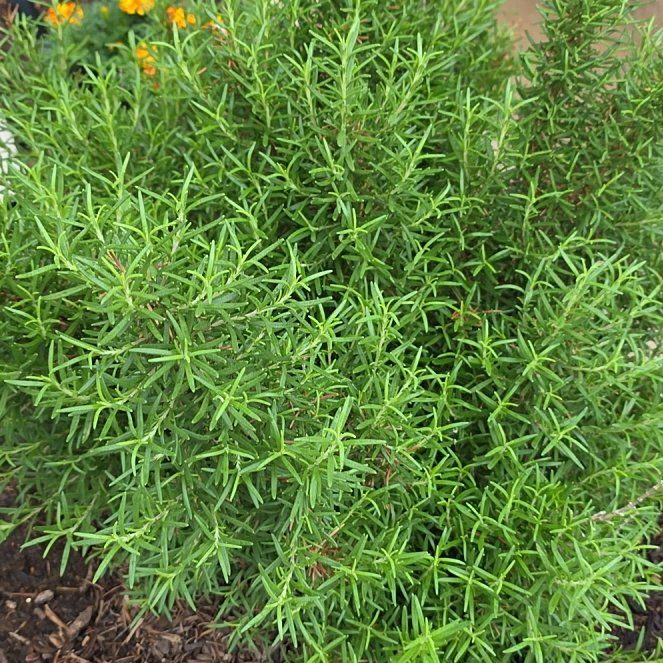
Best Soil for Rosemary
What Kind of Soil Does Rosemary Need?
Rosemary is native to the rocky, limestone hillsides and coastal cliffs of the Mediterranean, where it thrives in thin, mineral-rich, alkaline soil with almost no organic matter. It is adapted to drought and poor nutrition, and rich, moist garden soil produces lush but weak, disease-prone plants that do not match the intensely aromatic character of wild-grown rosemary.
The most important thing to understand about rosemary soil is that this plant is not asking for your best soil, it is asking for your worst. Rich potting mix with lots of compost encourages fast, soft, leggy growth that is more susceptible to powdery mildew and root rot. Lean, gritty soil keeps the plants compact, aromatic, and much more resilient.
Coarse sand or fine gravel is the key amendment for rosemary, opening the mix and ensuring water drains through in seconds. Perlite achieves the same effect in container mixes. The organic component should be minimal, just enough to hold some structure. Straight cactus mix from a garden center works reasonably well for potted rosemary, though it may drain slightly too fast without a small amount of potting soil added.
For garden beds, mixing coarse grit into the planting area and raising the bed above the surrounding grade if drainage is slow makes a significant difference. Rosemary planted in low spots or heavy clay almost always declines within a season or two, not from cold or drought but from root rot during wet periods.
What Soil Mix Should I Use for My Rosemary?

What pH Does My Rosemary Need?
Rosemary prefers a soil pH of 6.0 to 7.5, with a slight lean toward the neutral to alkaline end of that range. This reflects its limestone-origin soils in the Mediterranean basin. Most standard potting mixes are slightly acidic around 6.0 to 6.5, which is acceptable, but rosemary performs noticeably better with a touch of lime to nudge the pH up. Check your mix with an inexpensive pH meter or test strips from a garden center before planting.
When pH drops below 5.5, rosemary struggles to absorb calcium and magnesium, leading to pale foliage and poor growth. Excessively acidic soil also weakens the plant's resistance to fungal root diseases. At the other extreme, pH above 8.0 can lock out phosphorus. In practice, the most common pH problem with rosemary is soil that is too acidic, not too alkaline, especially in rain-heavy climates where peat-based mixes become increasingly acidic over time.
When Should I Replace My Rosemary's Soil?
Rosemary grows at a moderate pace and the inorganic components of its mix do not break down quickly, so container plants can go 2 to 3 years between full soil refreshes. The main reason to repot sooner is if the plant has become root-bound or if you notice drainage slowing significantly, which usually means the potting soil fraction has compacted.
For garden-bed rosemary, topdressing is rarely needed given how little organic matter the plant wants. Focus instead on occasional lime applications if soil pH is drifting acidic and annual inspection for signs of poor drainage. The best time to repot container rosemary is early spring just before the growing season begins.
How Do I Prepare Garden Soil for Rosemary?
Rosemary is a Mediterranean herb that thrives in lean, fast-draining soil and actually performs worse in ground that is too rich or too wet. Its woody root system needs air pockets in the soil and dislikes sitting in moisture.
For clay soil, dig in plenty of coarse sand or gravel along with a small amount of compost to break up density and let water drain through fast. Don't add too much organic matter since rosemary prefers things on the lean side. Sandy soil is already ideal. You can plant rosemary directly with little to no amendment. Choose the sunniest, most exposed spot in your garden, ideally with reflected heat from a wall or patio. Rosemary loves heat and will reward you with more aromatic oils in tough conditions.
Got More Questions?
About This Article
