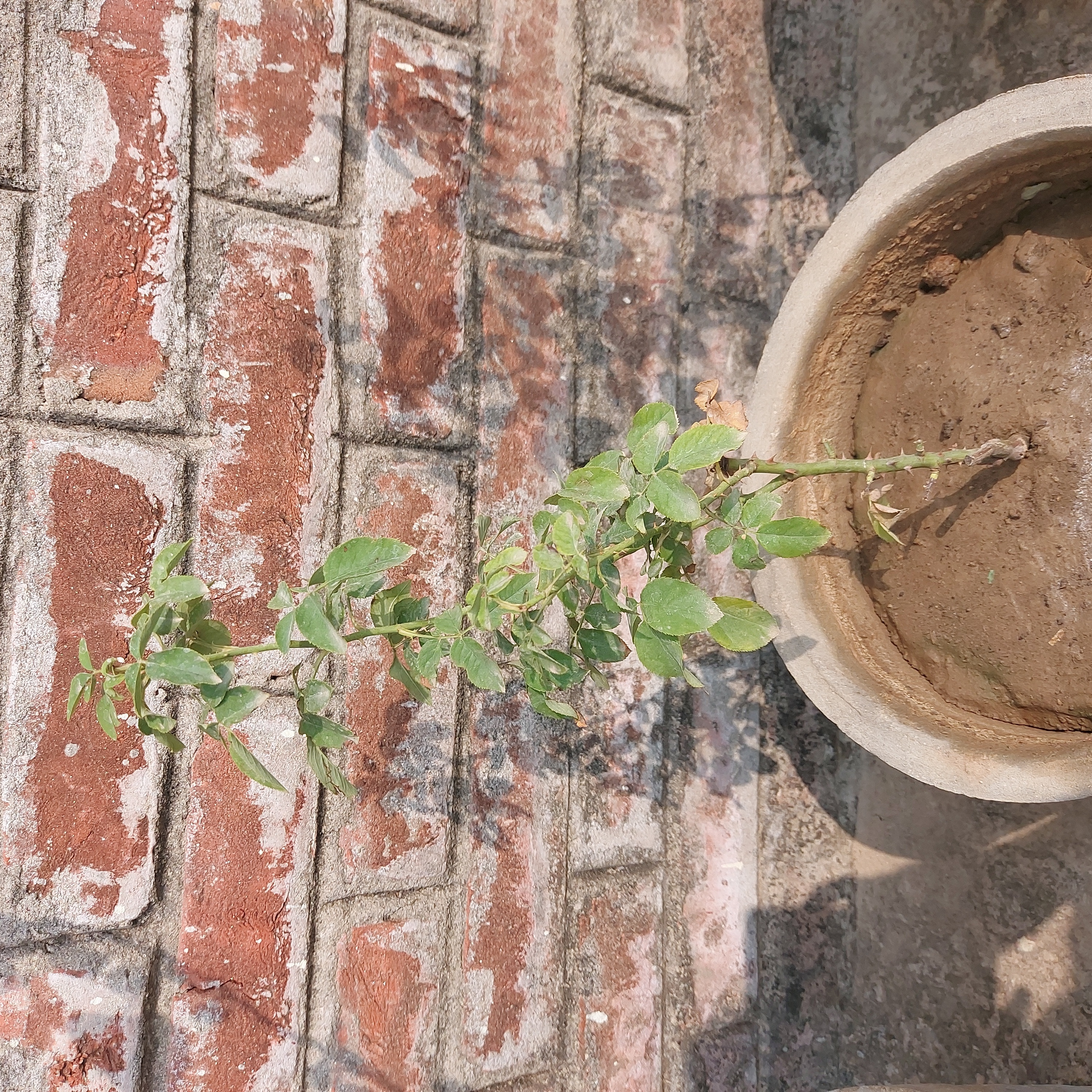
Best Soil for Parade Rose
What Soil Does a Parade Rose Need?
Parade Rose is a miniature climbing rose with a perennial root system that benefits from consistently fertile, well-aerated soil. Roses in general are hungry feeders with deep, fibrous root systems that need moisture to sustain heavy flowering but suffer immediately in waterlogged conditions. The soil should be rich enough to fuel continuous blooming while draining well enough that roots never sit wet.
Roses have a reputation for being demanding, and the soil is a big part of why. They need a rich, well-structured growing medium that holds enough moisture and nutrients to fuel repeated blooming cycles while draining freely enough that roots aren't sitting in water. Heavy clay soils cause root rot; pure sandy soils can't hold the nutrients or moisture a blooming rose demands.
For garden beds, the classic approach is to work in generous compost before planting, at least a 3-inch layer incorporated into the top 12 inches. This improves drainage in clay and water retention in sand simultaneously, and it delivers a slow-release supply of organic nutrients. Roses are heavy feeders and will exhaust a nutrient-poor soil quickly.
For container growing, which suits a miniature climbing rose like Parade, use a quality potting mix with added perlite for drainage. Roses in containers dry out faster than in-ground plants and need more frequent feeding to compensate for nutrients leaching from the mix. A loam-based potting mix or one formulated specifically for roses holds moisture longer than a peat-only mix and gives the dense root system something to grip.
What Soil Mix Should I Use for My Parade Rose?

What pH Does My Parade Rose Need?
Parade Rose performs best at a slightly acidic pH of 6.0–6.5. Within this narrow window, the full range of nutrients roses need for strong canes, healthy foliage, and prolific blooms stays highly accessible. Check your soil or mix pH with an inexpensive meter or test strips before planting, since it's much easier to correct pH before the plant goes in than after.
When pH drops below 6.0, manganese and aluminum can become toxic at elevated levels, and the nutrient balance shifts against the plant. Above 7.0, iron and manganese become locked up, and you'll see a pattern called chlorosis where the leaf blade turns yellow while the veins stay green. This shows up first on young leaves and is a reliable signal that the pH needs adjustment. Roses are more pH-sensitive than many plants, so testing before planting and annually thereafter pays dividends.
When Should I Replace My Parade Rose's Soil?
For in-ground Parade Rose, top-dress the root zone each spring with a 2-inch layer of compost rather than replacing soil. Roses are perennials with established root systems and don't need their soil fully replaced. The annual compost application replenishes nutrients consumed by the previous year's flowering and improves soil structure over time.
For container-grown roses, repot every 2 years in spring, replacing the potting mix completely. Potting soil breaks down over time, salts accumulate from fertilizer, and the root system will fill the container. Move up one pot size when repotting and refresh with quality potting mix plus compost.
How Do I Prepare Garden Soil for a Parade Rose?
Parade Roses are climbing roses with strong appetites. Their roots need deep, rich soil that holds moisture without becoming waterlogged. Roses reward good soil prep more than almost any other garden plant.
Dig the planting area at least 18 inches deep and work in generous amounts of compost and well-rotted manure. Clay soil also needs coarse bark or grit to prevent the roots from sitting in wet pockets after heavy rain. Sandy soil dries out too fast for roses, so add compost and a bit of clay or loam to give it more holding power. A sunny spot with rich, loamy soil is the foundation for strong canes and heavy blooms.
Got More Questions?
About This Article
