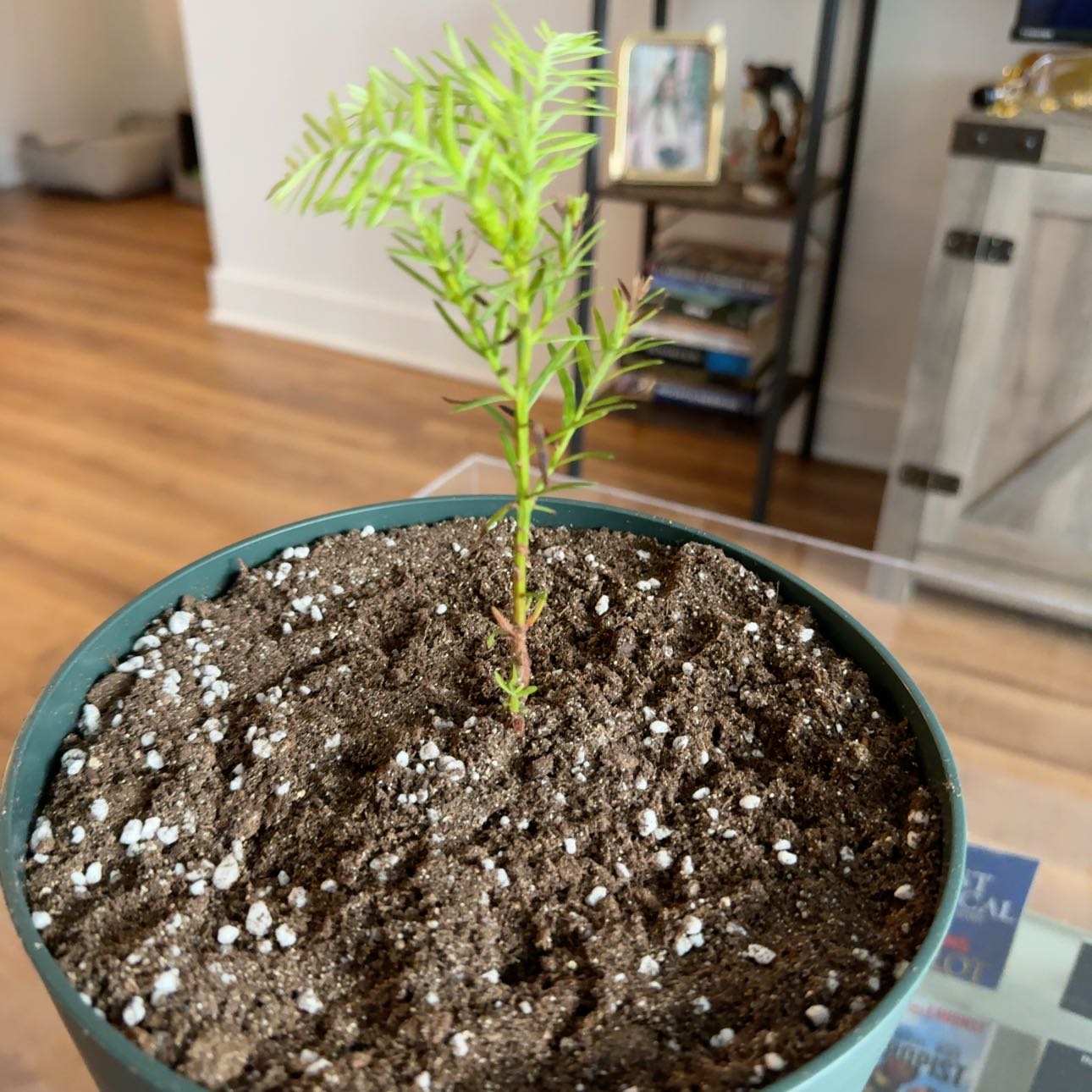
Best Soil for Redwood
What Soil Does a Coast Redwood Need?
Coast Redwoods grow naturally along a narrow band of Northern California and Southern Oregon, in deep, loamy forest soils kept consistently moist by coastal fog and winter rains. They thrive in slightly acidic, well-draining soils with plenty of organic matter. Despite their enormous size, their root systems are relatively shallow and wide-spreading, making soil quality across a large area more important than depth alone.
Coast Redwood is not a container plant. It's one of the tallest trees on Earth, reaching over 300 feet in its native range, and it is planted in the ground in appropriate climates. Understanding the soil it thrives in means thinking about garden or yard soil rather than potting mixes.
In its native habitat, Coast Redwood grows in deep, well-draining loam with a rich organic layer built up from centuries of decomposing needles and forest debris. That needle duff creates a naturally acidic soil environment that this tree has adapted to over millennia. In garden settings, the goal is to approximate those conditions: loamy, moderately moist, well-draining, and slightly acidic.
Heavy clay soils need significant amendment before planting. Work in compost and coarse sand or grit to improve structure and drainage, since clay holds standing water near young roots and can stunt early establishment. Sandy soils benefit from generous compost additions to improve moisture retention, since Redwoods in dry conditions are dependent on consistent irrigation until well established. A thick organic mulch layer spread under the canopy after planting helps maintain the cool, moist, acidic conditions this tree naturally thrives in.
How Should I Prepare the Soil for a Coast Redwood?

What pH Does a Coast Redwood Need?
Coast Redwood prefers a moderately acidic soil pH between 5.5 and 6.5, which reflects the naturally acidic forest floor environment created by decomposing conifer needles. Most garden soils in the Pacific Coast regions where this tree grows natively already fall within or near this range. You can check your soil with a pH meter or test strips, taking samples from a few different spots around the planting area for the most accurate picture.
If pH climbs above 7.0, the tree may develop interveinal chlorosis, yellowing between the leaf veins, as it struggles to absorb iron in alkaline conditions. Prolonged alkaline conditions stunt growth and reduce needle density. Very acidic soil below 5.0 is rarely an issue in most garden settings, but if it occurs, needle browning and slow growth can result from nutrient toxicity at the root zone.
How Do I Maintain Soil Health for a Coast Redwood Over Time?
Unlike potted plants, Coast Redwood doesn't need periodic repotting, but soil health still needs attention over time, especially in garden settings outside the tree's native range. The most effective maintenance is maintaining a 3 to 4 inch layer of organic mulch beneath the canopy, extending to the drip line. As this mulch breaks down, it mimics the natural needle duff of a redwood forest, slowly acidifying the soil and adding organic matter.
For young, newly planted trees, an annual soil pH check helps catch any drift toward alkalinity before it slows establishment. Established trees are more forgiving, but top-dressing with compost once a year and refreshing mulch each spring keeps the soil biology active and the root environment healthy. Avoid compacting the soil under the canopy with heavy foot traffic or vehicles, since Redwood roots are shallow and spread wide.
How Do I Prepare Garden Soil for a Redwood Tree?
Redwoods are native to the foggy coast of Western North America where they grow in deep, acidic soil with a thick layer of organic matter. Their roots spread wide and shallow, so the top layer of soil matters more than what is deep below.
Amend clay soil with generous amounts of compost, pine bark, and leaf mold to create a loose, acidic top layer. Sandy soil needs compost and bark to hold moisture, since redwoods rely on consistently damp ground. Avoid compacting the soil around the planting area. Mulch heavily with bark or leaf litter to mimic the forest floor these trees are built for.
Got More Questions?
About This Article
