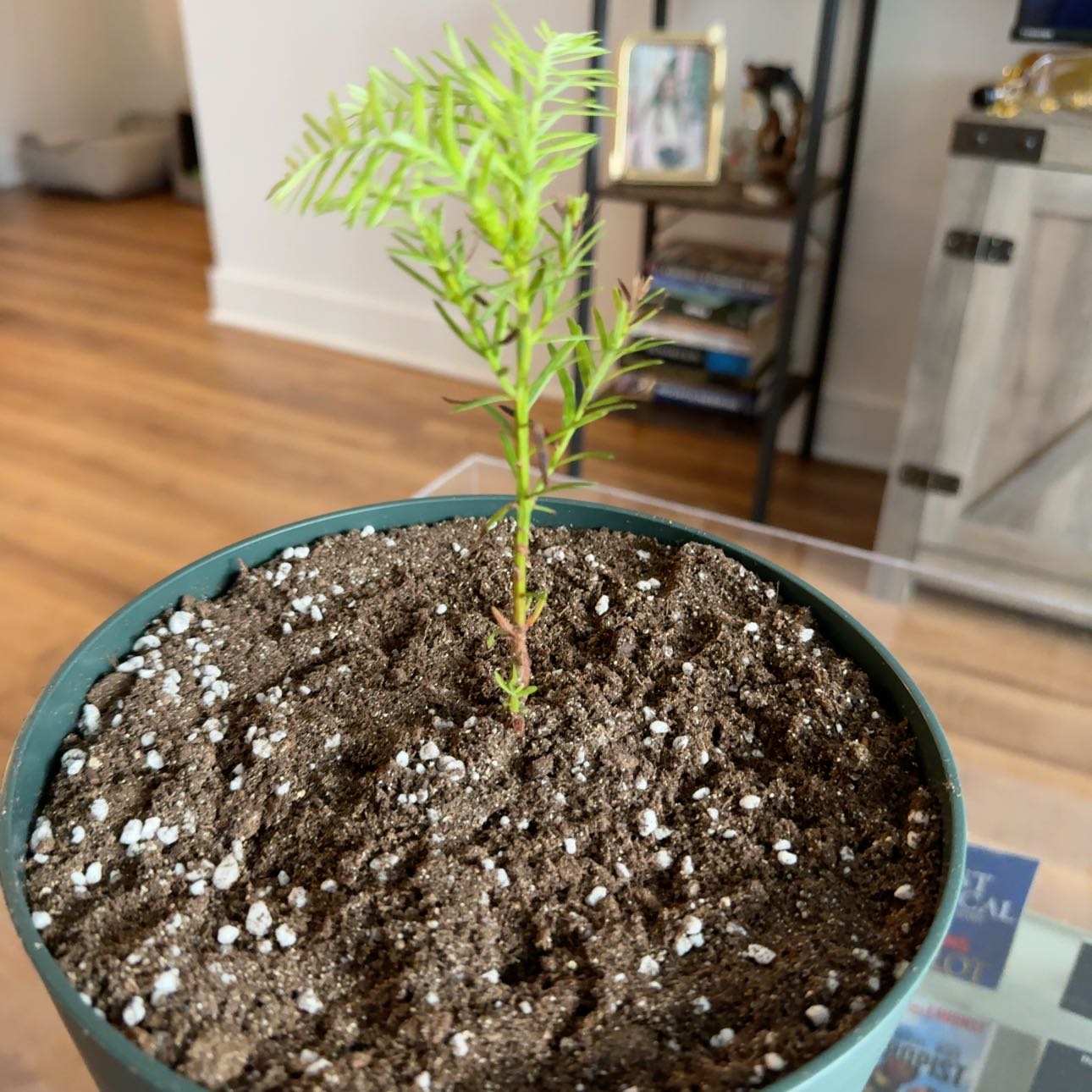
Redwood

How to Fertilize Redwood

Sequoia sempervirens
Reviewed by Kiersten Rankel M.S.
Quick Answer
Young Redwood trees benefit from a balanced slow-release fertilizer (like 10-10-10) applied once each spring for the first three to five years. Mature trees in the ground do not need supplemental fertilizer. Container-grown Redwoods should get one light spring feeding annually.

When Should I Start Feeding My Redwood?

Redwood's feeding window is short since the tree only needs one spring application, timed to when new growth begins emerging in your region.

US feeding regions map
Pacific Feb–Apr
Mountain May–Jun
Midwest Apr–May
Northeast Apr–May
Southeast Mar–Apr
Stay on top of plant care
Get seasonal reminders for watering and fertilizing — personalized for your plants.
Try Greg Free

How Often Should I Fertilize My Redwood?

Fertilize young Redwoods once a year in early spring, just as buds begin to swell. One application per year is plenty. These trees have modest nutrient demands relative to their size.

Container Redwoods should receive one spring feeding each year since potting mix loses nutrients faster than garden soil. If the tree has been in the same pot for more than two years, consider repotting with fresh soil in addition to fertilizing.

Established, in-ground Redwoods generally need no supplemental feeding. If growth seems unusually slow or foliage looks pale, a soil test will tell you whether a specific deficiency exists rather than guessing with more fertilizer.

Feeding Calendar
Spring
One application of balanced slow-release granular
Summer
No additional feeding needed
Fall
No feeding, let the tree prepare for dormancy
Winter
No feeding

What Is the Best Fertilizer for Redwood?

Coast Redwood naturally grows in foggy, nutrient-rich alluvial soils in the Pacific Northwest. In cultivation, a balanced slow-release granular formula like 10-10-10 or a general tree-and-shrub fertilizer provides the steady nutrition young trees need.

Avoid high-nitrogen lawn fertilizers, which push fast, weak growth. Redwood prefers moderate, even nutrition that supports strong wood development. A slightly acidic formula is fine since Redwoods naturally grow in mildly acidic soils.

Organic options like composted bark mulch and aged compost are excellent choices. A 3-inch mulch ring that decomposes over time mimics the natural forest floor conditions that Redwoods evolved in.

Synthetic
Balanced slow-release granules that feed for up to 4 months. One spring application is ideal for young Redwoods. Use 1 tablespoon per foot of tree height.
Pre-measured spikes designed for conifers. Push them into the soil around the drip line in early spring. Use the minimum recommended number for your tree size.
Organic
Organic granular with a mildly acidic profile that suits Redwood's natural soil preference. Apply once in spring at the lowest recommended rate.
Gentle formula with beneficial soil microbes, designed for conifers. One application around the drip line in spring is all a young Redwood needs.

How Do I Fertilize My Redwood?

1
Water deeply first
Give the root zone a thorough soaking the day before fertilizing. Redwoods appreciate consistent moisture, and wet soil helps distribute nutrients safely.
2
Measure conservatively
For a young tree, use about one tablespoon of 10-10-10 granular per foot of tree height. Redwoods are not heavy feeders, so less is better than more.
3
Scatter under the canopy
Spread granules evenly from about 6 inches away from the trunk out to the drip line. Keep fertilizer off the bark to avoid chemical burn.
4
Water in slowly
Follow up with a gentle, deep watering to dissolve the granules and move nutrients into the root zone. Avoid heavy spraying that causes runoff.
5
Maintain a mulch layer
Spread 3 inches of composted bark or leaf mulch over the fertilized area. This mimics the forest floor, conserves moisture, and provides slow-release nutrition as it breaks down.

Got More Questions?

Can I use coffee grounds around my Redwood?
In moderation, yes. Redwoods naturally grow in mildly acidic soil, and coffee grounds add a small amount of acidity and nitrogen as they decompose. Mix them into your mulch layer rather than piling them directly on the soil.
What happens if I over-fertilize my Redwood?
Excess fertilizer causes soft, rapid growth that is more susceptible to frost damage and disease. You may also see browning needle tips from salt burn. Flush the root zone with deep watering and skip fertilizing for the rest of the year and possibly the next.
Does a mature Redwood tree need fertilizer?
No. Once a Redwood is established in the ground for several years, its root system is extensive enough to find its own nutrients. A healthy mulch layer is the only ongoing soil amendment most mature Redwoods need.
My Redwood is growing in a container. How should I fertilize it?
Container Redwoods need one light spring feeding per year with a balanced slow-release formula at half the in-ground rate. Repot with fresh soil every two to three years, as container soil compacts and loses structure over time.
Can Redwood grow outside of the Pacific coast?
Redwood can grow in zones 7a through 9b, but it does best with consistent moisture and mild temperatures. In drier or colder climates, it may grow more slowly and benefit from that once-a-year spring feeding for a longer period than trees planted in its native range.
Stay on top of plant care
Get seasonal reminders for watering and fertilizing — personalized for your plants.
Try Greg Free

About This Article

Kiersten Rankel M.S.
Botanical Data Lead at Greg · Plant Scientist
About the Author
Kiersten Rankel holds an M.S. in Ecology & Evolutionary Biology from Tulane University. A certified Louisiana Master Naturalist, she has over a decade of experience in science communication, with research spanning corals, cypress trees, marsh grasses, and more. At Greg, she curates species data and verifies care recommendations against botanical research.
See Kiersten Rankel's full background on LinkedIn.
Editorial Process
Fertilizer recommendations verified against Sequoia sempervirens growth data from Greg's botanical database, cross-referenced with USDA hardiness zone data and published horticultural research.
159+ Greg users growing this plant
USDA hardiness zones 7a–9b